

What you need to know about chickenpox
Chickenpox is a highly contagious illness primarily affecting children, caused by the varicella-zoster virus (VZV). However, adults who have not been infected or vaccinated are also at risk of contracting the disease.
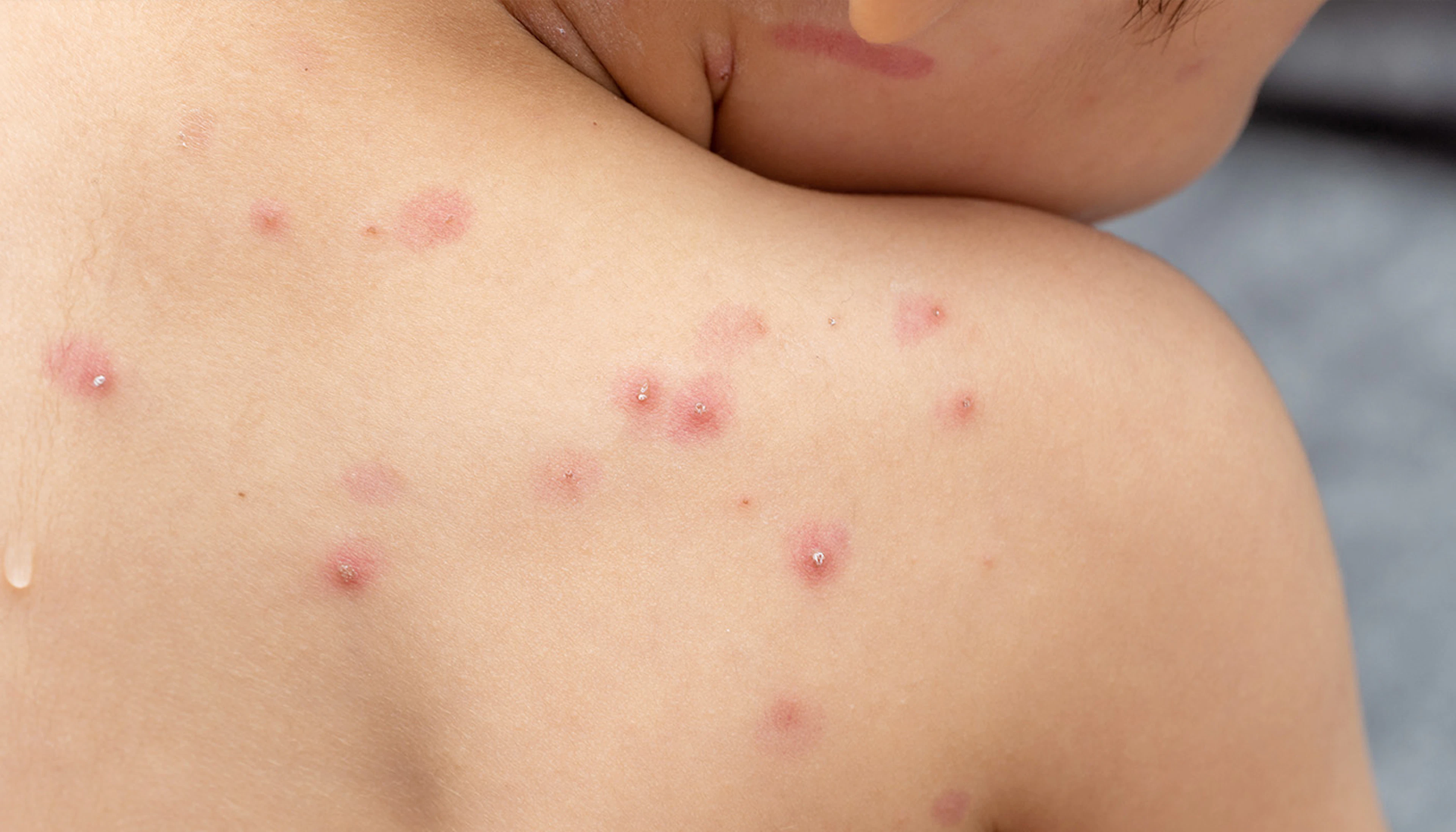
The most recognizable symptom of chickenpox is an itchy, blistering rash that progresses through distinct stages. Initially, red spots appear on the skin, which then develop into fluid-filled blisters. These blisters eventually burst and form scabs, which heal over time.
While chickenpox is generally mild in children, it can lead to more severe complications in adults and individuals with weakened immune systems. Vaccination is an effective way to prevent the disease and its potential complications.
How Long Chickenpox Lasts
- Transmission: The virus is transmitted from person to person through respiratory secretions or droplets in the air, and direct contact with the fluid from the blisters.
- Incubation: After exposure to the virus, there is an incubation period of about 10 to 21 days before symptoms appear.
- Symptoms: The first symptoms typically include fever, headache, and a general feeling of illness. A rash then develops, starting as red spots that progress to itchy blisters.
- Contagious Period: Those with chickenpox are contagious from a day or 2 before the rash appears until all the blisters have crusted over. This period usually lasts about 5-7 days.
Once you have had chickenpox, the virus remains dormant in your nervous system. Later in life, the virus can reactivate, causing a different condition known as herpes zoster or shingles.
How Contagious is Chickenpox
Chickenpox is highly contagious and spreads easily from person to person through respiratory droplets or direct contact with the fluid from chickenpox blisters. The estimated reproduction number for chickenpox ranges from 9 to 10, meaning that one infected person can potentially transmit the virus to 9-10 susceptible individuals.
Individuals infected with chickenpox are contagious from about 1-2 days before the rash appears until all the lesions crust over, which typically lasts around 5-7 days. During this period, it is crucial for those infected to isolate themselves to prevent spreading the virus to others, especially those who are susceptible and have not been vaccinated.
How Common is Chickenpox?
Before the introduction of the varicella vaccine, chickenpox was a common childhood illness in the United States. However, since the vaccine’s widespread implementation in the mid-1990s, there has been a significant decline in the incidence of chickenpox. The vaccine has proven effective in reducing both the severity of the disease and the risk of complications.
While chickenpox is less common in the U.S. today due to these vaccination efforts, occasional outbreaks can still occur. It is important to be aware of the symptoms, practice proper hygiene, and follow vaccination recommendations to further minimize the spread of the virus.
Symptoms of Chickenpox
- Rash: The hallmark symptom is a red, itchy rash that typically starts on the face, chest, and back before spreading to other parts of the body. The rash evolves into fluid-filled blisters that eventually crust over.
- Fever: A mild to moderate fever often accompanies the rash.
- Fatigue: Many experience general tiredness and fatigue.
- Headache: Headaches can occur as part of the initial symptoms.
- Loss of appetite: Consuming less food is common during this period.
- Sore throat: Some may develop a sore throat or other mild respiratory symptoms.
Prevention
Chickenpox can be prevented through vaccination. The varicella vaccine is a highly effective way to prevent chickenpox. This vaccine is typically administered in 2 doses, with the first dose given around age 1 and the second dose between ages 4 and 6. The vaccine has been successful in reducing the incidence of chickenpox and its complications.
Additionally, the varicella vaccine also helps prevent the development of shingles, a painful condition caused by the reactivation of the varicella-zoster virus later in life.
What is Herpes Zoster
Herpes zoster, commonly known as shingles, is a viral infection caused by the reactivation of the varicella-zoster virus, the same virus responsible for chickenpox.
After you have had chickenpox, the virus remains dormant in nerve cells. Later in life, often due to factors such as aging or a weakened immune system, the virus may reactivate, causing a painful rash with fluid-filled blisters along a specific nerve pathway.
Shingles can be accompanied by symptoms such as itching, burning sensations, and flu-like symptoms. Vaccination, specifically the varicella vaccine, can help prevent both chickenpox and reduce the risk of shingles.
What to Do If You Suspect Chickenpox
If you suspect that you or someone you know may have chickenpox, you or they should isolate to prevent the spread of this contagious virus, contact a healthcare professional for diagnosis and guidance, and follow medical advice for managing symptoms.
It's also important to avoid scratching the blisters, stay hydrated, get plenty of rest, inform close contacts, get medical attention promptly if experiencing severe symptoms or complications, and adhere to any quarantine recommendations given by healthcare providers.