
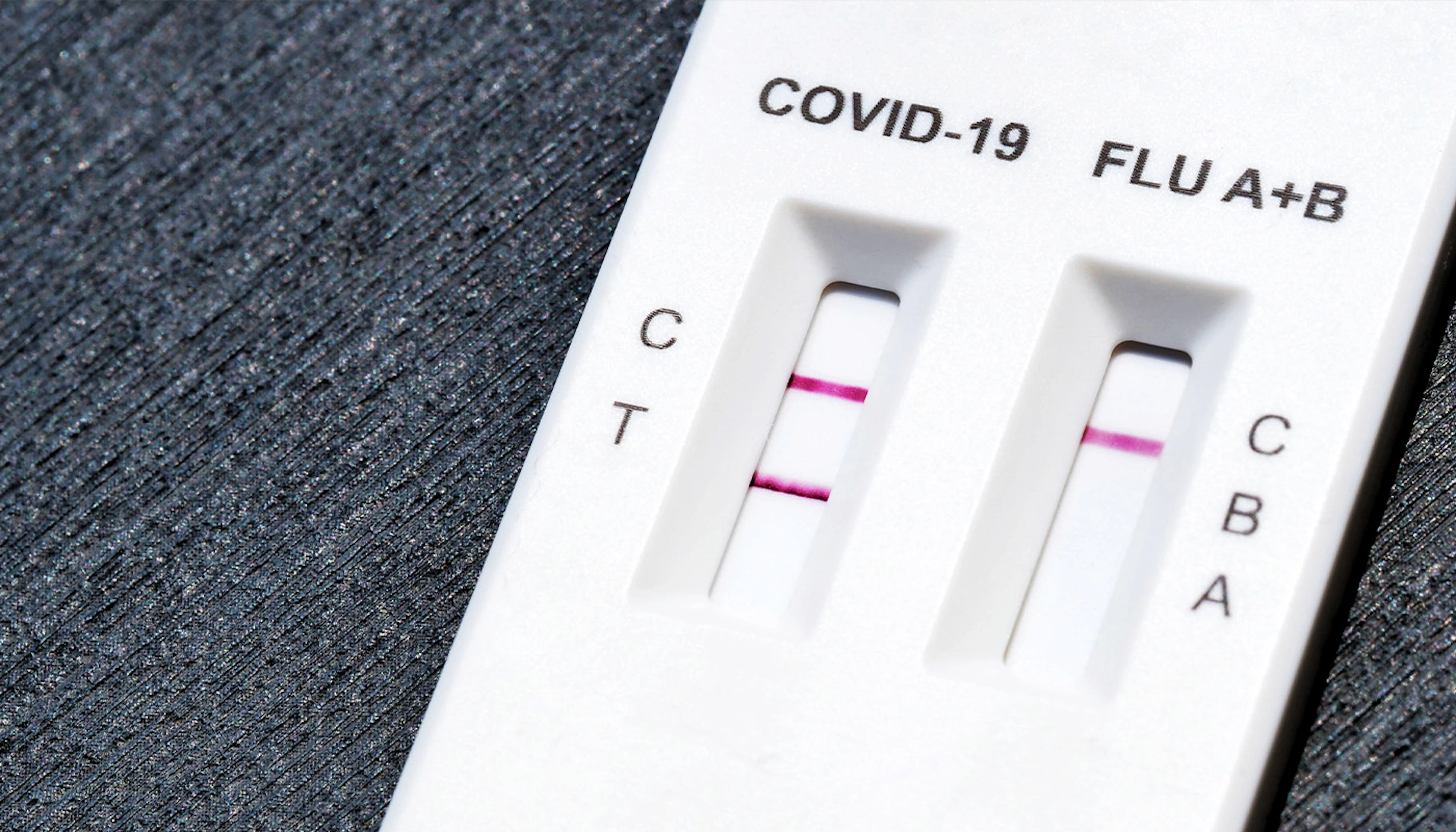

Discover The Risks of COVID-19
COVID-19, commonly referred to as coronavirus, is an infectious respiratory disease discovered in 2019 and caused by the SARS-CoV-2 virus.
It's possible that SARS-CoV-2 developed in an animal before evolved and became able to infect people. Many infectious disease epidemics in the past were linked to viruses that originated in birds, pigs, bats, and other animals before they evolved and became hazardous to people.
While chickenpox is generally mild in children, it can lead to more severe complications in adults and individuals with weakened immune systems. Vaccination is an effective way to prevent the disease and its potential complications.
COVID-19 Variants
Since the onset of the COVID-19 pandemic, several variants of the SARS-CoV-2 virus have emerged, each with unique characteristics. Here are some of the major variants identified so far:
- Alpha: First detected in the UK in late 2020, this variant was more transmissible than the original strain and spread rapidly worldwide.
- Beta: Identified in South Africa, the Beta variant raised concerns due to its ability to partially evade immune responses.
- Delta: Originating in India, Delta became the dominant variant globally in 2021 due to its high transmissibility and severity.
- Omicron: First reported in South Africa in late 2021, Omicron and its subvariants, such as EG.5 and BA.2.86, were notable for their rapid spread and numerous mutations1.
- JN.1: A descendant of the Omicron subvariant, JN.1 emerged in 2023 and became prevalent in the U.S. by late 2023.
- FLiRT: These subvariants of Omicron were responsible for most COVID-19 cases in the U.S. by mid-2024.
- XEC: A recombinant strain combining elements of Omicron subvariants, XEC emerged in Germany in 2024 and spread across Europe.
These variants highlight the virus’s ability to mutate and adapt, making ongoing surveillance and vaccination efforts crucial in managing the pandemic. Staying informed about new variants and following public health guidelines can help mitigate the impact of COVID-19.
Transmission
COVID-19 primarily spreads through close contact with infected individuals, especially in poorly ventilated indoor settings. When an infected person coughs, sneezes, speaks, or breathes, they release tiny droplets containing the virus. These droplets can be inhaled by others nearby or land on surfaces.
Additionally, the virus can spread by touching surfaces or objects contaminated with the virus and then touching your eyes, nose, or mouth. To reduce the risk of contracting COVID-19, it is crucial to maintain physical distance, wear masks, ensure good ventilation, and practice proper hygiene. These measures help minimize the spread of the virus and protect both yourself and others.
Diagnosis
COVID-19 is typically diagnosed through a laboratory test that detects the presence of the virus. Here are the common methods:
- Nasopharyngeal or Oropharyngeal Swab: A healthcare provider collects a sample from your nose or throat using a long, flexible swab.
- Saliva Test: You collect a saliva sample and submit it for testing.
- At-Home Tests: FDA-authorized at-home tests allow you to self-administer a nasal swab test and read the results at home.
Once collected, the sample is sent to a laboratory for analysis. Laboratory tests can detect either the virus's genetic material (PCR test) or viral proteins (antigen test).
Symptoms of COVID-19
Within 2 to 14 days of being exposed to the virus, individuals begin to exhibit symptoms of COVID-19.
Depending on your immune system and the severity of your condition, an individual with the coronavirus is infectious to others for up to 2 days before symptoms show up and for 10 to 20 days after that.
- Fever or chills
- Cough
- Shortness of breath or difficulty breathing
- Fatigue
- Muscle or body aches
- Sore throat
- Runny and/or stuffy nose
- Headache
- Nausea, vomiting, and/or diarrhea
In addition to these common symptoms, some individuals may experience less typical symptoms such as pink eye, swollen eyes, or skin rashes. Children can have similar symptoms to adults, but they tend to be milder.
COVID-19 symptoms may also linger for a long time, even in individuals with mild cases (i.e. a lingering cough). Long haulers are individuals who experience symptoms months after first contracting the virus and after the virus is no longer present in your body.
Severe Symptoms
Certain symptoms indicate a more severe infection and require immediate medical attention. These include:
- Trouble breathing
- Persistent pain or pressure in the chest
- Confusion
- Inability to wake or stay awake
- Bluish lips or face
What Should I Do If I Test Positive for COVID-19?
According to the CDC, if you test positive for COVID-19 you are required to quarantine for 5 days, and then if your symptoms are subsiding (without a fever for 24 hours), you should wear masks for 5 days to reduce the risk of spreading the illness to others.
Additionally, the varicella vaccine also helps prevent the development of shingles, a painful condition caused by the reactivation of the varicella-zoster virus later in life.
Treatment
COVID-19 treatment varies depending on the severity of the illness. Many individuals with mild to moderate symptoms can manage their condition with palliative care, which focuses on relieving symptoms and improving comfort.
- Medications that reduce pain (i.e. ibuprofen or acetaminophen)
- Cough syrup
- Rest and sleep
- Proper fluid intake as well as consuming healthy meals
Furthermore, the antiviral medication Remdesivir (brand: Veklury) has FDA approval for use in adults and some pediatric COVID-19 cases.
By blocking the coronavirus from growing in your body, this medication can aid your immune system in fighting off the illness and prevent the disease from worsening.
Baricitinib (brand: Olumiant), an immune modulator that reduces the inflammatory activity in your body, has also received FDA approval for use in some hospitalized individuals who have severe COVID-19.
Prevention
- Get vaccinated as well as a booster shot!
- Wear a mask (I.e. an N-95 respirator or a surgical mask)
- Cough and sneeze into a tissue or your bent elbow.
- Avoid crowded places.
- Continue to stay at least 6 feet away from people, particularly when indoors.
- Get frequently tested, especially if you’ve been recently exposed to someone that tested positive for COVID-19.
- Frequently wash your hands with soap and water for at least 20 seconds
- Carry alcohol-based hand sanitizers with you.