

Managing Dry Mouth With Diabetes
- Diabetes often causes dry mouth by reducing saliva production and altering its composition, creating an ideal environment for bacteria to thrive.
- This lack of saliva increases the risk of dental problems, including gum disease, cavities, and oral infections like thrush.
- Symptoms go beyond feeling thirsty, often including a sticky mouth, difficulty eating or swallowing, and a raw or burning sensation on the tongue.
- Prescription options like Aquoral spray may provide longer-lasting relief and should be discussed with your doctor.
Do you ever wake up with a mouth so dry it feels like sandpaper? Or maybe you find yourself constantly needing to drink water just to swallow a cracker? If you have diabetes, you're not alone.
Dry mouth may not sound like a big deal, but for people with diabetes, it’s a common and frustrating problem. In fact, studies suggest nearly half of adults with diabetes experience it, and women are particularly affected. Beyond the discomfort, dry mouth can raise the risk of cavities, gum disease, infections, and even tooth loss over time.
What Dry Mouth Feels Like
Dry mouth is more than just thirst. People with diabetes describe it in different ways:
- A sticky feeling in your mouth
- Difficulty chewing or swallowing dry foods like bread or crackers without water
- A rough or dry tongue that makes it hard to speak
- Changes in tasteChanges in taste, such as a dull or metallic flavor
- Waking up at night because your mouth is so dry
- Cracked lips or a burning sensation on the tongue
These small annoyances can have a big impact. Meals may become less enjoyable, conversations can feel more tiring, and sleep can be interrupted.
Why Diabetes Causes Dry Mouth
Dry mouth is a common issue for many people, but it's especially prevalent in those with diabetes. Research shows that nearly half of adults with diabetes experience dry mouth, with women being particularly affected. The connection between diabetes and dry mouth is related to how your body produces and uses saliva.
- Reduced Saliva Production: High blood sugar levels can damage the salivary glands. This leads to a big drop in saliva flow, leaving your mouth feeling dry and sticky.
- Altered Saliva Composition: When blood sugar is high, the amount of glucose in your saliva also increases. This creates a sugary environment in your mouth that bacteria love. These bacteria feed on the extra glucose, multiplying and increasing the risk of cavities, gum disease, and other infections.
- Certain Medications: Metformin or ACE inhibitors, can also cause dry mouth as a side effect.
While anyone can develop dry mouth due to aging, stress, or certain medications, diabetes makes it more common and often more severe. Over the years, research shows this adds up. Older adults with diabetes tend to lose natural teeth more often than people without the condition.
Why Dry Mouth Shouldn’t Be Ignored
When saliva levels drop, your mouth loses one of its best defenses. For people with diabetes, dry mouth can trigger a chain reaction of oral health problems:
- Gum disease: Without enough saliva, plaque builds up and irritates the gums. This can start as gingivitis (red, swollen gums) and progress to periodontitis, which damages the bone that holds your teeth in place
- Tooth decay: Saliva normally helps wash away sugars and acids. But when it’s missing—and when diabetes raises sugar levels in your saliva—bacteria thrive, leading to faster cavities
- Infections: A dry mouth creates the perfect environment for fungal infections like thrush, which appear as painful white patches. Some people also experience a burning or raw sensation
- Eating difficulties: Dryness can make chewing and swallowing painful, and food may taste “off.” This can interfere with healthy eating habits that are essential for managing diabetes
In short, dry mouth is more than just uncomfortable, it's a warning sign. Ignoring it can put your oral health at risk and make managing your diabetes more challenging.
How to Find Relief
While managing diabetes, easing dry mouth can help protect your oral health and improve comfort. Some helpful steps include:
- Stay hydrated: Keep water nearby and sip often.
- Chew sugar-free gum or lozenges: These can help stimulate saliva production.
- Limit caffeine and alcohol: Both can worsen dryness.
For many people, though, lifestyle steps only go so far, especially if dry mouth persists.
A Prescription Option: Aquoral Spray
Unlike many mouth rinses that rinse away quickly, Aquoral spray is designed to form a thin protective coating in the mouth. This helps lock in moisture, soothe irritated tissues, and provide longer-lasting relief.
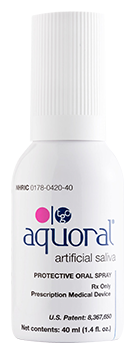
In clinical studies:
- 73% of patients found chewing easier
- 65% reported swallowing improved
- Relief typically lasted 4–6 hours after just 2 sprays
That longer relief means fewer applications throughout the day, making meals, conversations, and daily life more comfortable again—an important benefit for those managing diabetes.
If your mouth feels dry often and you live with diabetes, don’t brush it off. Bring it up at your next appointment. Your provider may suggest trying Aquoral spray, which is available by prescription.