
What to do About Dry Mouth
- Dry mouth, or xerostomia, occurs when your mouth does not produce enough saliva, leading to discomfort and increased oral health risks.
- Common causes include medications, medical conditions, and certain treatments like chemotherapy or radiation.
- Simple management includes drinking water, chewing sugarless gum, and avoiding alcohol and caffeine.
- Over-the-counter and prescription products, including sprays, lozenges, and medications like Salagen or Aquoral, offer additional relief.
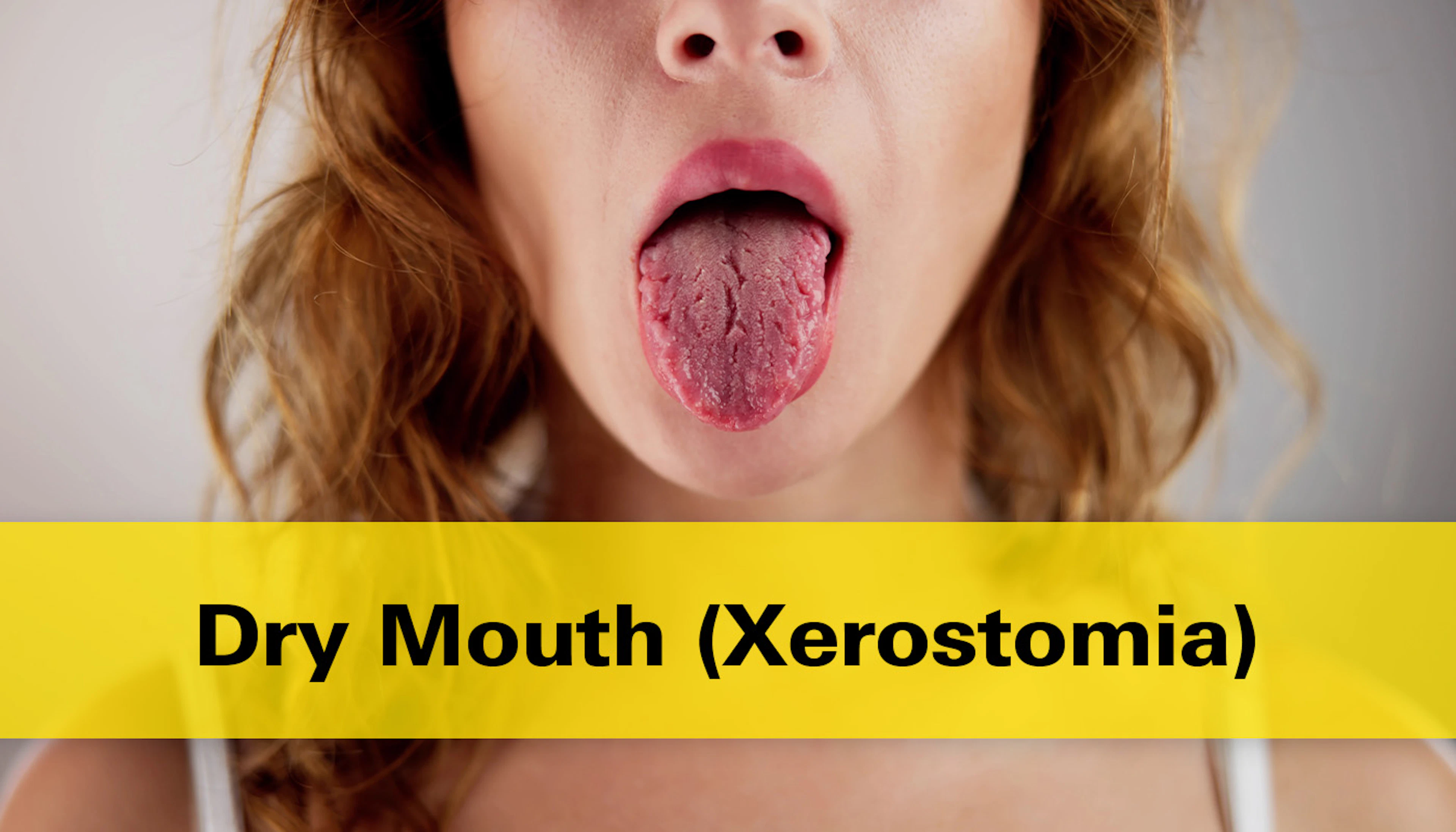
Dry mouth, or xerostomia (zeer-oh-STOH-mee-ah), happens when your mouth doesn’t produce enough saliva to stay moist. Saliva is essential for a healthy and comfortable mouth. It helps clean your mouth, moistens and softens food, and makes swallowing and digestion easier.
When saliva is lacking, the effects go beyond discomfort. You might notice a dry, sticky feeling, trouble speaking or swallowing, or a change in how things taste. Bad breath is common. Over time, dry mouth can lead to more serious oral health issues like cavities, gum disease, and mouth sores.
What Causes Dry Mouth?
Dry mouth can occur for many reasons. Most often, dry mouth is transient and caused by temporary factors such as nervousness, cigarette smoking, or thirst.
In other situations, dry mouth may be caused by longer lasting factors. Longer-lasting dry mouth is most often caused at least in part by medications that decrease the production of saliva in your mouth.
Medications
- Antihistamines (for allergies)
- Antidepressants
- Bladder-control medications
- Blood pressure medications
Medical Conditions
Medical Treatments
- Chemotherapy
- Radiation therapy, especially to the head or neck
- Immunotherapy
How to Manage Dry Mouth
Managing dry mouth starts with understanding what’s causing it. The right approach depends on whether your symptoms are temporary or ongoing.
Simple Strategies
One of the easiest and most effective strategies is to drink more water. Taking small, frequent sips throughout the day can help keep your mouth moist and comfortable.
Stimulate saliva naturally: Chewing sugar-free gum or sucking on sugar-free hard candies can encourage your mouth to produce more saliva. Look for products with xylitol, a sweetener that also supports oral health.
Avoid triggers: Certain foods and drinks can make dry mouth worse. Try to limit or avoid:
- Alcohol
- Caffeinated beverages (like coffee, tea, and soda)
- Acidic or spicy foods
Products for Dry Mouth
If lifestyle changes aren’t enough, there are many over-the-counter (OTC) and prescription products designed to relieve dry mouth and protect your oral health.
Over-the-Counter (OTC) Options
OTC products are widely available and come in various forms (sprays, lozenges, gums, and melts), so you can choose what works best for your routine. Many contain xylitol or other ingredients that help stimulate saliva or coat the mouth for longer-lasting relief.
- Biotene Moisturizing Mouth Spray
- Xylimelts Dry Mouth Melts
- Act Dry Mouth Lozenges
- Cotton Mouth Dry Mouth Melts
Prescription Options
When OTC remedies aren’t enough, your healthcare provider may recommend prescription treatments.
| Salagen (pilocarpine) | |
|---|---|
| What it is | Oral tablets that stimulates saliva production |
| Who it’s for | Dry mouth caused by radiation therapy or Sjögren’s syndrome |
| Who should avoid it | Not suitable for individuals with uncontrolled asthma or certain eye conditions like acute iritis or closed-angle glaucoma |
| Side effects | Sweating, blurred vision, nausea, flushing, chills |
| Evoxac (cevimeline) | |
|---|---|
| What it is | Oral capsules that works similarly to Salagen |
| Who it’s for | Approved for treating dry mouth caused by Sjögren’s syndrome |
| Who should avoid it | Not recommended for those with uncontrolled asthma or specific eye conditions |
| Side effects | Excessive sweating, nausea, nasal irritation, increased saliva |
| Aquoral Spray | |
|---|---|
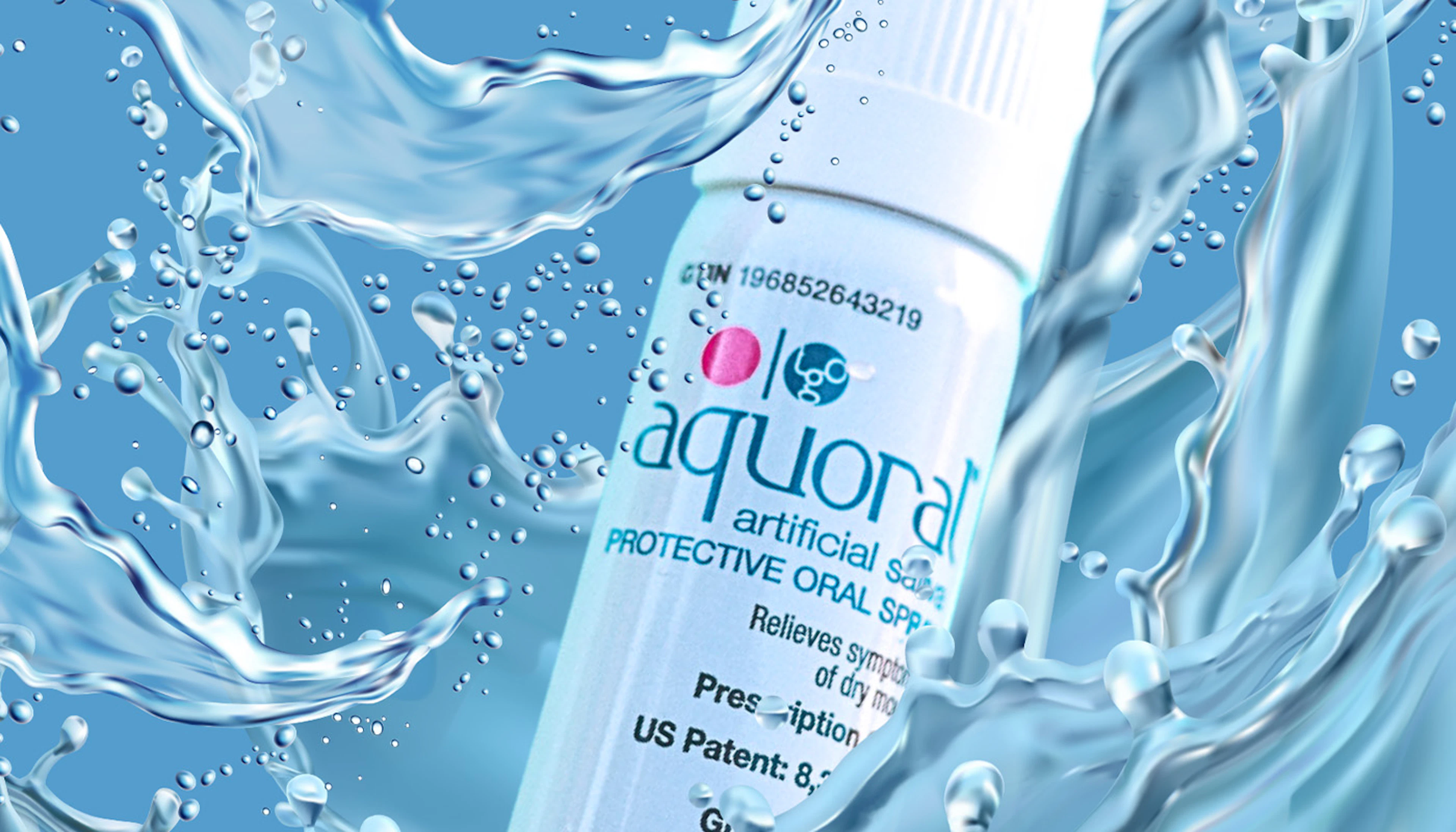
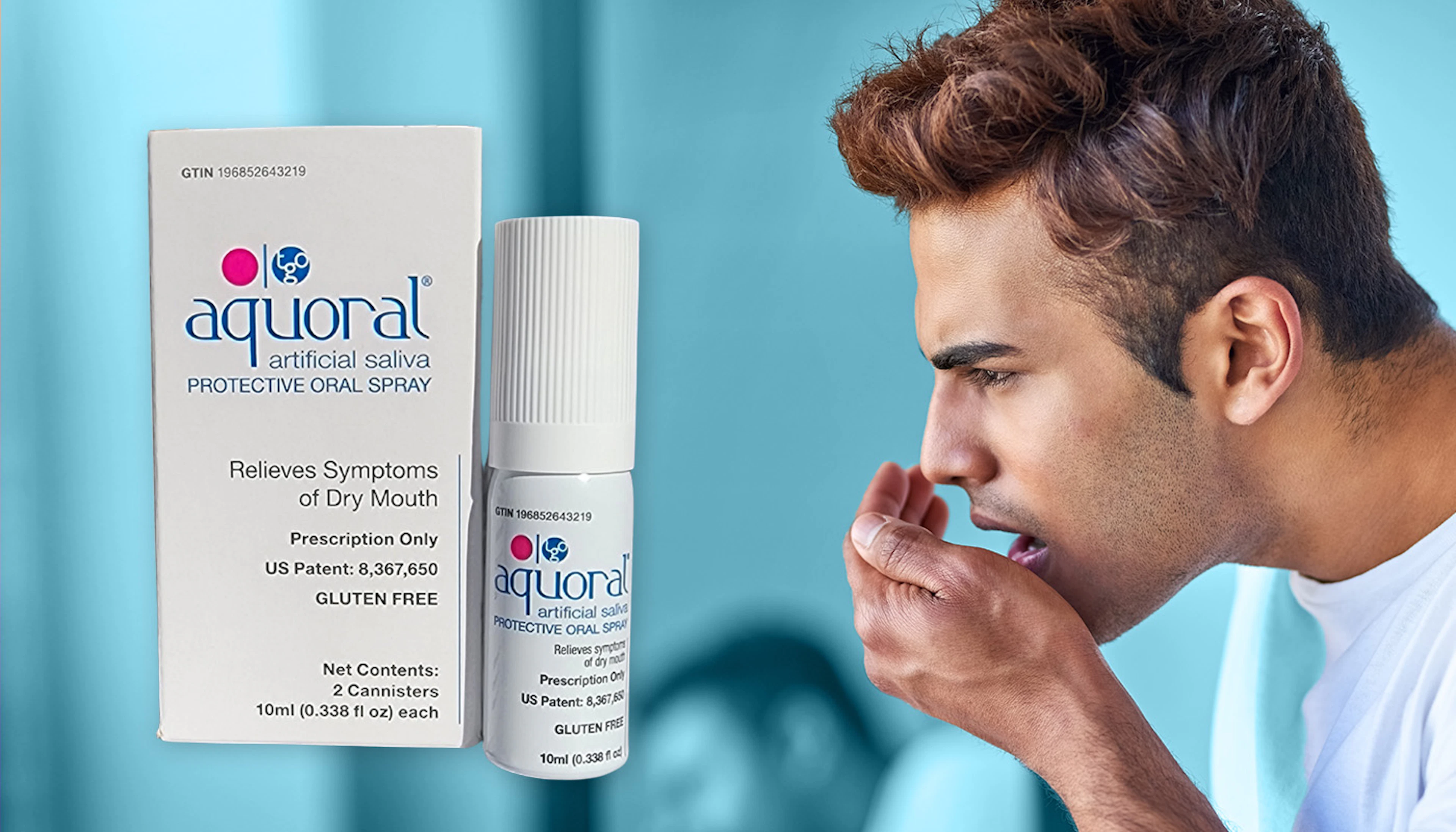
| What it is | Oil-based mouth spray that mimics natural saliva. Unlike water-based sprays, it sticks to the mouth longer for extended relief |
| Who it’s for | People with long-term dry mouth from illness, medications, or treatments |
| Who should avoid it | No known contraindications |
| Side effects | Mouth irritation, altered taste, changes in speech |
When to Seek Medical Attention
If you’re dealing with persistent dry mouth, don’t ignore it, talk to a healthcare provider, especially your dentist. Dentists are often the first to spot signs of dry mouth and its effects on your oral health.
During an exam, your dentist will check for symptoms like a dry, rough tongue or cheeks that appear dull instead of smooth and shiny. They’ll also look for complications linked to dry mouth, such as cavities, gum disease, or mouth sores.
If your dentist suspects an underlying medical issue or if your symptoms are severe, they may refer you to a physician or specialist for further evaluation. This could involve reviewing your medications, testing your saliva production, or checking for conditions like Sjögren’s syndrome or diabetes.
Don’t wait, if dry mouth is affecting your comfort, speech, eating, or dental health, it’s time to get it checked out. Early intervention can prevent more serious problems down the road.
References:
- Talha B, Swarnkar SA. Xerostomia. [Updated 2023 Mar 24]. In: StatPearls [Internet]. Treasure Island (FL): StatPearls Publishing; 2025 Jan-. Available from: https://www.ncbi.nlm.nih.gov/books/NBK545287/
- Dry Mouth (Xerostomia). (2023, September 15). Cleveland Clinic. Retrieved May 10, 2025, from https://my.clevelandclinic.org
- Dry Mouth. (2024, October). National Institute of Dental and Craniofacial Research. Retrieved May 10, 2025, from https://www.nidcr.nih.gov
- SALAGEN® Tablets (pilocarpine hydrochloride). Food and Drug Administration. (1994; Revised 04/2003). Retrieved May 10, 2025, from https://www.accessdata.fda.gov
- EVOXAC™ Capsules (cevimeline hydrochloride). Food and Drug Administration. (01/2000). Retrieved May 10, 2025, from https://www.accessdata.fda.gov
- Aquoral artificial saliva. K Pharmaceuticals, LLC 5080 N. (n.d.) Retrieved May 10, 2025, from https://aquoralspray.com