
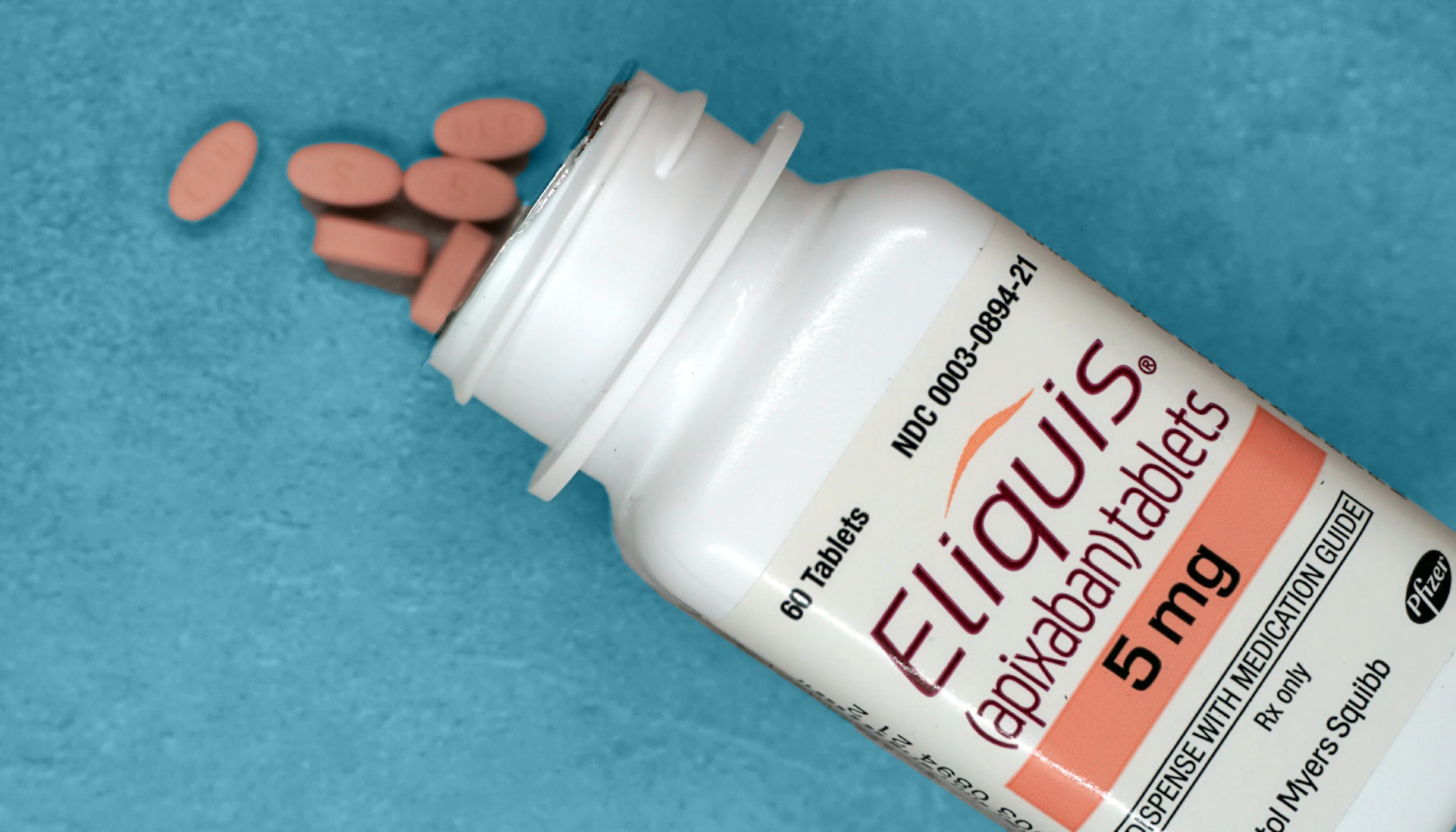


Is Eliquis Safe? What You Should Know About Bleeding Risks
- Eliquis (apixaban) is a direct oral anticoagulant (DOAC) that helps prevent dangerous blood clots.
- Commonly prescribed to reduce stroke risk in certain AFib patients, treat existing blood clots (DVT/PE), prevent recurrent clots, and prevent clots after some surgeries.
- It's easier to manage and requires less blood monitoring than older blood thinners.
- Generic versions are not expected until at least 2026. Generic dabigatran (Pradaxa) is a potential, more affordable alternative DOAC to discuss with your doctor.
- Medicare Part D patients may see lower out-of-pocket costs starting in 2025 (spending cap, payment spreading) and potential price negotiation in 2026.
In the United States, over 6 million adults live with atrial fibrillation, and hundreds of thousands more experience blood clots annually. For many of these individuals, direct oral anticoagulants (DOACs) are used to prevent life-threatening complications like stroke.
Eliquis (apixaban) has become a leading DOAC, with over 14 million prescriptions in 2023. Its popularity due to its easy of use, predictable action, and reduced need for regular blood tests compared to older blood thinners.
However, the risk of bleeding is a natural concern for anyone taking anticoagulants long-term, including Eliquis. Additionally, the lack of a generic alternative for Eliquis contributes to affordability challenges for many individuals.
Eliquis: How it Prevents Dangerous Blood Clots
Eliquis is the brand name for apixaban, a medication that helps prevent dangerous blood clots from forming or worsening. It belongs to a class of drugs known as direct oral anticoagulants, or DOACs. Often favored over older blood thinners, DOACs like Eliquis offer easier management and eliminate the need for routine blood monitoring.
How It Works
Eliquis works by blocking factor Xa, a crucial protein in your blood that plays a key role in the clotting process. By inhibiting factor Xa, Eliquis effectively slows down the rate at which blood clots can form.
Uses
Eliquis is prescribed for patients at risk of serious complications from blood clots. Doctors may recommend Eliquis for:
- Reducing Stroke Risk in Atrial Fibrillation (AFib): Specifically for AFib not caused by heart valve problems.
- Treating Existing Blood Clots: Including deep vein thrombosis (DVT) in the legs and pulmonary embolism (PE) in the lungs.
- Preventing Recurrent Clots: After initial treatment for DVT or PE.
- Preventing Post-Surgical Clots: Following certain surgeries like hip or knee replacements, where the risk of blood clots is elevated.
Dosage, Timing, and Important Considerations
Eliquis comes as a tablet and is typically prescribed to be taken twice daily—once in the morning and once in the evening. It's available in 2.5 mg and 5 mg dosages, and your doctor will prescribe the strength that's right for you based on your condition.
How to Take Eliquis
You can take Eliquis with or without food, but it's crucial to take it at the same times every day. This consistency helps maintain a steady level of the medication in your body, reducing the risk of clots or bleeding.
Warning: Do Not Stop Abruptly
Never stop taking Eliquis on your own, even if you feel well. Suddenly stopping can increase your risk of developing a serious blood clot, particularly if you have atrial fibrillation or a history of deep vein thrombosis (DVT) or pulmonary embolism (PE).
If you need to stop or switch to another blood thinner, your doctor will provide guidance on how to do so safely and in the appropriate sequence to minimize any risks.
Safety Profile
Eliquis is a blood thinner. And all blood thinners carry the riks of bleeding.
Common Side Effects (Mild)
These side effects may appear early in treatment and are often signs that Eliquis is working by slowing your body's ability to form clots:
- Easy bruising
- Nosebleeds
- Bleeding gums
- Minor cuts that take longer to stop bleeding
If these issues are occasional and manageable, they are usually not dangerous. However, if they become frequent or worsen, contact your doctor.
Bleeding That Needs Medical Attention
Some bleeding may not be easily visible but is still important to recognize. Contact your healthcare provider if you experience any of the following:
- Pink, red, or brown urine
- Black or tar-colored stools
- Bright red bleeding from the rectum
- Unusually heavy menstrual bleeding
- Ongoing fatigue, dizziness, or shortness of breath (which could indicate slow, hidden blood loss)
Serious Side Effects (Require Immediate Action)
Seek medical attention immediately if you experience any of the following, as they may be signs of severe bleeding or a possible blood clot:
- Sudden numbness, weakness, trouble speaking, or confusion
- Chest pain, trouble breathing, or a racing heart
- Vomiting blood or material that looks like coffee grounds
- Fainting, severe dizziness, or passing out
- Pain, tingling, weakness in your legs, or trouble urinating after a spinal procedure
If you fall and hit your head while taking Eliquis, go to the emergency room immediately to rule out internal bleeding, especially in your brain.
Precautions
Before starting anything new, even vitamins or herbal supplements, check with your healthcare team. Inform them about all the medications you're taking to avoid unwanted interactions and ensure Eliquis is working effectively.
Medication and Supplement Interactions
Eliquis can interact with many other medications and supplements. These interactions can either increase your risk of bleeding or reduce how well Eliquis prevents blood clots.
Medications That May Increase Bleeding Risk
- Aspirin and NSAIDs (ibuprofen or naproxen)
- Other blood thinners: warfarin (Coumadin), enoxaparin (Lovenox)
- Certain antidepressants: fluoxetine (Prozac), sertraline (Zoloft)
- Heart medications: diltiazem (Cardizem)
- Certain antifungals: ketoconazole, itraconazole
- HIV and antiviral treatments: ritonavir (Norvir), Paxlovid
In many cases, these combinations can still be used safely, but your doctor may need to adjust your Eliquis dose or monitor you more closely for any signs of bleeding.
Medications That May Lower Eliquis Effectiveness
The following medications can potentially reduce the levels of Eliquis in your body, making it less effective at preventing blood clots:
- Phenytoin and carbamazepine (used for seizures)
- Rifampin (an antibiotic)
- St. John’s wort
If you need to take any of these medications regularly, your doctor may choose a different blood thinner.
The Cost of Eliquis
As a brand-name medication the retail cost of Equilis remains high: around $600/month. Although generic versions of apixaban (the active ingredient in Eliquis) have been approved, they are not yet available to the public. Current estimates suggest that generic Eliquis won't be released until at least 2026.
Medicare Part D Changes
For patients with Medicare Part D, changes are on the way that could help lower overall prescription costs, including Eliquis. These changes are part of the Inflation Reduction Act passed in 2022.
- 2025: Lower Out-of-Pocket Cap: Starting in 2025, Medicare Part D patients will have an annual out-of-pocket spending limit of $2,000 for all prescriptions, a significant decrease from the 2024 limit of around $3,300.
- No More Costs After the Cap: Once this yearly cap is reached, patients will no longer have to pay for their prescriptions for the remainder of the year.
- Spreading Out Payments: A new option will also allow patients to spread their prescription costs into smaller, more manageable payments throughout the year.
Looking Ahead to 2026
In 2026, Medicare will begin negotiating prices for certain brand-name drugs without generic competition, and Eliquis is one of them. This will lead to a government-set Maximum Fair Price (MFP). However, it's important to note that the MFP is what the government will pay, and your individual cost at the pharmacy will still depend on your specific Medicare plan.
Exploring Affordable Alternatives Now:
If the cost of Eliquis is a concern, it's worth discussing alternative blood thinners with your doctor that offer similar protection against blood clots. One potential option is dabigatran (Pradaxa), another DOAC that works slightly differently but is available as a generic, potentially making it more affordable for some patients.
If cost is becoming a barrier, discuss it with your provider or pharmacist. There may be ways to keep your treatment on track without causing financial strain.
Talk to Your Doctor Before Making a Switch
To get the full benefit of Eliquis and your treatment plan, it’s crucial to take the medication exactly as prescribed.
If you have questions about side effects, missed doses, or upcoming procedures, consult your doctor before making any changes. Stopping or adjusting Eliquis on your own can increase your risk of serious complications. Your provider can help you stay safe while ensuring the medication continues to work effectively.
References:
- Centers for Medicare & Medicaid Services. Prescription drug law. Medicare.gov. https:// www.medicare.gov/about-us/prescription-drug-law
- Bristol-Myers Squibb. Eliquis Pricing Information. Eliquis.bmscustomerconnect.com. https://www.eliquis.bmscustomerconnect.com/price.

