
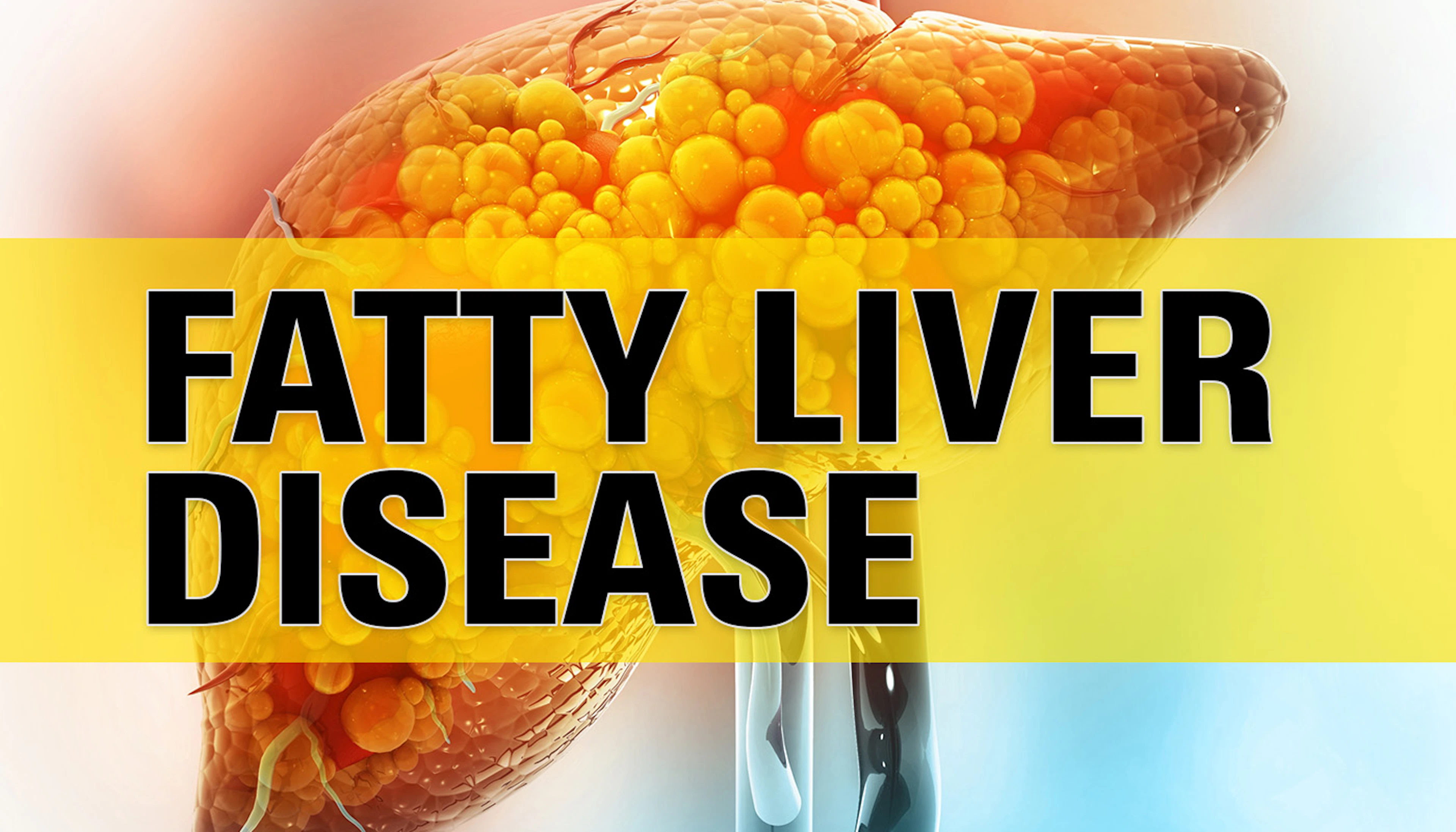


Fatty Liver Disease: Causes, Symptoms, and Treatment
Fatty liver disease is increasingly common, affecting a significant portion of the adult population in the United States—over 25%. It also impacts children, with prevalence rates ranging from 7% to 34%. This condition has important implications for overall health.
Your Liver: A Key Organ
Primary Functions: Your liver is crucial for metabolism, transforming nutrients into energy, managing blood sugar, and processing fats and proteins.
Detoxification and More: It detoxifies blood, synthesizes essential proteins, stores nutrients, and produces bile for digestion. The liver also regulates cholesterol, supports the immune system, and filters blood to eliminate waste and toxins.
What is Fatty Liver Disease and Its Causes?
Fatty liver disease, or hepatic steatosis, occurs when excess fat accumulates in the liver. This condition can worsen over time, potentially leading to liver inflammation, damage, and more severe forms like non-alcoholic steatohepatitis (NASH) or cirrhosis, where the liver becomes scarred.
There are two primary types of fatty liver disease:
Non-alcoholic Fatty Liver Disease (NAFLD): Predominant among individuals who consume minimal or no alcohol, NAFLD is often linked to obesity, type 2 diabetes, and high cholesterol. It varies from simple fatty liver, where fat build-up doesn't cause harm, to non-alcoholic steatohepatitis (NASH), which includes inflammation and can progress to cirrhosis or liver cancer.- Alcoholic Fatty Liver Disease: Caused by excessive alcohol intake, this condition leads to fat accumulation in the liver due to alcohol's harmful effects. It can escalate to more severe liver issues like alcoholic hepatitis and cirrhosis.
Signs and Symptoms of Fatty Liver Disease
Fatty liver disease often progresses without noticeable symptoms in its early stages. As the condition advances, the following signs and symptoms may appear:
- Nausea, Appetite Loss, and Weight Changes: Some individuals might experience nausea, a decrease in appetite, or unexplained weight loss.
- Fatigue: A common symptom is feeling consistently tired or experiencing extreme fatigue.
- Fluid Accumulation: This includes ascites (fluid buildup in the abdomen) and edema (fluid accumulation in the legs).
- Abdominal Discomfort: Discomfort or pain in the upper right area of the abdomen is a possible symptom.
- Jaundice: The whites of the eyes or skin may develop a yellowish tint, indicating jaundice.
- General Weakness: A feeling of overall weakness or malaise can occur.
- Enlarged Liver: In some cases, a physical examination may reveal an enlarged liver.
It's important to remember that these symptoms are not exclusive to fatty liver disease and can indicate various health issues. Also, many individuals with fatty liver disease may not exhibit any noticeable symptoms.
Risk Factors for Fatty Liver Disease
Fatty liver disease is associated with several risk factors, including:
- Body Weight: Particularly having excess abdominal fat or a body mass index (BMI) over 25.
- Type 2 Diabetes: Increases the risk of developing fatty liver disease.
- High Blood Pressure: Also known as hypertension, contributes to the risk.
- Diet: A diet high in sugar and fat is a significant risk factor.
- Alcohol Consumption: Heavy drinking increases the likelihood of developing fatty liver disease.
- Genetics: A family history can predispose individuals to this condition.
- Age: It is more common in individuals aged 40 and above.
- Gender: Men are generally at a higher risk than women.
Awareness of these risk factors is crucial. Reducing the risk of fatty liver disease often involves lifestyle changes, such as weight management, adopting a balanced diet, and regular physical activity.
Diagnosing Fatty Liver Disease
Diagnosing fatty liver disease can be challenging due to its often symptomless nature. The diagnosis usually involves a combination of methods:
- Medical History: Doctors evaluate your medical history, considering risk factors, symptoms, and lifestyle.
- Physical Exam: A physical examination may reveal signs like an enlarged liver.
- Blood Tests: These assess liver health by measuring liver enzymes. High levels can indicate inflammation or damage.
- Imaging Tests: A diet high in sugar and fat is a significant risk factor.
- Liver Biopsy: This confirms the diagnosis and evaluates liver damage by examining a tissue sample.
Preventing Fatty Liver Disease
The key to safeguarding your liver health begins with maintaining a healthy body weight. Incorporating a balanced diet, rich in fruits, vegetables, whole grains, and lean proteins, is essential. Equally important is reducing your intake of sugars, saturated fats, and processed foods.
Alcohol consumption should be approached with caution, as excessive alcohol can lead to alcoholic fatty liver disease. If you're a diabetic, manage your condition diligently, in consultation with your healthcare provider. Proper diabetes management significantly lowers the risk of fatty liver disease.
Hydration plays a important role in maintaining liver health and overall health. Addressing underlying health conditions, such as high cholesterol, is also vital in preventing fatty liver disease.
Finally, regular check-ups with your healthcare provider are essential. These visits are key in monitoring your liver health and catching any potential issues early on.

