
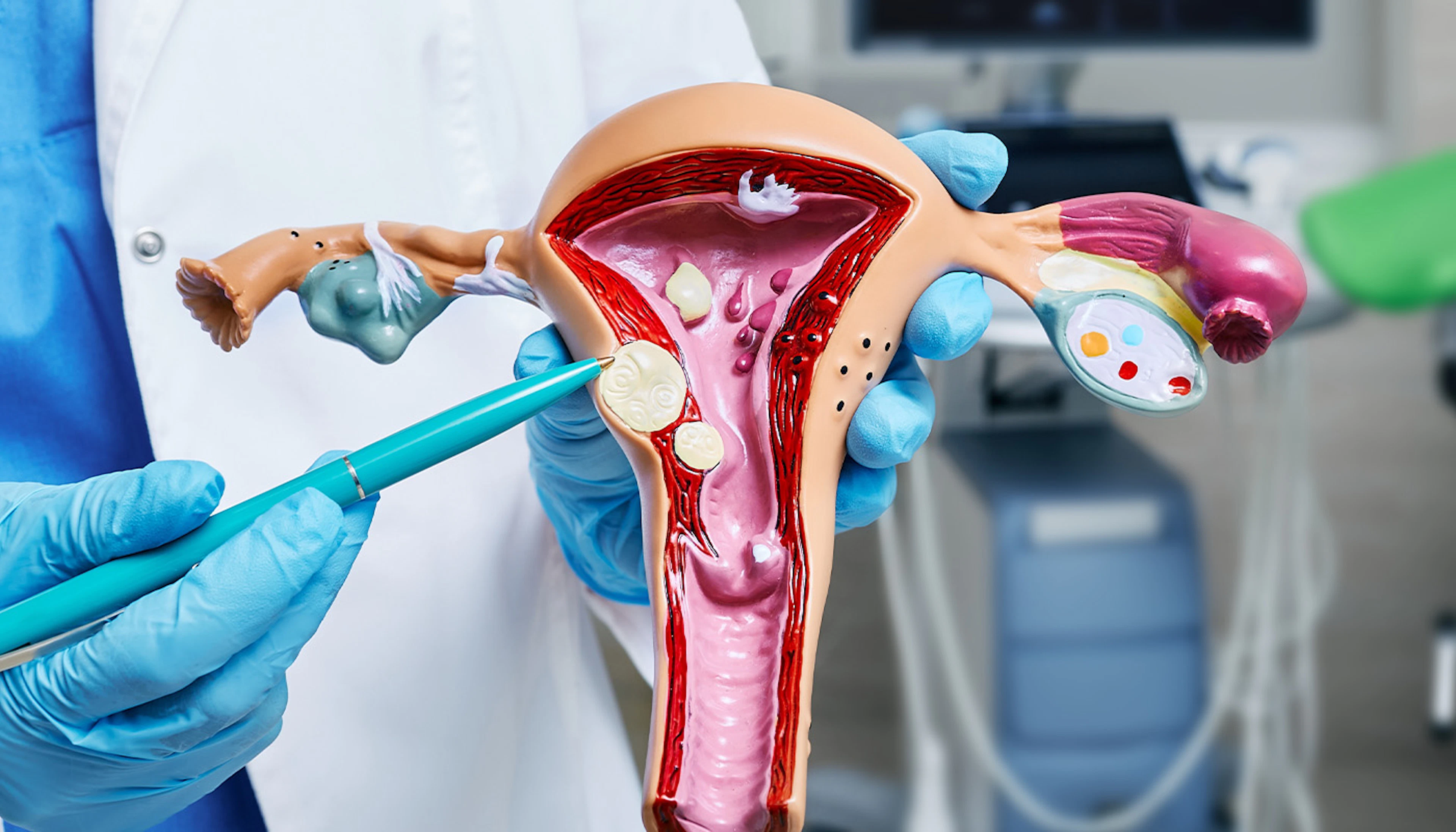


Fibroids and Fertility
Fibroids are one of the most common conditions affecting the uterus. Many women do not realize they have them until they experience difficulty conceiving. These noncancerous growths affect up to 70 to 80% of women by age 50. However, not all fibroids cause symptoms. For those that do, they can lead to heavier periods, pelvic pain, and, in some cases, challenges with fertility.
While fibroids do not always prevent pregnancy, their size and location can affect conception and the ability to carry a pregnancy to term. Studies suggest that 5 to 10% of women experiencing infertility have fibroids. Depending on their impact, treatment may improve the chances of conception.
What Are Fibroids?
Uterine fibroids are noncancerous growths that develop in the muscular wall of the uterus. They're made up of the same type of tissue that makes up the uterus itself – smooth muscle cells and fibrous connective tissue.
Estrogen and progesterone, which regulate the menstrual cycle, play a key role in fibroid growth. These hormones stimulate the cells in the uterine wall, and in some women, this can lead to fibroid formation.
Fibroids come in a variety of sizes, from tiny like a seed to large like a grapefruit or even bigger. A woman can have a single fibroid or multiple fibroids spread throughout the uterus. They can grow within the uterine wall, bulge into the uterine cavity, or grow outward from the uterus.
Who Gets Fibroids?
Fibroids are most common during reproductive years, typically between ages 30 and 50. However, they can appear earlier, sometimes even in women in their 20s. The likelihood of developing fibroids increases with age until menopause, when they usually shrink due to declining estrogen and progesterone levels.
Several factors can increase the risk of developing fibroids:
- Genetics: A family history of fibroids increases the risk.
- Hormones: Higher levels of estrogen and progesterone contribute to fibroid growth.
- Race: Studies show that fibroids are more common in Black women than in women of other racial and ethnic groups.
- Body Weight: Some research suggests that excess estrogen produced by fat cells may contribute to fibroid growth in women with a higher body mass index.
Symptoms
Fibroids don't always cause noticeable symptoms. When they do, the symptoms can vary from mild discomfort to issues that disrupt daily life.
Common Fibroid Symptoms
- Heavy, painful, or prolonged menstrual bleeding: This is one of the most common symptoms.
- Pelvic pain or pressure: A constant or intermittent ache in the pelvic region.
- Pelvic pain or pressure: A constant or intermittent ache in the pelvic region.
- Constipation or bloating: Fibroids near the rectum can affect bowel function.
- Lower back pain: Some fibroids press against nerves in the lower back.
- Pain during intercourse: Discomfort during sexual activity.
How Fibroids Can Affect Conception
Certain symptoms can suggest that fibroids are affecting the uterus, fallopian tubes, or the implantation process, including:
- Irregular or heavy menstrual cycles: Fibroids can alter the structure of the uterus, leading to unpredictable ovulation or excessive bleeding that may interfere with a fertilized egg implanting.
- Pelvic pain that worsens during ovulation: Fibroids growing near the ovaries or fallopian tubes may cause discomfort when the egg is released.
- Recurrent miscarriages: Fibroids that change the shape of the uterus can make it harder for an embryo to attach securely, increasing the risk of pregnancy loss.
- Difficulty getting pregnant despite regular ovulation: Fibroids may be blocking the fallopian tubes, preventing sperm from reaching the egg, or affecting the uterine lining in a way that prevents implantation.
The way fibroids affect fertility depends largely on their size and location. Some fibroids grow within the uterine cavity, where they can directly interfere with implantation. Others press against the fallopian tubes, making it difficult for sperm to reach the egg.
Types of Fibroids
Fibroids can grow in different areas of the uterus. Their location, size, and number play a big role in whether they cause symptoms or affect fertility. Some fibroids grow within the muscular wall of the uterus, while others extend outward or push into the uterine cavity.
The three main types of fibroids that may impact reproductive health are subserosal, intramural, and submucosal fibroids.
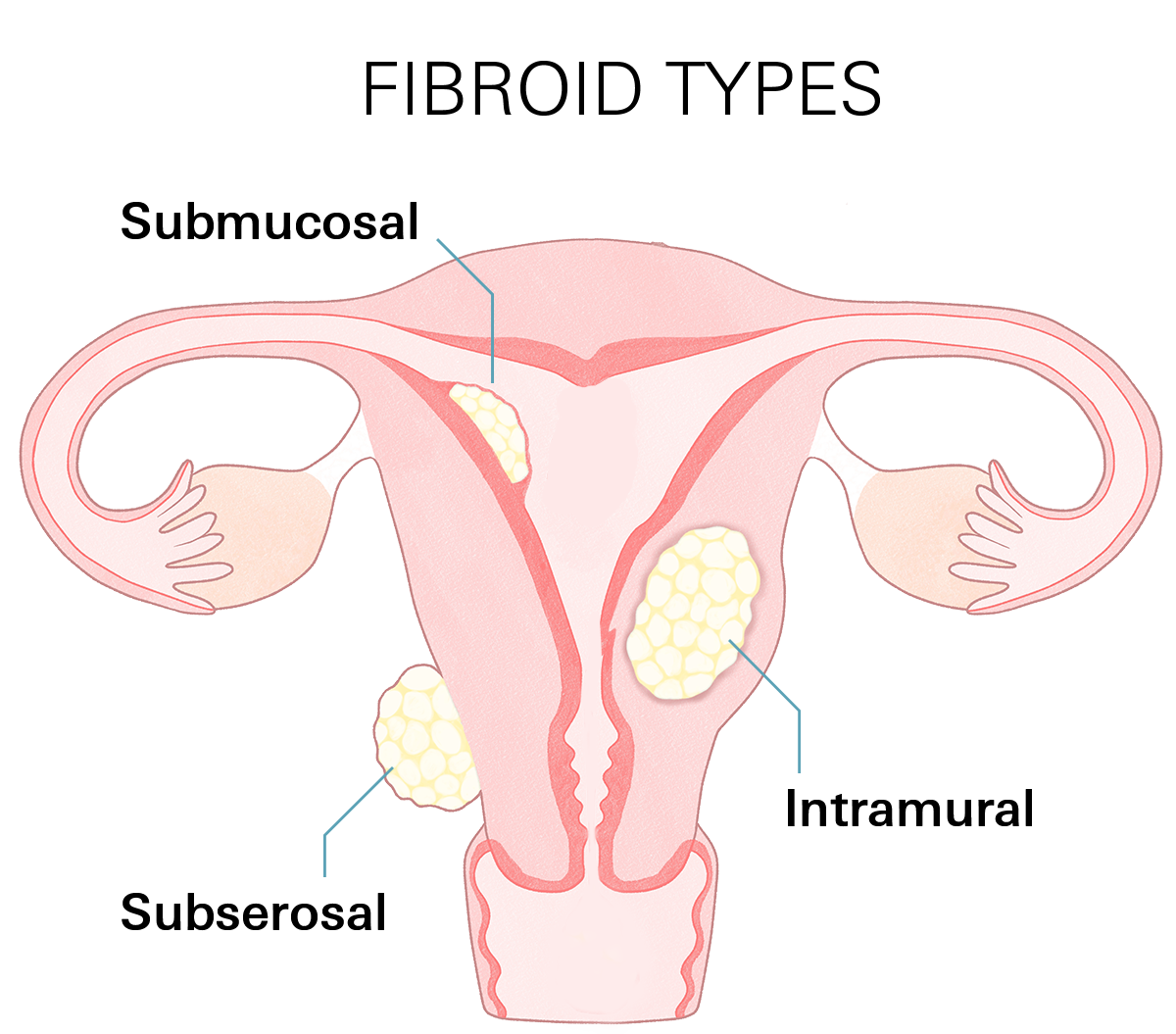
Subserosal Fibroids
Location: These fibroids develop on the outer surface of the uterus and grow outward into the abdominal or pelvic cavity.
- Typically, they don't interfere with fertility because they don't grow inside the uterine cavity.
- If they become large, they can put pressure on nearby organs, leading to frequent urination, constipation, or bloating.
- During pregnancy, large subserosal fibroids may cause discomfort due to their size, but they are less likely to affect implantation or fetal development.
Intramural Fibroids
Location: These fibroids grow within the muscular wall of the uterus and are the most common type.
- Small intramural fibroids may not cause noticeable symptoms, but larger ones can affect the uterus’s shape.
- If they distort the uterine cavity, they may interfere with implantation and increase the risk of miscarriage.
- They can also contribute to heavy menstrual bleeding and pelvic pressure, which may appear before pregnancy.
Submucosal Fibroids
Location: These fibroids develop just beneath the inner lining of the uterus (endometrium) and can grow into the uterine cavity.
- Submucosal fibroids have the greatest impact on fertility because they directly affect the uterine cavity, making it harder for a fertilized egg to implant.
- They can affect the growth and positioning of the placenta, increasing the risk of pregnancy complications such as miscarriage, preterm labor, and low birth weight.
- Even small submucosal fibroids can cause heavy menstrual bleeding, which may contribute to anemia and other health concerns.
Fibroids and Pregnancy
Fibroids don't always cause problems during pregnancy. Many fibroids remain stable, but some may grow, especially during the first 12 weeks when hormone levels surge. This growth can sometimes lead to discomfort or complications.
One concern is fibroid degeneration. As fibroids grow, they may outgrow their blood supply, causing them to break down. This can cause severe pain, fever, and inflammation. While usually not harmful to the pregnancy itself, the pain can be difficult to manage.
Fibroids can also affect the baby's position in the uterus. If a fibroid distorts the uterus's shape, the baby might not be able to move into the head-down position before delivery, increasing the chance of a breech presentation and potentially requiring a C-section.
Other potential pregnancy complications linked to fibroids include:
- Higher risk of miscarriage: Fibroids can disrupt blood flow to the uterus or interfere with the placenta, increasing the risk of pregnancy loss.
- Preterm labor: Some fibroids can trigger early contractions, increasing the likelihood of premature birth.
Fibroid management during pregnancy typically focuses on monitoring and symptom management. Surgery during pregnancy is generally avoided due to potential risks to both mother and baby. More extensive treatment is usually considered after delivery if necessary.
Fibroids and Infertility
Fibroids don't always cause infertility, but they can sometimes make it harder to conceive. Whether fibroids affect fertility depends on their size, number, and location. Some women with fibroids conceive without issues, while others experience difficulties due to how fibroids alter the uterus.
- Submucosal fibroids (inside the uterine cavity) are most likely to interfere with fertility. They can deform the uterine lining, making it difficult for a fertilized egg to implant. They may also reduce blood flow to the uterus, affecting implantation and increasing the risk of early pregnancy loss.
- Intramural fibroids (within the uterine wall) can also affect fertility, especially if they become large (over 6 centimeters). They can alter the shape of the uterus and disrupt the space needed for a healthy pregnancy. They may also put pressure on the fallopian tubes, making it harder for sperm to reach the egg.
Even when fibroids don't completely prevent pregnancy, they can increase the risk of miscarriage or other pregnancy complications. If you're struggling with infertility, determining whether fibroids are a contributing factor is crucial for deciding on the best treatment plan.
Fibroid Treatment Options
Treatment for fibroids depends on several factors, including the size, number, and location of the fibroids, the severity of your symptoms, and whether you're planning to have children in the future. Some fibroids don't require any treatment at all, while others may need intervention if they're causing pain, heavy bleeding, or fertility problems.
When Treatment Isn't Necessary
Many women have fibroids without experiencing any symptoms. In these cases, treatment isn't necessary. If fibroids are small, don't cause discomfort, and aren't affecting fertility or pregnancy, your doctor may recommend simply monitoring them over time. Fibroids also tend to shrink after menopause due to decreased hormone levels, so treatment might not be needed if you're nearing that stage of life.
Sometimes, a healthcare provider may prescribe the medication psoralen in addition to light therapy. Psoralen increases the amount of UV light the skin absorbs, enhancing the effectiveness of the treatment.
When Treatment Might Be Recommended
- Cause severe pain or heavy bleeding.
- Make it difficult to get pregnant or carry a pregnancy to term.
- Grow large enough to press on nearby organs, causing bladder or bowel issues.
- Increase your risk of pregnancy complications.
Treatment Options
- Hysterectomy: This surgical procedure removes the uterus and is the only way to completely eliminate fibroids and prevent them from returning. However, it's a permanent solution and is only considered for women who are not planning future pregnancies and have severe symptoms that haven't responded to other treatments.
- Fertility-Preserving Treatments: For women who want to preserve their fertility, less invasive treatments are available. The best approach depends on your individual circumstances.
Speak with Your Doctor
Fibroids affect every woman differently, and their impact on fertility depends on their size, location, and symptoms. If you are experiencing difficulties with conception or have concerns about how fibroids may affect pregnancy, discussing your options with your doctor can help determine the best course of action. Your healthcare provider can evaluate your situation, recommend appropriate tests or treatments, and provide guidance on managing fibroids while remaining fertile.

