
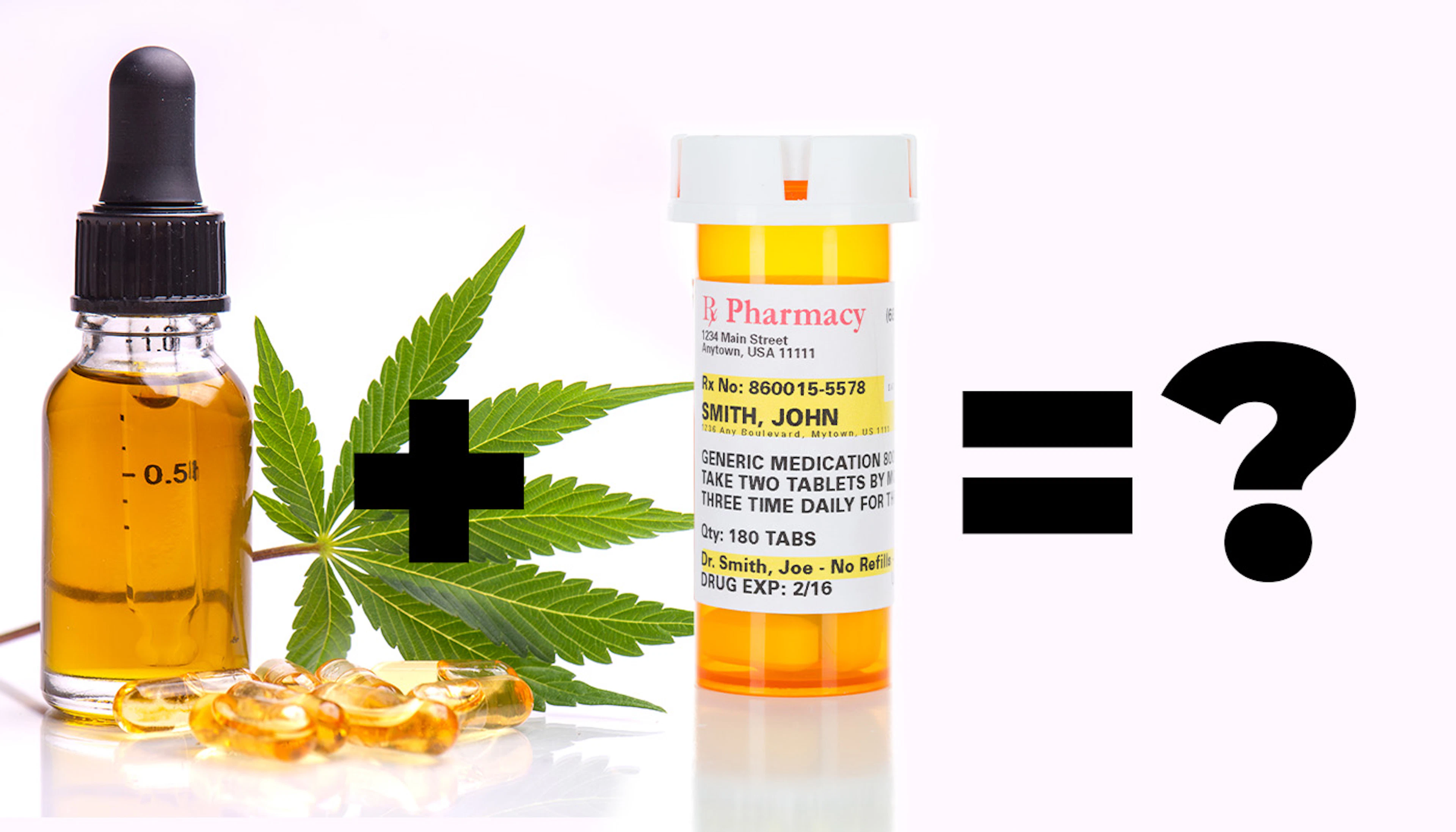


Is It Safe to Take CBD With Other Medications
- CBD is processed in the liver by the same enzymes (CYP450) that metabolize many prescription drugs.
- CBD can interfere with these enzymes, altering the breakdown of other medications. This interference can lead to:
- Higher-than-expected drug levels, increasing the risk of side effects.
- Lower-than-expected drug levels, reducing the medication's effectiveness.
- Common medications with potential interactions include anti-seizure drugs, antidepressants, anti-anxiety medications, opioids, blood thinners, immunosuppressants, cholesterol-lowering drugs, stomach acid reducers, and certain antibiotics and antifungals.
- Individual responses to CBD and medication interactions can vary.
Thinking about trying CBD while taking medication? It's important to understand how they might interact. While CBD itself isn't usually the issue, the way your body processes it can affect how other drugs work.
Both CBD and certain medications can use the same pathways in your liver. When taken together, they can compete, potentially leading to too much or too little of your medication in your system—and that can have real consequences for your health. The FDA advises caution, emphasizing that some combinations are riskier than others, and medical guidance is always recommended.
How Your Body Processes Medications and CBD
CBD is a compound found in cannabis plants, but unlike THC, it won't get you "high." Often sourced from hemp (a cannabis variety with very little THC), CBD is gaining popularity for things like sleep issues, anxiety, and pain.
CBD interacts with your body in more ways than you might think. Like many medications, CBD is processed by enzymes in your liver. This is where potential issues can arise.
When you take medication or a supplement, your body needs to break it down through a process called metabolism. Most of this happens in your liver, which acts like a filter. It takes what you swallow, breaks it into smaller parts, and prepares it to leave your body through urine or stool.
Inside your liver, enzymes—natural proteins—speed up this process. One important group of enzymes involved in drug metabolism is called cytochrome P450 (CYP450). These enzymes are like tiny machines that help remove medications and other compounds from your system. Without them, substances could build up in your body and cause unwanted effects.
CBD is one of many substances that rely on this system to be broken down. But here's where it gets tricky: while CBD is being processed by these enzymes, it can also interfere with how they work. This means CBD can affect the breakdown of other medications, potentially leading to unexpected levels and effects.
What Could Happen if CBD Interacts with a Medication?
When CBD and medication meet in your body, their interaction can lead to two main scenarios:
- Your medication sticks around for too long or;
- It gets cleared out too quickly
Both of these changes can throw off how well your prescribed drugs work and how you feel.
Medication Levels Too High
If CBD causes a medication to linger in your system, it's like accidentally taking a higher dose. This might sound like a good thing, but it can actually amplify the drug's effects, potentially leading to stronger and unwanted side effects. In some cases, this could mean excessive drowsiness, dizziness, confusion, nausea, or changes in heart rate or blood pressure.
Medication Levels Too Low
On the other hand, if CBD speeds up the removal of a drug, it might not have enough time to do its job properly. This could mean your symptoms return or aren't as well-controlled as they should be. For conditions like epilepsy, high blood pressure, or preventing blood clots, even a small dip in medication effectiveness can have significant health consequences.
Timing and Dosage Matter
It's also important to realize that drug interactions aren't always immediate. Some develop gradually as your body gets used to having both CBD and the medication. Others might become more noticeable when you change the dose of either substance or start or stop taking one of them.
How You Take CBD Influences Interaction
The way CBD is taken can also affect how strong the interaction is. Oils and gummies that go into the bloodstream may have a greater effect on drug levels than creams or lotions. How often CBD is used also matters. Regular use may cause your liver to act differently than if it's only used once in a while.
This does not mean every person who takes CBD will run into problems, but it does mean that it is possible, especially when other medications are involved. Monitoring for side effects and discussing new symptoms with your doctor or pharmacist is important when CBD is added to any regular medication routine.
Which Medications Might Interact with CBD?
CBD is broken down in your liver by a group of enzymes that also process many prescription drugs. These enzymes, known as CYP450, play a major role in metabolizing medications so they can leave your body.
Some common medications and drug classes that may be affected include:
Anti-Seizure Medications
- Examples: Clobazam, Phenytoin
- Interaction: CBD can increase the levels of these drugs, potentially leading to increased side effects like drowsiness or confusion.
Antidepressants
- Example: Amitriptyline
- Interaction: CBD may interfere with the clearance of these drugs, increasing the risk of side effects such as dizziness, dry mouth, or mood changes.
Anti-Anxiety Medications
- Examples: Diazepam, Lorazepam
- Interaction: These medications are processed by the same liver enzymes as CBD. Combining them can prolong their effects and increase sedation.
Opioids
- Example: Morphine
- Interaction: CBD may enhance the effects of these pain medications, potentially increasing the risk of drowsiness, slowed breathing, or other adverse effects.
Blood Thinners
- Example: Warfarin
- Interaction: Even small changes in warfarin metabolism can increase the risk of bleeding. CBD may slow its breakdown, leading to elevated drug levels.
Immunosuppressants
- Example: Cyclosporine
- Interaction: These drugs, often used after transplants or for autoimmune conditions, may have increased levels in the body when combined with CBD, potentially intensifying side effects.
Cholesterol-Lowering Medications
- Examples: Atorvastatin, Simvastatin
- Interaction: CBD can elevate the concentration of these drugs in the bloodstream, which may increase the risk of muscle pain or liver problems.
Stomach Acid Reducers
- Example: Omeprazole
- Interaction: These medications may interact with CBD through shared metabolic pathways, potentially affecting their efficacy.
Certain Antibiotics and Antifungals
- Example: Clarithromycin, Ketoconazole
- Interaction: These drugs can also interact with CBD, potentially causing it to accumulate in the body and amplifying its effects.
Remember, the response can vary from one patient to another, depending on how your body handles medications and how much CBD is being used. Monitoring for side effects and discussing new symptoms with your doctor or pharmacist is important when CBD is added to any regular medication routine.
What to Do Before Taking CBD with Other Medications
Before adding CBD to your routine, especially if you take prescription medications, it’s important to speak with your doctor or pharmacist.
Your doctor can help you understand whether CBD might change how your current medications work. This is especially important if you take medications that require stable levels in your bloodstream. Even a small change in how your body processes these drugs could make a difference in how well they work or how they make you feel.
Pharmacists are also a valuable resource. They can check for possible interactions, explain how CBD might affect specific medications, and explain what to watch for if you decide to try it.
This gives your provider the chance to adjust your treatment plan if needed, helping reduce your risk of unwanted effects while keeping your medications working as intended.
References:
- Balachandran P, Elsohly M, Hill KP. Cannabidiol interactions with medications, illicit substances, and alcohol: a comprehensive review. J Gen Intern Med. 2021;36(7):2074–2084. doi:10.1007/s11606-020-06504-8.

