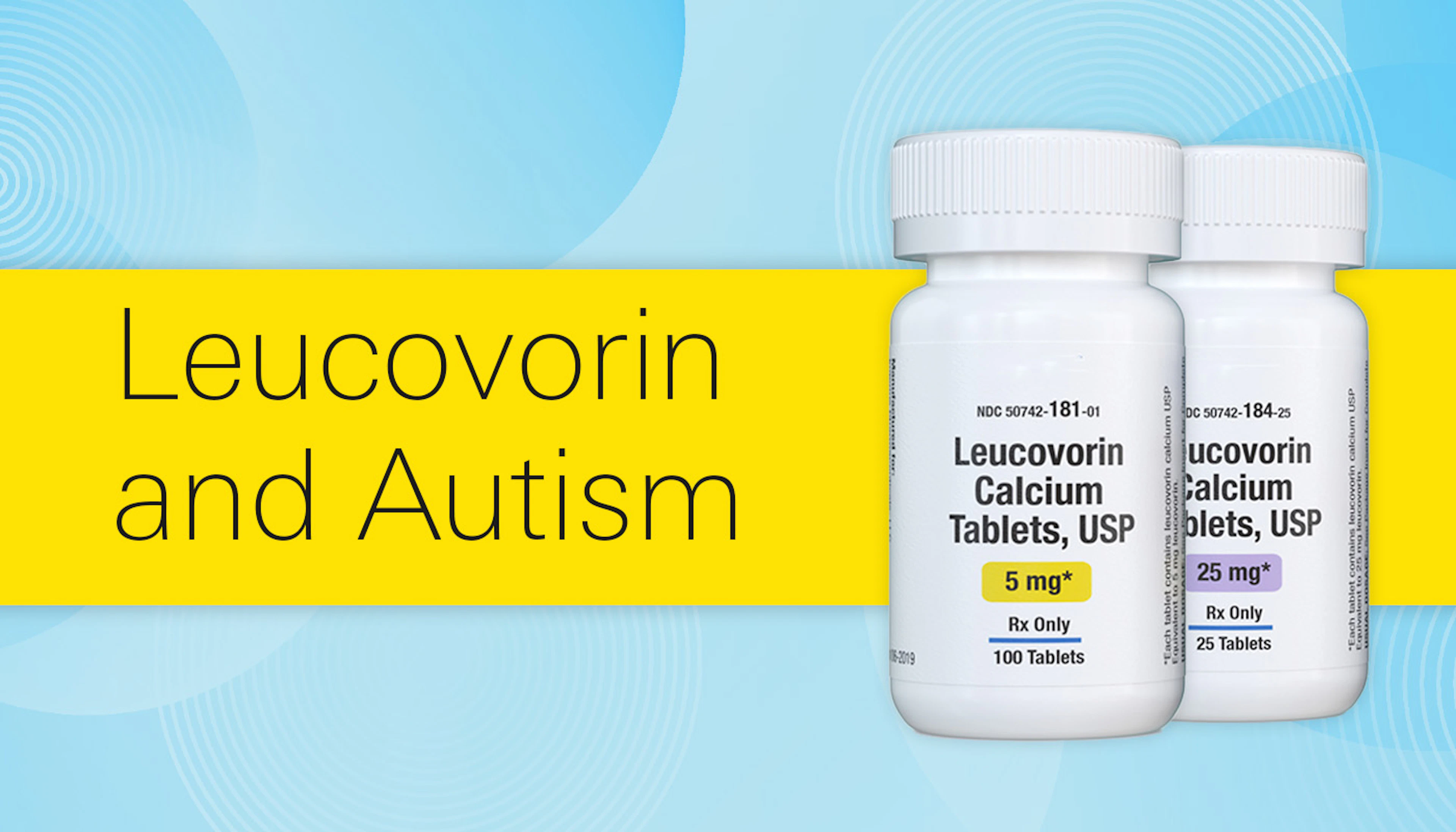


Leucovorin and Autism
- Leucovorin (folinic acid) is commonly used to reduce side effects of chemotherapy, enhance cancer treatment, and treat folate deficiency-related conditions.
- The FDA recently announced that it is working to expand Leucovorin’s use to include cerebral folate deficiency (CFD): a condition linked to autism-related symptoms.
- You can buy Leucovorin, 5 mg for $45.30/month at Marley Drug
- Cash price, free shipping
Buy Leucovorin
What is Leucovorin
Leucovorin (brand name Wellcovorin) is is a man-made version of folate (vitamin B9), a vitamin that helps your body make and repair DNA, and produce healthy cells. It’s especially important for the brain and nervous system.
For decades, leucovorin has been used as a "rescue" drug in cancer treatment, protecting healthy cells from chemotherapy's toxic effects. However, a significant shift is underway.
The FDA is now working to expand its use to treat cerebral folate deficiency, a neurological condition that has been linked to autism.
Recent FDA News on Leucovorin in Autism-Like Symptoms
In September 2025, the U.S. Food and Drug Administration (FDA) took action to expand the approved use of leucovorin calcium tablets to include treatment for cerebral folate deficiency (CFD): a condition that affects folate transport into the brain and is linked to autism-like symptoms such as:
- Social communication challenge
- Sensory processing issues
- Repetitive behaviors
- Seizures and motor coordination problems
However, the FDA emphasizes that more research is needed to confirm safety and effectiveness in broader autism populations.
Buy Leucovorin
Uses
Leucovorin is used in:
- Chemotherapy Rescue: It reduces the toxic effects of methotrexate, a chemotherapy drug that blocks folate
- Cancer Treatment: It enhances the effectiveness of fluorouracil (5-FU) in treating colorectal cancer
- Folate Deficiency: It treats certain types of anemia caused by folate deficiency
- Cerebral Folate Deficiency (CFD): Now being recognized for its role in treating CFD, especially in children with autism spectrum disorder (ASD) features.
Administration
Leucovorin is available in several forms:
- Tablets (5 mg to 25 mg)
- Injectable solutions (IV or IM)
- Powder for reconstitution
The form ande dose depend on condition:
- For methotrexate rescue: IV or IM every 6 hours for 10 doses
- For colorectal cancer: IV leucovorin is given with 5-FU
- For CFD/autism: Oral doses (e.g., 2 mg/kg/day) are often used, but dosing should be individualized by a specialist
Side Effects
Most people tolerate leucovorin well. When used alone, side effects are rare and may include:
- Allergic reactions (rash, itching, rarely anaphylaxis)
- Seizures (especially in children with a history of epilepsy)
When used in combination with other chemotherapy agents like 5-fluorouracil, it can increase the toxicity of the other drug, leading to more common and potentially severe side effects such as:
- Gastrointestinal issues, including stomatitis (inflammation of the mouth), diarrhea, and nausea
- Fatigue and malaise
Drug Interactions
Leucovorin can interact with other medications, which may require dose adjustments or careful monitoring.
- Methotrexate: It reduces toxicity but may interfere if not timed correctly.
- 5-Fluorouracil: Leucovorin enhances the effectiveness and toxicity of 5-FU.
- Anticonvulsants: Leucovorin may interact with drugs like phenobarbital and primidone, potentially increasing the frequency of seizures in some patients.
Leucovorin Cost
You can save on Leucovorin by ordering through Marley Drug online pharmacy. We price our medications based on what it costs us to buy them. This model cut out middlemen like insurance providers and passes savings directly to you. Shop online by clicking the button below.
Buy LeucovorinFinal Thought
Leucovorin’s recent FDA approval for treating cerebral folate deficiency with autism-related symptoms represents a meaningful step forward for families seeking new therapeutic options.
While research shows leucovorin can significantly improve verbal communication for some autistic children—especially those with folate receptor autoantibodies—experts caution that it is not a universal cure and should be used within a comprehensive, physician-guided care plan.
Early clinical evidence is promising, but further large-scale studies are needed to fully clarify which patients benefit most and how best to implement this therapy.