

Loose Skin After Weight Loss: Preventing Chafing, Rash and Odor in Skin Folds
Losing weight on a GLP-1, after surgery or through lifestyle changes can be transformative for your health. However, many people struggle with an unexpected challenge after weight loss because of loose skin.
Having extra loose skin after weight loss can create daily irritation that few people realize can cause problems. You might deal with raw and irritated patches of skin under a fold that stings in the shower, skin fold odor that appears by mid-afternoon or friction and chafing that makes walking unpleasant.
If you are experiencing these issues, you are not alone. Skin fold problems are common, treatable and do not mean you have failed on your weight loss journey. Caring for loose skin after weight loss is possible and just requires some knowledge and a daily routine to help protect your skin.
Why Rapid Weight Loss Leaves Skin Behind
Rapid weight loss leaves loose skin behind because the skin has stretched over a long period of time when weight was gained and it cannot shrink back at the same rate of rapid weight loss.
There are several factors that contribute to this:
Elastin and Collagen: Elastin and collagen are proteins in the skin that help keep it strong and stretchy. When your skin carries extra weight for years, the collagen and elastin proteins can become permanently damaged.
Age: Older skin has lower levels of collagen and elastin meaning as people age the skin loses its flexibility and strength.
How Much Weight: A larger total weight loss leaves more excess skin behind as there is an overall greater expansion of the skin prior to the weight loss.
How Fast: Rapid weight loss doesn’t allow the skin time to adjust and slowly contract.
If you are exploring medical weight management options, feel free to read about our existing GLP-1 and weight-loss posts to learn more about how these medications work.
Why Does Loose Skin Cause Rashes?
Loose skin can cause rashes after weight loss due to excess skin. Excess skin causes folds which can trap moisture and heat, cause microbe overgrowth and allow for friction and chafing.
Here are some things to watch out for:
Trapped Moisture and Heat: Skin folds are prone to trapping body heat and sweat. The warmth and trapped moisture can cause inflammation and rashing of the skin.
Microbe Overgrowth: When skin surfaces rest against each other, they trap warmth and moisture. This allows microbes naturally found on the skin to grow quickly and cause rashes.
Friction and Chafing: Loose skin moves easier and can cause rubbing against the skin or clothing. Constant friction can break down the skin’s protective barrier and create a rash.
What Actually Happens Inside a Skin Fold: Warmth, Trapped Moisture, Friction, and the Microbes That Thrive There
Skin folds commonly trap heat and moisture while creating friction between skin layers. Warmth and trapped moisture are also environments that microbes thrive in which can cause overgrowth.
Intertrigo is a common skin condition that arises from a combination of heat, moisture and friction and most commonly is found in areas where skin naturally touches or rubs together such as the armpits, abdominal skin folds, under the breast and the groin.
Symptoms of intertrigo include:
Redness and Inflammation: The area becomes bright red or reddish-brown in patches where the skin folds touch.
Discomfort: The area may feel tender or raw, burn or itch
Damaged Skin: The surface may become moist, soft, cracked or begin to peel.
Odor: A smell may develop if bacteria or yeast begins to grow in the trapped moisture.
What Causes Odor in Skin Folds?
Bacteria and yeast thrive in warm, moist and poorly ventilated environments which are commonly found in skin folds. Odor in skin folds occurs when bacteria or yeast begin to grow and feed on the trapped moisture in the skin folds. The bacteria and yeast break down sweat and dead skin cells which can produce an odor. Keeping skin folds dry and performing daily hygiene is the most effective way to address odor in skin folds.
The Spots That Give People the Most Trouble
Chafing, rash and odor can happen anywhere that the skin touches or creates a fold, but it is most common in specific areas:
Under the Abdomen: Where excess abdominal skin rests against the skin of the lower waist or groin.
Inner Thighs: Friction from walking and movement can cause increased chafing after weight loss.
Under the Breasts or Chest: Trapped moisture and sweat frequently cause friction and affect the underside of breast tissue.
Upper Arms: Friction commonly occurs where skin folds press against the side of the torso.
Groin: The groin is a high moisture area that is also prone to yeast build-up.
Behind the Knees: Susceptible to friction during movement.
A Daily Routine That Holds Up: Cleanse Gently, Dry Completely, Reduce Friction, Control Moisture Through the Day
A simple daily routine can help manage skin folds by focusing on keeping skin clean, dry and protected against friction.
Cleanse Gently: Wash your skin folds daily using warm water and mild soap making sure to avoid harsh soaps and rough scrubbing.
Dry Completely: Drying your skin folds completely is an important step to your daily routine. Pat the skin and into the folds gently with a clean towel until it is completely dry.
Reduce Friction: Avoid rough wash cloths and towels and harsh scrubbing or drying of the skin. Additionally, limit skin on skin friction by wearing long pants and shirts.
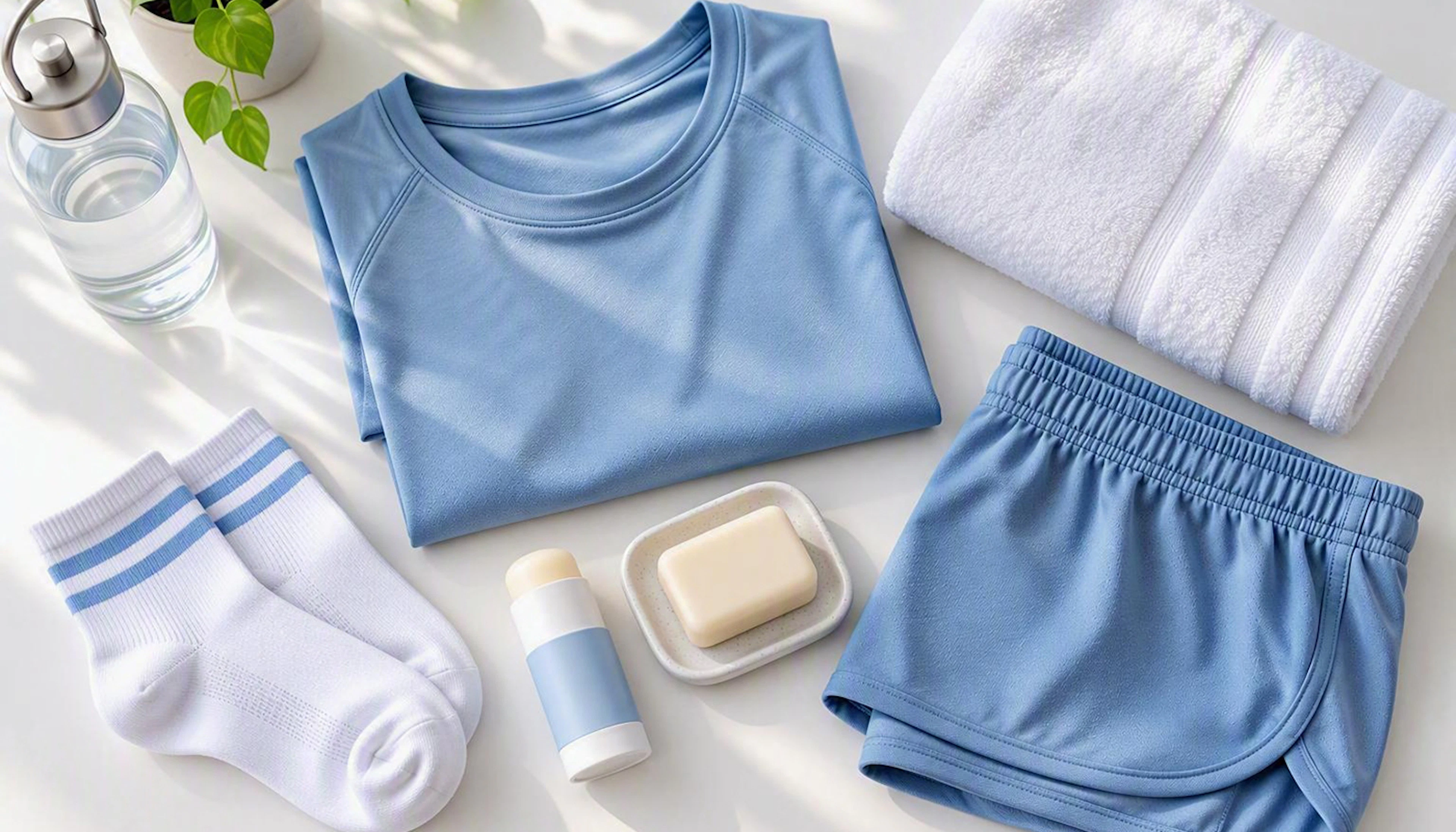
Control Moisture Through the Day: Wear moisture-wicking fabrics such as synthetic fabrics and wool rather than cotton which holds onto sweat. Change out of damp clothing promptly by keeping spare socks and changes of clothes with you.
In addition to these steps, a fast-drying spray like glucaBAN Skin Microbial Control can be used for added hygiene during the day. GlucaBAN Skin Microbial Control can fit easily into your daily routine and dries fast without leaving a greasy or sticky residue which helps support skin hygiene, control odor-causing microbes on the skin and may help keep skin folds comfortable throughout your day.
How Do I Stop Chafing Between My Thighs?
Chafing of the thighs occurs when there is repeated rubbing from skin or contact between the thighs. You can help limit the physical friction between your thighs by choosing the right clothing choices and barriers.
Use an Anti-chafing Product: Applying a protective friction barrier such as an anti-chafing balm, body glide or barrier cream can help provide a smooth protective film over the thighs before an activity.
Consider Your Clothing: Stay away from cotton clothing which can trap sweat and keep damp fabric pressed against your skin. Thin material or ill-fitting clothing can also increase chafing. Wear pants or shorts long enough to eliminate skin-on-skin friction
Change Your Clothing: Always change out of your clothing after activity or sweating to eliminate friction, irritation and softening of the skin.
Avoid Cornstarch or Heavy Scented Powders: Although plain absorbent powders such as baby powder can help reduce moisture, scented powders can irritate raw skin and cornstarch can cause yeast infections.
Clothing, Fabrics, and Barrier Products That Help (And The Ones That Make It Worse)
Careful selection of your clothes, fabrics and barrier products can help reduce or eliminate your skin fold problems. Choosing the right materials and products can help protect the skin folds, while the wrong choices can cause sweat to become trapped, increase heat and moisture and speed up chafing.
What Helps:
Moisture-wicking synthetic fabrics including blends made of polyester, nylon or spandex
Wool fabrics that are naturally moisture-wicking and breathable
Form-fitting garments and anti-chafing wear
Anti-chafing sticks and balms
Thin layers of barrier creams such as zinc oxide cream
What Makes it Worse:
100% cotton materials that absorb sweat and holds moisture
Tight and non-breathable fabrics like denim
Cornstarch that acts as food for yeast in damp skin folds
Heavily scented powders that irritate the skin
Rough seams or tags in clothing that irritates the skin folds
When It is More than Irritation: Signs It has Become an Infection and Needs a Provider
Irritation to skin folds is common after weight loss but it is important to recognize when your skin requires medical evaluation. Contact your healthcare provider if you notice any of the following:
Skin redness or irritation that is spreading rapidly
Skin drainage, discharge or pus
Fever, chills or sudden flu-like symptoms
Skin that is raw, broken, bleeding or weeping fluid
Severe pain, warmth or swelling in a skin fold
Note: GlucaBAN Skin Microbial Control is designed to support daily hygiene and support clean skin and is not an approved drug or treatment for active skin infections, candidiasis or open wounds. Always consult your medical provider for treatment.
Does Loose Skin Go Away on Its Own?
The honest answer depends on the amount of loose skin. Mild loose skin can retract by itself after moderate weight loss but loose skin from major weight loss will generally not go away on its own.
Major weight loss accompanied by substantial loose skin can only be permanently removed by skin removal surgery. If your skin folds significantly interfere with your daily mobility or cause skin problems that interfere with your daily life and cannot be changed by making alterations to your daily routine and habits, talk to your healthcare provider to discuss your options.
Questions? Talk to a Marley Drug Pharmacist
Worrying about skin fold problems after rapid weight loss can feel complex, but we are here to help. If you have any questions about how to fit glucaBAN Skin Microbial Control into your daily routine or managing your skin health, our pharmacy team is here to support you.
You can call Marley Drug today for a free consultation to speak directly with one of our pharmacists. Additionally, you may find it helpful to explore some of our other resources including our Weight Loss Resource Center and our Weight Loss Category for more information. Additionally if you live with diabetes you may find it helpful to read our article on
Disclaimer
This article is for educational purposes only and does not replace professional medical advice, diagnosis, or treatment. Always consult your healthcare professional or pharmacist regarding any specific health concerns or before starting a new care routine.
References
Sami K, Elshahat A, Moussa M, Abbas A, Mahmoud A. Image analyzer study of the skin in patients with morbid obesity and massive weight loss. Eplasty. 2015;15:e4. Published 2015 Jan 23.
Matwiejuk M, Myśliwiec H, Mikłosz A, Chabowski A, Flisiak I. The Impact of Bariatric Surgery on the Development and Progression of Dermatologic Diseases: A Narrative Review. Dermatol Ther (Heidelb). 2026;16(1):171-189. doi:10.1007/s13555-025-01568-y
Janniger CK, Schwartz RA, Szepietowski JC, Reich A. Intertrigo and common secondary skin infections. Am Fam Physician. 2005;72(5):833-838.
Mistiaen P, van Halm-Walters M. Prevention and treatment of intertrigo in large skin folds of adults: a systematic review. BMC Nurs. 2010;9:12. Published 2010 Jul 13. doi:10.1186/1472-6955-9-12
American Academy of Dermatology. 5 ways to use petroleum jelly for skin care. American Academy of Dermatology Association. Accessed August 25, 2026.