
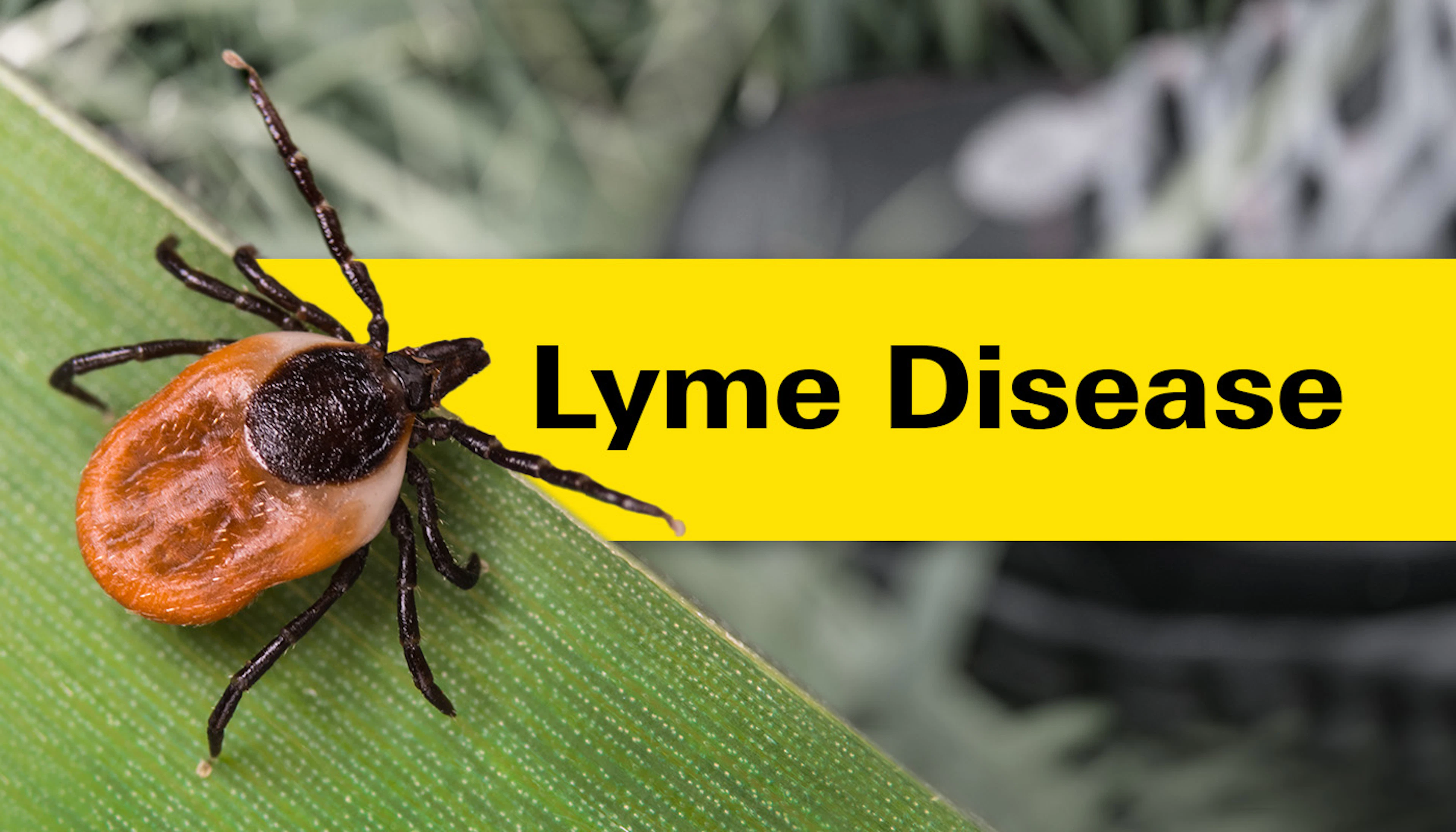


Lyme Disease: Symptoms, Treatment, and Prevention Tip
Lyme disease, known scientifically as Lyme borreliosis, is a bacterial infection transmitted to humans through the bite of infected black-legged ticks, often referred to as deer ticks. Annually, this disease affects roughly 500,000 Americans.
The disease is primarily caused by four types of bacteria:
- Borrelia burgdorferi and Borrelia mayonii, which are found in the United States.
- Borrelia afzelii and Borrelia garinii, which are prevalent in Europe and Asia.
Risk Factors
People who spend time in grassy and heavily wooded areas where the infected ticks thrive are at higher risk of getting Lyme disease. Activities such as hiking, camping, and gardening can increase your chances of coming into contact with these ticks.
Symptoms of Lyme Disease
The symptoms of Lyme disease can vary and usually appear in stages. Here’s what you might expect:
Early Symptoms
- Bull’s Eye Rash known as Erythema Migrans (EM): This is the most common and noticeable early sign, appearing as a red spot at the site of the tick bite and can expand over time to form a large circle. It is often described as looking like a bull's-eye, with a red outer ring surrounding a clear center. This typically develops 3-30 days after a tick bite, most commonly appearing around 7 days after.
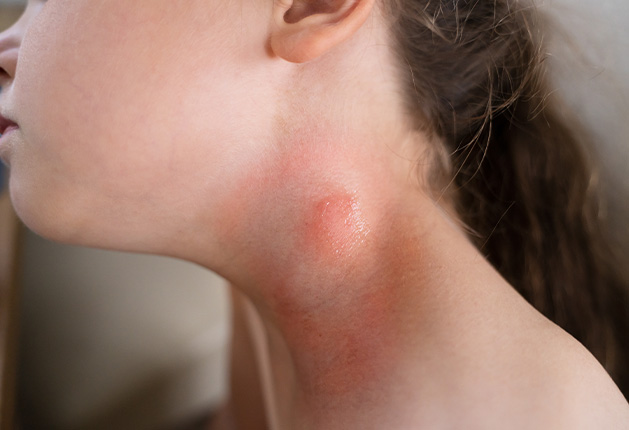
- Flu-like symptoms: Fever, chills, fatigue, body aches, and headache can accompany the rash.
Later Symptoms
If untreated, the infection can spread to the joints, heart, and nervous system, leading to more severe symptoms weeks, months, or even years later:
- Facial palsy: Loss of muscle tone or droop on one or both sides of the face.
- Significant joint pain and swelling: Often resembling arthritis, this is especially common in the knees and other major joints.
- Neurological problems: Meningitis, encephalitis, and nerve pain.
Diagnosing Lyme Disease
Lyme disease is primarily diagnosed based on symptoms, particularly the presence of a bull's-eye rash known as erythema migrans. To confirm the diagnosis, laboratory tests are used to detect antibodies against the bacteria causing the disease. These tests are most accurate a few weeks after infection, as it takes time for your body to produce antibodies. Testing too early can lead to false negatives.
- ELISA (Enzyme-linked immunosorbent assay): This test detects antibodies to Borrelia burgdorferi, the bacterium that causes Lyme disease. It can sometimes produce false positives.
- Western Blot: This test confirms a positive ELISA test. It checks for the presence of antibodies to several proteins of the bacterium.
Treatment of Lyme Disease
Lyme disease is typically treated with antibiotics, and the choice of antibiotic can depend on the patient's age and the stage of the disease. Common treatments include:
- Doxycycline: Suitable for patients over eight years old.
Dosage: 100 mg orally, twice a day, for 10-21 days - Amoxicillin : A commonly prescribed antibiotic for various ages.
Dosage: 500 mg orally, three times a day, for 12-21 days - Cefuroxime: For those who cannot take amoxicillin or doxycycline.
Dosage: 500 mg orally, twice a day, for 14-21 days
Treatment usually lasts from 10 to 21 days, depending on the stage of the disease and the individual’s overall health.
Preventing Lyme Disease
Prevention of Lyme disease revolves around avoiding tick bites, particularly in areas where the disease is common.
- Avoid known tick-infested areas: Especially during the warmer months when ticks are most active.
- Use insect repellent: Apply insect repellents that contain DEET on exposed skin and clothing for extra protection.
- Cover up: Wear long-sleeved shirts and long pants. Tuck your shirt into your pants, and your pants into your socks or high shoes to create a barrier against ticks.
- Check your clothing and pets: After being outdoors, check your clothes and pets for ticks. Pay special attention to hidden areas such as the hair, underarms, behind the ears, back of the knee, and around the waist.
- Shower after being outdoors: Taking a shower within two hours of coming indoors has been shown to reduce your risk of getting Lyme disease and can help wash off unattached ticks.
- Remove ticks promptly: If you find a tick on your body, use tweezers to remove it carefully and dispose of it by sealing it in a zip-lock bag or container, or by flushing it down the toilet.
Speak with Your Doctor
Awareness and early treatment are crucial for effectively managing Lyme disease. By understanding the risks, recognizing the early signs, and taking preventive measures, you can significantly reduce your chances of infection. Stay vigilant and consult healthcare providers if you suspect you have been bitten by a tick or are showing symptoms of Lyme disease. Remember, early diagnosis and appropriate treatment are key to successfully overcoming this disease.

