
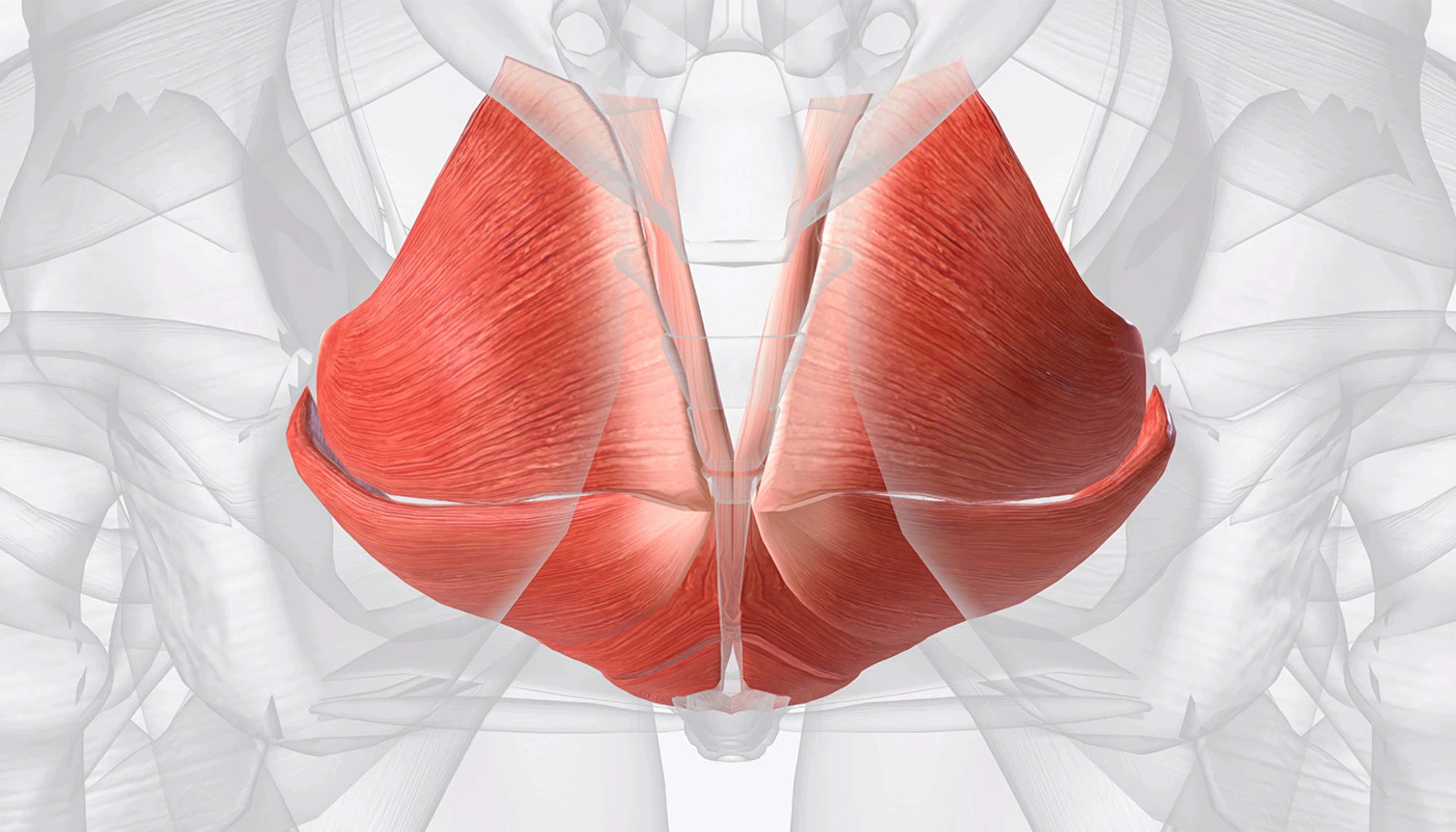


Do I Have a Weak Pelvic Floor? Signs to Watch For
- The pelvic floor is a network of muscles, ligaments, and tissues that act as a sling to support pelvic organs (bladder, uterus, rectum).
- It controls urination and bowel movements, contributes to core stability, and supports healthy sexual function.
- A weak pelvic floor can lead to bladder/bowel leakage, pelvic organ prolapse (organs shifting downwards), and pain in the lower back or hips.
- Pregnancy, childbirth, menopause, chronic constipation, heavy lifting, and certain exercises can weaken the pelvic floor.
- Kegel exercises (contracting and relaxing the muscles) and pelvic floor physical therapy can effectively strengthen the pelvic floor.
Your pelvic floor does a lot more than you might think. These muscles work behind the scenes to support your bladder, bowel, and reproductive organs, keeping everything in place and working as it should. But when they weaken, problems can start to show up: bladder leaks, frequent bathroom trips, or a lingering heaviness in the lower abdomen.
Many do not realize their pelvic floor is not as strong as it should be until symptoms begin to interfere with daily routines. If you’ve noticed changes in bladder control, unexpected discomfort, or pressure in the pelvic area, your body might be telling you something.
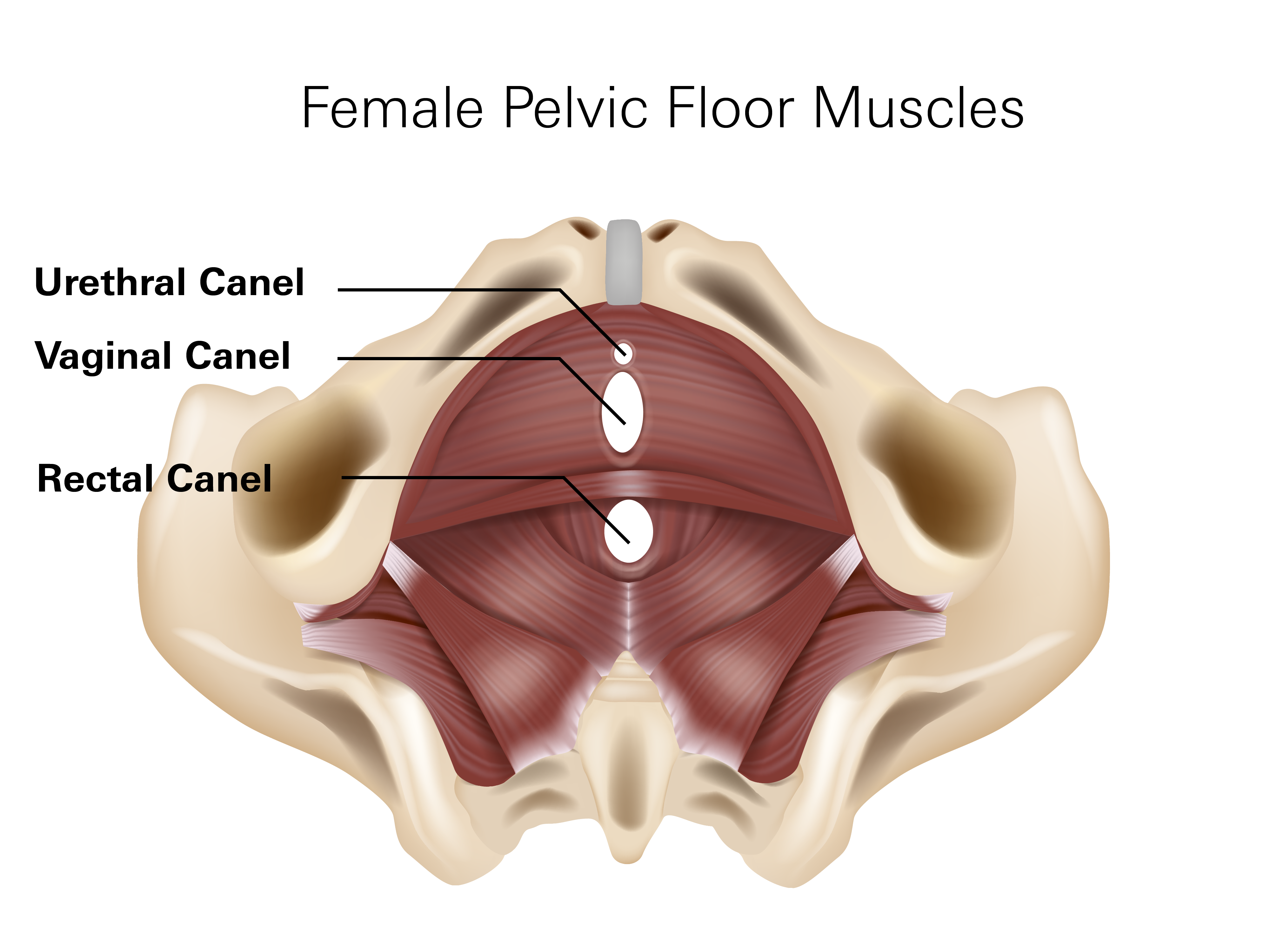
What does the pelvic floor do?
The pelvic floor is a network of muscles, ligaments, and connective tissues that form a supportive foundation at the base of your pelvis. These muscles stretch from the pubic bone in the front to the tailbone in the back, wrapping around and reinforcing the openings of the urethra, vagina, and rectum.
Primary Functions
- Supports pelvic organs: The pelvic floor acts as a foundation for your bladder, uterus, and rectum, keeping them in their proper positions.
- Controls elimination: It plays a crucial role in urination and bowel movements. When the muscles contract, they help maintain continence (preventing leakage). When they relax, they allow for complete emptying of the bladder and bowels.
Additional Roles
- Core stability: The pelvic floor works in conjunction with your diaphragm, deep abdominal muscles, and lower back muscles to stabilize your core. This contributes to good posture, balance, and a healthy lower back.
- Sexual function: Strong pelvic floor muscles enhance blood flow, sensation, and muscle contractions during sexual activity.
How does the pelvic floor work?
The pelvic floor muscles can contract and relax as needed. Your pelvic floor is always working, even when you're not aware of it, constantly adjusting to provide the necessary support throughout the day.
- Contraction: When you contract these muscles, they lift and tighten, providing support for your pelvic organs and preventing issues like bladder leakage or prolapse (when organs shift downward). This contraction also helps prevent involuntary leakage of urine or stool.
- Relaxation: To empty your bladder or bowels, these muscles relax, allowing for complete release.
Signs your pelvic floor may be weak
While some symptoms are mild, others can become more disruptive over time.
- Bladder leaks when sneezing, coughing, laughing, or exercising
- Frequent urination or sudden urgency
- Difficulty making it to the bathroom in time
- Trouble emptying the bladder or bowels completely
- Straining during bowel movements
- A heavy or dragging sensation in the pelvis
- A feeling that something is falling or bulging in the vaginal area
- Difficulty keeping a tampon in place
- Discomfort or reduced sensation during intimacy
- Lower back, hip, or pelvic pain without a clear cause
- Worsening symptoms after standing or lifting heavy objects
- Increased pressure in the abdomen as the day goes on
What happens when the pelvic floor becomes weak?
A weakened pelvic floor can lead to a variety of issues, often impacting bladder and bowel control, organ positioning, and even contributing to pain in other areas of the body.
Bladder and Bowel Control Issues
One of the most common signs of a weak pelvic floor is difficulty with bladder and bowel control.
- Leakage: When you cough, sneeze, laugh, or exercise.
- Urgency: A sudden and strong urge to urinate, making it difficult to reach the restroom in time.
- Difficulty emptying: Feeling like you can't completely empty your bladder or bowels.
Pelvic Organ Prolapse
The pelvic floor's support system is crucial for holding your internal organs in place. When these muscles weaken, the bladder, uterus, or rectum can shift downward, a condition known as pelvic organ prolapse. This can cause:
- Pressure or heaviness: In your lower abdomen or pelvis.
- Discomfort: In the pelvic region.
- Difficulty with tampon insertion: Prolapse can make it challenging or uncomfortable to insert a tampon.
- Visible bulge: In more severe cases, a bulge may be visible at the vaginal opening.
Pain in Other Areas
- Lower back pain: Weak pelvic floor muscles can strain the lower back, causing persistent discomfort that may not seem directly related to the pelvis.
- Hip pain: Similar to lower back pain, weakness in the pelvic floor can also contribute to hip pain.
How common is pelvic floor weakness?
Pelvic floor weakness is a surprisingly common issue, particularly among women. It's estimated that about 1 in 4 women in the United States experience some form of pelvic floor dysfunction like bladder leaks, bowel difficulties, and pelvic organ prolapse.
Age and Pelvic Floor Weakness
- Younger Women: 10% of women in their 20s and 30s.
- Midlife Women: More than 25% of women between 40 and 59.
- Older Women: Nearly 50% of women in their 80s.
Impact of Pregnancy and Childbirth
- After One Child: The likelihood of developing a pelvic floor disorder increases to 18%.
- After Two Children: The risk increases to 25%.
- After Three or More Children: The risk reaches 32%.
These changes do not always happen immediately. Some women notice symptoms shortly after giving birth, while others experience issues like bladder control problems, pelvic pressure, or difficulty emptying the bladder years later.
Other Contributing Factors
- Hormonal Changes: The decrease in estrogen during menopause can weaken pelvic floor muscles, as estrogen plays a role in maintaining muscle tone and tissue elasticity.
- Chronic Constipation: Straining during bowel movements can put stress on the pelvic floor.
- Heavy Lifting
- High-Impact Exercise
Can the pelvic floor be strengthened?
Yes! You can strengthen your pelvic floor with targeted exercises, improving muscle control and support. Kegel exercises are a highly effective way to achieve this.
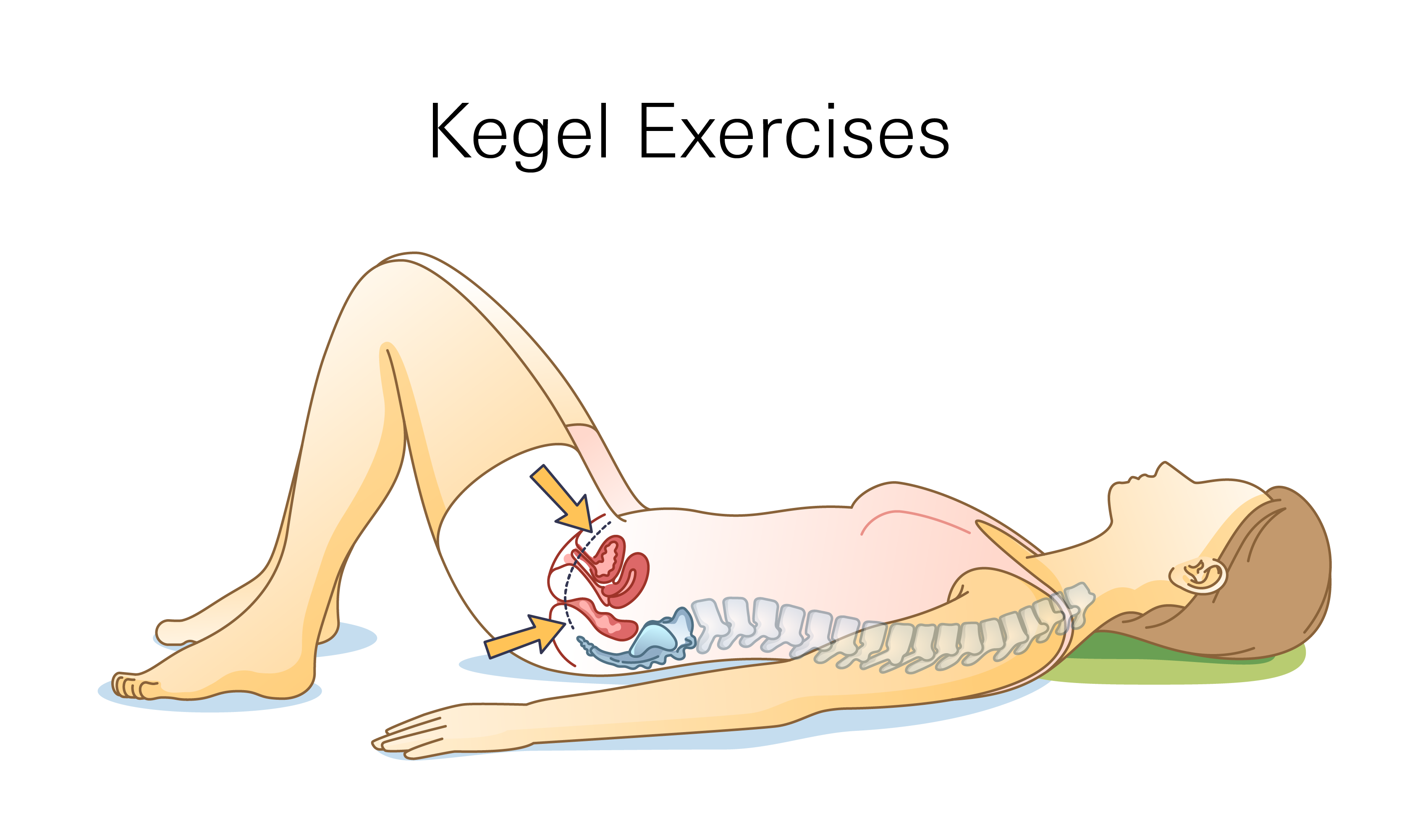
How to Perform Kegel Exercises
- Identify the right muscles: The muscles you use to stop the flow of urine midstream are the ones you'll be working. It's important to isolate these muscles and avoid engaging your abdominal, leg, or buttock muscles.
- Contract and hold: Contract them and hold for 5 seconds.
- Relax: Relax for 5 seconds.
- Repeat: Repeat this 10 to 15 times per session, aiming for at least 3 sessions per day.
As strength improves, gradually increase the hold time to 10 seconds per contraction. These exercises can be done while sitting, lying down, or standing, making them easy to incorporate into daily routines.
Pelvic Floor Therapy
For women with significant weakness or difficulty isolating the correct muscles, pelvic floor physical therapy can be beneficial. A therapist can help you improve muscle coordination and may introduce resistance training using vaginal weights for added strengthening.
How Long Does It Take to See Results?
While some women may notice minor improvements within a few weeks, it generally takes 6 to 12 weeks of consistent Kegel exercises to experience noticeable strength gains. If you have more significant weakness, it may take longer to fully restore muscle function.

