

What to do About Dry Skin in the Winter
- The cold, dry air of winter weakens your skin's natural barrier, leading to moisture loss, dryness, and irritation.
- Protect your skin by using gentle, pH-balanced cleansers and avoiding hot showers to prevent stripping away essential oils.
- Layer hydrating humectants (like hyaluronic acid) with protective occlusives (such as petrolatum or shea butter) to lock in moisture.
- For persistent issues, over-the-counter products with ingredients like urea, colloidal oatmeal, or ceramides can help, but consider a professional if symptoms are severe.
Cold weather can be tough on your skin. As temperatures drop and humidity levels fall, your skin loses moisture more quickly, making it feel dry, tight, and sensitive.
Harsh winds and indoor heating only make things worse, weakening your skin’s natural barrier and increasing the risk of irritation, redness, flakiness, and even breakouts.
That’s why it’s essential to adjust your skincare routine in winter, focusing on hydration, nourishment, and protection to keep your skin healthy and resilient.
Understanding the Skin Barrier
Your skin barrier is the outermost layer of your skin. It’s made up of skin cells held together by natural fats, forming a protective shield that keeps moisture in and harmful elements out.
- Protection: Blocks bacteria, allergens, pollutants, and other irritants.
- Moisture Regulation: Prevents excessive water loss that leads to dehydration.
In winter, dry air, cold winds, and indoor heating disrupt this barrier by stripping away its protective fats. When the barrier is compromised, moisture escapes more easily, leaving your skin vulnerable to dryness, irritation, and increased sensitivity.
Common Winter Skin Concerns
Cold air, harsh winds, and low humidity weaken the skin barrier, leading to a range of uncomfortable and harmful skin issues. If left untreated, these concerns can worsen or trigger underlying conditions.
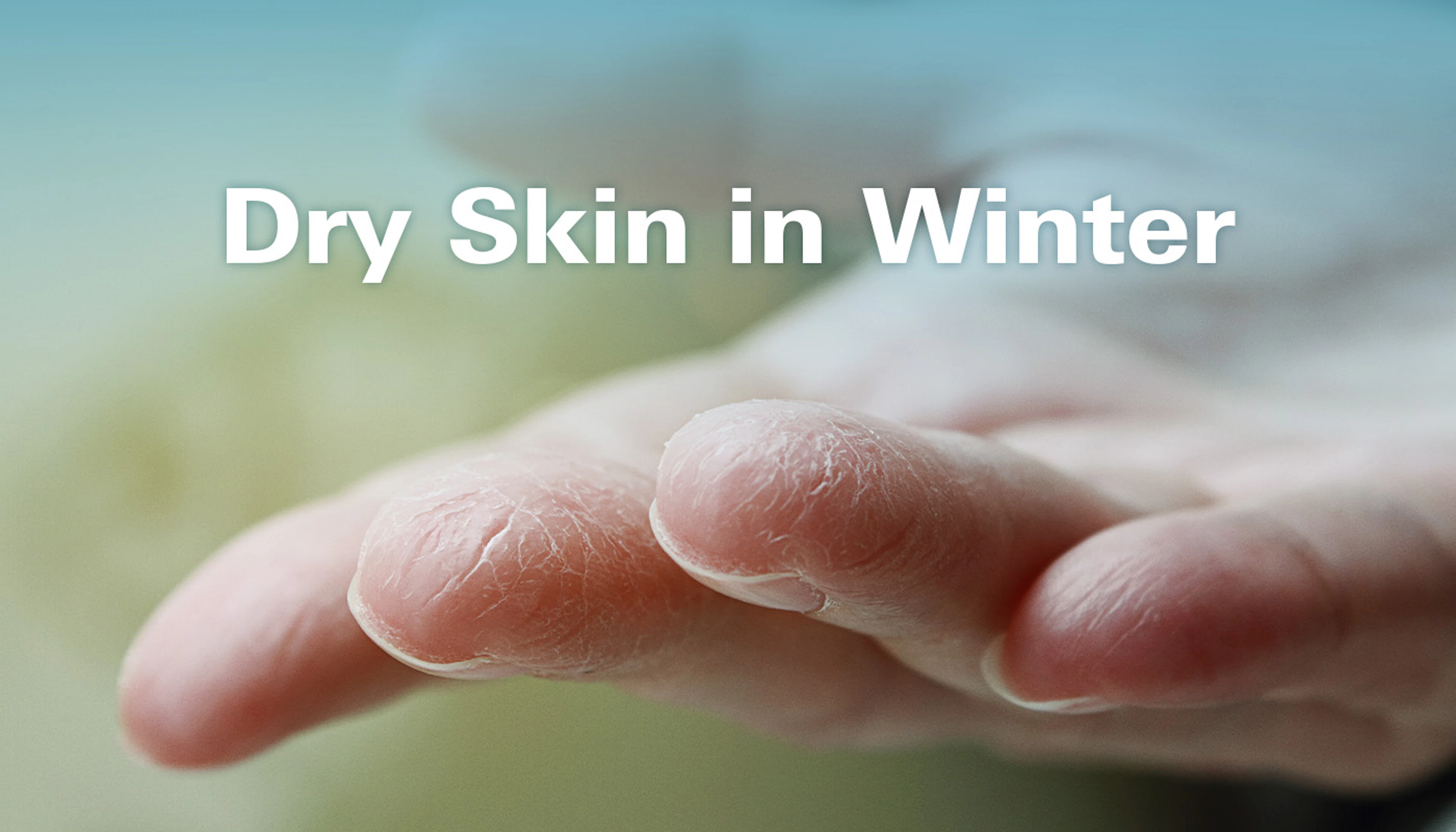
- Dryness and Dehydration: Less moisture in the air and dry indoor heating pull water from your skin, leaving it feeling tight, rough, and flaky.
- Itchiness and Irritation: Dry skin often leads to persistent itching. Scratching damages the skin barrier further, creating a cycle of irritation and increasing your risk of infection.
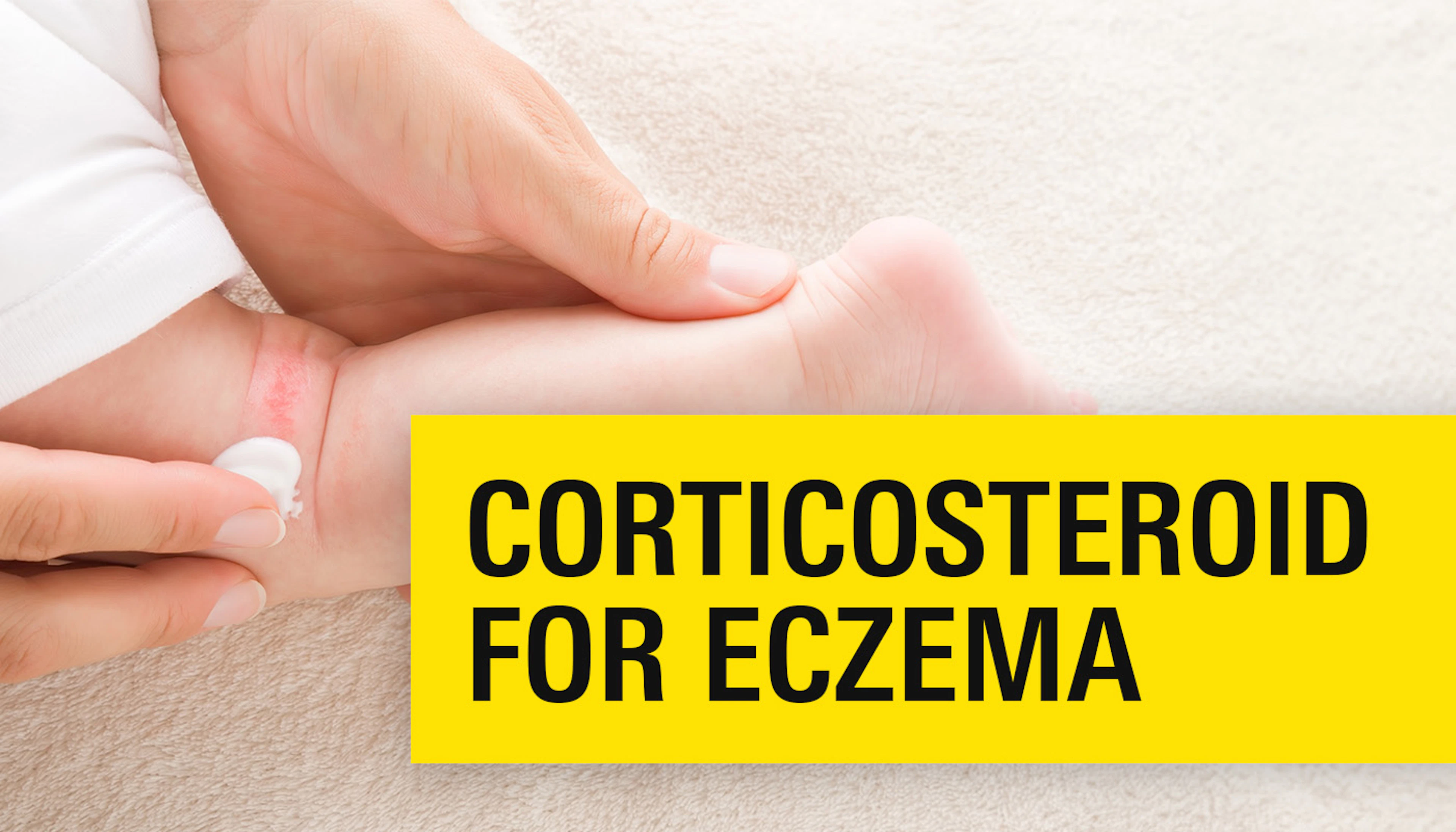
- Flare-ups of Chronic Conditions: If you have conditions like eczema, psoriasis, or rosacea, the reduced barrier function and sudden temperature changes can trigger inflammation and worsen symptoms.
- Chapped Lips and Cracked Hands: The delicate skin on your lips and hands is particularly vulnerable. Your lips lack oil glands, making them prone to cracking, while frequent hand washing strips away natural oils, leading to painful splits.
- Sensitivity to Products: A weakened barrier can make your skin more reactive to products that you normally use without issue, especially those with alcohol, strong fragrances, or harsh exfoliants.
How to Protect Your Skin in Weather
Give your skin the best chance to stay healthy and hydrated this winter by adopting these simple habits.
- Take lukewarm showers. Hot water strips your skin of its natural oils. Shorter showers with warm (not hot) water help preserve those essential oils and prevent moisture loss.
- Use gentle, hydrating cleansers. Choose fragrance-free, pH-balanced cleansers that clean without drying. Avoid harsh soaps or foaming agents that disrupt the skin’s moisture balance.
- Layer hydrating and protective ingredients. Start with humectants like glycerin or hyaluronic acid to draw water into the skin. Follow with occlusives such as petrolatum, dimethicone, or shea butter to seal in moisture and reinforce the barrier.
- Humidify indoor spaces. A humidifier adds moisture to dry indoor air, helping your skin retain hydration.
- Wear protective clothing. Use gloves, scarves, and lip balms with occlusive ingredients to shield skin from wind and cold.
- Apply sunscreen daily. UV rays can still damage skin in winter, especially when reflected off snow. Use a broad-spectrum SPF 30 or higher to protect your skin year-round.
Best Products for Dry Winter Skin
When choosing products, look for ingredients that both hydrate and protect your skin.
- CeraVe Intensive Moisturizing Lotion (with urea): Urea exfoliates and draws in moisture, making it great for combating the rough texture that comes with winter dryness.
- Gold Bond Eczema Relief Cream (with colloidal oat): Colloidal oatmeal soothes irritation and itching while strengthening your skin's barrier.
- Aquaphor Healing Ointment: This product acts as a powerful occlusive, locking in hydration and protecting skin from harsh conditions. It's excellent for very dry or cracked areas like lips, hands, and heels.
- Hydrocortisone 1%: This mild steroid cream can help reduce inflammation, redness, and itchiness from flare-ups. Use it sparingly, as it's a medicated product.
When to Seek Professional Help
While you can manage most winter dryness with lifestyle adjustments and over-the-counter products, some symptoms may signal a deeper issue that requires professional help.
- Severe or persistent dryness that doesn't improve with consistent moisturizing.
- Painful cracks or fissures in your skin, especially on your hands or feet, that could lead to infection.
- Persistent redness or inflammation that may indicate an underlying inflammatory condition.
- Itchiness that interferes with your sleep or daily life.
- Worsening flare-ups of chronic conditions like eczema, psoriasis, or rosacea.
- Signs of infection such as pus, yellow crusting, or spreading redness.