Questions? Call us at 800-810-7790

- Anemia is a condition characterized by a decrease in the number of red blood cells or a decrease in the amount of hemoglobin in the blood.
- Anemia can result from various factors, including nutritional deficiencies (iron, vitamin B12, folate), chronic diseases, genetic disorders, and blood loss.
- Common symptoms include fatigue, weakness, pale skin, shortness of breath, dizziness, and cold hands and feet.
- Treatment depends on the underlying cause and may involve dietary changes, supplements, medication, and addressing the primary condition.
Overview
Anemia is a medical condition characterized by a deficiency in the number of red blood cells or a low concentration of hemoglobin in your blood.
Hemoglobin (Hgb) is a protein in red blood cells that binds with oxygen and carries it to various tissues and organs throughout your body. Red blood cells (RBCs) are produced in your bone marrow and have a lifespan of between 90 and120 days. They play a crucial role in transporting oxygen to your body's tissues, which is necessary for energy production and normal cellular function. When the number of red blood cells or the concentration of hemoglobin is below normal levels, your body's organs and tissues may not receive an adequate oxygen supply.
The insufficient presence of healthy red blood cells can impair the normal functioning of your body. While certain types of anemia are usually temporary and mild, others can persist throughout a person's life. It’s important to keep in mind that neglecting anemia can have potentially life-threatening consequences.
Prevalence
Anemia is a common medical condition worldwide. According to the World Health Organization (WHO), it’s estimated that approximately 1.62 billion individuals, which is around 24.8% of the global population, had some form of anemia in 2013.
The prevalence of anemia can be higher in certain populations, including pregnant women, young children, adolescents, and individuals in low-income countries.
Factors contributing to the occurrence of anemia include nutritional deficiencies, such as iron, vitamin B12, and folate, chronic diseases, infections, genetic disorders, including sickle cell disease, and certain medications.
Types
There are several different types of anemia, each with its own underlying causes. Some of the most common types include the following:
Iron-deficiency anemia
This is the most common type of anemia worldwide. It occurs when your body lacks sufficient iron to produce an adequate amount of hemoglobin, leading to decreased red blood cell production.
Causes of iron-deficiency anemia include inadequate dietary intake of iron, blood loss due to menstruation or gastrointestinal bleeding, and conditions that affect iron absorption like celiac disease or inflammatory bowel disease.
Vitamin deficiency anemia (megaloblastic anemia)
Vitamin B12 and folate (vitamin B9) are essential for the production of red blood cells. This type of anemia can result from dietary deficiency, malabsorption issues, or an autoimmune condition (pernicious anemia).
Hemolytic anemia
This type of anemia occurs when red blood cells are destroyed prematurely. It can be either inherited or acquired and can result from various factors such as autoimmune disorders, infections, medications, or certain medical conditions.
Aplastic anemia
This rare type of anemia is characterized by a decrease in the bone marrow's ability to produce all types of blood cells. It can be caused by radiation exposure, certain medications, infections, autoimmune diseases, or idiopathic factors (unknown causes).
Sickle cell anemia
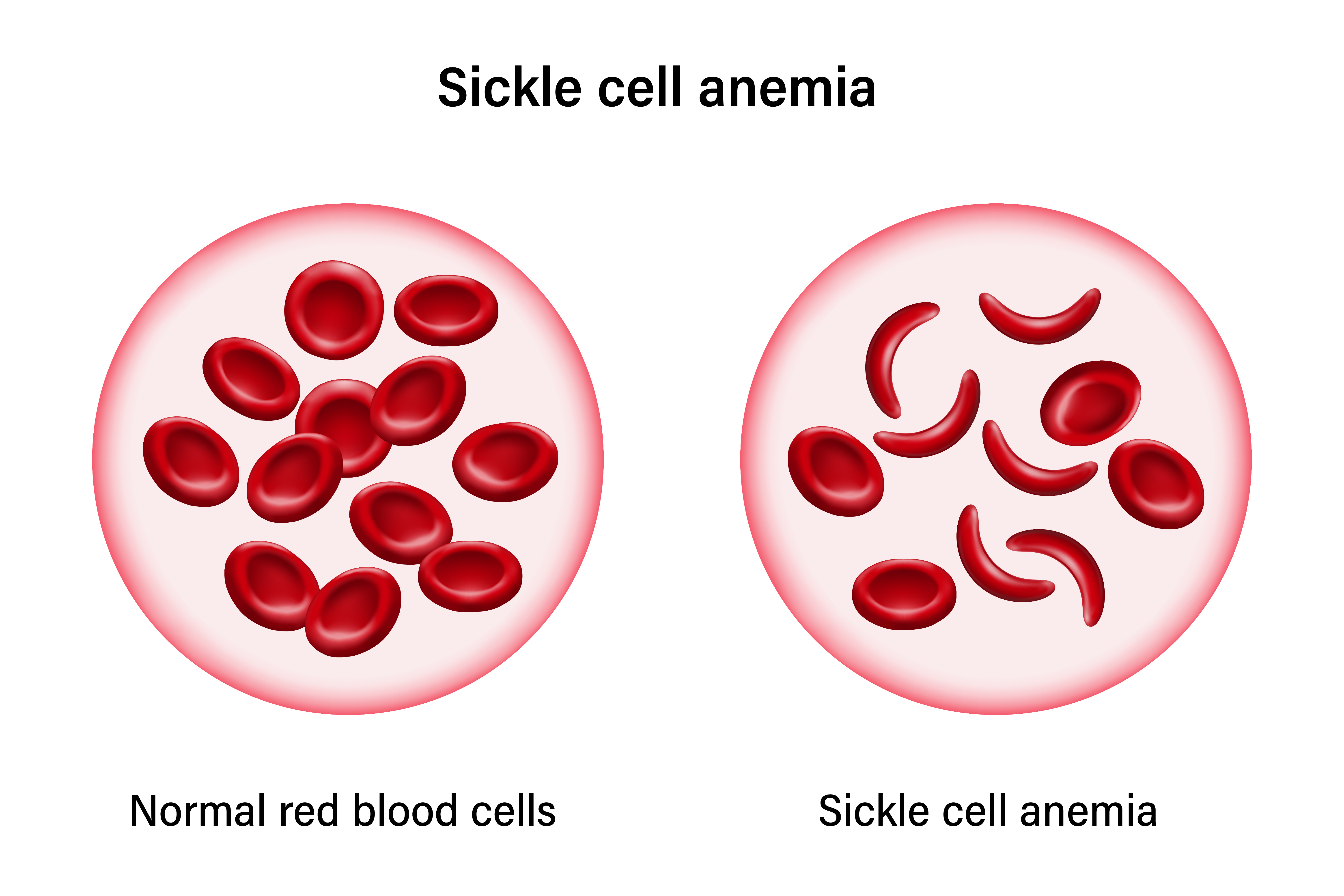
This is an inherited form of anemia where red blood cells become abnormally shaped and fragile. The abnormal (crescent moon) shape makes them prone to getting stuck in blood vessels, leading to a shortage of healthy red blood cells and oxygen delivery to tissues.
Thalassemia
Thalassemia is a group of inherited blood disorders that affect the production of hemoglobin. It results in reduced or abnormal hemoglobin production, leading to anemia.
Anemia of chronic disease
This type of anemia is associated with chronic diseases such as cancer, kidney disease, rheumatoid arthritis, or HIV/AIDS. The underlying inflammatory processes can interfere with the production and lifespan of red blood cells.
Macrocytic anemia
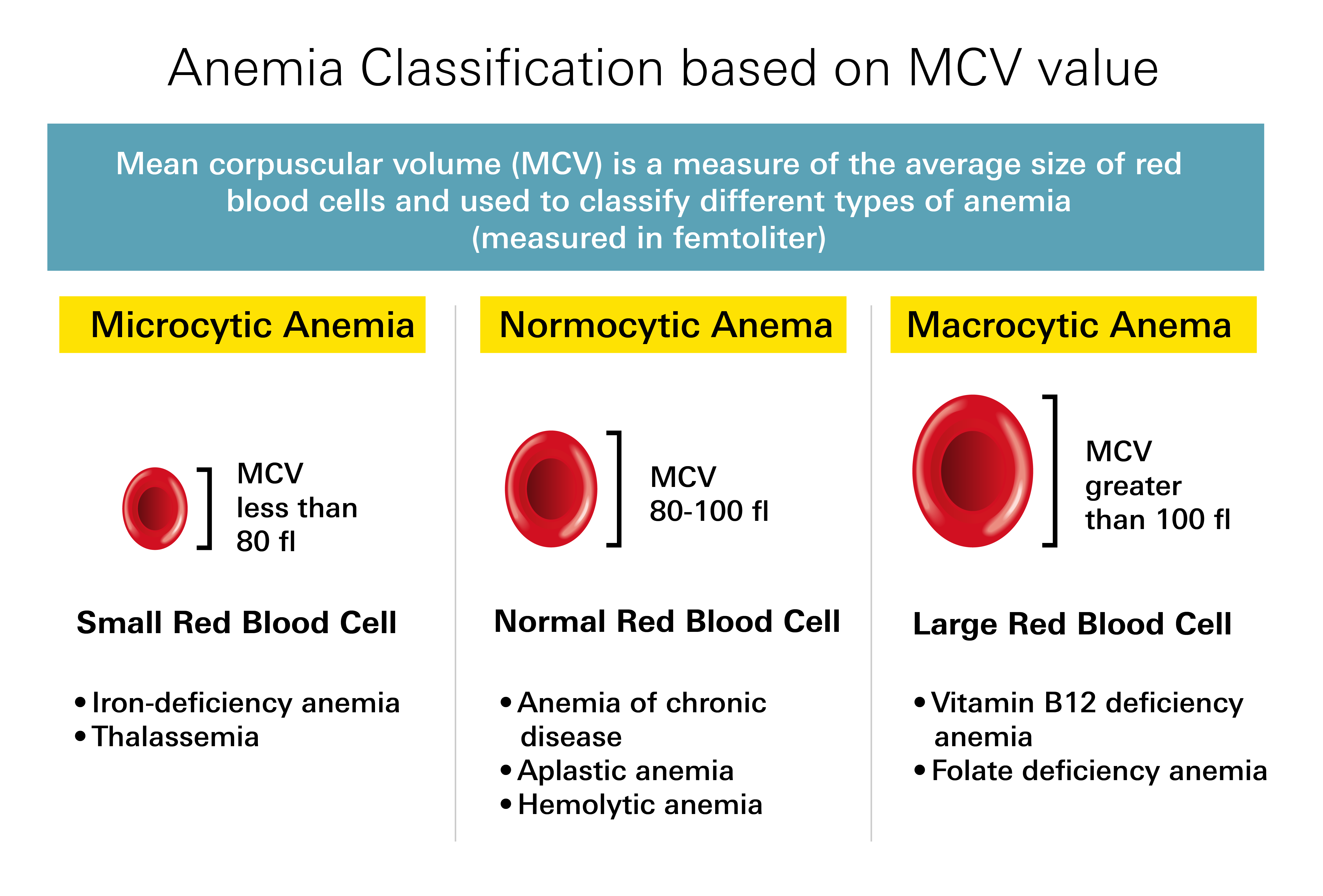
This type of anemia occurs when the bone marrow produces abnormally large red blood cells. It's often associated with vitamin B12 and folate (vitamin B9) deficiency anemia.
Microcytic anemia
This type of anemia occurs when the red blood cells are smaller than normal due to insufficient hemoglobin. It can be caused by medical conditions such as iron-deficiency anemia, thalassemia, or lead poisoning.
Normocytic anemia
The size of red blood cells falls within a normal range. However, there are fewer red blood cells than normal, and their hemoglobin content is below the normal levels.
Symptoms
Anemia can manifest with a variety of signs and symptoms, which can vary in severity depending on the underlying cause and your overall health.
- Fatigue and weakness: Feeling tired and lacking energy, even with minimal physical or mental exertion, is a common symptom of anemia.
- Pale skin and mucous membranes: Anemia can cause paleness of your skin, lips, and inside your lower eyelids.
- Shortness of breath (dyspnea): Decreased oxygen-carrying capacity of the blood can lead to difficulty in breathing, especially with physical activity.
- Rapid or irregular heartbeat (arrhythmia):Anemia can cause your heart to pump faster to compensate for the decreased oxygen supply, resulting in a rapid or irregular heartbeat.
- Dizziness or lightheadedness: Insufficient oxygen reaching your brain can lead to feelings of dizziness, lightheadedness, or even fainting in severe cases.
- Cold hands and feet: Reduced blood flow to the extremities can result in cold sensations in your hands and feet.
- Headaches: Some individuals with anemia may experience frequent headaches, which can be caused by decreased oxygen delivery to the brain.
- Chest pain: In severe cases of anemia, there may be chest pain or angina due to your heart's increased effort to pump blood.
- Cognitive difficulties: Anemia can affect cognitive function, leading to difficulties with concentration, memory, and overall mental clarity.
- Brittle nails and hair loss: Anemia may cause changes in your nails, making them brittle or spoon-shaped. Hair loss or thinning can also occur.
Risk Factors
Some factors can unfortunately increase your risk of developing anemia. These risk factors can vary depending on the specific type of anemia.
- Nutritional deficiencies
Inadequate intake of essential nutrients, particularly iron, vitamin B12, and folate, can increase the risk of developing certain types of anemia. Poor diet, limited access to nutritious food, and certain dietary restrictions can contribute to these deficiencies. - Age and gender
Infants and young children, adolescents, and older adults are at higher risk. Additionally, women of childbearing age are prone to iron-deficiency anemia due to blood loss during menstruation and increased iron demands during pregnancy. - Chronic diseases
Certain chronic conditions can affect red blood cell production, lifespan, or blood loss. These conditions include chronic kidney disease, cancer, autoimmune disorders (rheumatoid arthritis or lupus), inflammatory bowel disease, HIV/AIDS, and chronic infections. - Family history
Sickle cell anemia and thalassemia have a hereditary component. If a close family member has one of these conditions, it increases your risk of inheriting the gene mutation and developing anemia - Pregnancy
During pregnancy, your body's iron requirements increase to support the growing fetus. If an expectant mother doesn't have sufficient iron stores or doesn't consume an iron-rich diet, she is at risk of developing iron-deficiency anemia. - Medications and treatments
Certain medications, such as nonsteroidal anti-inflammatory drugs (NSAIDs), anticoagulants, or chemotherapy drugs, can contribute to anemia. Treatments like radiation therapy or surgery that involve blood loss can also increase the risk. - Gastrointestinal disorders
Celiac disease, Crohn's disease, or gastrointestinal bleeding (from ulcers, tumors, or hemorrhoids) can lead to iron deficiency anemia due to impaired iron absorption or chronic blood loss.
While these risk factors increase your chances of developing anemia, it’s important to understand that they do not guarantee its occurrence. Taking proactive measures such as regular check-ups, following a balanced diet, managing underlying health conditions, and promptly addressing any worrisome symptoms can aid in reducing your risk of developing anemia. By adopting a proactive approach to healthcare, one can take steps to mitigate the likelihood of developing this medical condition.
Diagnosis
The diagnosis of anemia involves a combination of medical history evaluation, physical exam, and specific blood tests. Some common diagnostic methods taken in for anemia include the following:
- Medical history: Your healthcare provider will ask about your symptoms, medical history, family history, and any relevant factors that may contribute to anemia, including diet, medications, or underlying health conditions.
- Physical exam: A physical exam may be conducted to assess signs of anemia, such as pale skin and/or rapid heart rate.
- Complete blood count (CBC): A CBC is a standard blood test used to measure various components of your blood, including red blood cells, white blood cells, and platelets. It provides information about the number, size, and shape of red blood cells. Abnormalities in these parameters can indicate the presence of anemia.
- Hemoglobin and hematocrit levels: Hemoglobin is the protein in red blood cells that carries oxygen, and hematocrit is the proportion of red blood cells in your blood. Low levels of hemoglobin or hematocrit are indicative of anemia.
- Red blood cell indices: Additional blood tests, such as mean corpuscular volume (MCV), mean corpuscular hemoglobin (MCH), and mean corpuscular hemoglobin concentration (MCHC), provide information about the size, color, and hemoglobin content of red blood cells. These values can help determine the specific type of anemia.
- Additional tests: Depending on the suspected cause of anemia, further tests may be conducted, such as iron studies, vitamin B12, and folate levels, reticulocyte count, bone marrow examination, or genetic tests.
Obtaining an accurate diagnosis of anemia necessitates consulting a healthcare professional. A doctor’s expertise allows them to analyze test results and consider various factors to identify the root cause and devise a tailored treatment plan that best suits your individual circumstances. Medical guidance is vital in ensuring an accurate diagnosis and effective management of your condition.
Treatment
The treatment options for anemia depend on the underlying cause and severity of your condition.
- Balanced diet: Consuming a nutritious and well-balanced diet can help prevent anemia caused by nutritional deficiencies. Including iron-rich foods, such as lean meats, leafy greens, beans, and fortified cereals, foods high in vitamin B12, including fish, dairy products, and fortified cereals, and foods rich in folate, such as citrus fruits, leafy greens, and legumes, can help maintain adequate levels of these nutrients.
- Iron supplements: For those at high risk of iron deficiency anemia, such as pregnant women or those with heavy menstrual bleeding, taking iron supplements as prescribed by your doctor can help prevent iron deficiency.
- Prenatal care: Adequate prenatal care, including routine screenings and appropriate supplementation, can help prevent anemia during pregnancy. Regular check-ups with healthcare providers can help identify and address any potential deficiencies or complications.
Though it may not be possible to prevent all forms of anemia, it’s important to mention that certain types may have genetic or unavoidable factors. Nonetheless, most individuals can take steps to reduce their risk of specific anemias and maintain their overall well-being by following a healthy lifestyle, managing underlying health conditions, and adhering to recommended medical guidelines. Regular check-ups and consultations with healthcare professionals play a crucial role in assessing individual risks, addressing specific needs, and ensuring overall health and well- being.