Questions? Call us at 800-810-7790

- Bipolar disorder, also known as manic depression, is a mental health condition characterized by extreme mood swings, ranging from emotional highs (mania or hypomania) to lows (depression).
- Symptoms during a manic phase can include feeling extremely happy, having lots of energy, talking very fast, being easily distracted, and engaging in risky behavior. During a depressive phase, symptoms can include feeling very sad, losing interest in activities, having difficulty concentrating, and sleeping excessively or having trouble sleeping.
- Bipolar disorder is typically divided into several types, including Bipolar I, Bipolar II, Cyclothymic Disorder, and Other Types, each characterized by a specific pattern and severity of mood swings.
- The exact cause of bipolar disorder remains unknown, but it’s believed to be a result of a combination of genetic factors, chemical imbalances in the brain, environmental triggers, and substance abuse.
- Treatment usually involves a combination of medication, psychotherapy, and lifestyle adjustments to manage symptoms and promote mood stability and functional daily living.

Overview
Bipolar disorder, often referred to as manic depression, is a mental health condition marked by extreme mood swings. These swings range from emotional highs, known as mania or hypomania, to emotional lows, such as depression. During a manic phase, an individual might feel euphoric, full of energy, and engage in impulsive behavior. On the other hand, during a depressive phase, they may feel sad, lethargic, and lose interest in most activities. These mood swings can significantly affect sleep, energy, activity, judgment, behavior, and the ability to think clearly.
Living with bipolar disorder can be challenging, but with the right treatment and support, individuals can manage their symptoms and lead fulfilling lives.
Prevalence
Bipolar disorder is a fairly common mental health condition affecting a significant number of people worldwide. It’s estimated that about 1-2% of the global adult population may experience bipolar disorder at some point in their lives.
In the United States, bipolar disorder is also quite prevalent. The National Institute of Mental Health (NIMH) estimates that approximately 2.8% of U.S. adults will experience bipolar disorder in their lifetime.
Bipolar disorder affects both men and women equally and is found across all racial and ethnic groups. While it typically begins in late adolescence or early adulthood, it can also appear in childhood or later in life.
Symptoms
Bipolar disorder is characterized by distinct periods of depression and mania or hypomania. The symptoms can vary in type and severity, and not everyone with bipolar disorder will experience all of these symptoms. The presentation may also differ from person to person. Here are the main signs and symptoms of bipolar disorder:
Depressive Symptoms
These may include persistent feelings of sadness, hopelessness, and emptiness, loss of interest or pleasure in activities once enjoyed, changes in appetite or weight, sleep disturbances (including insomnia or excessive sleep), fatigue or loss of energy, feelings of worthlessness or excessive guilt, difficulty concentrating, indecisiveness, and/or thoughts of death or suicide.
Manic Symptoms
During manic episodes, individuals may exhibit an elevated or irritable mood, an inflated sense of self-esteem or grandiosity, reduced need for sleep, increased talkativeness, racing thoughts, being easily distracted, and engaging in risky behaviors, such as reckless spending, substance abuse, or unprotected sex. They may also have an increased focus on goal-directed activities.
Hypomanic Symptoms
Hypomania is a milder form of mania, characterized by similar but less severe symptoms. Individuals experiencing hypomania might feel more energetic, productive, and euphoric, but they can still maintain their day-to-day functioning.
Impaired Social and Occupational Functioning
Bipolar disorder can significantly impact an individual’s ability to maintain relationships, perform well at work or school, and/or engage in daily activities.
Remember, only a qualified mental health professional can diagnose bipolar disorder. If you or someone you know is experiencing symptoms that may indicate bipolar disorder, it’s essential to seek professional evaluation and treatment for appropriate management and support.
Types
Bipolar disorder is typically divided into several types, each characterized by a specific pattern and severity of mood swings:
Bipolar I Disorder
This type is characterized by manic episodes that last at least 7 days or are so severe that hospitalization is required. These episodes may be followed by depressive episodes or periods of mixed features, which include symptoms of both mania and depression. It’s important to note that while depressive episodes can occur, they are not required for a diagnosis of Bipolar I.
Bipolar II Disorder
This type involves at least one major depressive episode and at least one hypomanic episode, which is less severe than full-blown mania and lasts for at least 4 days. Unlike Bipolar I, manic episodes are absent in Bipolar II.
Cyclothymic Disorder (Cyclothymia)
Cyclothymia is marked by numerous periods of hypomanic symptoms and depressive symptoms lasting for at least 2 years in adults (or 1 year in children and adolescents). However, these symptoms are less severe than those of full-blown manic or depressive episodes.
Other Types
This category includes cases where symptoms do not fully meet the criteria for any specific type of bipolar disorder but still involve noticeable mood fluctuations. For instance, bipolar disorder symptoms that do not follow a typical pattern or do not meet the duration criteria may fall into this category.
Causes
The exact cause of bipolar disorder remains unknown, but it’s believed to be a result of a combination of several factors. Here are some potential contributors that researchers have identified:
- Genetic Factors: Bipolar disorder often runs in families, indicating a genetic link. If you have a close family member with bipolar disorder, your risk of developing the condition may be higher.
- Chemical Imbalance: Certain imbalances in brain chemicals, known as neurotransmitters, are associated with bipolar disorder. Neurotransmitters like serotonin, dopamine, and norepinephrine play a vital role in mood regulation and brain function. Imbalances in these chemicals may contribute to the mood swings seen in bipolar disorder.
- Environmental Triggers: Stressful life events, traumatic experiences, significant life changes, or major losses can trigger the onset of bipolar disorder in individuals who are genetically predisposed to the condition.
- Substance Abuse: The abuse of drugs and alcohol can exacerbate or trigger episodes of bipolar disorder in some individuals.
It’s important to note that bipolar disorder is a complex condition with multiple contributing factors. Not everyone with a genetic predisposition will develop the disorder, and environmental factors can significantly influence the expression and severity of symptoms.
Diagnosis
Diagnosing bipolar disorder requires a thorough evaluation by a mental health professional, such as a psychiatrist or clinical psychologist. The process typically involves several steps:
- Initial Evaluation: This step involves a comprehensive review of your medical history, including any family history of mental health conditions. The clinician may ask about your symptoms, their duration, and how they affect your daily life.
- Mood and Symptom Assessment: The mental health professional will carefully evaluate your mood patterns and symptoms. They will ask about both depressive and manic/hypomanic symptoms to identify any cyclical patterns.
- Diagnostic Criteria: To accurately diagnose bipolar disorder, the clinician will refer to the criteria outlined in the Diagnostic and Statistical Manual of Mental Disorders (DSM-5). This manual provides specific guidelines for diagnosing various mental health conditions, including bipolar disorder.
- Medical and Physical Exam: The clinician may conduct a physical exam and order lab tests to rule out other medical conditions that could be causing or contributing to your symptoms.
- Differentiation from Other Conditions: The clinician will carefully distinguish bipolar disorder from other mood disorders, such as major depressive disorder, and from other types of bipolar disorder, such as Bipolar II versus Bipolar I. They will also consider other mental health conditions that could be contributing to your symptoms.
- Collateral Information: The clinician may seek information from family members or close friends to gain additional insight into your behavior and mood patterns.
Remember, early diagnosis and treatment are key to managing bipolar disorder effectively. If you or someone you know is experiencing symptoms of bipolar disorder, it’s important to seek help from a healthcare professional.
Treatment
Bipolar disorder treatment typically involves a combination of medication, psychotherapy, and lifestyle adjustments. The specific treatment plan can vary depending on the individual’s symptoms, the type and severity of bipolar disorder, and their response to previous treatments. It’s crucial for individuals with bipolar disorder to work closely with a mental health professional to develop a personalized treatment plan. Here are the primary treatment options:
Medication
- Mood Stabilizers: Medications like lithium (a first-choice treatment option), valproate (an anticonvulsant), and lamotrigine (an anticonvulsant) are used to control mood swings and prevent episodes of mania or depression.
- Atypical Antipsychotics: Some antipsychotic medications, such as Olanzapine and Risperidone, may be used to manage acute manic or mixed episodes.
- Antidepressants: In some cases, antidepressants, including selective serotonin reuptake inhibitors (SSRIs) or serotonin-norepinephrine reuptake inhibitors (SNRIs), may be prescribed to address depressive symptoms. However, they are typically used with caution and in combination with mood stabilizers to avoid triggering manic episodes.
Psychotherapy
- Cognitive-Behavioral Therapy (CBT): This type of therapy helps individuals identify and change negative thought patterns and behaviors that contribute to mood swings. It can also provide coping strategies for managing stress.
- Interpersonal and Social Rhythm Therapy (IPSRT): IPSRT focuses on stabilizing daily routines and improving interpersonal relationships to help regulate mood and prevent relapse.
Lifestyle Modifications
- Regular Sleep Patterns: Maintaining a consistent sleep schedule can help stabilize mood and reduce the risk of triggering manic or depressive episodes.
- Stress Management: Learning healthy ways to cope with stress can help prevent mood swings.
- Avoiding Alcohol and Substance Abuse: Substance use can exacerbate bipolar symptoms and interfere with treatment.
Hospitalization
In severe cases, when individuals are experiencing a particularly acute or dangerous episode, hospitalization may be necessary to stabilize their condition and ensure their safety.
Electroconvulsive Therapy (ECT)
ECT may be considered for severe cases of bipolar disorder that do not respond well to other treatments. It involves the controlled application of electric currents to your brain, which can help alleviate severe depression or mania.
Managing bipolar disorder often requires long-term treatment and ongoing support. It’s essential to maintain a close collaboration with healthcare providers, follow medication regimens as prescribed, attend therapy sessions, and establish a reliable support system. Involving family members or loved ones in your treatment process can provide valuable support and understanding, contributing to improved symptom management and a better quality of life.
Prevention
Due to its complex nature, bipolar disorder cannot be entirely prevented. However, certain measures can potentially reduce the risk of triggering or exacerbating the condition.
Hospitalization
Recognizing the early signs of mood swings, unusual behavior, or changes in sleep patterns and seeking professional help can lead to timely diagnosis and treatment. Early intervention is crucial in managing bipolar disorder effectively and preventing severe episodes.
Stress Management
ECT may be considered for severe cases of bipolar disorder that do not respond well to other treatments. It involves the controlled application of electric currents to your brain, which can help alleviate severe depression or mania.Learning and practicing stress management techniques can help in coping with stressors that might otherwise trigger or worsen bipolar symptoms. Some effective methods include:
- Mindfulness: Practicing mindfulness can help you stay present and manage stress.
- Meditation: Regular meditation can promote relaxation and emotional well-being.
- Regular Exercise: Physical activity is known to reduce stress and improve mood.
While bipolar disorder itself cannot be prevented, these proactive steps can help in managing the condition and reducing the impact of its symptoms. Maintaining a healthy lifestyle, staying informed about the disorder, and working closely with a healthcare provider are key to effectively managing bipolar disorder.
Related Topics
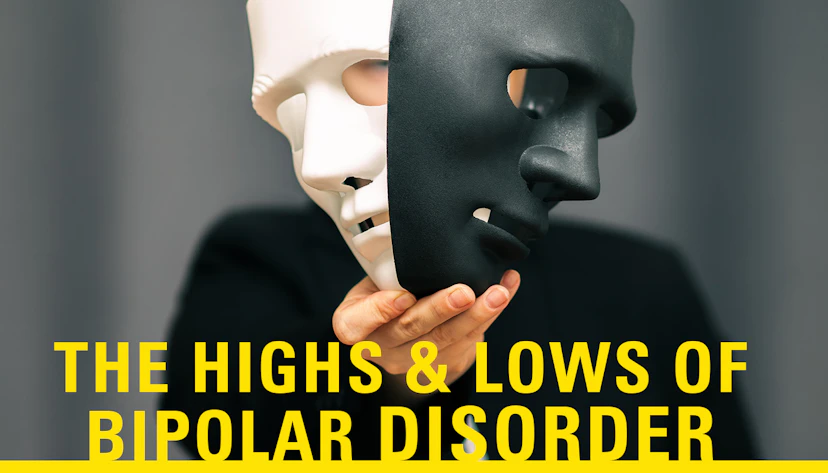
The Highs and Lows of Bipolar Disorder
Bipolar disorder is a complex mood disorder that affects millions of people worldwide. Though it is not as widely discussed as other mental health issues, it’s very common and can greatly interfere with the lives of those with the condition. The mental health condition is characterized by episodes of mania and/or hypomania ("highs") and depression ("lows").