Questions? Call us at 800-810-7790

- Both common cold and flu are viral infections affecting the respiratory system. Flu is usually more severe, with symptoms like fever and chills.
- Flu is usually more severe, with symptoms like fever and chills.
- Both spread through respiratory droplets and contact with contaminated surfaces.
- There is no cure for common colds or flu. Treatment focuses on managing symptoms with rest, hydration, and over-the-counter medications.
- For prevention wash hands, avoid sick people, cover coughs/sneezes, disinfect surfaces, get flu vaccine.




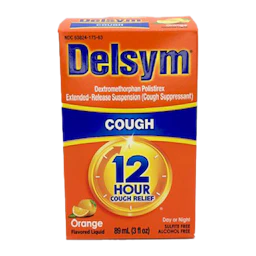
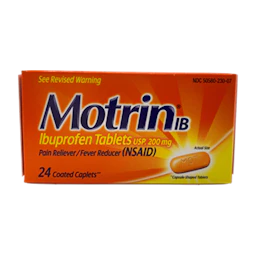
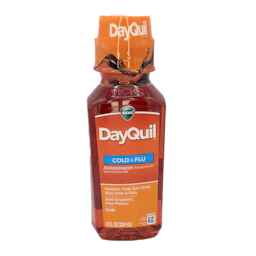
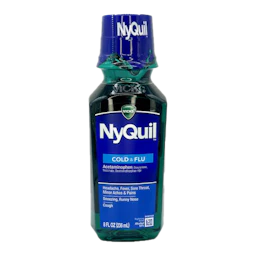
Overview
The common cold and flu (influenza) are both viral infections that affect your respiratory system, but they are caused by different viruses.
The common cold is a mild viral infection of the upper respiratory tract, typically caused by a rhinovirus. Common symptoms may include sneezing, runny or stuffy nose, sore throat, cough, and/or mild body aches.
The flu is a more serious viral infection caused by the influenza virus. Common symptoms may include fever, chills, cough, sore throat, runny or stuffy nose, headache, muscle aches, and/or fatigue. The flu can also cause complications, such as pneumonia, and can be particularly dangerous for young children, older adults, and individuals with weakened immune systems. Treatment for the flu may include antiviral medications, rest, and supportive care.
Both the cold and flu are highly contagious and can spread through contact with respiratory secretions or contaminated surfaces. Good hygiene, such as frequent handwashing, covering coughs and sneezes, and avoiding close contact with those who are sick, can help prevent the spread of these infections.
Prevalence
The common cold and flu are both very common respiratory illnesses that affect millions worldwide every year.
The common cold is one of the most common illnesses in the world, with adults typically experiencing 2-3 colds per year and children experiencing even more. In the United States alone, it's estimated that there are more than 1 billion cases of the common cold each year.
The flu is also a common illness, with an estimated 1 billion cases worldwide every year. In the United States, according to the Centers for Disease Control and Prevention (CDC), there are an estimated 9-45 million cases of the flu each year, resulting in hundreds of thousands of hospitalizations and thousands of deaths.
Symptoms
The common cold and the flu share some similar symptoms, even though they are caused by different viruses and have key differences in their presentation.
Common cold symptoms typically develop gradually and may last for 7-10 days.
- Runny or stuffy nose
- Sneezing
- Cough
- Sore throat
- Mild body aches and headache
- Mild fatigue
Symptoms of the flu typically develop more suddenly and are usually more severe than those of the common cold. In some cases, complications such as pneumonia can occur, particularly in young children, older adults, and individuals with weakened immune systems.
- Fever (generally high)
- Chills
- Cough
- Sore throat
- Runny and/or stuffy nose
- Muscle and/or body aches
- Headache
- Fatigue (often severe)
- Sometimes vomiting and/or diarrhea, particularly in children
It’s important to keep in mind that other respiratory viruses can also cause symptoms similar to those of the common cold and flu. If you’re experiencing symptoms, it’s best to consult your healthcare provider for an accurate diagnosis and appropriate treatment.
Transmission
Both the common cold and the flu are highly contagious and can be transmitted through respiratory secretions or contact with contaminated surfaces. When an infected individual coughs or sneezes, the virus can be released into the air in tiny droplets and inhaled by others. The virus can also be transferred by touching contaminated surfaces and then touching your mouth, nose, or eyes.
Good hygiene practices, such as frequent handwashing, covering coughs and sneezes, and avoiding close contact with infected individuals, can help prevent the spread of these viruses.
Causes
Both the common cold and the flu are viral infections, but they are caused by different viruses.
- Common Cold: Rhinoviruses is he most common cause.
- Flu: The flu is caused by the influenza virus (type A, B, c). Types A and B are responsible for most cases, with type A often causing more severe illness.
Each person typically has individual factors that are more likely to trigger their infection. What triggers a cold sore in one person may not do so in another. Getting to know your own individual triggers may help you avoid activating the infection and reduce the number of cold sores you experience.
Diagnosis
The diagnosis of a cold or flu is often based on the presence of typical symptoms, especially during peak seasons. However, in certain cases, additional testing may be necessary.
Flu Diagnosis
- RIDT (Rapid Influenza Diagnostic Test): A quick test that can detect the influenza virus in respiratory secretions within 15-30 minutes. While convenient, it can have limitations like false negatives and reduced sensitivity for some flu strains.
- Viral Culture and RT-PCR (Reverse Transcription Polymerase Chain Reaction): More sensitive tests that can accurately detect the influenza virus, but may take longer to provide results.
Common Cold Diagnosis
For the common cold, laboratory testing is not typically recommended, as many different viruses can cause cold symptoms and testing for each of them can be impractical. Diagnosis is generally based on the presence of typical symptoms, such as a runny nose, cough, and/or sore throat.
Treatment
While there's no cure for the common cold or flu, treatment focuses on symptom management and supporting your immune system.
Common Cold Treatment (Over-the-counter)
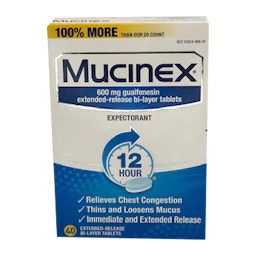
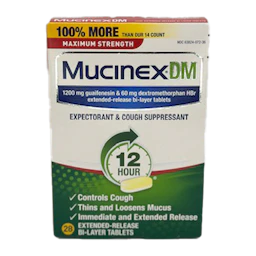
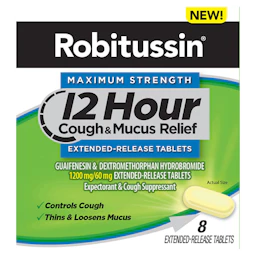
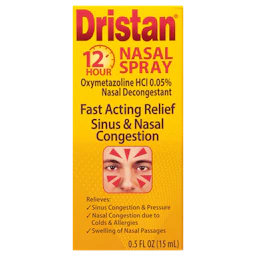
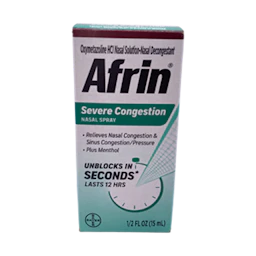
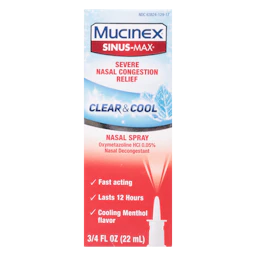
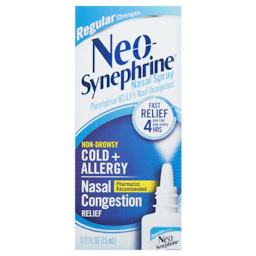
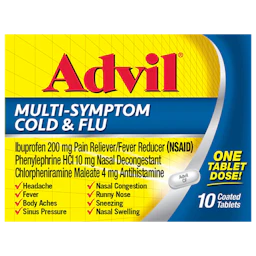
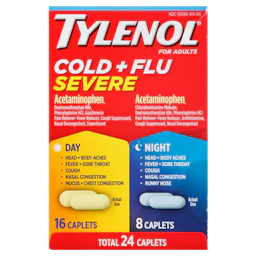
- Decongestants (e.g., pseudoephedrine or phenylephrine) to relieve nasal congestion
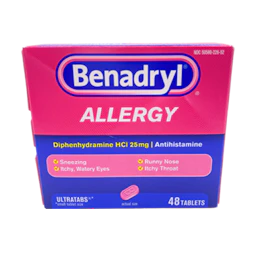
- Antihistamines to reduce sneezing and runny nose
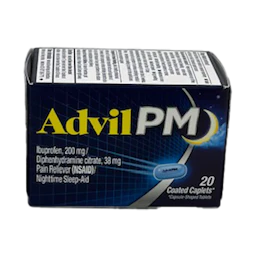
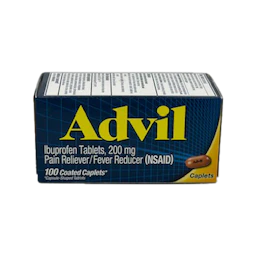
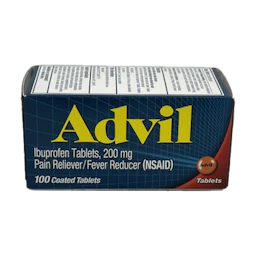
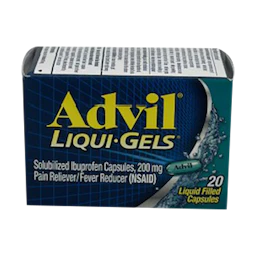
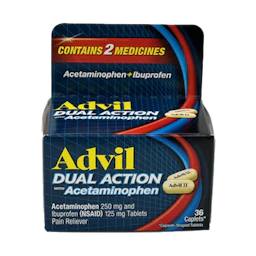
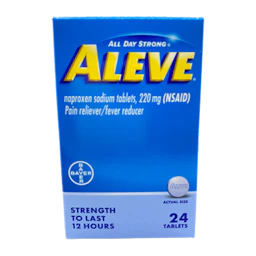
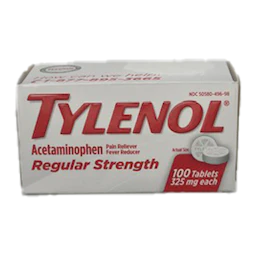
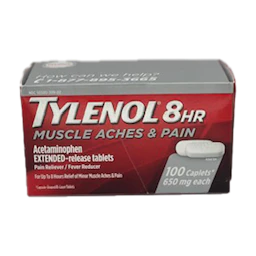
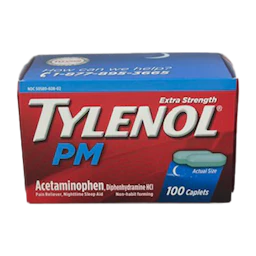
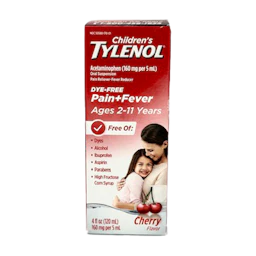
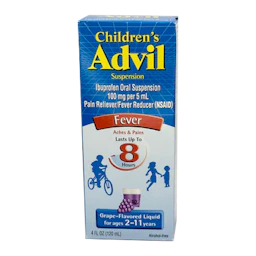
- Pain relievers (e.g., acetaminophen or ibuprofen) to alleviate sore throat, headaches, and mild body aches
Rest, hydration, and good nutrition are also important for supporting the body’s natural healing processes.
Flu Treatment
For the flu, antiviral medications such as oseltamivir (Tamiflu) or zanamivir (Relenza) may be prescribed to reduce the severity and duration of symptoms. These medications are most effective when started within the first 48 hours of symptom onset. Like the common cold, OTC medications such as pain relievers, decongestants, and cough suppressants (e.g., dextromethorphan) may also be used to alleviate symptoms. Bed rest, hydration, and good nutrition are crucial for supporting your immune response.
Common Treatment Options for Both Cold and Flu
- Rest: Getting plenty of sleep can help support your body’s immune response and aid in recovery.
- Hydration: Drinking plenty of fluids, such as water, tea, and broth, can help prevent dehydration and loosen mucus in your respiratory tract.
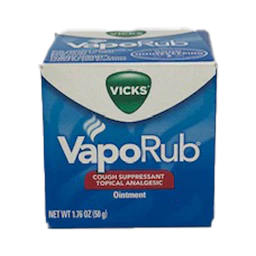
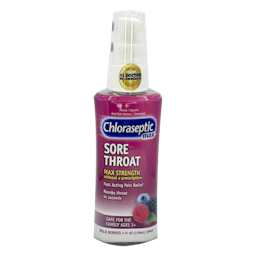
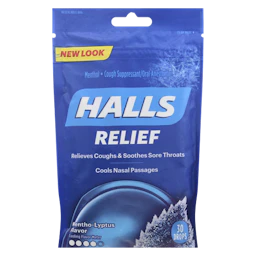
- Home remedies: Home remedies such as steam inhalation, saline nasal sprays or drops, and throat lozenges can help relieve symptoms and soothe irritation.
It’s important to remember that because these illnesses are caused by viruses, antibiotics are not effective in treating them. Treatment focuses on relieving symptoms and supporting your body’s natural immune response. Vaccines are also available for the flu and can help prevent infection or reduce the severity of symptoms if infection occurs.
Prevention
Preventing a cold or the flu involves taking certain precautions to reduce your risk of exposure to the viruses that cause these illnesses. Here are some steps you can take:
- Practice good hand hygiene: Regularly wash your hands with soap and water for at least 20 seconds to help prevent the spread of cold and flu viruses. Use hand sanitizer if soap and water are not available.
- Avoid close contact with those who are sick: Try to avoid close contact with individuals who have a cold or the flu. If you are sick, stay home to avoid spreading the virus to others.
- Cover your mouth and nose when coughing or sneezing: Use a tissue or cough/sneeze into the crook of your elbow to prevent the spread of germs.
- Disinfect surfaces: Use disinfectant wipes or sprays to clean surfaces and objects that may be contaminated with cold or flu viruses.
- Get vaccinated: Getting an annual flu shot can help protect against the flu virus and reduce the severity of symptoms if you do get sick.
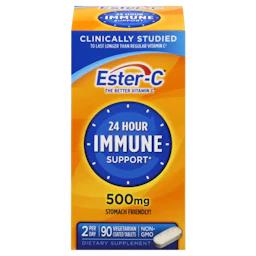
- Maintain a healthy lifestyle: Eating a healthy diet, getting regular exercise, managing stress, and getting enough sleep can all help support your immune system and reduce your risk of getting sick.
By taking these steps, you can help reduce your risk of getting a cold or the flu and protect yourself and those around you from the spread of these illnesses.
Related Topics

How Flu affects High-Risk Groups
The CDC estimates that from October 1, 2019-April 4, 2020, approximately 39 million—56 million people developed the flu, 410,000–740,000 people were hospitalized due to flu and 24,000–62,000 people died from flu.
Read more
Treatment for a Common Cold
Common illnesses like the flu and the common cold can result in a variety of painful symptoms. Although you may be familiar with the common cold, there are several things you should know that can make you feel better.
Read more
Medications for Cold and Flu
As fall turns to winter, cold and flu viruses become more common. Protect yourself by taking early precautions: get the annual flu vaccine, wash your hands frequently, and avoid close contact with sick individuals.
Read more
Allergy or Cold
Allergies are immune system responses to an allergen, such as pollen, dust, and/or pet dander, whereas colds are caused by viral infections in your upper respiratory tract.
Read more