Questions? Call us at 800-810-7790

- Eczema is a common skin condition characterized by patches of dry, red, itchy skin, typically symmetrical on both sides of the body.
- The cause of eczema is unknown but is likely linked to the immune system causing a dysfunction in the normal moisture barrier of the skin.
- There are many ways options to manage your eczema, including prevention through hydration and treatment with topical medications.
Overview
Eczema, also known as atopic dermatitis, is a chronic skin condition characterized by inflamed patches of dry, red, and intensely itchy skin. These patches may vary in size and location, and they can come and go over time. While eczema often begins in childhood, it can persist into adulthood or emerge later in life. The most commonly used term "eczema" usually refers to atopic dermatitis.
Other types of eczema are contact dermatitis and allergic dermatitis. These types have specific triggers and may look slightly different from atopic dermatitis. In contact and allergic dermatitis, the rash appears on the skin that came into contact with the trigger, while atopic dermatitis often appears on both sides of the body without a clear trigger. When people refer to eczema, they usually mean atopic dermatitis.
The location of eczema patches varies depending on age. Babies commonly have eczema on their face and scalp, while older children may develop patches on their elbows, knees, neck, and ankles. In adults, eczema is often found on the hands, neck, elbows, and face.
Symptoms
The symptoms of eczema can vary between individuals, but they typically include:
- Dry, sensitive skin
- Redness and inflammation
- Intense itching, leading to scratching and potential skin damage
- Appearance of raised bumps or blisters, which may ooze and crust over
- Thickened, scaly skin in affected areas
- Disrupted sleep due to itchiness and discomfort
Causes
Eczema arises from a disruption in the skin's natural barrier. While the exact cause remains unclear, it is likely influenced by various factors.
Genetic Factors
Eczema often shows a familial pattern, suggesting a genetic component. If a close family member has eczema, the likelihood of developing the condition increases. Specific genes related to skin barrier function and immune response may play a role in the development of eczema.
Environmental Triggers
Environmental factors can trigger or worsen eczema symptoms. These triggers may vary from person to person but commonly include:
- Irritants: Harsh soaps, detergents, fragrances, and certain fabrics can irritate the skin and lead to eczema flare-ups.
- Allergens: Substances like pet dander, pollen, dust mites, mold, and certain foods can act as allergens, triggering an allergic response and exacerbating eczema symptoms.
- Climate and Temperature: Dry or cold weather conditions, low humidity, and excessive heat can strip the skin of moisture, making it more prone to eczema flare-ups.
- Pollution: Exposure to pollutants and irritants, such as cigarette smoke and air pollution, can contribute to eczema symptoms.
Allergic Component
Eczema is often associated with allergies and is part of the "atopic triad," which includes asthma and allergic rhinitis. Allergies to specific substances, such as certain foods or environmental triggers, can aggravate eczema symptoms in some individuals.
Stress and Emotional Factors
Stress, anxiety, and emotional factors can have an impact on eczema. High levels of stress can trigger or worsen symptoms, leading to more frequent flare-ups. Additionally, scratching due to itchiness caused by eczema can be exacerbated by stress, creating a vicious cycle.
Managing Eczema
When it comes to managing eczema, there are two main approaches: prevention and topical medication.
Prevention of Eczema Flares
Preventing eczema flare-ups is key to reducing the frequency of symptoms. This primarily involves taking good care of your skin through hydration and avoiding irritants. Here are some simple steps to follow:
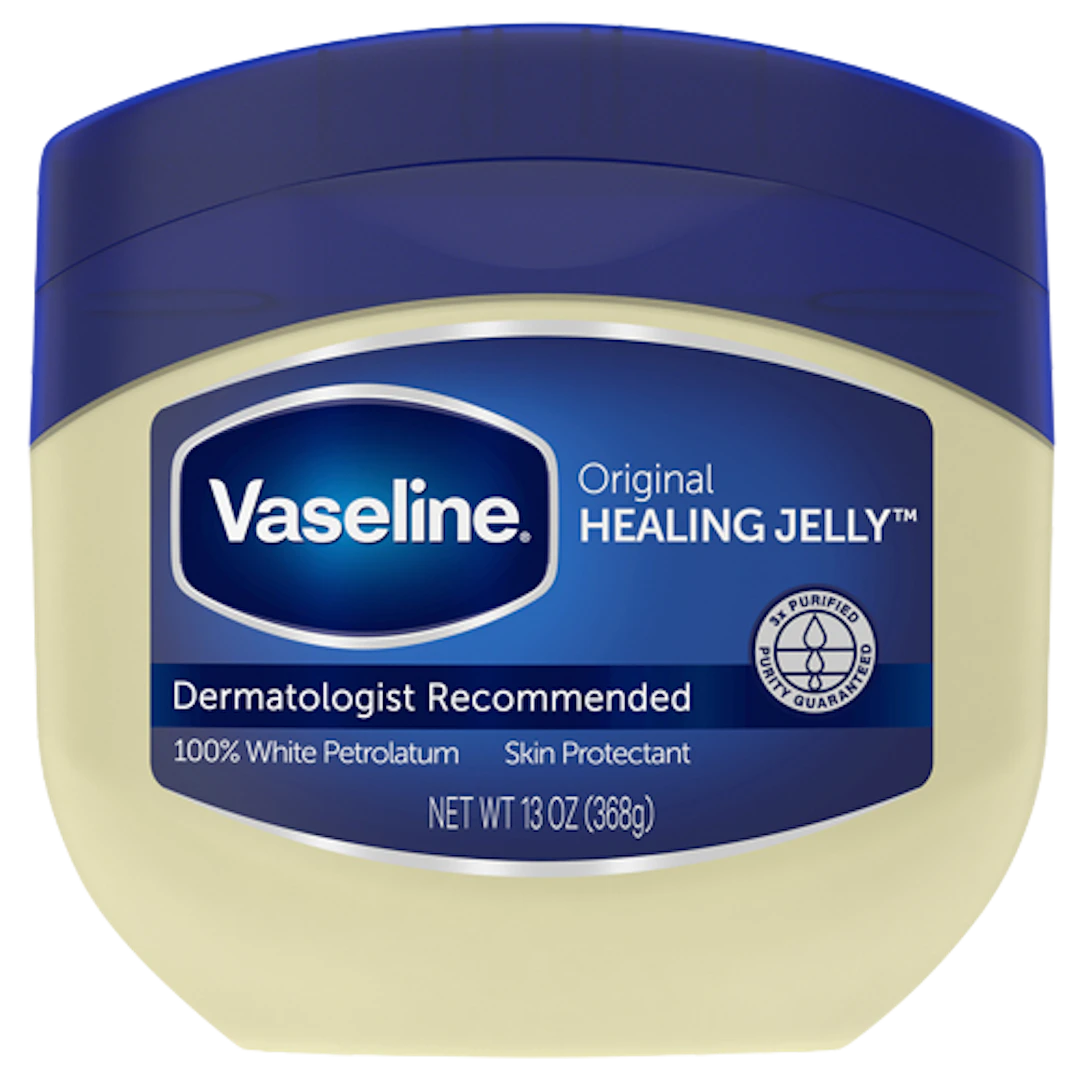
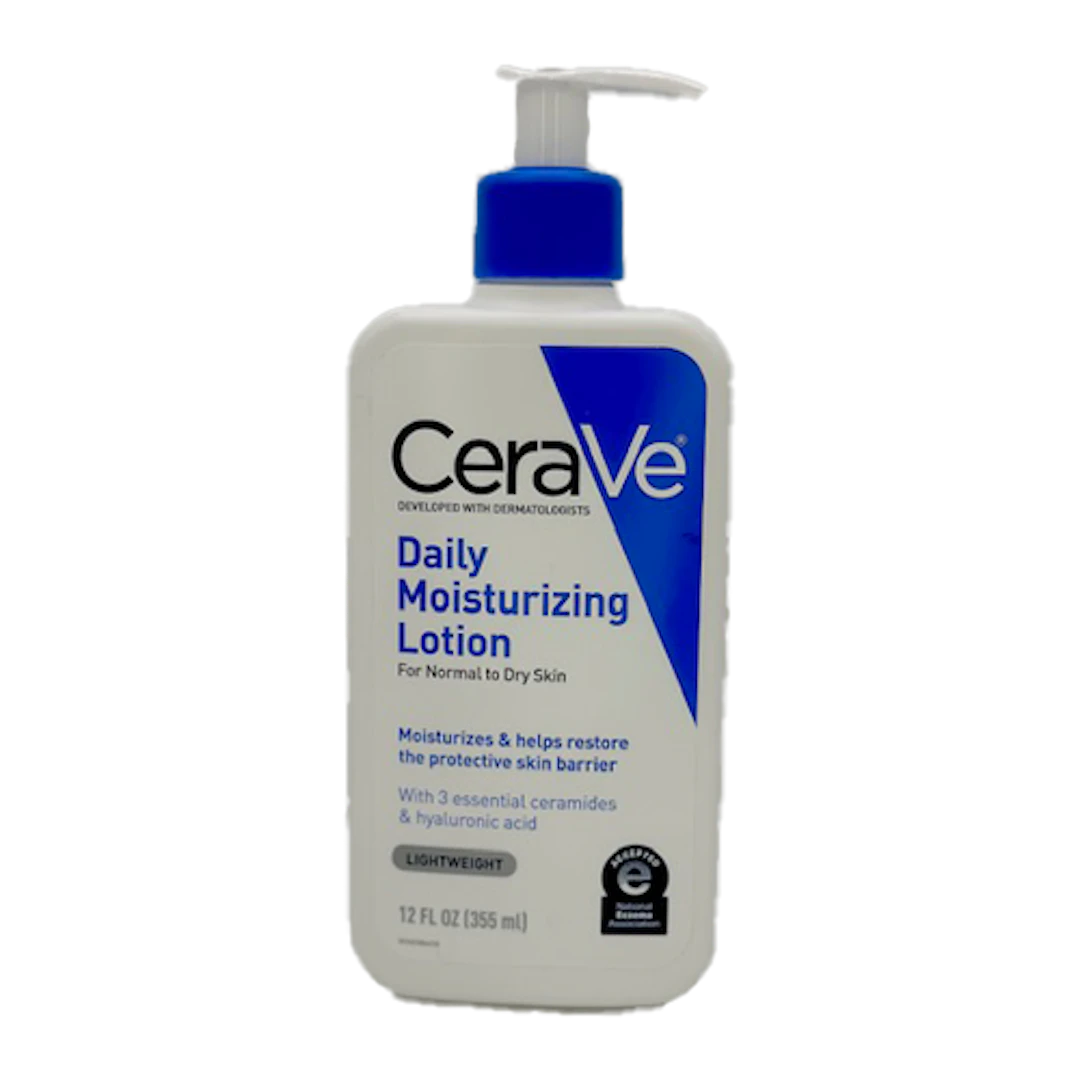
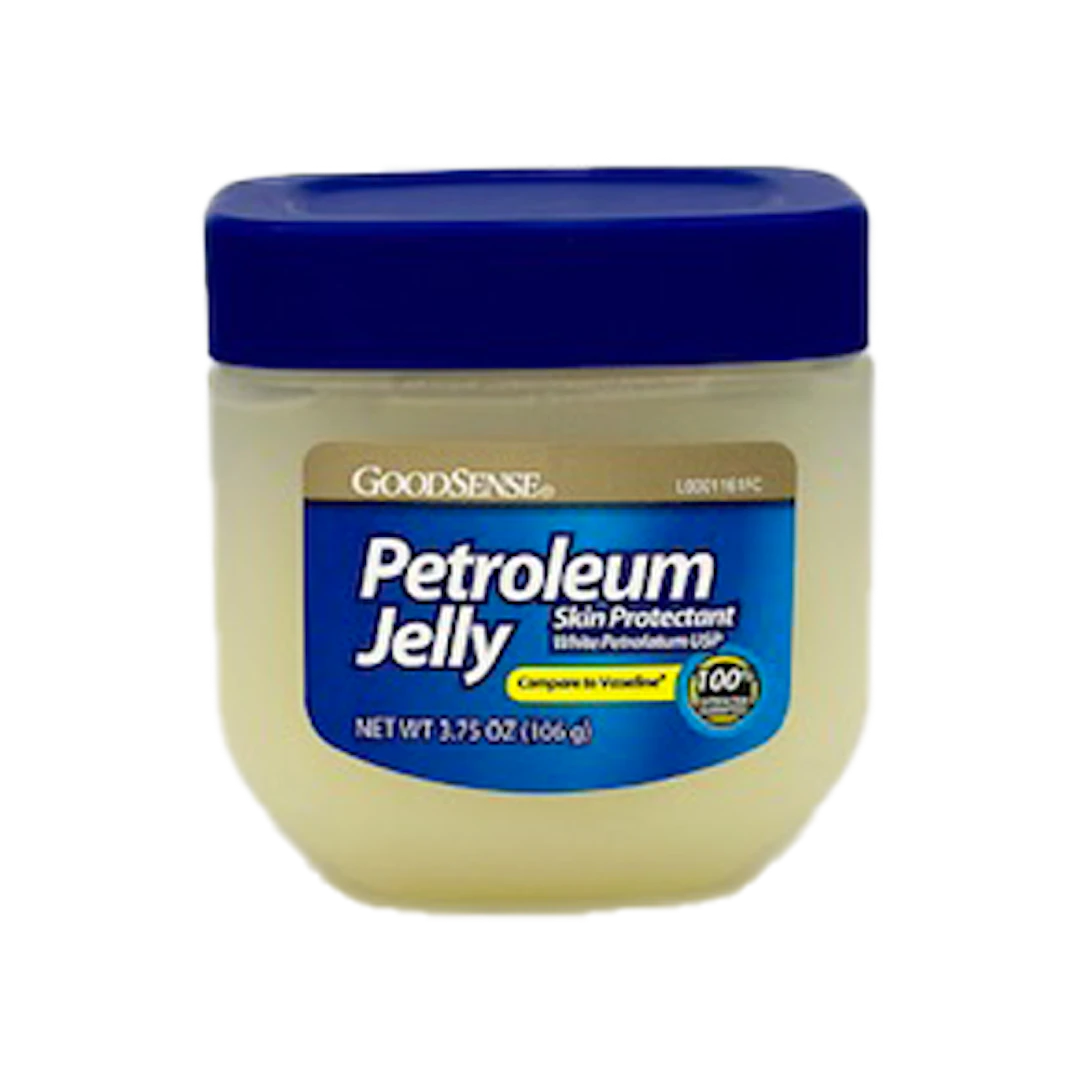
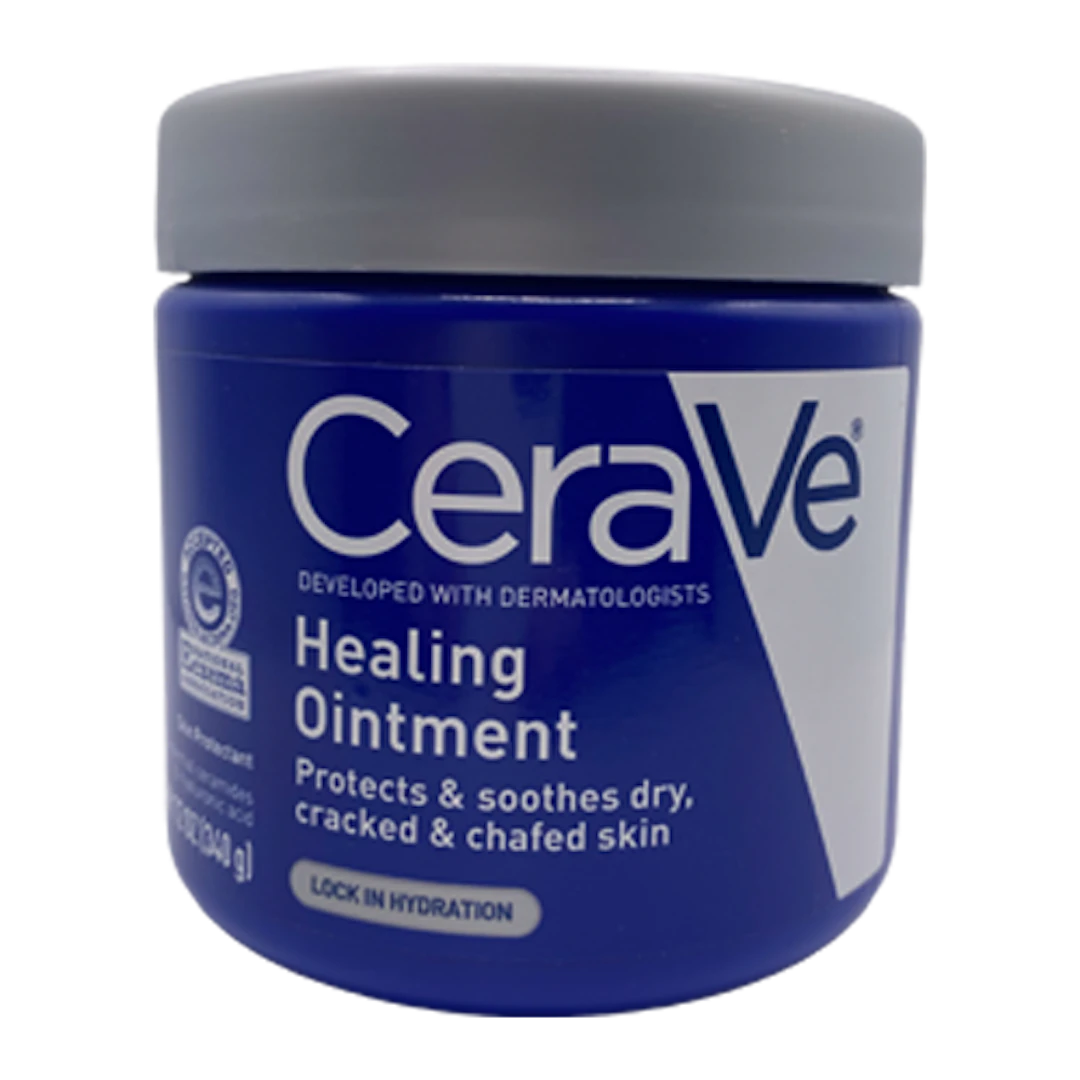
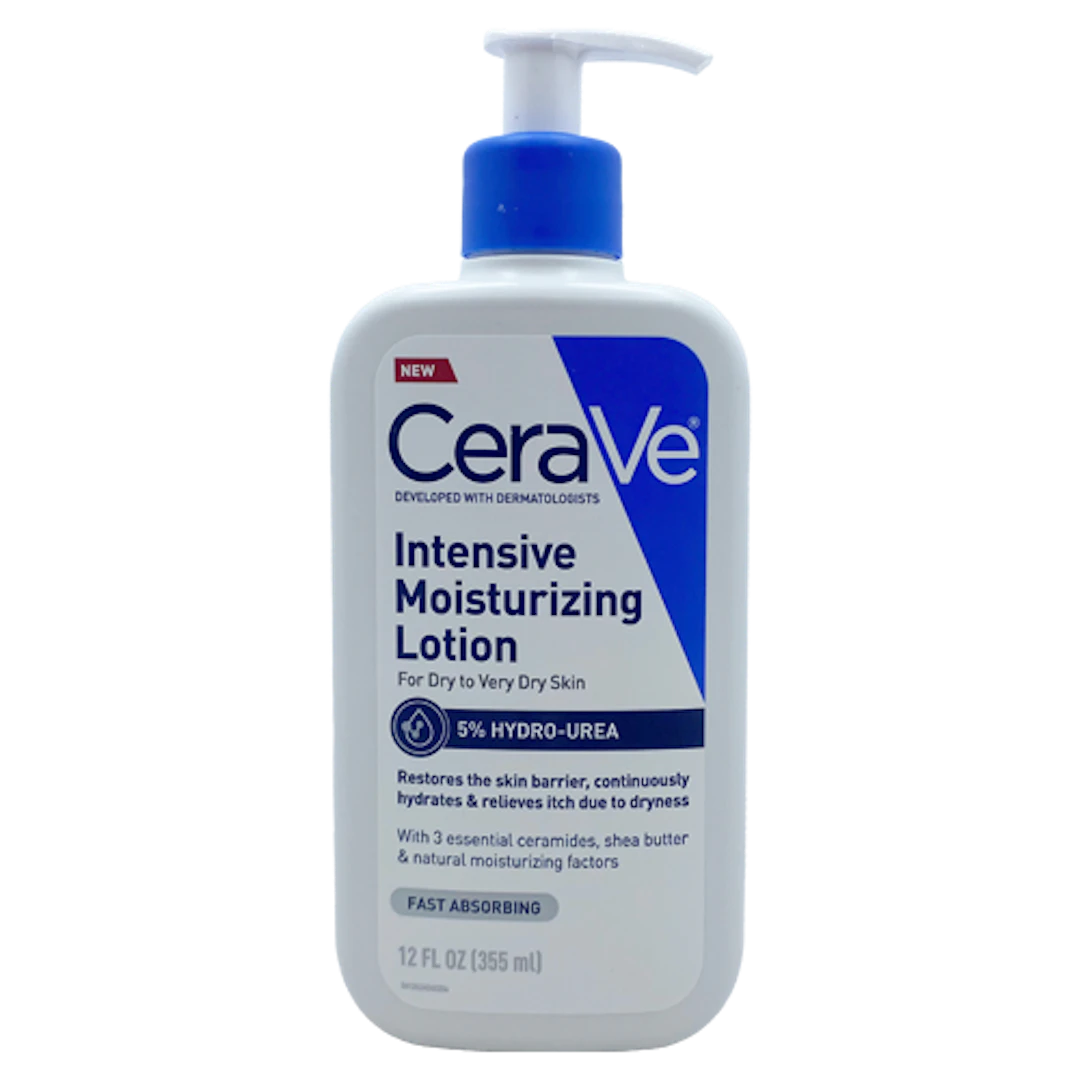
- Use fragrance-free moisturizers generously to keep your skin hydrated
- Take lukewarm baths or showers once or twice a day, as hot water can worsen eczema
- Avoid skincare products that contain alcohol, as alcohol can dry out the skin
- Opt for non-soap, fragrance-free cleansers that are gentle on the skin
- Wash your clothes using mild detergents without softeners or bleach
Topical Medication for Eczema Treatment
In addition to prevention, treating eczema involves managing symptoms and healing the affected skin patches. Treatment options can vary depending on the location and severity of the condition. They may include over-the-counter products as well as prescription medications.
Medications
When it comes to treating eczema, there are three main categories of medications available, and the choice of treatment depends on factors such as the location and severity of the condition, as well as the age of the individual.
Topical Corticosteroids
Topical corticosteroids are the primary treatment option for most individuals with eczema. These medications work by reducing inflammation and relieving itching. It's important to note that overuse of topical corticosteroids should be avoided, and they should not be used continuously for more than two weeks at a time. The potency of the corticosteroid used depends on the affected area and the severity of the eczema. Here are the potency categories:
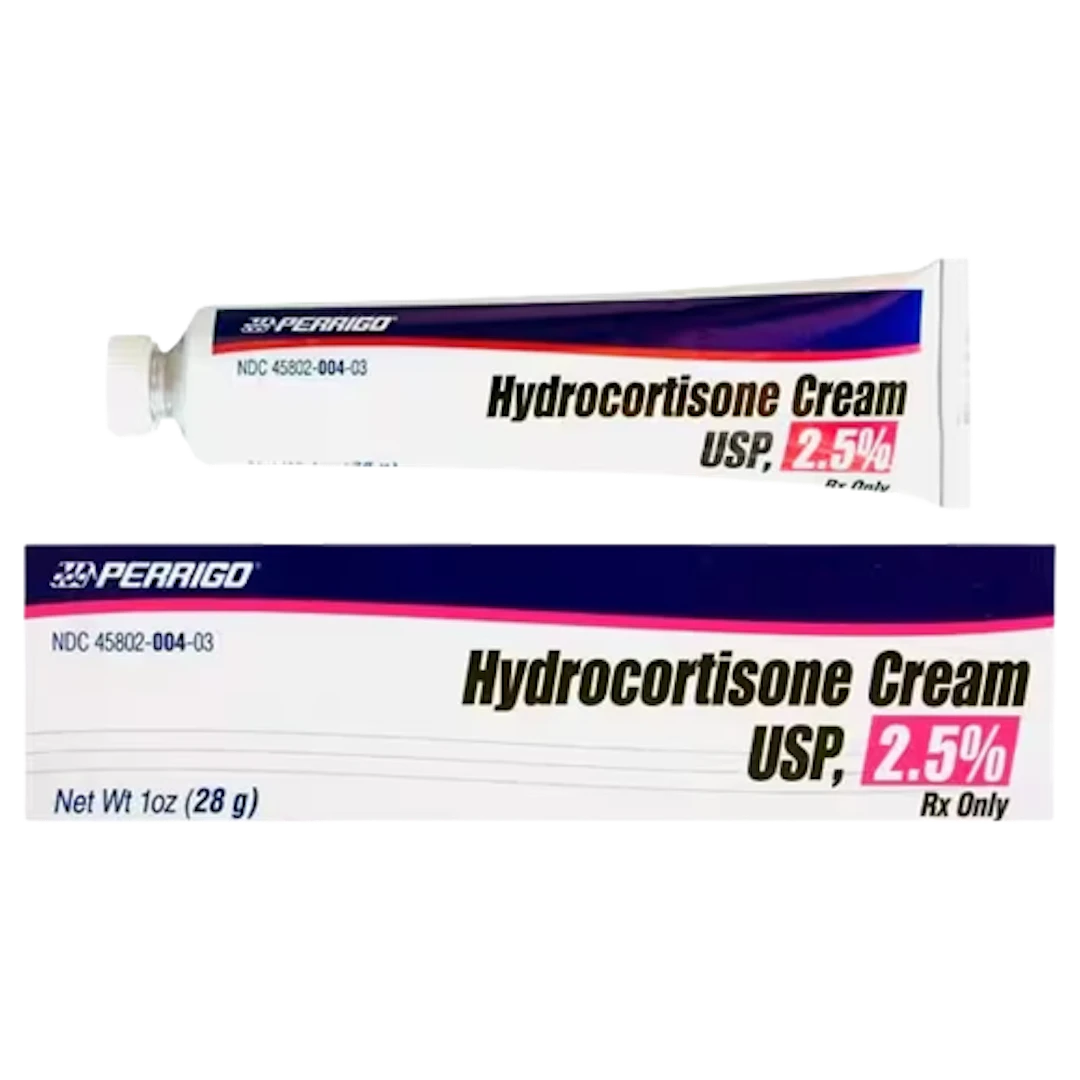
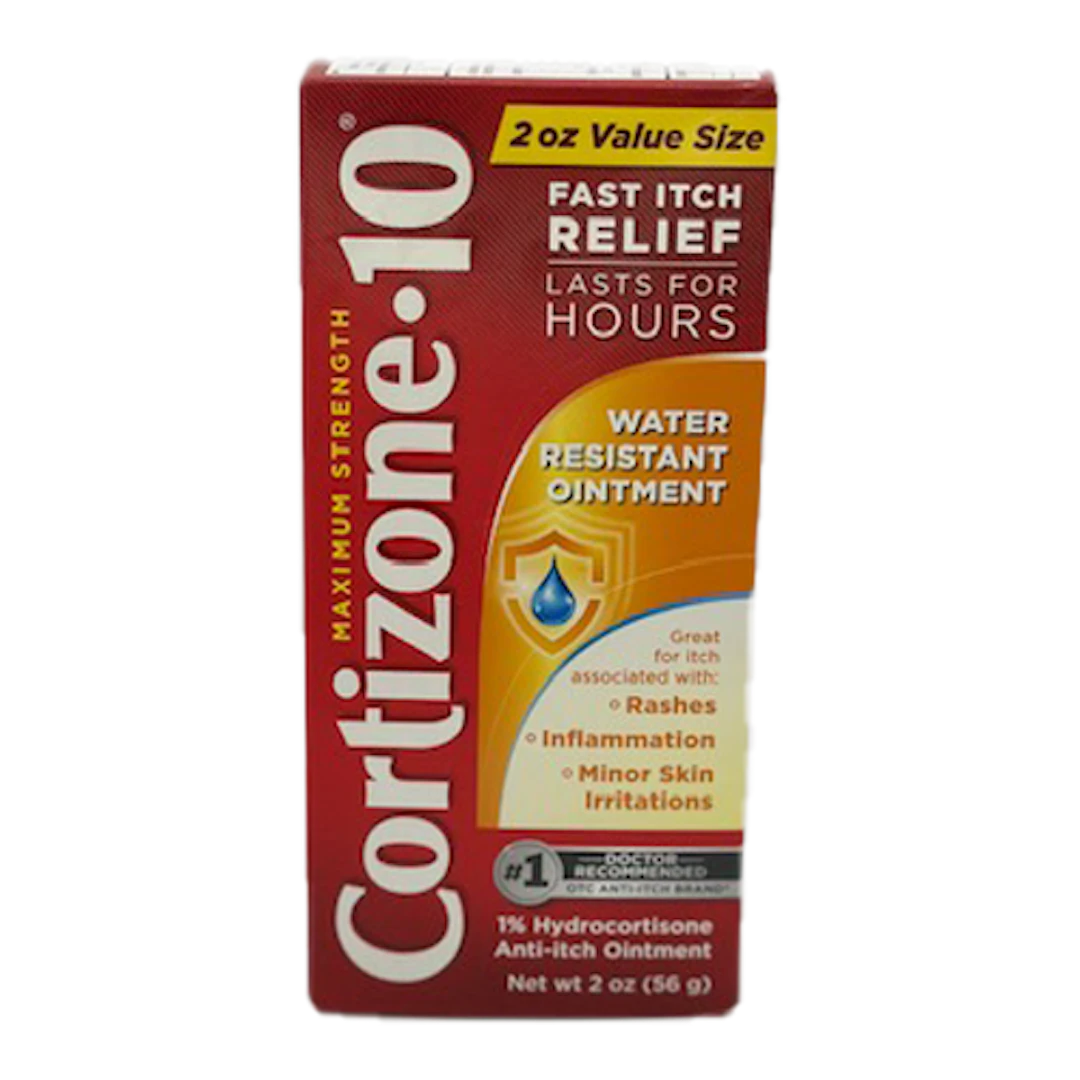
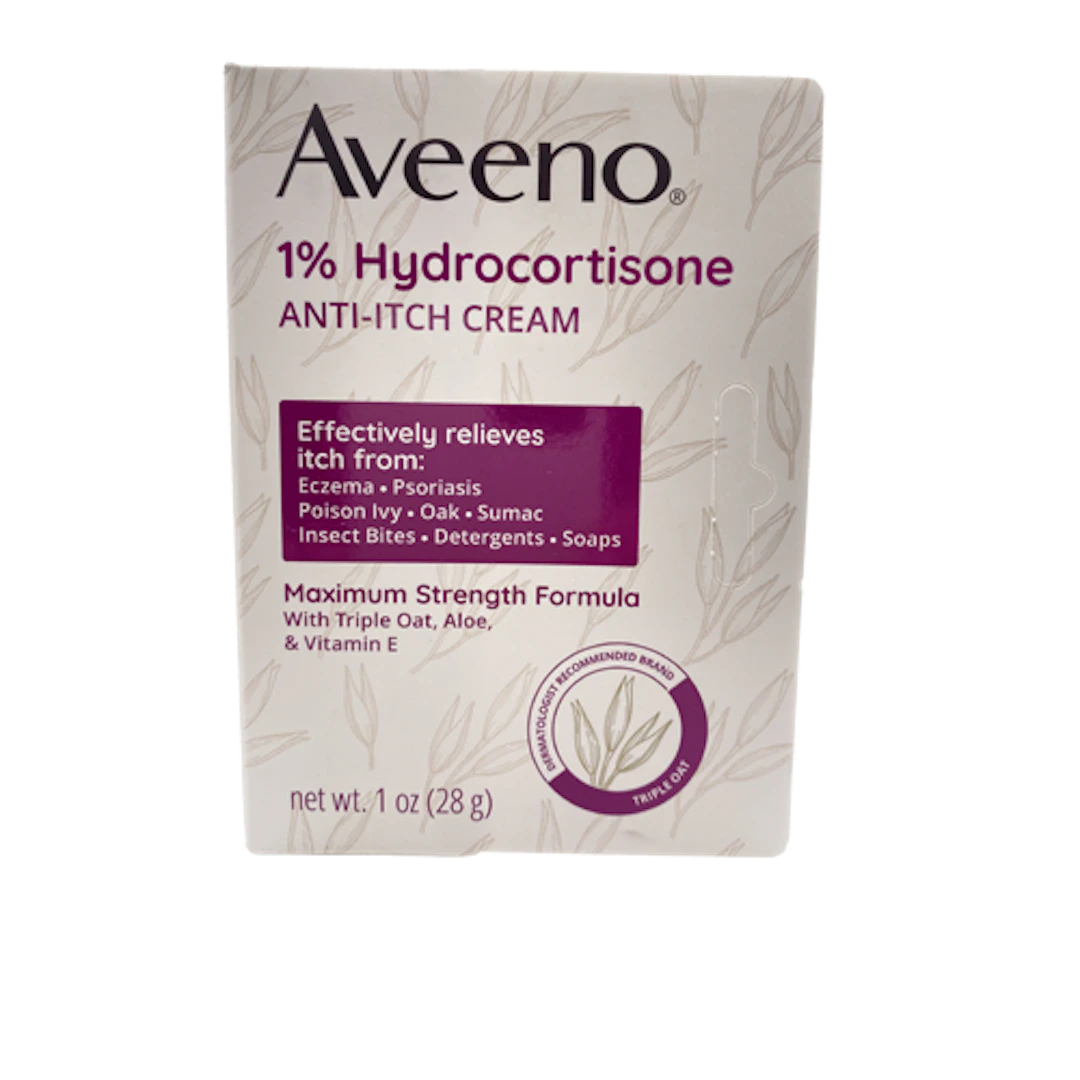
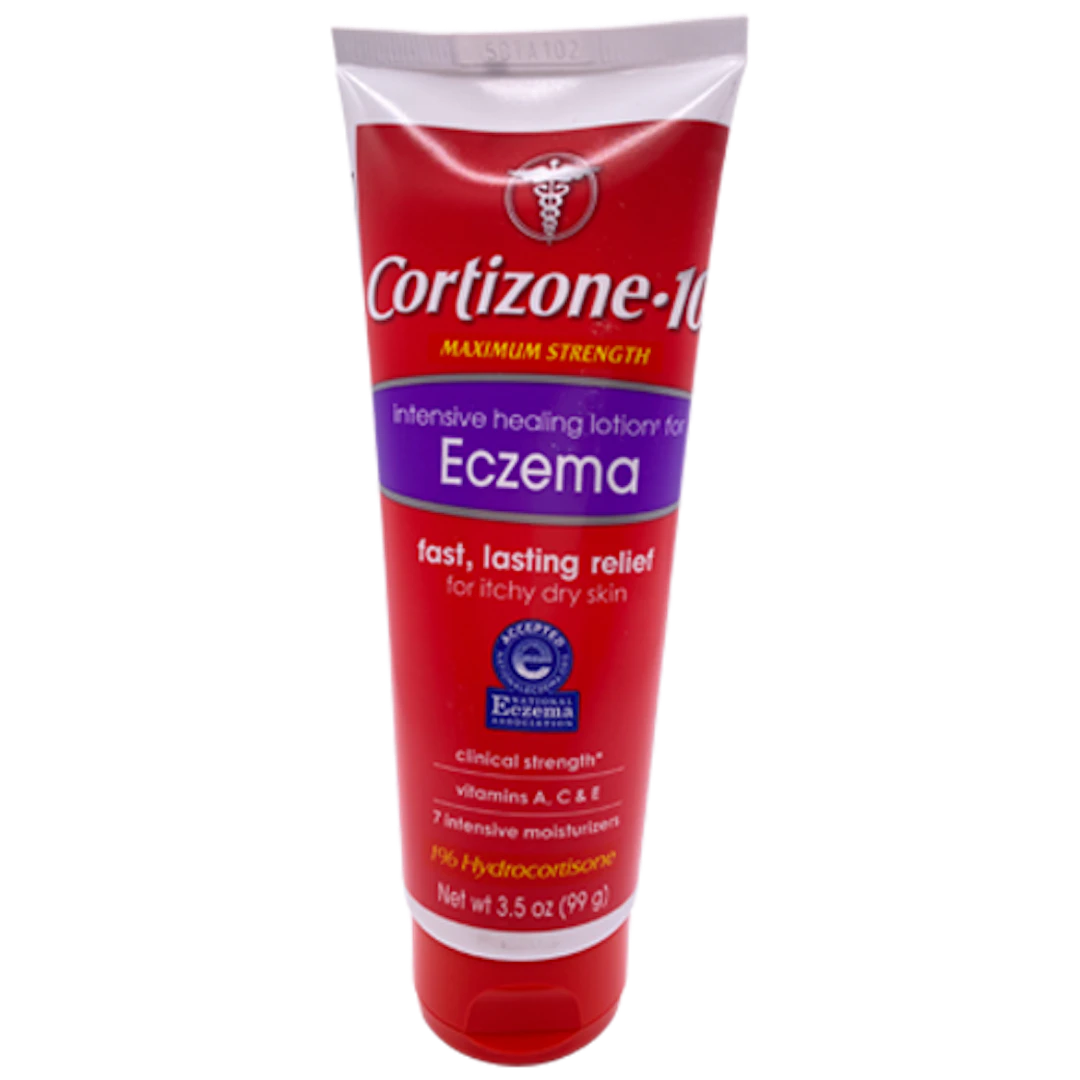
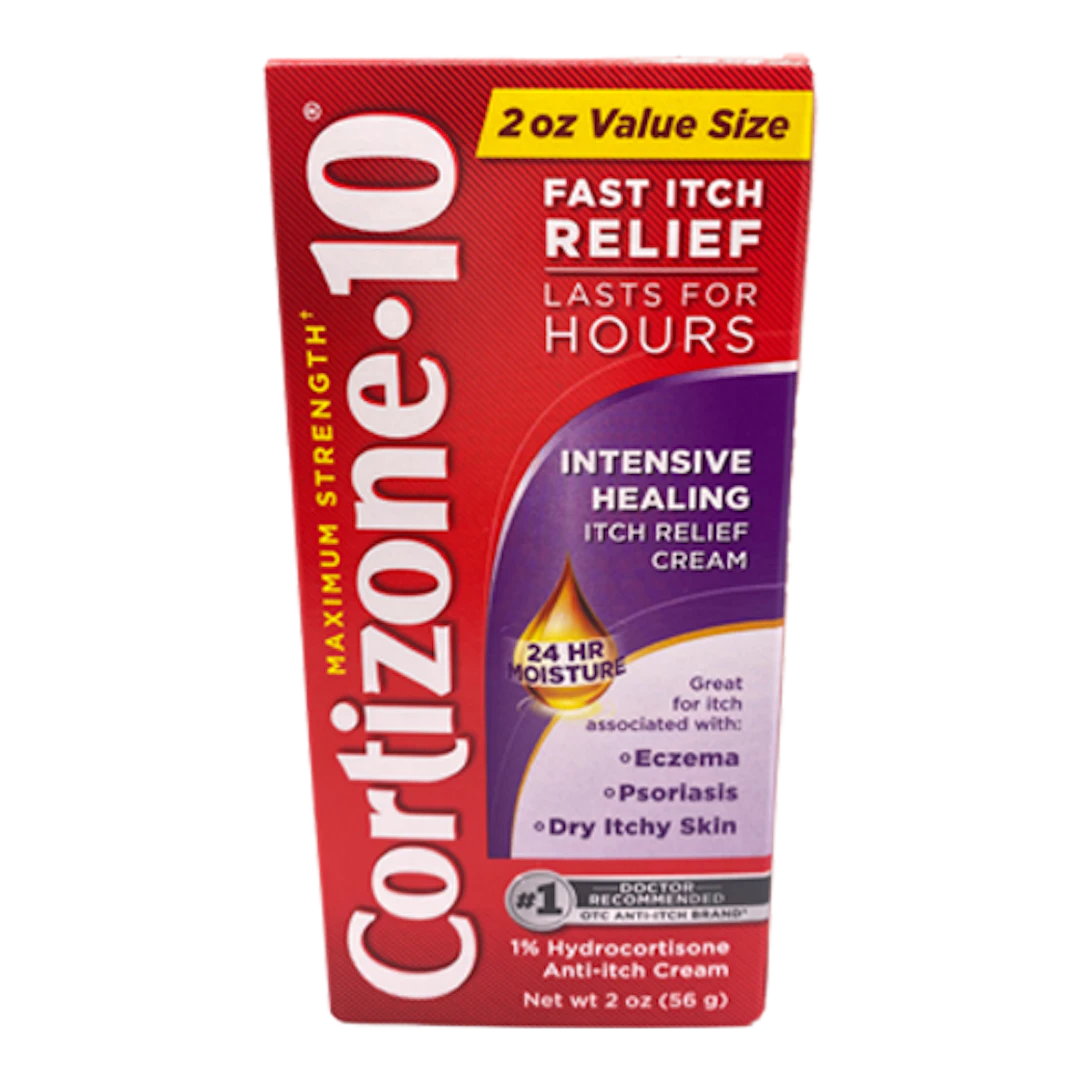
- Weak corticosteroids (e.g., 1% hydrocortisone): Suitable for use on the face, scalp, and for young children. They can be used for longer periods
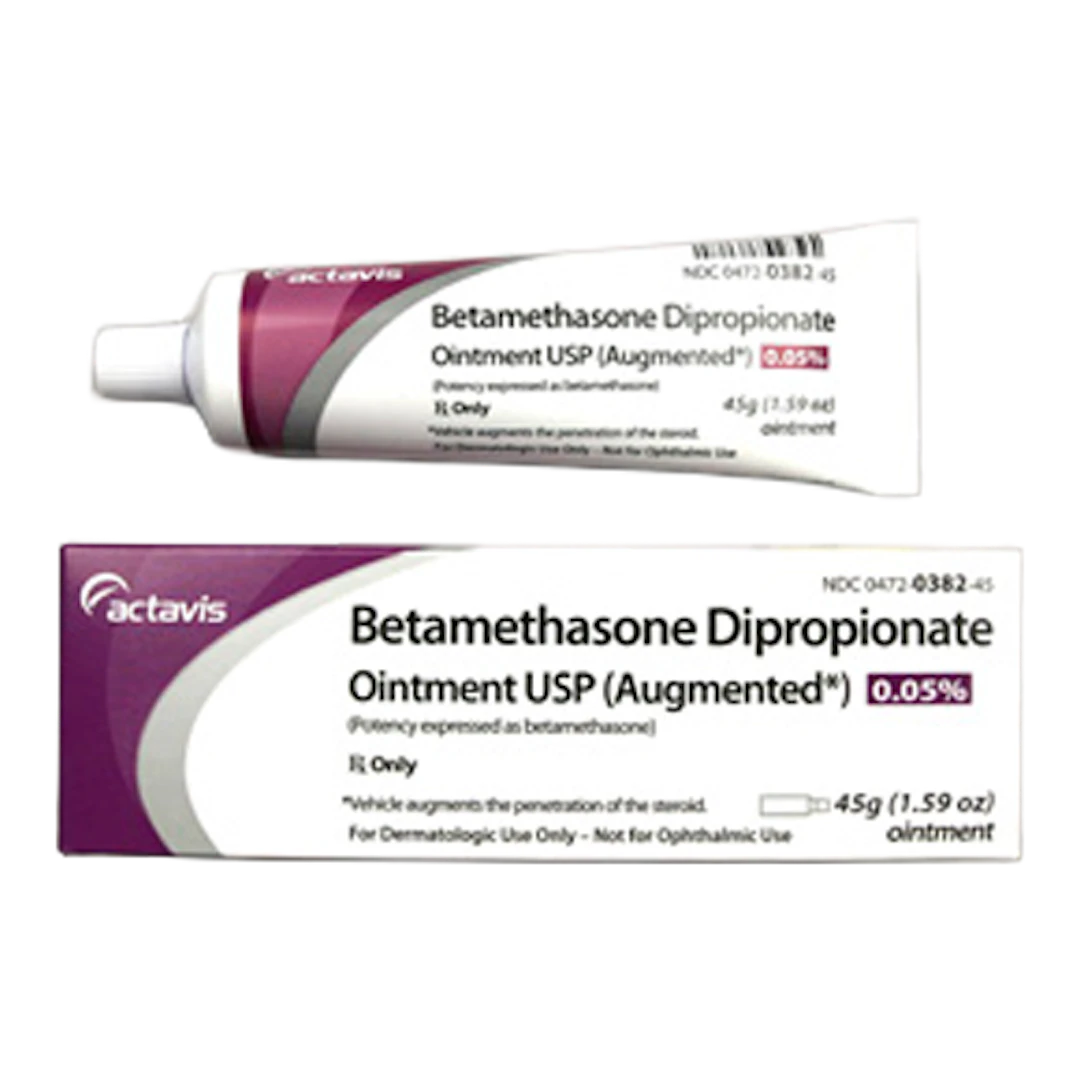
- Moderate corticosteroids (e.g., betamethasone valerate 0.05%): Versatile and can be used on most body areas, including skin folds
- Strong corticosteroids (e.g., mometasone furoate 0.1%): Effective for thicker skin areas like palms and soles, as well as severe patches of eczema with thickened skin
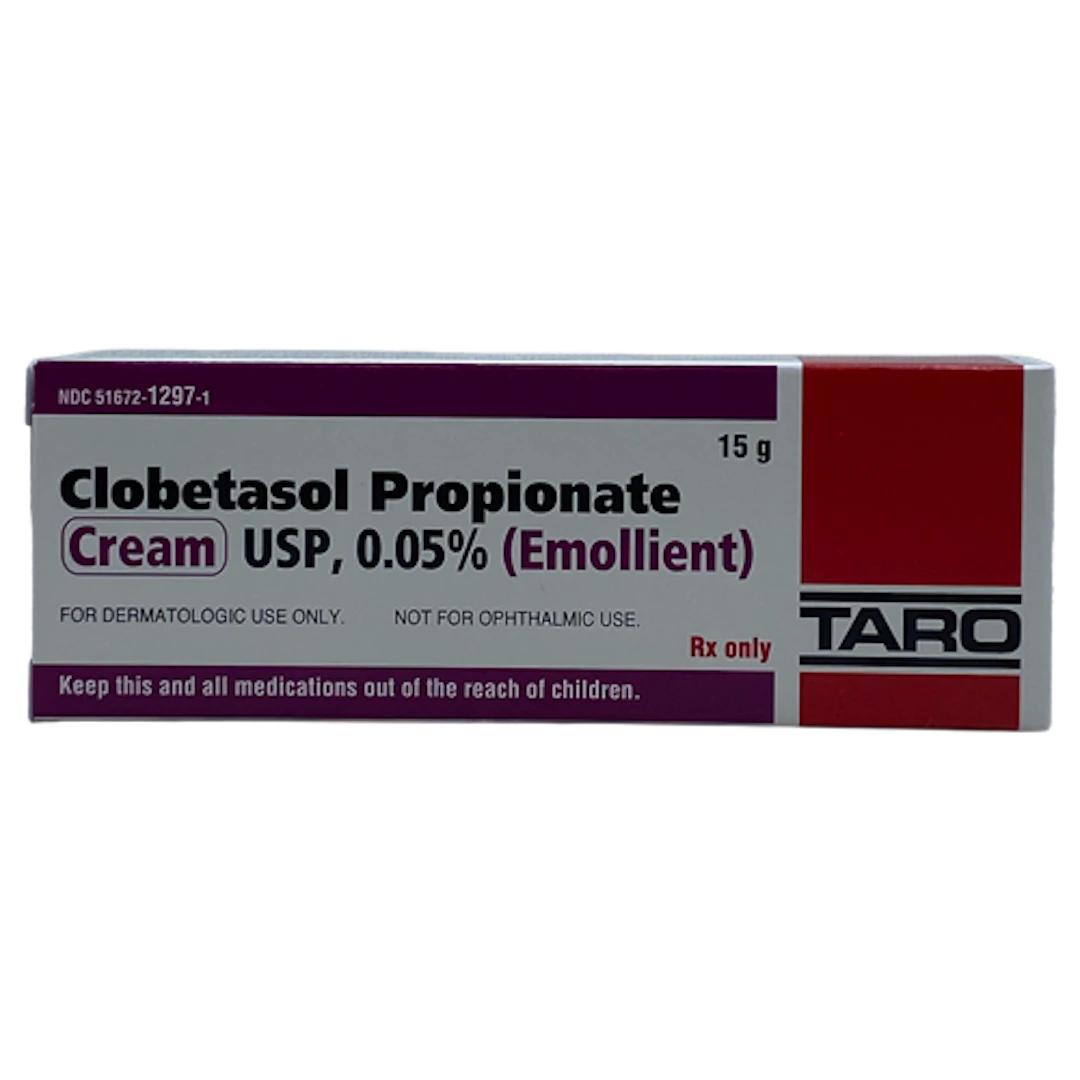
- Ultra-strong corticosteroids (e.g., clobetasol propionate 0.05%): Reserved for short-term use when other corticosteroids have failed to provide relief
Topical Calcineurin Inhibitors
Calcineurin inhibitors, such as tacrolimus ointment, are alternative medications used to reduce inflammation and itching in eczema. They are typically recommended for individuals who do not respond to corticosteroids or for those who require long-term treatment in sensitive areas, such as the face or groin.
Topical Phosphodiesterase-4 Inhibitors
Phosphodiesterase-4 (PDE4) inhibitors, such as crisaborole, are newer medications for eczema treatment. They work by relieving itching and reducing inflammation. These medications are suitable for mild to moderate eczema and can be used on any area of the skin.
It's important to work closely with a healthcare professional or dermatologist to determine the most appropriate medication, strength, and duration of treatment for your specific condition. They can provide personalized recommendations based on the severity and location of your eczema.
Related Topics
The Atopic Triad: Asthma, Eczema, and Allergic Rhinitis
It has been observed that these three conditions often coexist within individuals and families. For example, if your mother has one of these atopic conditions, you have a 50% chance of developing any one of the three. If both parents have an atopic condition, the risk increases to 80%.
Choosing the Right Corticosteroid for Your Eczema
The primary focus is on symptom management and clearing up the affected patches. The main treatment option for eczema is topical corticosteroids, which effectively reduce itching and inflammation. Topical corticosteroids are available in different potencies, ranging from low to ultra-high. The choice of potency depends on the thickness and location of the affected skin.