Questions? Call us at 800-810-7790

- Ehlers-Danlos syndrome (EDS) is a group of genetic disorders that affect the body's connective tissue, primarily its collagen, which provides structure to skin, joints, and blood vessels.
- The most common symptom is joint hypermobility, which can lead to frequent dislocations, chronic pain, and a feeling of being "double-jointed."
- EDS also causes fragile or stretchy skin that bruises easily and may heal with thin or wide scarring.
- There is no cure for EDS, so treatment focuses on managing symptoms through physical therapy, pain management, and other supportive care.
Overview
Ehlers-Danlos syndrome (EDS) is a group of rare, inherited disorders that affect the body's connective tissue. This tissue provides support and structure to your skin, joints, blood vessels, and other organs.
People with EDS have a defect in the production or use of collagen, a protein that acts like a "glue" to hold the body together. This leads to common symptoms like loose joints, fragile or stretchy skin, and easy bruising. Because symptoms vary from person to person, EDS is often misdiagnosed or overlooked.
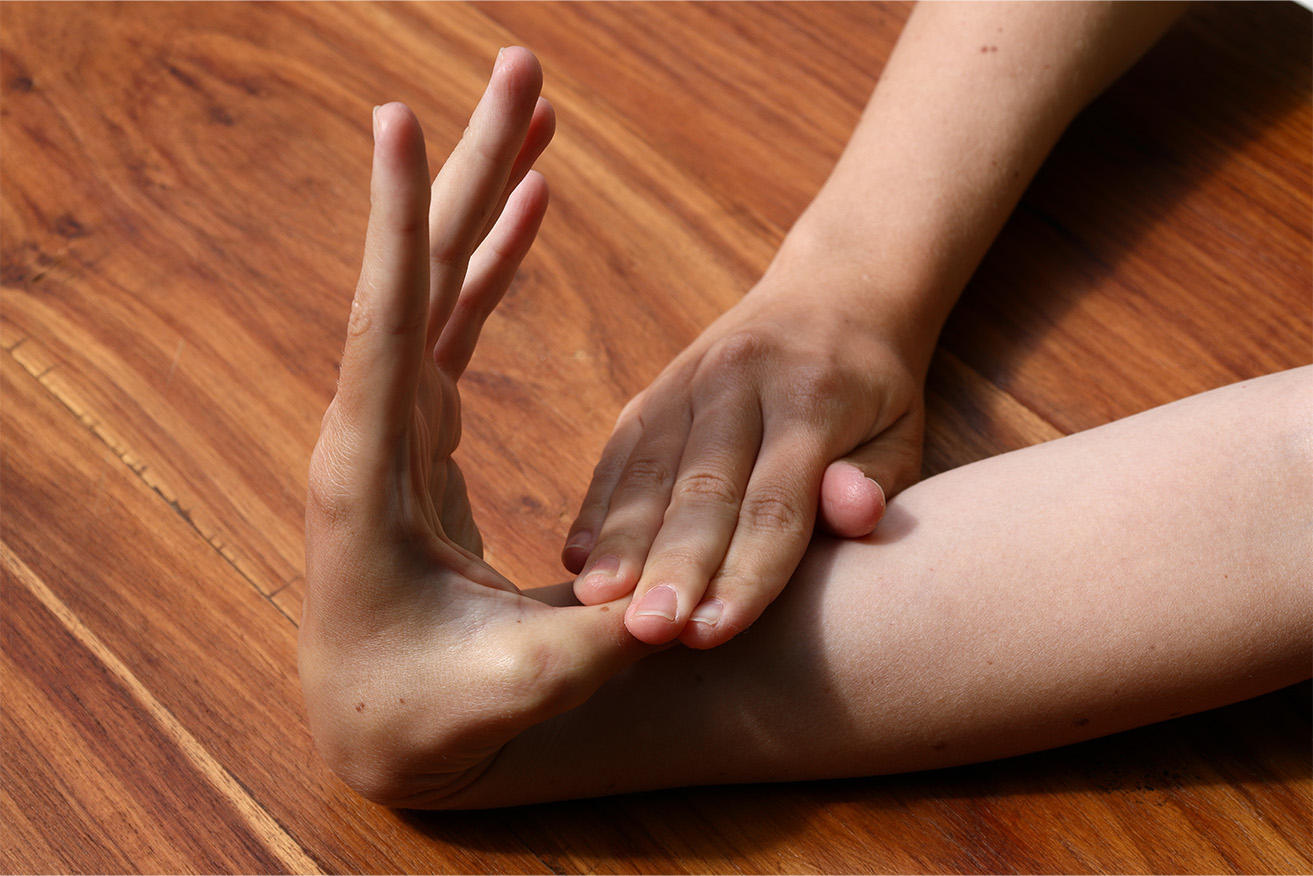
There are 13 recognized types of EDS, each with its own genetic cause and unique features. While some types are mild and mainly affect the joints, others are more severe and can lead to life-threatening issues in the organs or blood vessels.
How common is it?
The misplaced bacteria ferment food, especially carbohydrates, too early in the digestive process. This can cause:
- Hypermobile EDS (hEDS): The most common, affecting roughly 1 in 3,100 to 1 in 5,000 people—though experts believe the true number is higher. hEDS makes up about 90% of EDS cases.
- Classical EDS (cEDS): Less common, about 1 in 20,000 to 1 in 40,000.
- Vascular EDS (vEDS): Rare and more serious, about 1 in 100,000 to 1 in 200,000.
- Other types: Extremely rare, many occurring in fewer than 1 in 1,000,000 people.
Symptoms
The symptoms of EDS often vary from person to person and may not appear all at once. The signs can be subtle at first, but over time, they form a clear pattern.
One of the most common signs is unusual joint flexibility, also known as hypermobility. This can present as:
- Joints that bend more than usual (“double-jointed”)
- Frequent sprains or dislocations
- Chronic joint pain
Skin symptoms:
- Stretchy (hyperextensible) or soft, velvety skin
- Fragile skin that bruises or tears easily
- Unusual scarring: Thin, crinkly, or widened scars.
Other possible issues (depending on type):
- Slow healing after injuries or surgery
- Digestive problems
- Gum disease or poor healing after dental work
- Dizziness when standing up quickly
Some people may experience a general sense that their body doesn’t “hold together” like others’, which can lead to delayed or missed diagnoses.
Causes
All forms of Ehlers-Danlos syndrome are genetic. They are caused by changes, or mutations, in specific genes that direct the body on how to produce collagen and other related proteins.
These genetic changes can be inherited from one or both parents, or they can occur randomly as a new mutation with no family history of the disorder.
| Most Common |
|---|
Hypermobile EDS (hEDS)
|
| Less Common but Significant |
Classical EDS (cEDS)
|
| Extremely Rare |
Cardiac-valvular (cvEDS), Musculocontractural (mcEDS), Myopathic (mEDS), Spondylodysplastic (spEDS), Brittle Cornea Syndrome (BCS), Periodontal EDS (pEDS)
|
Risk Factors
Since EDS is a genetic condition, you are either born with it or not. The main risk factor is having a close family member with EDS. If someone in your family has been diagnosed, especially with symptoms similar to yours, your risk increases.
It's important to know that you cannot develop EDS from lifestyle choices, exercise, or an injury. However, if you already have undiagnosed hypermobile joints, certain activities could cause symptoms to appear earlier or worsen over time.
Diagnosis
There’s no single test for every type of Ehlers-Danlos syndrome (EDS). Each type has its own traits, such as joint looseness, stretchy skin, fragile tissues, or unusual healing patterns.
For most types, doctors can use genetic testing to confirm the diagnosis.
But with hypermobile EDS (hEDS), the situation is different. The gene or genes behind hEDS haven’t been identified yet, so there’s no laboratory test available. Diagnosis is based on:
- Reviewing medical history and symptoms
- Ruling out other conditions
- Comparing the patient’s signs with the established clinical criteria
If criteria for hEDS aren’t met, but a person still has significant joint hypermobility and related problems, they might be diagnosed with hypermobility spectrum disorder (HSD) instead.
Getting the right diagnosis can take time. Many people go years without answers. Often, a geneticist or a doctor experienced with connective tissue disorders is needed to confirm the diagnosis.
Treatment
There’s no single treatment plan that works for everyone with EDS. Care is tailored to symptoms, which can vary widely from joint instability to pain, fatigue, or organ involvement.
Managing Joint Issues
- Strengthening muscles around joints can improve stability and reduce pain.
- Low-impact exercises like swimming or gentle stretching may help—but it’s important to avoid movements that strain or jar the joints.
- Braces or supports can be used when joints feel unstable (e.g., finger splints for typing or knee braces for walking).
Pain Management
Options may include topical creams, heat or cold therapy, water exercises, or pacing strategies to manage flares. There’s rarely one solution, it often takes trial and error.
Supportive Therapies
- Occupational therapy: Helps with grip strength and hand pain.
- Physical therapy: Focuses on pacing strategies and controlled movement.
- Speech therapy: Useful for those with swallowing or voice issues.
Mental Health Support
Living with chronic pain or feeling misunderstood can be exhausting. Therapy, especially with professionals who understand chronic illness, can help with coping strategies and emotional well-being.
Treatment usually involves a team of specialists, working together to find what works best for each individual.
Living With EDS
Because EDS is genetic, it cannot be prevented. But people can learn ways to avoid unnecessary strain and reduce complications.
Practical Strategies:
- Understand triggers: Notice which activities or movements cause pain or injury
- Protect joints: Adjust sitting, sleeping, or lifting habits to reduce stress on unstable areas
- Use supports wisely: Braces or mobility aids as needed—not all the time, but when joints feel unstable
- Adapt lifestyle: Some people avoid high-impact sports, while others learn safer ways to exercise and stay active
- Genetic counseling: Helpful for families with a history of EDS who want to discuss risks for future children
The focus isn’t on “fixing” everything, but on working with your body, knowing limits, pacing yourself, and making small changes that add up to better long-term health.