Questions? Call us at 800-810-7790

- Head lice are tiny insects that live on the human scalp and feed on blood.
- It spreads primarily through head-to-head contact, but can also spread through shared items like hairbrushes.
- The primary symptom is itching, caused by an allergic reaction to lice bites. Other symptoms include a tickling sensation and visible nits or lice.
- Head lice is treated with over-the-counter and prescription medications, along with combing to remove nits and dead lice.
- Preventive measures include avoiding head-to-head contact, not sharing personal items, and regular check-ups in high-risk settings like schools.
Overview
Lice are parasitic insects that feed exclusively on human blood. Different species of lice target specific areas of the body, each with adaptations suited to their preferred host location.
Types of Human Lice
- Head Lice (Pediculus humanus capitis): The most common type, infesting the scalp and hair, causing itching and discomfort. They primarily affect young children.
- Body Lice (Pediculus humanus corporis): Associated with poor sanitation, these lice live and lay eggs on clothes, crawling onto the skin only for feeding.
- Pubic Lice (Pthirus pubis or crab louse): These infest coarse hair in the genital area but can spread to armpits, chest, and beards.
Life Cycle of Head Lice
Head lice (Pediculus humanus capitis) are tiny blood-sucking insects that live on the human scalp and hair, causing itching and irritation. Head lice go through three distinct stages in their lifespan:
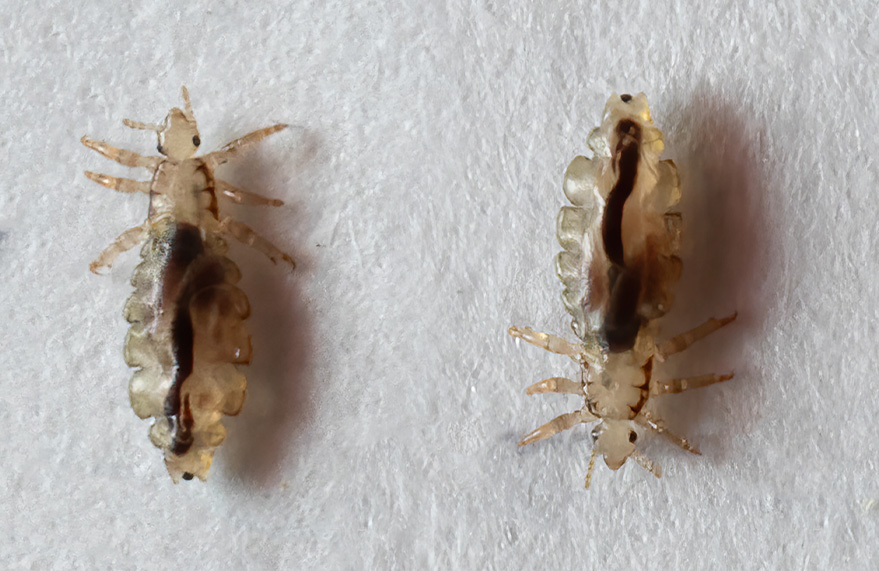
- Nit (Egg): Oval-shaped, tiny eggs glued to hair shafts near the scalp, often mistaken for dandruff (hatches after 7-9 days).
- Nymph: Hatched nits develop into immature lice (nymphs) resembling adult lice but smaller (lasts 7-10 days).
- Adult: Nymphs mature into adult lice within 9-12 days. Adults are about the size of a sesame seed, have six legs, and are tan to grayish-white. Female adults lay 6-10 eggs daily. This stage lasts 3-4 weeks.
It is important to treat all stages of head lice to prevent re-infestation.
Prevalence
Head lice are a common nuisance, particularly affecting children. Approximately 6 to 12 million head lice infestations occur annually in the United States among children aged 3 to 11.
Children are at a higher risk due to close head-to-head contact often encountered in schools and during playtime. While anyone can get head lice, this age group is most frequently impacted.
It's important to note that head lice infestations are not a reflection of poor hygiene.
Symptoms
The most common symptom of head lice is itching. This is often caused by an allergic reaction to lice bites. However, it's important to note that not everyone with head lice experiences itching. In some cases, itching may not develop for several weeks.
Other signs of head lice include:
- Tickling or crawling sensation on the scalp.
- Visible nits (lice eggs): These are tiny, oval-shaped objects firmly attached to hair shafts, often near the scalp. They can be mistaken for dandruff.
- Adult lice or nymphs: These may be seen crawling on the scalp, particularly around the ears and neckline.
If scratching becomes excessive, it can lead to sores on the scalp that may become infected.
Transmission
Head lice primarily spread through direct head-to-head contact with an infested person. This is most common among children who often play in close proximity. Activities like hugging, sharing hats, or sleeping together can facilitate the spread.
Indirect transmission is also possible through sharing personal items such as:
- Hairbrushes and combs
- Hats
- Headphones
- Pillowcases
- Towels
It's important to note that head lice cannot jump or fly, and they do not transmit diseases.
Diagnosis
According to the guidelines of the American Academy of Pediatrics, the most reliable method for diagnosing head lice is finding a live nymph or adult louse.
Head lice are typically diagnosed through a visual inspection of the scalp and hair. Healthcare professionals, including doctors or school nurses, examine the hair for live lice, nymphs, or eggs (nits).
- Live lice: These are small, six-legged insects that move.
- Nymphs: These are immature lice, smaller than adults.
- Nits (eggs): These are tiny, oval-shaped objects firmly attached to hair shafts near the scalp.
While the presence of nits and itching can be suggestive of head lice, it's crucial to confirm the diagnosis by finding live lice. In some cases, a bright light might be used to improve visibility.
Treatment
Head lice are commonly treated using over-the-counter (OTC) and prescription medications, with the primary goal of killing live lice, nymphs, and eggs (nits).
Over-the-Counter (OTC) Medications
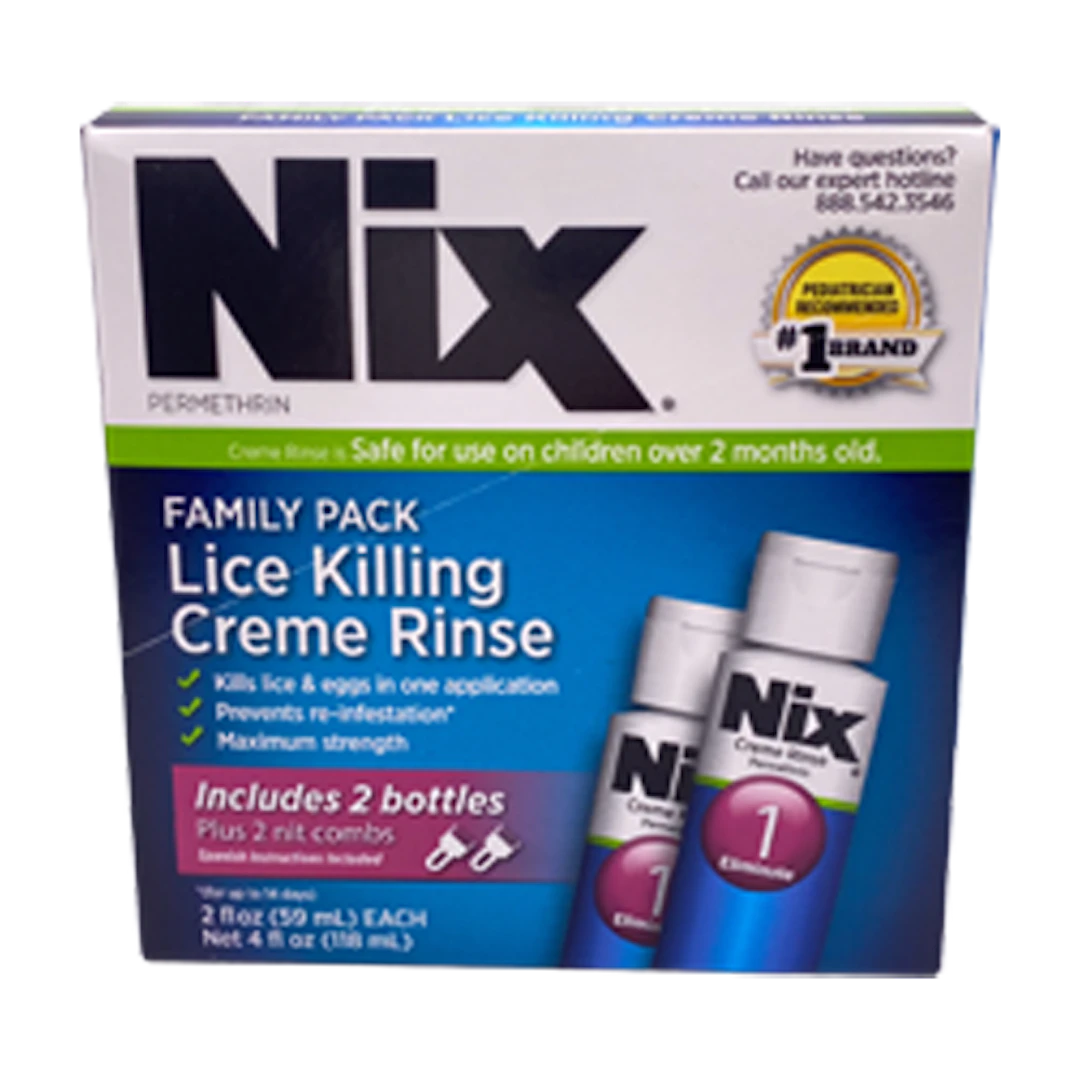
- Permethrin (Nix): This is a popular option that paralyzes and kills lice. Apply to wet, shampooed hair and leave on for 10 minutes before rinsing. A second treatment may be necessary after 7 days if live lice persist.
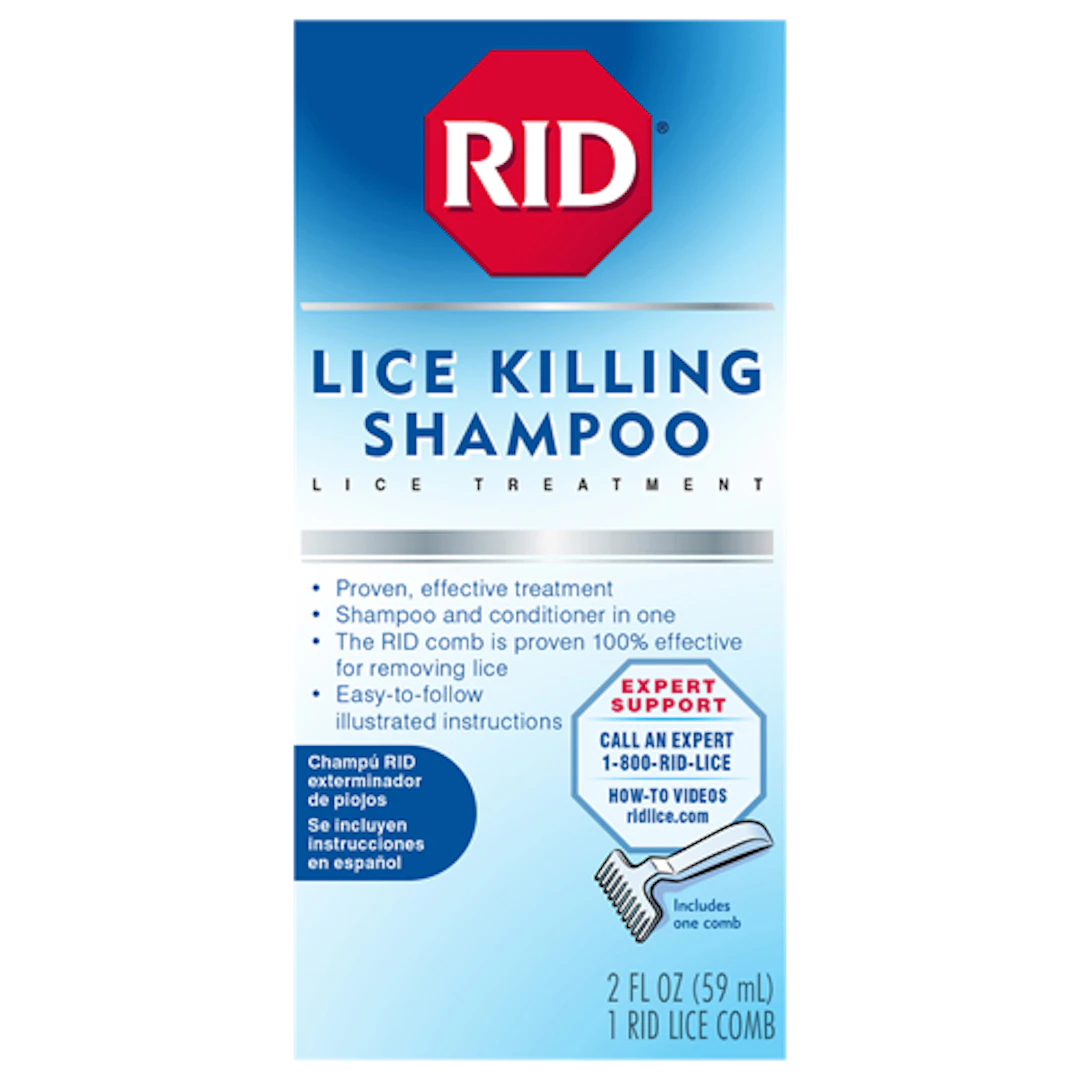
- Pyrethrins (RID): These kill live lice but not nits, requiring a second treatment 7-10 days later. Apply to dry hair and leave on for 10 minutes before rinsing.
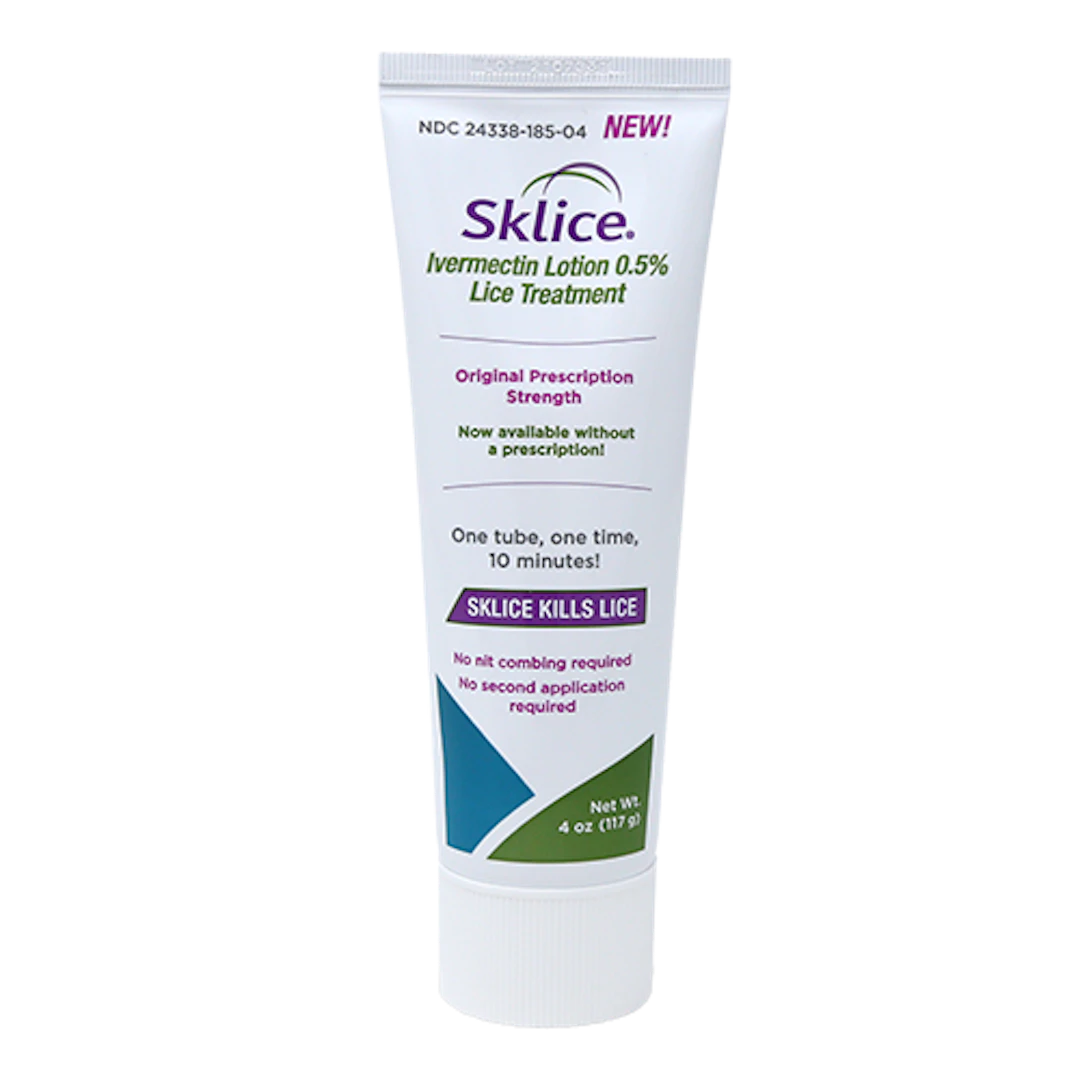
- Ivermectin (Sklice): This topical lotion kills both live lice and unhatched nits. Apply to dry hair for 10 minutes, then rinse. Repeat treatment only if directed by a healthcare provider.
Prescription Medications
- Malathion: Malathion disrupts the nervous system of lice. Healthcare providers may recommend it if OTC treatments prove ineffective. Typically, a single application is sufficient for most individuals.
- Apply malathion to dry hair and then wash your hair and scalp with regular shampoo 8 to 12 hours later.
- If live lice are still present, consider re-treating in 7 to 9 days.
- Note that malathion is highly flammable, so avoid using a hair dryer, curling iron, or flat iron until the lotion is completely dry.
- Spinosad (Natroba): This topical lotion kills both live lice and unhatched nits.
- Apply it to the hair and scalp.
- While it generally kills nits for most people, it may not eliminate all nits for everyone.
- Apply spinosad to dry hair, let it sit for 10 minutes, and then rinse thoroughly. Consider a re-treatment after 7 days if crawling lice are still observed.
Combing and Nit Removal
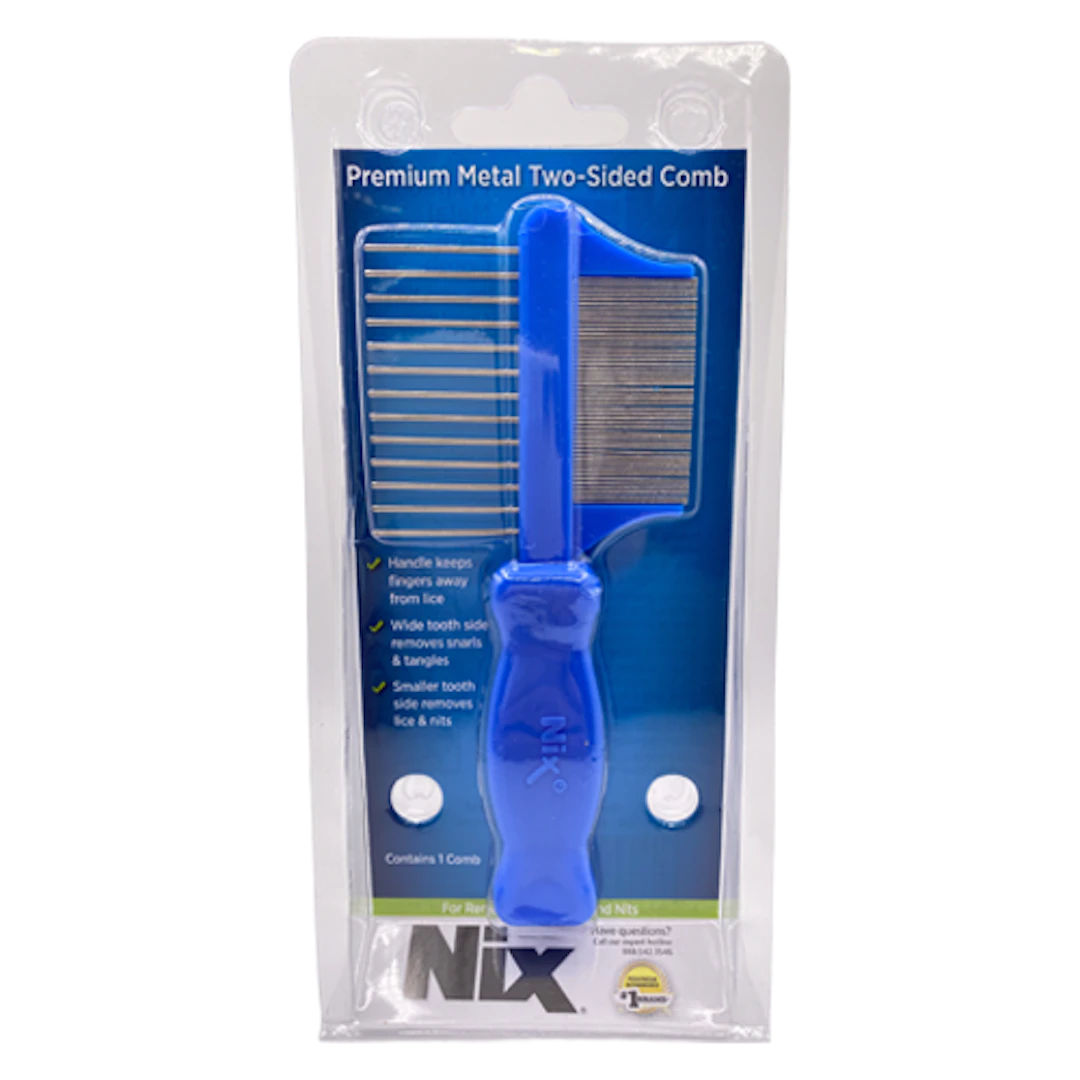
Using a fine-toothed comb, carefully comb through the hair to remove dead lice and nits. This is an essential step in the treatment process.
Prevention
Preventing head lice involves adopting practices that minimize the risk of transmission. Key preventive measures include:
- Avoid Close Head-to-Head Contact: Refrain from activities that involve close head-to-head contact, such as playing, hugging, or taking group photos.
- Do Not Share Personal Items: Avoid sharing personal items like hair brushes, hair ties, hats, pillows, and towels.
- Educate About Preventive Measures: Raise awareness about the importance of preventive measures to reduce the risk of lice transmission.
Additionally, regular check-ups in settings where lice transmission is more likely, such as schools, can help in early detection and treatment, reducing the spread of head lice. Good hygiene practices and being aware of the signs and symptoms of head lice can be effective prevention strategies.