Questions? Call us at 800-810-7790

- Hirsutism is excess coarse hair in androgen‑sensitive areas in women; often linked to PCOS.
- It involves coarse, dark "terminal" hair appearing on the face, chest, or back, rather than typical fine body hair.
- Mainly caused by elevated androgens or increased hair follicle sensitivity; most cases are PCOS, idiopathic, or genetic; rare causes include tumors or medications.
- Medical treatments like birth control or anti-androgens take 6+ months to show results by slowing new growth. The most effective management combines hormonal medication with physical removal methods like laser or electrolysis.
Overview
Hirsutism is a common condition that mainly affects women. It causes coarse, dark, terminal hair to grow in areas where women usually have little or fine hair, following a more male-like pattern. This includes places like the face, chest, lower abdomen, lower back, inner thighs, and sometimes around the nipples or sideburns.
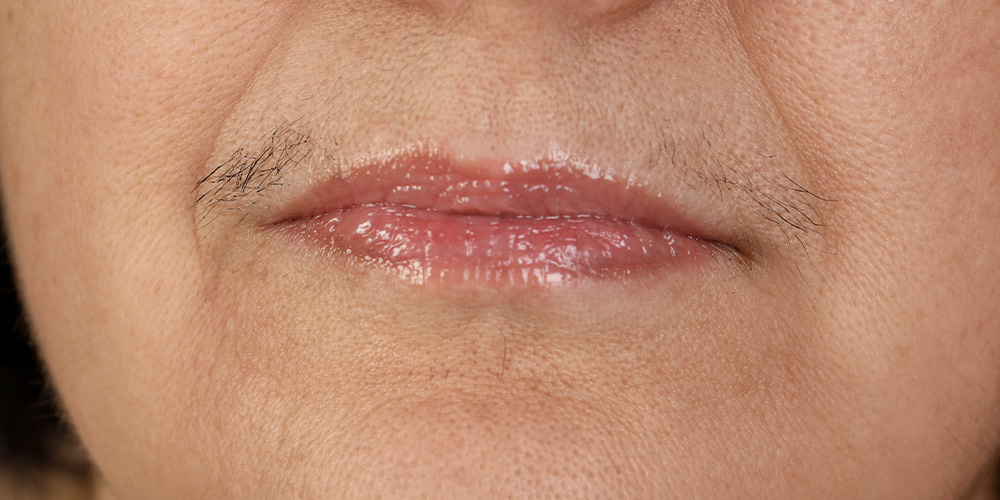
The hair differs from the soft, light "peach fuzz" (vellus hair) most women have, it's thicker, darker, and more noticeable. For many, it starts gradually with a few stray hairs that become more persistent over time. In some cases, changes happen more quickly, which can feel distressing.
Hirsutism can stand alone or signal an underlying hormonal issue. While not dangerous to physical health, it can affect emotional well-being and self-confidence. Many women manage it privately for years with methods like shaving or waxing before seeking medical advice.
How common is it?
Hirsutism affects approximately 5% to 10% of women of reproductive age.
- Underreporting: The actual prevalence may be higher, as many individuals manage the symptoms privately through cosmetic treatments without seeking medical advice.
- Demographics: It is one of the most frequent reasons for endocrine (hormone) referrals in the United States. It is particularly prevalent among those with Polycystic Ovary Syndrome (PCOS); in fact, up to 70% to 80% of women with PCOS experience some level of hirsutism.
- Genetics: Prevalence also varies by ethnicity and family history, as some populations naturally have more terminal hair follicles than others.
Symptoms
The primary indicator of hirsutism is the presence of stiff, pigmented body hair appearing where it isn't expected.
Common areas of growth
- Face: Particularly the upper lip, chin, and jawline (sideburn area).
- Torso: Around the nipples, the center of the chest, or the upper and lower back.
- Midsection: A line of hair extending from the pubic area up toward the navel (the "happy trail").
- Limbs: Inner thighs and upper arms.
Progression
For most, the onset is gradual. You may notice a few stray hairs that slowly become thicker and spread over several years. However, if hair growth appears suddenly or is accompanied by other changes, such as a deepening voice, increased muscle mass, or acne, it may indicate a more acute hormonal shift that requires prompt medical evaluation.
Causes
Hirsutism is primarily driven by androgens (male hormones like testosterone). While all females produce androgens, excess levels or increased sensitivity to these hormones causes the hair follicles to switch from producing fine hair to coarse terminal hair.
Most common causes
- Polycystic Ovary Syndrome (PCOS): The most common cause (up to 75%). PCOS disrupts hormone balance, often leading to irregular periods, acne, weight gain, and increased androgen production.
- Idiopathic Hirsutism: About 10–20% of cases, there is no identifiable medical cause. Hormone levels are normal, and periods are regular. Hair follicles are simply more sensitive to normal hormone levels.
Other causes:
- Congenital Adrenal Hyperplasia (CAH): A genetic condition affecting how the adrenal glands produce steroid hormones, leading to excess androgen production.
- Medications: Drugs that increase androgen activity can trigger or worsen hirsutism. Examples include anabolic steroids, Danazol, Minoxidil
- Obesity and Insulin Resistance: These conditions can increase the body’s exposure to circulating androgens, which may worsen hair growth. PCOS‑related insulin resistance is a common example.
- Tumors: In very rare cases, an androgen-secreting tumor in the ovaries or adrenal glands can cause a rapid and severe onset of hirsutism.
Risk factors
Several factors can increase the likelihood of developing hirsutism:
- PCOS
- Family history
- Adrenal disorders
- Medications
- Obesity or insulin resistance
- Ethnicity: Mediterranean, Middle Eastern) have higher rates due to genetic factors
- Age‑related hormonal shiftse: Reproductive‑age changes or menopause
Diagnosis
Hirsutism is diagnosed clinically based on the pattern and extent of excess terminal (coarse, dark) hair growth in androgen-sensitive areas. There's no single lab test that confirms it. It's primarily a visual and historical assessment.
Your provider will ask about:
- When the hair growth began and whether it has changed gradually or appeared suddenly
- Menstrual cycle patterns
- Acne, weight changes, or other hormone‑related symptoms
- Medications or supplements that might influence hormones
A physical exam often follows to check hair growth patterns and any other signs of hormone imbalance.
Blood work may include measuring hormone levels, such as androgens (testosterone and related hormones). In some cases, results suggest a specific condition such as PCOS. In others, bloodwork looks normal even when excessive hair growth is clearly present.
When no clear cause is found, the diagnosis may be idiopathic hirsutism. This means the hair follicles are unusually sensitive to normal hormone levels rather than the hormones themselves being elevated.
Treatment
Hirsutism is usually managed using a combination of medical therapy and hair‑removal methods. Results take time, and the right mix depends on your cause, goals, and comfort level.
Medications
- Birth control pills: Often the first‑line treatment. They lower androgen levels and reduce stimulation of hair follicles. Effects are gradual and may take several months.
- Anti‑androgens: These medications block the effects of androgens at the hair follicle. Spironolactone is the most commonly used option. It can slow new hair growth and make hair finer over time. Anti‑androgens should not be used alone unless reliable contraception is in place because they can affect fetal development. Improvement may take 6–12 months.
- Topical treatments: Eflornithine cream slows facial hair growth. It does not remove existing hair but helps hair grow back more slowly. Some studies suggest topical spironolactone gel may also be effective for idiopathic hirsutism.
Hair‑Removal Methods
- Short-term options: Shaving, waxing, threading, plucking, or depilatory creams. These help with day‑to‑day management but do not change hair growth long‑term.
- Long-lasting methods:
- Electrolysis: Removes individual follicles permanently; effective for all hair colors. Multiple sessions required.
- Laser hHair removal: Targets pigment in the follicle, works best on darker hair, covers large areas quickly, and usually requires ongoing maintenance.
For mild cases, cosmetic methods alone may suffice. For moderate/severe cases, combine medication and hair removal methods. Lifestyle changes (e.g., weight loss in PCOS/obesity) can help modestly by improving insulin sensitivity and hormone balance, but aren't primary treatments.
Prevention
Hirsutism can't always be prevented, as genetics, ethnicity, and natural hormone sensitivity play major roles.
However, certain steps can help reduce risk or slow progression:
- Manage underlying conditions: For PCOS, maintaining a healthy weight can lower androgen levels, improve insulin resistance, and lessen hirsutism over time.
- Review medications: Some drugs (e.g., anabolic steroids, testosterone, minoxidil, danazol) can trigger or worsen it. Discuss alternatives with your provider if relevant.
- Address metabolic health: Obesity, insulin resistance, or type 2 diabetes can amplify androgen effects; improving these through lifestyle changes may help stabilize hormones.
- Monitor sudden changes: If new or rapidly worsening hair growth appears (especially with other symptoms), prompt assessment allows earlier intervention for treatable causes.
You're not alone. Many women experience this, and effective management options exist. If it's affecting your confidence or daily life, reaching out to a healthcare provider is a positive step.
Related Topics
8 Signs You Could Have Polycystic Ovary Syndrome
Polycystic ovary syndrome (PCOS) is primarily caused by an imbalance of hormones, specifically high levels of androgens (male hormones) and insulin. This hormonal imbalance disrupts the normal functioning of the ovaries, leading to symptoms such as irregular periods, acne, weight gain or difficulty losing weight, and ovarian cysts.
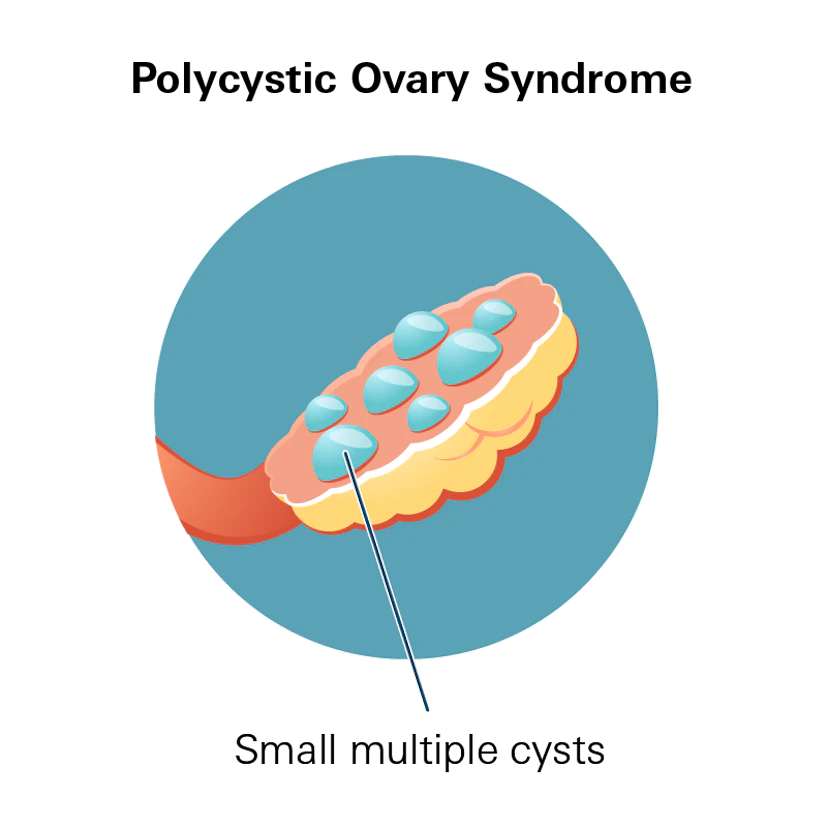
PCOS (Polycystic Ovary Syndrome)
PCOS occurs because of hormonal imbalances, particularly involving androgens. Androgens are often called “male hormones,” but everyone produces them, regardless of gender.
Spironolactone: From Hypertension to Polycystic Ovary Syndrome
Spironolactone works by blocking the action of aldosterone, a hormone produced by the adrenal glands located on top of each kidney. Aldosterone normally tells the kidneys to hold onto sodium and water while getting rid of potassium.