Questions? Call us at 800-810-7790

- Migraines are severe headaches that can cause intense throbbing or pulsing in one area of the head, often accompanied by nausea, vomiting, and extreme sensitivity to light and sound.
- Migraines typically occur in phases: prodrome (early warning), aura (visual disturbances), attack (headache), and postdrome (recovery).
- The exact cause of migraines is unknown, but it’s believed to involve serotonin imbalances, trigeminal nerve abnormalities, and genetic factors; triggers include stress, certain foods, and hormonal changes.
- Acute treatments include OTC drugs (e.g., ibuprofen) and prescription medications (e.g., triptans); prophylactic treatments help reduce frequency.
- Prevention strategies include lifestyle modifications, such as stress management, staying hydrated, eating regularly, getting plenty of sleep, regular exercise, and keeping a migraine journal to identify triggers.



Overview
Migraine is a neurologic condition that is often characterized by severe headaches. These headaches are generally chronic, or long-term, and can cause significant pain that lasts for hours or even days. The pain typically begins as a pounding or pulsing sensation in your forehead, the side of your head, or the area surrounding your eyes.
Most people who suffer from migraines also experience nausea, vomiting, and sensitivity to light and sound. These symptoms can significantly impact a person’s quality of life, making it difficult to perform daily tasks or activities.
It’s important to note that migraines are different from other types of headaches. The simplest way to differentiate a migraine from a headache is by the intensity of the pain. Common types of headaches include tension, sinus, and cluster headaches. Migraines, on the other hand, may occur in four different phases: the prodrome phase, the aura phase, the headache phase, and the postdrome phase.
Prevalence
Migraines are among the most prevalent medical illnesses and the most frequently diagnosed ailments in the world. It is estimated that around 1 billion individuals globally and 39 million Americans suffer from migraines. As a result, migraines are now the third most common condition worldwide.
Despite their prevalence, migraines can vary widely in terms of frequency and severity among individuals. Some people may experience occasional migraines, while others suffer from chronic migraines, experiencing them on a regular basis. This variability highlights the need for personalized approaches to treatment and management to help those affected lead more comfortable and productive lives.
Symptoms
Migraines often begin when you first wake up in the morning. Some people experience migraines in regular patterns, such as before their menstrual periods or on weekends after a demanding work week. Each individual's experience is unique and often occurs in phases. These phases may include:
1. Prodrome
Approximately 60% of people with migraines experience symptoms in the hours or even a day before a migraine starts. These symptoms can include:
- Hypersensitivity to scent, sound, or light
- Tiredness or uncontrollable yawning
- Difficulty concentrating
- Food cravings or lack of appetite
- Mood changes
- Extreme thirst
- Increased urination
- Bloating
- Constipation or diarrhea
- Muscle stiffness
2. Aura
Around 15% to 20% of individuals with migraines experience auras, which are symptoms related to the nervous system that often affect vision. These symptoms typically last less than an hour and develop gradually over 5 to 20 minutes. Symptoms can include:
- Seeing dark spots, light flashes, or objects that aren't there (hallucinations)
- Narrowed focus
- Difficulty seeing properly or temporary vision loss
- Ringing in the ears (tinnitus)
- Difficulty speaking
- Tingling and/or numbness on one side of the body
- Heaviness in the arms and/or legs
3. Attack or Headache
A migraine headache often starts as a dull ache that intensifies into throbbing pain, which can worsen with regular activity. The pain may radiate from the front of the head, be localized to one side, or extend throughout the entire head. The average duration of a migraine attack is about 4 hours, but severe cases can last up to 3 days. Symptoms during this phase may include:
- Nausea and/or vomiting
- Neck pain or stiffness
- Insomnia
- Heightened sensitivity to noise, light, and smell
- Pain that worsens with coughing, moving, or sneezing
4. Postdrome
After the headache subsides, the postdrome phase can last up to a day. Symptoms in this phase may include:
- Feeling worn out, drained, or irritable
- Being exceptionally energized
- Difficulty concentrating or comprehending
- Aching or weakened muscles
- Food cravings or lack of appetite
Everyone’s experience with migraines is unique. It can take anywhere from 8 to 72 hours to go through all these stages. If you think you’re experiencing migraines, it’s important to talk to a healthcare professional. They can help you find ways to manage your symptoms and improve your quality of life.
Causes
The exact cause of migraines is not fully understood, but it is believed to involve a combination of genetic, environmental, and neurological factors. Key elements include:
- Serotonin Imbalances: A hallmark of Alzheimer's disease is the accumulation of beta-amyloid protein in the brain. These proteins form plaques between nerve cells, disrupting communication and leading to cell damage and death.
- Trigeminal Nerve Abnormalities: The trigeminal nerve, which helps detect pain and touch sensations in the face, may play a role in migraines. When neurotransmitter levels drop, neuropeptides are released, causing the cranial blood vessels to widen and potentially trigger a migraine.
- Genetics: Studies suggest that migraines can run in families. Certain genes linked to migraines have been identified. According to the American Migraine Foundation, if one parent suffers from migraines, there is a 50% chance you will too. This likelihood increases to 75% if both parents have migraines.
What Are Migraine Triggers?
Identifying and avoiding triggers can help reduce the frequency and severity of migraines. Common triggers include:
- Hormonal Changes in Women: Fluctuations in estrogen can trigger headaches in many women. These can be due to menstrual cycles, menopause, or the use of hormonal birth control or hormone replacement therapy. Menstrual-associated migraine (MAM) is common and can be treated with oral contraceptives or estradiol patches. Women with migraines with aura are at higher risk for stroke and should avoid estrogen-containing contraceptives, opting for progestin-only pills instead.
- Foods: Certain foods and drinks, including alcohol (especially beer and red wine), aged cheese, chocolate, aspartame, caffeine, salty foods, and processed foods, can trigger migraines. Skipping meals can also be a trigger.
- Caffeine: Both excessive caffeine consumption and caffeine withdrawal can cause headaches. Caffeine makes blood vessels more sensitive, leading to migraines if intake is inconsistent.
- Stress: Emotional stress is a common trigger. Stress causes the brain to release chemicals associated with the "fight or flight" response, which can lead to migraines. Other emotions, such as fear, nervousness, and excitement, can also constrict muscles and widen blood vessels, worsening migraines.
- Painkillers: Frequent use of headache medications can lead to rebound headaches.
- Sensory Stimuli: Bright lights, sun glare, loud noises, and certain scents can trigger migraines.
- Changes in Sleep-Wake Cycle: Both lack of sleep and oversleeping, as well as jet lag, can trigger migraines.
- Environmental Changes: Weather changes, strong winds, and changes in altitude can trigger migraines.
Migraine in Children
Yes, children can get migraines, though pediatric migraines often do not last as long as adult migraines and may involve more abdominal symptoms.
Risk Factors for Migraines
Yes, children can get migraines, though pediatric migraines often do not last as long as adult migraines and may involve more abdominal symptoms.
- Sex: Migraines are three times more common in women than in men.
- Age: Most individuals begin experiencing migraines between the ages of 10 and 40.
- Family History: A family history of migraines increases the likelihood of experiencing them.
- Other Medical Conditions: Conditions such as seizures, bipolar disorder, anxiety, depression, or sleep disorders can increase the risk of migraines.
Diagnosis
The diagnosis of migraines involves a comprehensive evaluation by your doctor, which includes a complete medical history and a detailed account of your headache patterns and family history of headaches.
Migraines are typically diagnosed when individuals experience at least five attacks that meet the following criteria:
- Headaches Duration: The headaches last between 4 to 72 hours and occur sporadically.
- Headache Characteristics: The headaches have at least two of the following characteristics: they are located on one side of the head (unilateral), have a pulsating quality, cause moderate to severe pain, and are aggravated by or lead to the avoidance of routine physical activity.
- Associated Symptoms: During the headache, at least one of the following symptoms occurs: nausea and/or vomiting, sensitivity to light (photophobia), and sensitivity to sound (phonophobia).
To rule out other possible causes of your headaches, your doctor may also order blood tests and imaging tests, such as a CT scan or an MRI. Additionally, to exclude the possibility of seizures, your doctor might recommend an electroencephalogram (EEG).
Keeping a headache journal or diary may also be recommended. This can help your doctor identify potential triggers or underlying causes of your migraines. In this journal, you can record when your headaches occur, their duration, intensity, and any associated symptoms or potential triggers you’ve noticed. This information can be invaluable in managing and treating your migraines effectively.
Treatment
Migraines are treated using two main strategies: acute or “abortive” treatment, which is used to treat a headache that’s already present, and preventative treatment, which is used to reduce the frequency and severity of migraines.
Acute Treatment
Most individuals with mild to moderate migraines might find relief with over-the-counter (OTC) drugs, including:
- Acetaminophen (brand: Tylenol)
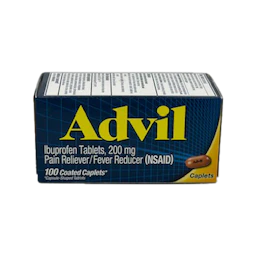
- Advil Migraine (generic: Ibuprofen)
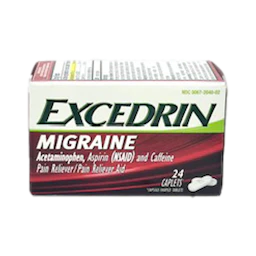
- Excedrin Migraine (a combination of aspirin, acetaminophen, and caffeine)
- Aleve (generic: Naproxen), a nonsteroidal anti-inflammatory drug (NSAID)
Some people may find more relief from prescription medications, such as triptans, or may need to use a combination of OTC and prescription medications.
Preventative Treatment
Preventative medications are taken daily to reduce the frequency and severity of migraines. These include:.
- Triptans
- These are selective serotonin receptor agonists that cause vasoconstriction of cranial blood vessels, inhibit neuropeptide release, and decrease pain transmission. This reduces the sensitivity of overactive pain nerves. Triptans thereby reverse the changes in your brain that led to your migraine. This drug class is considered a first-line treatment for acute migraines.
- Examples of triptans include Almotriptan, Eletriptan (brand: Relpax), Frovatriptan (Frova), Naratriptan (Amerge), Rizatriptan (Maxalt, Maxalt-MLT), Sumatriptan (Imitrex, Onzetra Xsail), Treximet (a combination of sumatriptan and naproxen), and Zolmitriptan (Zomig).
- Common side effects of triptans include tingling or numbness, dizziness, hot or cold sensations, chest pain or tightness, dry mouth, nausea, sleepiness, numbness, and throat or neck pressure.
- Ergotamines
- These are nonselective serotonin receptor agonists that cause cerebral constrictions. They are generally used when triptans are not effective or contraindicated. Additionally, ergotamines may reduce pain and inflammatory signals in sensory brain nerves. Ergots work best when taken at the first sign of a migraine attack. However, they cannot stop migraines or lessen the frequency of attacks.
- Examples of ergotamines include Dihydroergotamine (brand: Migranal nasal spray) and Ergotamine + caffeine (Cafergot).
- Butalbital-Containing Medications
- Stronger painkillers, such as narcotics or medications containing barbiturates (sleep-inducing medicines), may be required if your migraine pain won't go away.
- Examples include Acetaminophen/butalbital/caffeine (brand: Fioricet) and Aspirin/butalbital/caffeine (brand: Fiorinal), available in combinations with codeine such as Fioricet with codeine and Fiorinal with codeine.
- These medications are federally classified as Schedule III (except Fioricet). They can be habit-forming, so use caution. Your doctor may prescribe them if necessary, but only for a brief period. Butalbital-containing products are not recommended for treating acute migraines due to issues with abuse/dependence and lower efficacy.
Prophylactic Drug Treatment
Prophylactic or preventative medications can help reduce the frequency of migraines. These medications are taken regularly, even when you feel well, and are not intended to treat a headache that’s already present.
Consideration for prophylactic treatment should be given if you use acute treatments more than two days a week, more than three times per month, if migraines significantly decrease your quality of life, or if acute treatments are ineffective or contraindicated.
The choice of prophylactic medication is based on an individual’s characteristics and the side effect profile of the medication. All prophylactic medications have similar efficacy data, with approximately a 50% reduction in headache days. A full trial of a prophylactic medication, at a reasonable dose, should last 2-6 months. Many individuals may need to try more than one medication before finding one that works well for them.
- Beta-Blockers
- Propranolol (brand: Inderal LA) 80-240 mg: Common side effects may include fatigue, decreased heart rate, and possible depression.
- Timolol 10 mg twice daily
- Metoprolol (Lopressor, Toprol XL) 100-200 mg daily
- Anti-epileptic Drugs
- Divalproex (Depakote) 250-500 mg twice daily: This medication carries a Black Box Warning for potential fetal harm, liver failure, and pancreatitis. Common side effects include weight gain, low platelet levels in your blood (thrombocytopenia), increased ammonia, hair loss (alopecia), nausea and/or vomiting, tremor, and ovarian syndrome.
- Valproic Acid (Depakene) 250-500 mg twice daily: This medication also carries a Black Box Warning for potential fetal harm, liver failure, and pancreatitis. It shares similar side effects with Divalproex.
- Topiramate (Topamax) starts at 25 mg every night at bedtime, titrate to 50 mg twice a day: This medication may cause fetal harm, excessive acid accumulation in your body (metabolic acidosis), kidney stones (nephrolithiasis), increased ammonia, open-angle glaucoma, and the inability to sweat (oligohidrosis). Common side effects include weight loss, sleepiness, and cognitive impairment.
- Calcitonin Gene-Related Peptide (CGRP) Receptor Antagonists
- Nurtec ODT 75 mg daily: This medication can both treat migraines and prevent them from occurring. Common side effects include nausea.
Prevention
Preventing migraines often involves lifestyle modifications and the use of certain natural products. Here are some strategies that may help:
- Stress Management: Taking time to relax and manage stress can help prevent migraines.
- Hydration: Consuming a significant amount of liquids can help maintain hydration and potentially prevent migraines.
- Regular Meals: Eating regularly and not skipping meals can help maintain stable blood sugar levels, which may prevent migraines.
- Adequate Sleep: Getting plenty of sleep can help prevent migraines.
- Regular Exercise: Regular physical activity can help reduce the frequency of migraines.
- Migraine Journal: Keeping a migraine journal can help you identify your triggers and the most effective therapies.
If you experience migraines around your menstruation or if lifestyle adjustments are ineffective, consider speaking with your doctor about preventative medications.
Natural Products for Migraine Prevention
- Magnesium: Especially beneficial if you already have low magnesium levels. Research suggests that magnesium may be an effective short-term treatment option for various types of headaches, including migraines.
- Butterbur: This plant, also known as Petasites hybridus, can be beneficial for preventing migraines when taken in 50-75 mg dosages twice daily.
- Feverfew: This herb, also known as Tanacetum parthenium, has been used to treat various conditions, such as fever, swelling, and inflammation.
- Riboflavin: Also known as vitamin B2, riboflavin assists your body’s process of converting food into energy. Some research suggests that riboflavin can decrease the number of monthly migraine attacks.
- Peppermint: Can be applied topically. Menthol, the main component of peppermint oil, has been found to be effective at reducing migraine pain and nausea.
- Co-enzyme Q10: This naturally produced antioxidant has been shown to decrease migraine attack frequency, headache duration during an attack, and the number of total migraine days per month.
Related Topics

Migraines and Treatments
Although more than 40 million individuals in the U.S. and a billion worldwide suffer from migraines, it has long gone unrecognized as one of the most incapacitating illnesses.

How to Manage Migraines with OTC Medications
Over-the-counter (OTC) medications can offer effective relief for many people, helping to reduce the severity and duration of migraines.