Questions? Call us at 800-810-7790

- Mononucleosis (mono) is a common viral infection caused by the Epstein-Barr virus, often called the "kissing disease" because it spreads primarily through saliva.
- Symptoms include extreme fatigue, a sore throat, and swollen lymph nodes, which can last for weeks, with fatigue sometimes lingering for months.
- There is no cure for mono; treatment focuses on rest, hydration, and over-the-counter medication to manage symptoms while the body recovers.
- Serious complications are rare, but people with mono should avoid contact sports due to the risk of a ruptured spleen.
Overview
Mononucleosis (“mono”) is a common viral infection that spreads mainly through saliva, which is why it’s often nicknamed the “kissing disease,” though kissing isn’t the only way to get it. Sharing drinks, utensils, or living in close quarters with someone sick can also spread the virus.
Mono causes a mix of symptoms, most often sore throat, fatigue, swollen lymph nodes, and fever. While most people feel better in 2 to 4 weeks, lingering tiredness can last longer. Mono is rarely dangerous, but it can significantly disrupt daily routines and requires plenty of rest.
There’s no vaccine or quick cure. Rrecovery depends on the body’s immune system.
How Common Is It?
- In the U.S., an estimated 45 out of every 100,000 people are diagnosed each year.
- The actual number is likely higher, since many cases go untested.
- By adulthood, more than 85% of people have been infected, often without knowing it.
- Teens and young adults (ages 15–24) experience the classic form of mono most often; about 1 in 4 who catch that virus at this age will develop noticeable symptoms.
Symptoms
Symptoms of mono can vary widely. Some people experience only mild discomfort, while others are sick for weeks. Symptoms usually appear 1 to 2 months after exposure to the virus.
General symptoms of goiter include:
- Persistent fatigue
- Sore throat that doesn’t improve
- Swollen lymph nodes (especially in the neck)
- Fever
- Headache
- Muscle aches
- Loss of appetite
- Swollen tonsils
- Skin rash
- Abdominal discomfort (especially on the left side)
Important note: The spleen may become temporarily enlarged during mono. This isn’t something you can usually feel, but doctors can detect it. Since a ruptured spleen is a medical emergency, activities like heavy lifting or contact sports should be avoided until cleared by a doctor.
When to Seek Medical Care Immediately
- Trouble breathing or swallowing
- Severe abdominal pain, especially upper left side
- Fainting, dizziness, or lightheadedness
- Sharp chest pain
- Yellowing skin or eyes (possible liver involvement)
- Sudden, severe headache with stiff neck
- Unusual bruising or bleeding
These warning signs are rare but can signal complications (e.g., liver inflammation, spleen rupture, or dehydration).
Causes
Mono is most often caused by the Epstein-Barr virus (EBV), which is one of the most common human viruses. In some cases, other viruses like cytomegalovirus (CMV) or HIV can be responsible.
Once you're exposed to EBV, the virus remains in your body for life, though it typically stays dormant and doesn't cause future illness.
The virus spreads easily through saliva via:
- Kissing
- Sharing drinks or eating utensils
- Sharing toothbrushes
Risk Factors
While anyone can get mono, certain factors increase your likelihood of developing symptoms.
- Age: Children may have mild or unnoticed symptoms, but teens and young adults (15–24) are most likely to develop full-blown mono.
- Close-contact environments: The virus spreads easily in group settings. College students, military recruits, and those living in dorms or shared housing are at a higher risk of infection.
- Weakened immune system: People with a compromised immune system, whether from illness or medication, are more likely to develop complications from mono.
Diagnosis
In many cases, mono can be diagnosed without lab tests. If you show up to a doctor’s office with a sore throat, swollen glands, and unusual fatigue, a physical exam and review of your symptoms are often enough to point to the diagnosis.
However, when symptoms are less clear, blood tests may be used:
- White blood cell count: Mono often raises levels of certain white blood cells (lymphocytes).
- Antibody test: This checks for antibodies against the Epstein-Barr virus (EBV). It can confirm whether the infection is new or occurred in the past.
Treatment
There is no medication that cures mono.The infection has to run its course. Most people feel better within 2 to 4 weeks, although fatigue can sometimes linger for several more.
Treatment focuses on rest, hydration, and symptom relief, helping your body recover comfortably while the virus clears.
- Rest: Allow your body time to heal.
- Hydration: Drink plenty of fluids.
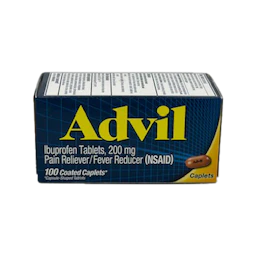
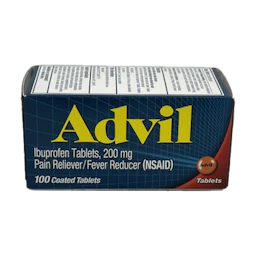
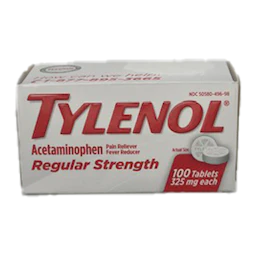
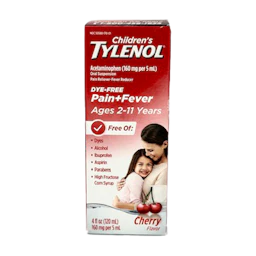
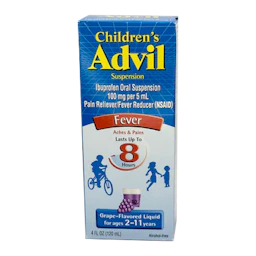
- Pain and fever relief: Over-the-counter medications such as acetaminophen or ibuprofen can help with fever, sore throat, or body aches (always follow dosing instructions).
- Avoid certain antibiotics: Drugs like amoxicillin or ampicillin can cause a rash in people with mono and should be avoided.
When More Care Is Needed
If mono affects the liver, spleen, or airway, a doctor may recommend additional treatment or specialist evaluation.
Prevention
Currently, there is no vaccine or medication to prevent mono. Once you've had it, your body develops immunity, but it's tricky to avoid getting it in the first place because many people who carry the virus don't show any symptoms.
Mono spreads through saliva, so to reduce your risk of infection, you should avoid:
- Kissing
- Sharing drinks or eating utensils
- Sharing toothbrushes