Questions? Call us at 800-810-7790

- Morning sickness is nausea and vomiting that occur during pregnancy. Roughly 70% of pregnant women experience morning sickness.
- Mild morning sickness is often a sign of a healthy pregnancy.
- Hyperemesis gravidarum (HG) is a severe form of morning sickness. If it’s not managed, it can lead to organ failure and premature birth.
- Over-the-counter medications, dietary changes, and lifestyle modifications can help manage symptoms.

Overview
Morning sickness is nausea and vomiting that occur during pregnancy. It generally begins around week 6 of pregnancy and lasts for a few weeks or months. It develops in roughly 70% of women that are pregnant.
Contrary to what the term "morning" sickness suggests, you can really get it at any time of day or night, or you can feel sick all day long.
Morning sickness is unpleasant and may have a big impact on your daily life. Often, symptoms become better throughout the second trimester (weeks 13 to 27). Yet, approximately 10% of women have reported experiencing morning sickness the entire time they are pregnant.
Morning sickness does not place your developing fetus at any danger. In fact, according to several studies, mild morning sickness can indicate a healthy pregnancy and is linked to lower rates of miscarriage.
It's unclear exactly what causes morning sickness. It could be brought on by low blood sugar levels or an increase in pregnancy hormones such human chorionic gonadotropin (hCG) or estrogen. Stress, excessive fatigue, eating particular foods, and motion sensitivity can all make morning sickness worse.
Symptoms
- Nausea that feels like motion sickness throughout the first trimester, with or without vomiting
- After-meal nausea, especially with spicy meals
- Heat-related nausea or vomiting accompanied by intense salivation
- Odor that may make you feel sick
When should I contact my doctor regarding morning sickness?
The majority of women experience minor symptoms of morning sickness that eventually goes away. However, you should immediately contact your provider if you experience any of the following:
- Weight loss, especially greater than 2 pounds. If this happens, it may possibly affect the fetus’s weight at birth.
- Severe headaches
- Extreme fatigue
- Fainting and/or dizziness
- You're throwing up blood or brown-colored vomit
- You throw up more than 3 times a day and struggle to consume meals or liquids
- Experience morning sickness through your 4th month of pregnancy
- Experience faster heartbeats than normal
Diagnosis
Symptoms are often used to diagnose morning sickness. However, you might require an examination, as well as urine and blood testing, if your doctor suspects hyperemesis gravidarum (HG) during your pregnancy.
Hyperemesis Gravidarum (HG)
Severe morning sickness (also called hyperemesis gravidarum (HG)) causes significant nausea and vomiting that can be harmful to both the mother and the developing fetus. Approximately 3% of pregnancies can result in hyperemesis gravidarum.
A pregnant woman will generally find it very challenging to meet her nutritional demands if she experiences difficulties swallowing meals. As a result, she could loose a lot of weight. Dehydration and electrolyte imbalances can result from the loss of fluids and the loss of stomach acid during vomiting.
If severe morning sickness is not managed, it can lead to a number of issues, such as organ failure and the premature birth of the baby.
You may be diagnosed with this ailment if you have lost 5% of your pre-pregnancy weight and have additional symptoms of dehydration or fluid loss.
You may lose fluids as a result of nausea and vomiting. Dehydration can result from failing to replenish lost fluids. If you have any of the following dehydration symptoms, you should contact your doctor right away:
- You feel faint lightheaded when you stand up
- You’re unable to urinate and/or you have a small amount of urine that is dark in color
- Inability to keep down liquids
- You experienced increased heart rate
To halt the vomiting and replenish body fluids, hyperemesis gravidarum (HG) in pregnant women requires medical attention, possibly in a hospital, including receiving fluids and nutrition via an intravenous line (IV). It’s important to note that it’s not recommended to take any medication without first speaking with your doctor pertaining to this condition.
HG vs Morning Sickness:
| Morning sickness | Hyperemesis gravidarum (HG) |
| Nausea is occasionally occurs with vomiting | Severe vomiting in addition to nausea |
| Nausea that stops at or shortly after 12 weeks | Nausea that doesn't go away |
| Vomiting that does not lead to significant dehydration | Severe dehydration from vomiting |
| You are able keep some food down while still vomiting | Inability to keep any food down due to severe vomiting |
Medical care may consist of:
- A brief fasting period intended to give your stomach and digestive system a break
- Fluids given intravenously (IV)
- Vitamins
Symptoms of HG
- Severe gastrointestinal discomfort, including nausea and/or vomiting
- Food intolerances
- Dehydration
- Headaches
- Fainting or lightheadedness
- Yellowing of your skin or the white of your eyes, commonly refereed to as jaundice
- Decreased blood pressure
- Increased heart rate
- Weight loss
Risk Factors
You're more likely to experience severe morning sickness if you:
- Having a sensitive stomach before becoming pregnant. This includes experiencing motion sickness, headaches, sensitivity to particular tastes or odors, or using birth control pills.
- Experience motion sickness frequently
- Have a family history, including a mother or sibling, of hyperemesis gravidarum
- Have had hyperemesis gravidarum during an earlier pregnancy
- Experiencing stress
- Are expecting a girl
- Are pregnant with more than one fetus, including twins or triplets
- Have a history of migraines
- Are overweight or obese (BMI greater than 30)
- Possess trophoblastic disease, a condition that results in abnormal cell growth in your uterus
Treatment
You may require medical attention if your diet and lifestyle modifications are ineffective or if your pregnancy-related vomiting and nausea are particularly severe.
You might be able to use particular medications if other potential causes are eliminated, including the following:
Vitamin B6 supplements or Pyridoxine (generic)
Foods like meat, poultry, nuts, whole grains, bananas, and avocados all naturally contain this type of vitamin. Many physiologic processes within the human body depend on vitamin B6.
Pyridoxine can be purchased over the counter (OTC) without a prescription. Common side effects include headache, nausea, drowsiness, mind numbness or tingling
Doxylamine (Brand: Unisom)
Doxylamine, an antihistamine, lessens the effects of your body's natural chemical, histamine. Runny nose, watery eyes, and sneezing are histamine-related symptoms. Antihistamines have a sedative effect and are occasionally used as sleep aids.
This medication can be purchased over the counter (OTC) without a prescription. Common side effects include constipation, dizziness or drowsiness may occur, blurred vision, dry mouth, nose, and/or throat
Diclegis (Generic: Doxylamine and Pyridoxine)
Doxylamine and pyridoxine are both included in the delayed-release medication diclegis, and is available by prescription from your doctor.
This medication can be taken on an empty stomach with a full glass of water, and is either taken at bedtime, or at bedtime and in the morning. Common side effect includes drowsiness
Antiemetic medications
These medications aid in preventing vomiting. If doxylamine and vitamin B6 are ineffective for you, your doctor could recommend an antiemetic medication.
It has been shown that several antiemetics are safe to take while pregnant. Some, however, provide contradictory or incomplete safety information. Ondansetron, for instance, is quite effective at preventing nausea and vomiting, but some research on its safety for the fetus are conflicting.
Consult your doctor to make sure the medication is a suitable fit for you since not all are safe to use while pregnant.
Natural remedies that can be helpful in managing morning sickness may include the following:
- Ginger
This aromatic root has a long history of being used in Chinese medicine and is well known for its ability to calm the stomach.
- You should discuss how much ginger is safe for you with your prenatal healthcare professional because certain pregnant women may not be recommended to consume it. - Mint
Consuming foods or chewing gum with this flavor might make you feel less queasy and more calm. Additionally, it could also help cover up food scents that hurt your stomach.
Diclegis for morning sickness
Prevention
These are some things you may do to feel better and possibly stop morning sickness, including:
- Be aware of your nausea triggers and stay away from odors that make you sick to your stomach.
- Consume 5 or 6 little meals rather than 3 bigger ones throughout the day.
- Have a supply of snacks nearby. To assist in calming your stomach in the morning, have a couple crackers before getting out of bed.
- Consume foods low in fat and simple to digest, such as cereal, rice, and bananas. Avoid consuming meals that are not spicy, and consider protein-rich snacks such as milk and/or yogurt.
- When you're feeling queasy, sip on ice or drink water, or ginger ale or ginger tea, and drink a lot of water
- Prior to becoming pregnant, it's recommended to take a prenatal supplement. Find out which one to take by speaking with your doctor. Be sure to take your vitamins with a food since they can cause stomach problems.
Additionally, you may be familiar with these methods for preventing or managing morning sickness. Before attempting any of these, consult your doctor:
- Acupressure
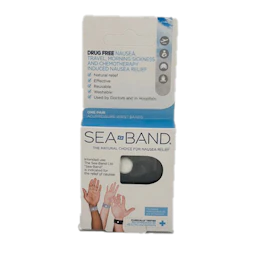
The majority of pharmacies provide acupressure bracelets without a prescription. While there have been conflicting findings in studies on acupressure wristbands, some users found them to be beneficial. - Acupuncture
Hair-thin needles are placed into your skin by a skilled practitioner. Although it hasn't been scientifically confirmed to work, some women feel that acupuncture can assist with morning sickness. - Aromatherapy
Some women may find that specific smells, often made with essential oils, might assist with coping with morning sickness. Keep in mind that there is little study on the subject. - Exercise
Just 20 minutes of daily walking can assist to release endorphins, which can aid with fatigue and nausea.