Questions? Call us at 800-810-7790

- Norovirus is a highly contagious virus that causes sudden vomiting, diarrhea, and stomach pain, often referred to as “stomach flu” (though unrelated to influenza).
- It spreads easily through contaminated food, water, surfaces, and close contact, and only a tiny amount of the virus is needed to infect someone.
- Anyone can get norovirus, but young children, older adults, and people with weakened immune systems are at higher risk for severe illness and dehydration.
- There’s no specific treatment; most people recover in 1 to 3 days with rest, fluids, and electrolyte replacement to prevent dehydration.

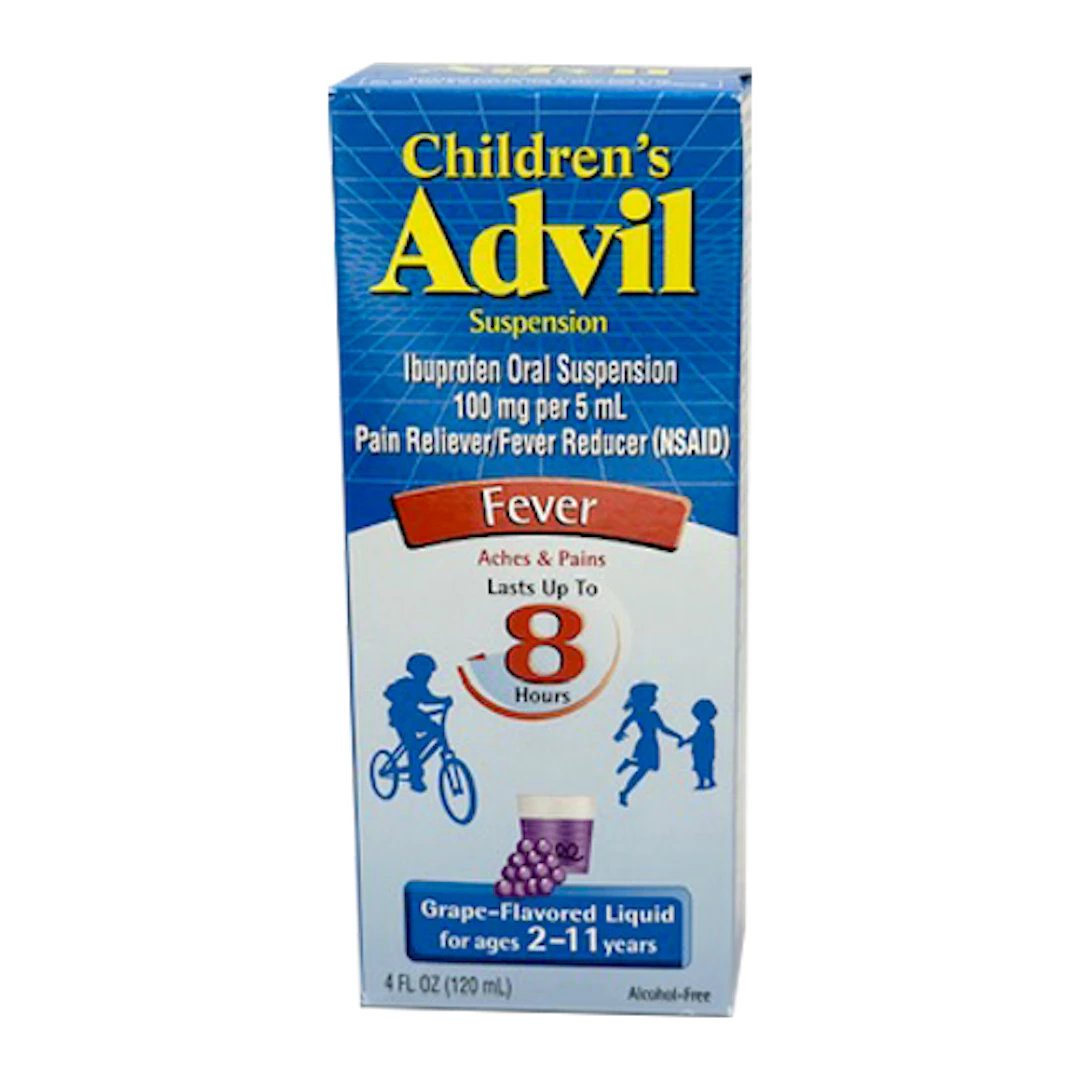
Overview
Norovirus is a highly contagious virus that causes acute gastroenteritis, an inflammation of the stomach and intestines. Often mistakenly called the "stomach flu," it's unrelated to the influenza virus. Norovirus infections cause sudden, severe vomiting and diarrhea, which typically resolve within 2 to 3 days. However, a person can remain contagious for weeks even after symptoms disappear.
How Common is it?
Norovirus is extremely common. Each year in the U.S., it causes:
- 19 to 21 million illnesses
- 109,000 hospitalizations
- 900 deaths, mostly among older adults
It accounts for 58% of all foodborne illnesses and leads to around 2,500 outbreaks annually, especially between November and April.
Symptoms
Norovirus symptoms start suddenly, often 12 to 48 hours after exposure, and usually last 1 to 3 days. However, the virus can still be spread for weeks after symptoms subside.
Common symptoms:
- Nausea and stomach cramps
- Sudden vomiting, often severe and repeated
- Watery diarrhea
- Fatigue or weakness
Other possible symptoms:
- Low-grade fever (usually under 101°F)
- Chills and body aches
- Headache
Signs of dehydration:
- Dizziness or lightheadedness
- Dry mouth, cracked lips, or sunken eyes
- Very little urine, or fewer wet diapers in infants and toddlers
- Extreme tiredness, irritability, or unusual sleepiness in children
Causes
Norovirus belongs to the Caliciviridae family of viruses. It's a remarkably resilient virus, surviving on surfaces for days and resisting freezing and some disinfectants.
There are multiple strains of norovirus, which is why a person can become infected more than once. The virus requires only a tiny amount of particles to cause illness.
Risk Factors
While anyone can get sick with norovirus, certain groups are at a higher risk for severe illness or complications:
- Children under 5: prone to rapid dehydration
- Adults over 65: slower recovery and higher risk of hospitalization
- People with weakened immune systems: including those undergoing cancer treatment or living with chronic conditions
- Residents in group settings: such as nursing homes, schools, and cruise ships
- Food service, healthcare, and childcare workers: due to frequent exposure to sick individuals or contaminated food
Dietary risks also play a role. Raw shellfish, especially oysters, can carry norovirus if harvested from contaminated waters.
Spread
Norovirus is extremly contagious and spreads easily in several ways:
- Person-to-person contact: This can happen by caring for a sick person, shaking hands, or being in close proximity to someone who is vomiting.
- Contaminated food or water: Food can become contaminated if handled by an infected person. Raw shellfish, especially oysters, can also carry the virus. Contaminated water from wells or public supplies can also be a source.
- Contaminated surfaces: The virus can live on surfaces like countertops and doorknobs for days. An infection can start if you touch a contaminated surface and then touch your face.
People are most contagious when they have symptoms and for several days after recovery. In some cases, individuals may continue to shed the virus for up to two weeks.
To prevent the spread, a sick person should avoid preparing food for others and practice good hygiene for at least 48 hours after symptoms have stopped.
Diagnosis
Doctors typically diagnose norovirus based on symptoms and timing, especially during outbreaks. Common indicators include:
- Sudden onset of vomiting and diarrhea
- Illness lasting 1 to 3 days
- Multiple people in the same setting becoming sick
Lab testing is usually unnecessary for healthy individuals. However, in hospitals, nursing homes, or during foodborne outbreaks, a stool test may be used to confirm the virus.
Treatment
There is no specific medication to treat norovirus. Antibiotics are ineffective because it’s a virus, not a bacterial infection. Most people recover on their own within a few days.
Care focuses on hydration and comfort:
- Sip water, broth, or oral rehydration solutions frequently
- Restore electrolytes: Use drinks like Pedialyte or sports drinks
- Eat bland foods (e.g., bananas, rice, toast, crackers) until the stomach settles.
- Rest to help the body recover.
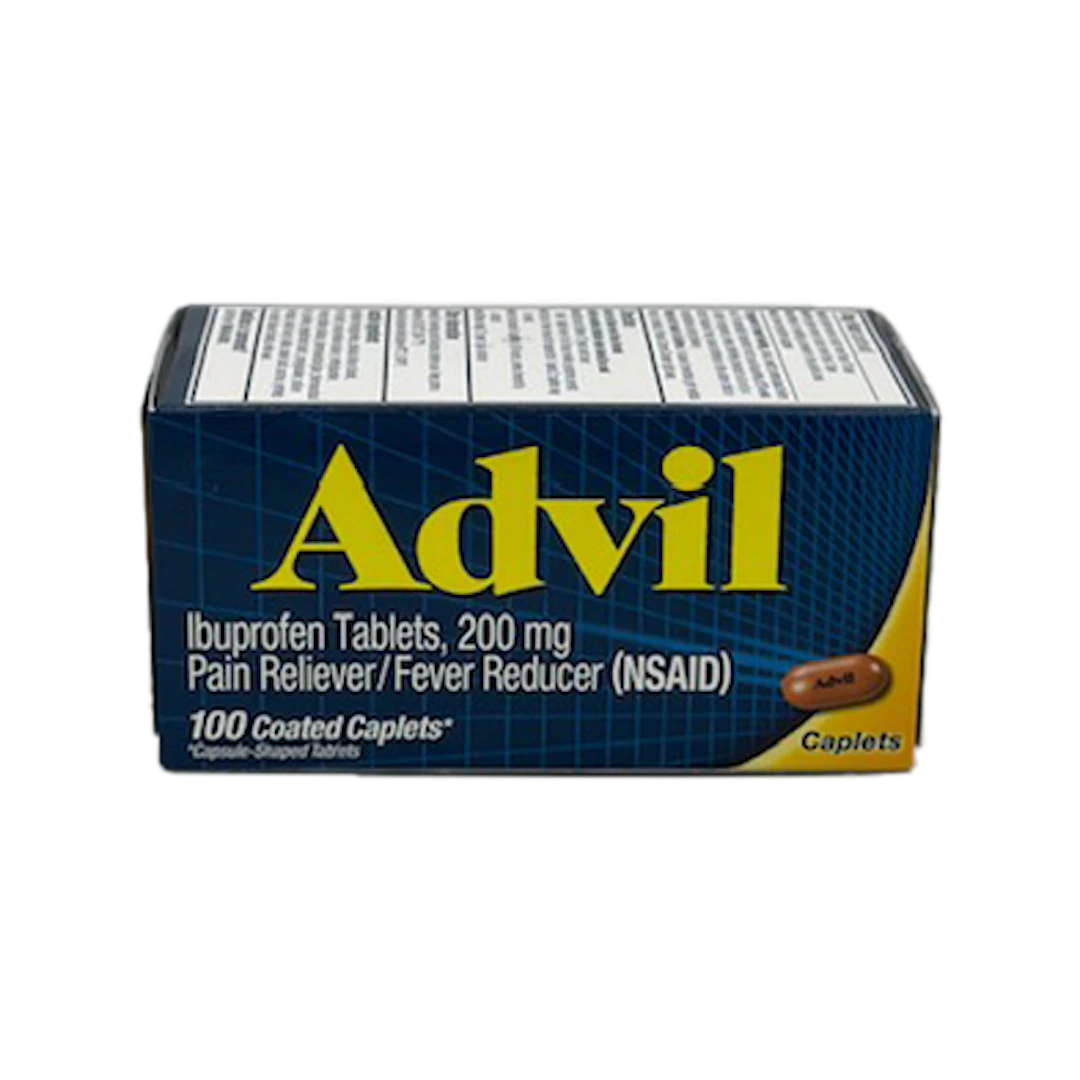
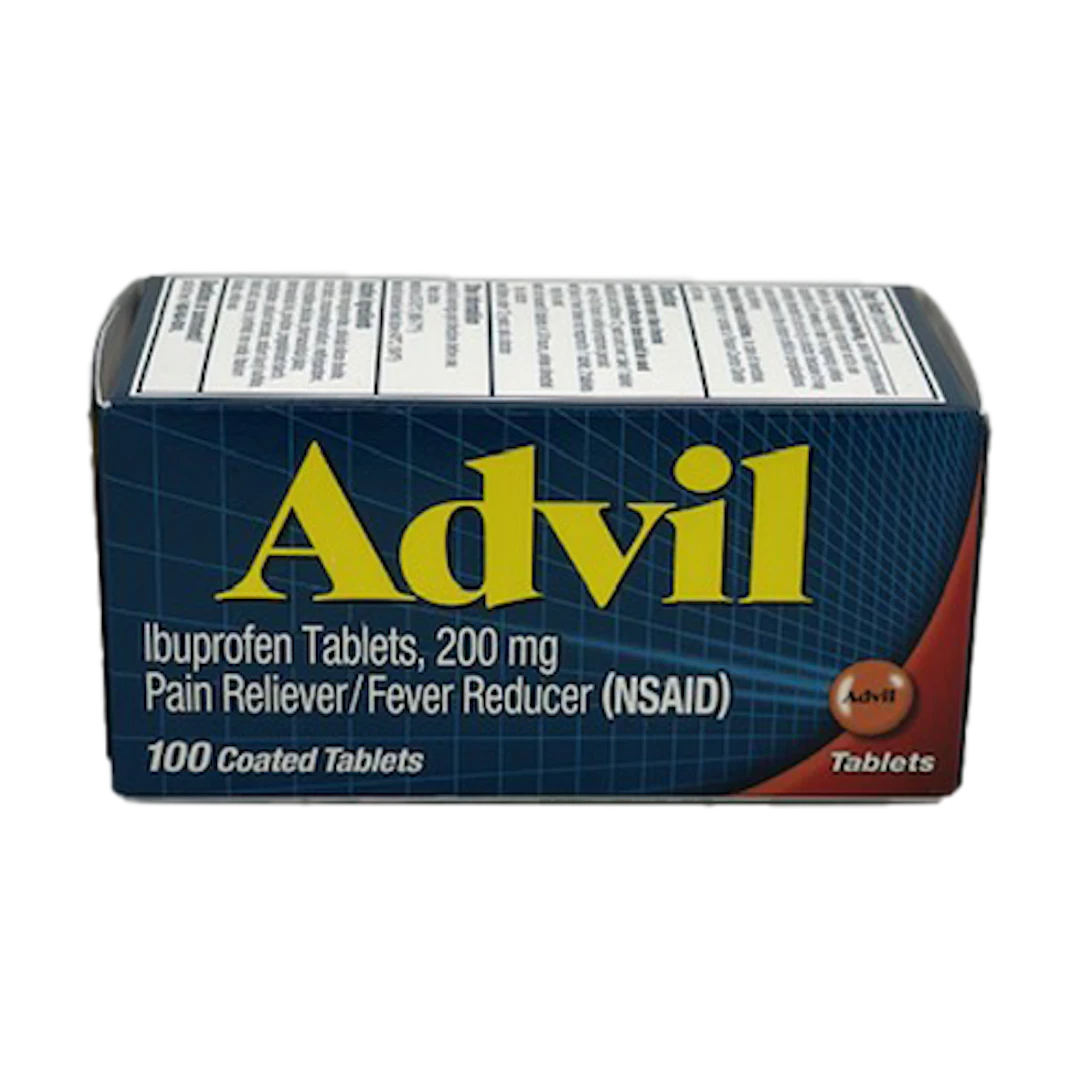
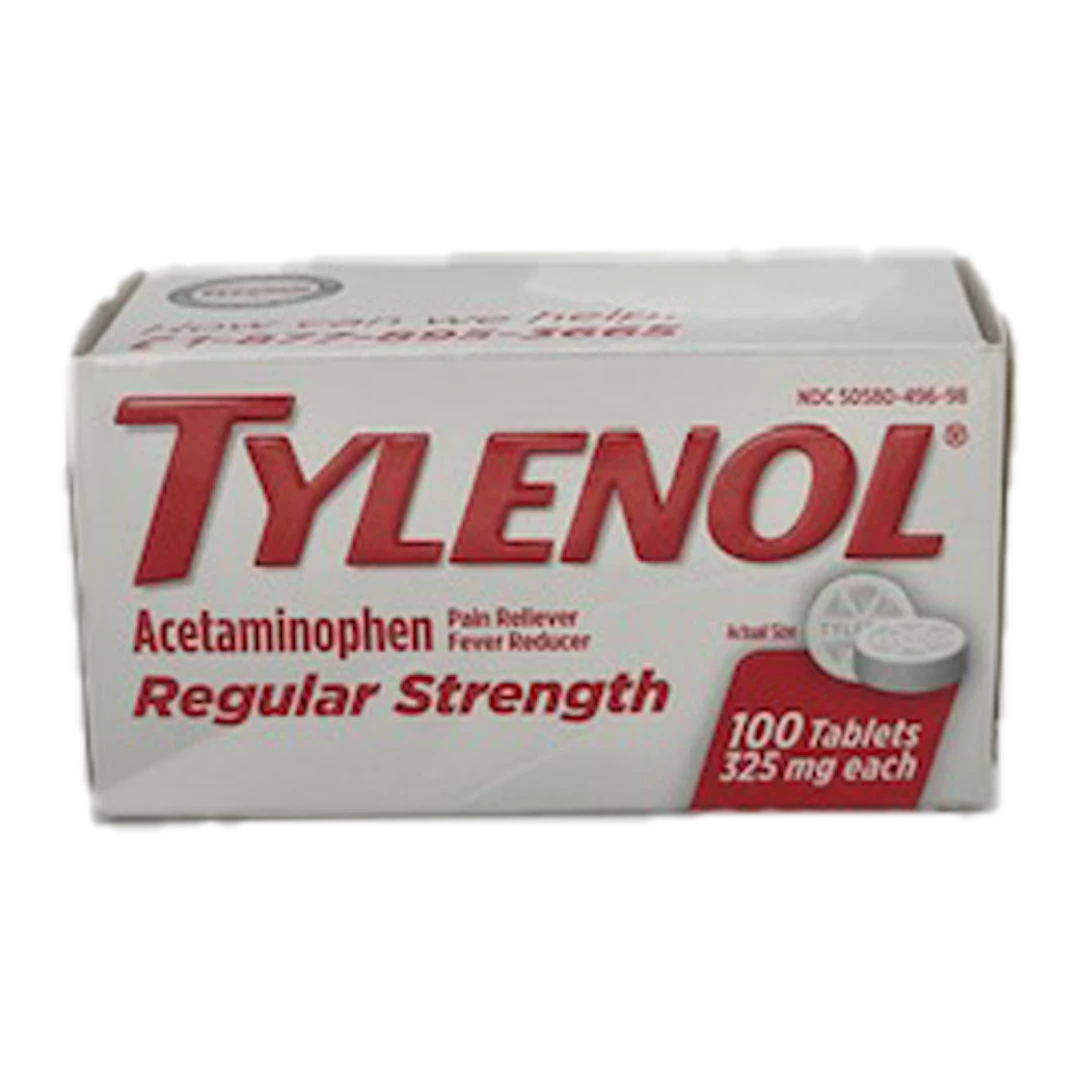
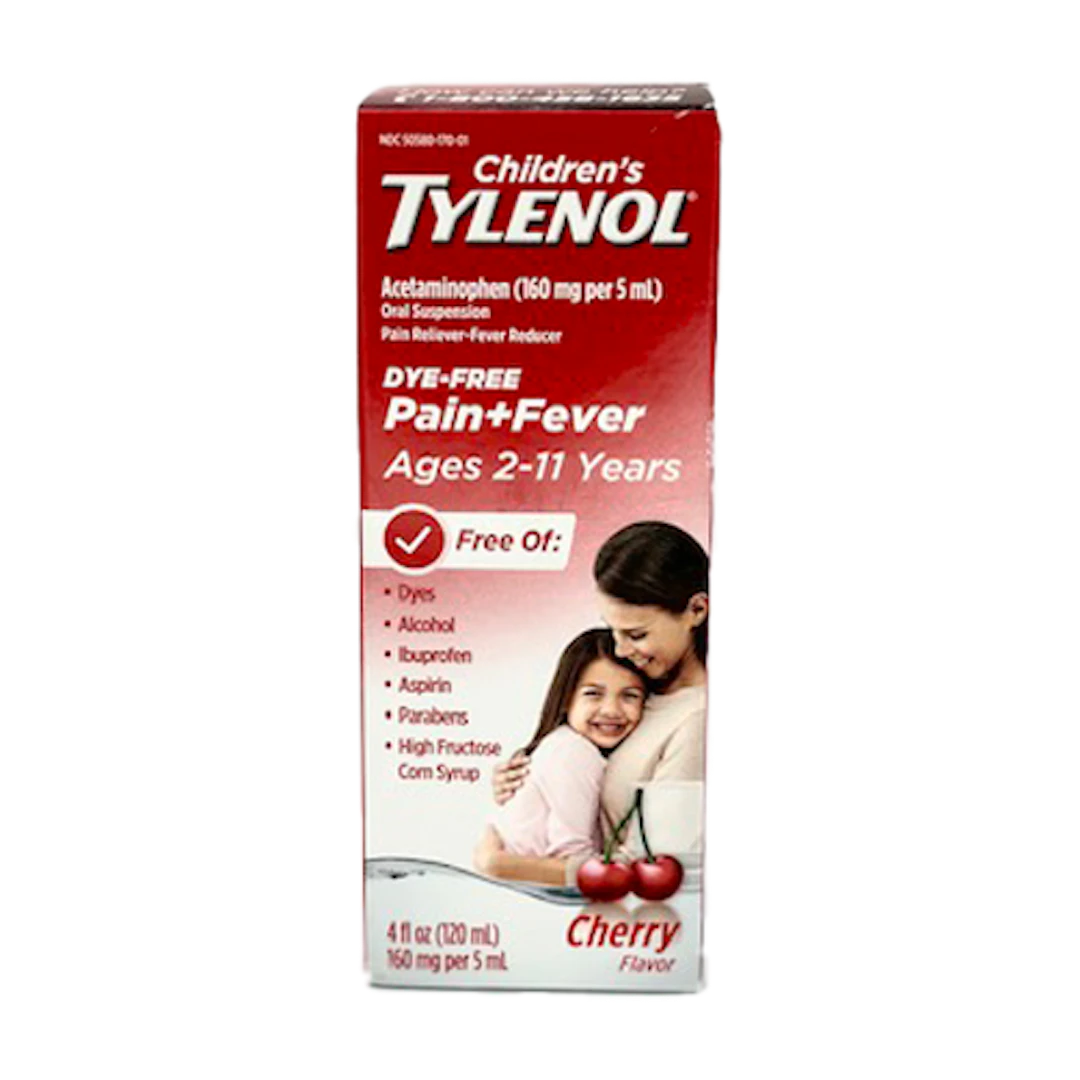
- Use over-the-counter remedies cautiously; some may help with nausea or diarrhea in adults.
Seek medical care if signs of dehydration appear, such as dizziness, very little urine, dry mouth, or unusual sleepiness in children.
Prevention
Preventing RSV involves both everyday hygiene and medical protection, especially for infants and older adults.
- Wash hands thoroughly with soap and water—especially after using the bathroom, changing diapers, and before handling food
- Avoid hand sanitizer alone—it’s not effective against norovirus
- Cook shellfish thoroughly to at least 145°F
- Rinse fruits and vegetables before eating
- Disinfect surfaces with bleach-based cleaners (1,000–5,000 ppm chlorine)
- Wash contaminated laundry with hot water and high heat drying