Questions? Call us at 800-810-7790

- Psoriasis is a chronic autoimmune skin condition, characterized by the rapid buildup of skin cells, leading to thick, red, and scaly patches on the skin.
- The exact cause of psoriasis is unknown, but it is believed to involve genetic, immune system, and environmental factors.
- Psoriasis is not contagious and cannot be transmitted from person to person.
- Psoriasis cannot be cured, and treatment aims to manage symptoms, reduce inflammation, and slow down skin cell growth.
- Treatment options include topical medications, phototherapy, systemic medications, and other therapies.


Overview
Psoriasis is a chronic autoimmune disease that affects your skin. It’s characterized by red, scaly patches of skin that can be itchy and painful. These patches, known as plaques, often occur on your elbows, knees, scalp, and/or lower back, but can appear anywhere on your body.
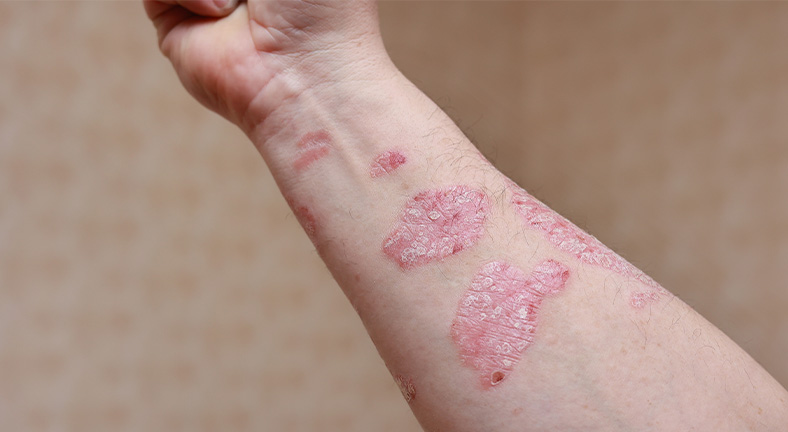
Normally, skin cells go through a cycle of growth and shedding over the course of several weeks. However, in psoriasis, this process is significantly accelerated to a few days, resulting in the accumulation of skin cells on the surface of the skin.
Psoriasis affects an estimated 2-3% of the global population. It can occur in individuals of all ages, genders, and ethnicities, although it’s most commonly diagnosed in adults between the ages of 15 and 35.
Psoriasis is not contagious. You cannot contract psoriasis by touching, being in close proximity to, or having physical contact with someone who has the condition. Psoriasis is primarily influenced by genetic, immune system, and environmental factors.
Prevalence
Psoriasis is a relatively common condition, affecting an estimated 2-3% of the global population. It can occur in individuals of all ages, genders, and ethnicities, although it’s most commonly diagnosed in adults between the ages of 15 and 35.
Psoriasis is more common in certain populations, including those with a family history of the condition and those with certain autoimmune disorders, including rheumatoid arthritis and Crohn's disease. It’s also more common in individuals who smoke, are overweight, and/or have a sedentary lifestyle.
Symptoms
Psoriasis is a chronic condition, meaning it tends to persist over a long period. The symptoms may come and go in cycles of flare-ups and periods of remission. Flare-ups can be triggered by various factors, such as stress, certain medications, infections, injury to the skin, hormonal changes, and certain lifestyle choices.
Typical signs and symptoms of psoriasis include:
- Red Patches: Raised, inflamed patches of skin that are often covered with silvery-white scales. These patches, known as plaques, can appear on various parts of the body, such as the scalp, elbows, knees, lower back, and nails.
- Itching and Discomfort: Psoriasis can be accompanied by itching, burning, or soreness in the affected areas. The severity of these symptoms can vary among individuals.
- Dry and Cracked Skin: The skin affected by psoriasis may become dry, rough, and prone to cracking or bleeding. This is because the accelerated growth of skin cells does not allow enough time for proper hydration.
- Nail Changes: Psoriasis can affect the nails, causing pitting (small depressions), discoloration, thickening, and separation from the nail bed.
- Joint pain and stiffness: Some individuals with psoriasis may develop joint pain and/or stiffness, especially in the fingers and toes.
Types
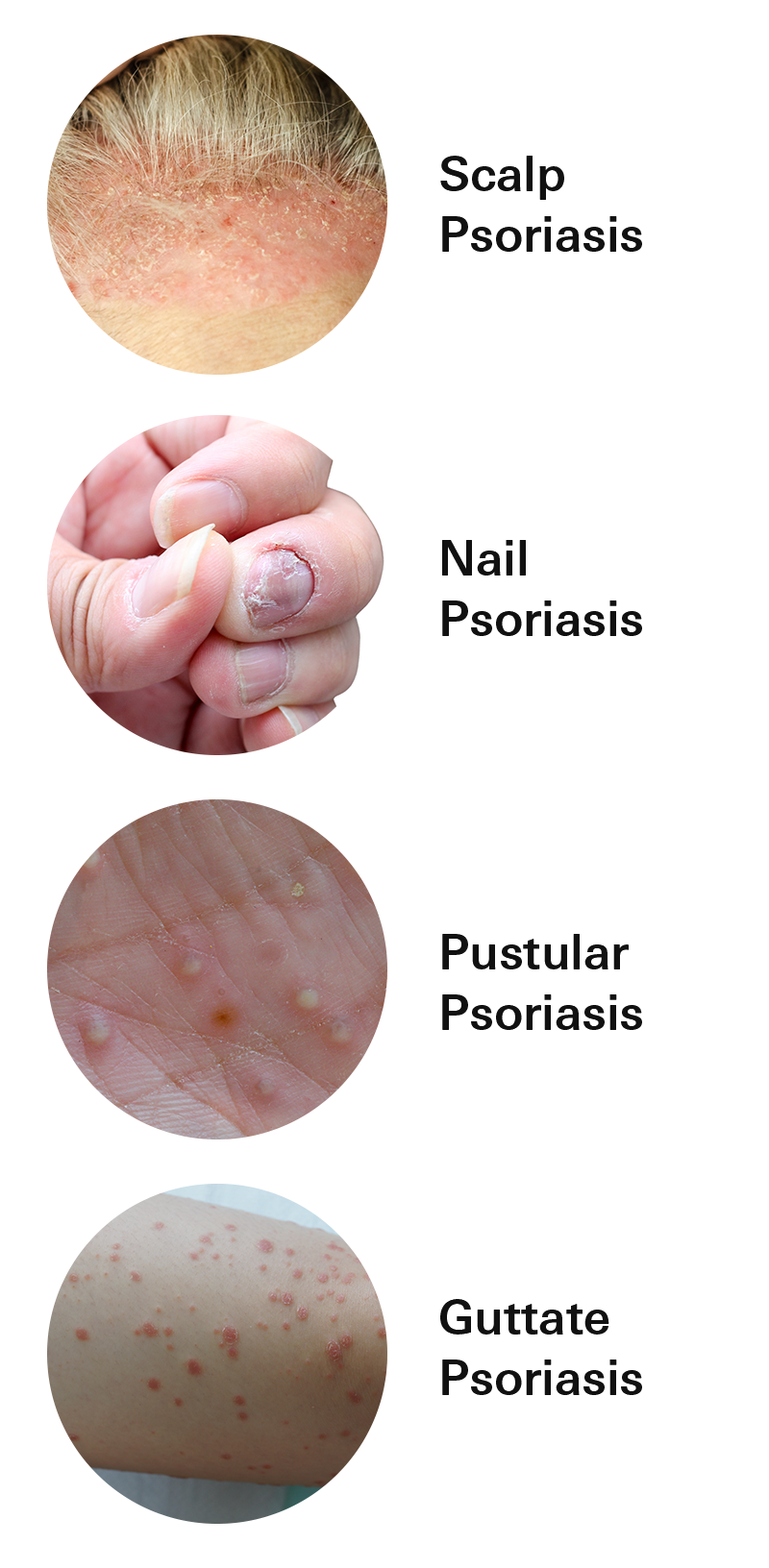
There are several different types of psoriasis, each with its own unique symptoms and features. The most common types of psoriasis include:
- Plaque psoriasis: This is the most common form of psoriasis and is characterized by raised, red, and scaly patches on your skin.
- Guttate psoriasis: This type of psoriasis is more common in children and young adults and is characterized by small, drop-shaped spots on your skin.
- Inverse psoriasis: This form of psoriasis appears in skin folds, such as your armpits, groin, and/or under the breasts, and causes smooth, red patches of skin.
- Pustular psoriasis: This type of psoriasis causes pus-filled blisters to form on your skin.
- Erythrodermic psoriasis: This is the rarest and most severe form of psoriasis, which can cause widespread redness, scaling, and itching of the skin.
- Scalp psoriasis: This type of psoriasis affects your scalp, causing red, itchy, and scaly patches of skin.
- Nail psoriasis: This type of psoriasis affects your nails, causing them to become discolored, pitted, and/or distorted.
Causes
The exact cause of psoriasis is not fully understood, but it is believed to be a result of a combination of genetic, immune system, and environmental factors.
Immune System Dysfunction
Psoriasis is considered an autoimmune disease, where the immune system mistakenly attacks healthy skin cells. In a healthy immune system, white blood cells called T cells help to protect the body against infection and disease. In psoriasis, these T cells become overactive and trigger the production of new skin cells at a much faster rate than normal. This leads to the development of the red, scaly patches of skin associated with psoriasis.
Genetic Predisposition
Psoriasis has a strong genetic component. People with a family history of psoriasis are more likely to develop the condition. Multiple genes have been identified that are associated with psoriasis, including genes involved in immune system regulation and skin cell growth.
Environmental Factors
Climate, weather conditions, and exposure to certain environmental factors, such as cold weather, dry air, or excessive sun exposure, may affect psoriasis symptoms.
Risk Factors
Various factors can trigger or worsen psoriasis symptoms in individuals who are genetically susceptible. These can include:
- Infections: Certain infections, particularly streptococcal throat infections, can trigger or exacerbate psoriasis, especially in cases of guttate psoriasis.
- Injury or Trauma: Skin injuries such as cuts, burns, or even excessive scratching can trigger the development of psoriasis lesions, a phenomenon known as the Koebner response.
- Stress: While stress does not directly cause psoriasis, it can trigger or exacerbate symptoms in individuals who already have the condition. High levels of stress may negatively affect the immune system and contribute to the development or worsening of psoriasis.
- Medications: Some medications, such as beta-blockers, lithium, and certain antimalarial drugs, have been associated with triggering or exacerbating psoriasis.
Lifestyle Factors
Certain lifestyle choices and habits can influence the development and severity of psoriasis. These include:
- Smoking: Smoking has been identified as a risk factor for psoriasis, and it is associated with a higher risk of developing more severe forms of the condition. Smoking may also decrease the effectiveness of certain psoriasis treatments.
- Alcohol Consumption: Excessive alcohol consumption can worsen psoriasis symptoms and decrease the effectiveness of treatments.
- Obesity: Obesity is associated with an increased risk of psoriasis, particularly in women. The exact reasons for this association are not fully understood, but it is believed that obesity may contribute to inflammation and other factors that can trigger or worsen psoriasis.
Other Risk Factors
- Age: Psoriasis can develop at any age, but it most commonly appears between the ages of 15 and 35. It can also develop later in life, with a second peak occurring in the 50s and 60s.
- Ethnicity: Psoriasis can affect individuals of any ethnicity, but some studies have shown that certain ethnic groups may have a higher risk. For example, individuals of European descent are more likely to develop psoriasis compared to those of African or Asian descent.
- Gender: Psoriasis affects both men and women, but some studies suggest that men may be at a slightly higher risk of developing psoriasis.
It's important to note that not everyone with psoriasis has the same triggers or experiences the condition in the same way. Psoriasis is a complex and individualized condition, and the triggers can vary among individuals.
Treatment
Psoriasis is a chronic condition that currently has no cure. However, there are various treatment options available to manage the symptoms and improve quality of life. The choice of treatment depends on the type and severity of psoriasis, as well as individual factors.
Topical Treatments
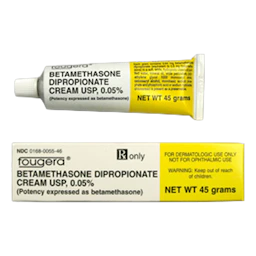
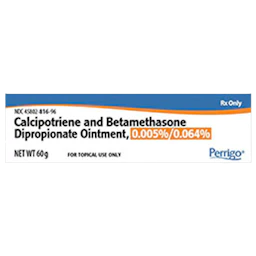
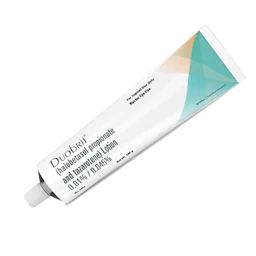
Creams, ointments, and lotions containing corticosteroids, vitamin D analogues, retinoids, and coal tar can be applied directly to the affected skin to reduce inflammation, itching, and scaling.
- Corticosteroids
These medications reduce inflammation and can help reduce the symptoms of psoriasis. They come in a variety of strengths and formulations, including creams, ointments, gels, and foams.
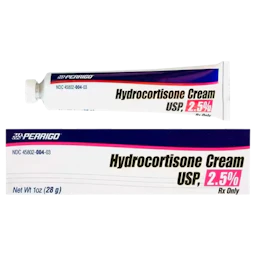
A mild corticosteroid ointment like hydrocortisone is recommended for sensitive areas (face and skin folds), widespread patches. During flares and on alternate days or weekends while in remission, topical corticosteroids may be administered once daily.
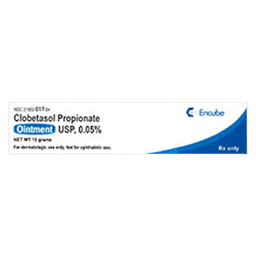
Triamcinolone or clobetasol are stronger corticosteroid creams or ointments that your doctor may recommend for smaller, less sensitive, or difficult-to-treat regions.
Frequent or excessive use of strong corticosteroids might cause skin thinning. It’s important to keep in mind that topical corticosteroids may stop working overtime.
- Vitamin D analogues
These medications are synthetic versions of vitamin D and help slow down the growth of skin cells. Examples include calcipotriene and calcitriol.
- Retinoids
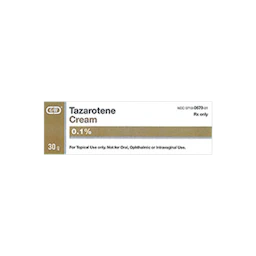
These medications, including tazarotene, are derived from vitamin A and can help reduce inflammation and normalize skin cell growth.
- Coal tar
Coal tar has been used for centuries to treat psoriasis. It works by reducing inflammation and slowing down the growth of skin cells. Coal tar is available in various forms, including shampoos, creams, and ointments.
- Salicylic acid
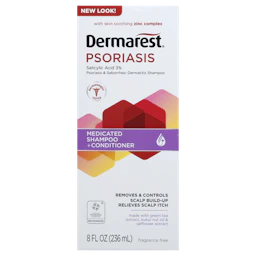
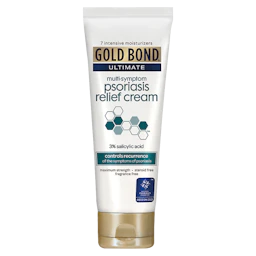
Salicylic acid helps soften and remove scales on your skin. It can be used alone or in combination with other topical medications.
Phototherapy
This involves exposing your skin to ultraviolet light, which can help slow the growth of skin cells and reduce inflammation.
Types of phototherapy include narrowband ultraviolet B (UVB) and psoralen plus ultraviolet A (PUVA) therapy.
Systemic Medications
Oral or injected medications, such as retinoids, methotrexate, cyclosporine, and biologics, are used to treat moderate to severe psoriasis that doesn't respond to other treatments.
- Methotrexate
This medication is taken once a week and works by suppressing your immune system. It can reduce inflammation and slow down the growth of skin cells. Methotrexate can have serious side effects, so it is important to be monitored closely by a healthcare provider.
- Cyclosporine
This medication is an immunosuppressant that reduces inflammation and slows down the growth of skin cells. It can be taken orally or by injection, but it can have serious side effects and is not suitable for long-term use.
- Biologics
These medications are made from living cells and work by targeting specific parts of the immune system that contribute to inflammation in psoriasis.
These medications, which are typically injected or orally, change your immune system in such a way that they break the cycle of disease and alleviate symptoms and signs of illness within weeks.
For those with moderate to severe psoriasis who haven't responded to first-line treatments, a number of these medications are approved for use.
- Acitretin
This medication is related to vitamin A and works by slowing down the growth of skin cells. It can be taken orally and is often used in combination with phototherapy.
- Apremilast
This medication is a phosphodiesterase-4 inhibitor that reduces inflammation and slows down the growth of skin cells. It can be taken orally and is often used as an alternative to biologics.
Prevention
Although there is no cure for psoriasis, there are steps that you can take to help manage your symptoms and reduce the frequency and severity of psoriasis flare-ups. These steps include the following:
- Avoiding triggers
Individuals with psoriasis should try to identify and avoid triggers that can worsen their symptoms, such as stress, injury to your skin, and/or certain medications. - Maintaining a healthy lifestyle
Eating a healthy diet, exercising regularly, and maintaining a healthy weight can help to reduce inflammation in your body and improve overall health, which may help to reduce the frequency and severity of psoriasis flare-ups. - Protecting your skin
Protecting your skin from injury and irritation can help to prevent psoriasis flare-ups. This may include avoiding harsh soaps and chemicals, using gentle skin care products, and protecting your skin from the sun. - Seeking prompt treatment
If psoriasis symptoms do occur, it’s important to seek prompt treatment in order to manage your symptoms and prevent complications.
While it may not be possible to prevent psoriasis from developing in individuals who are genetically predisposed to this condition, taking these steps can help to manage symptoms and improve your overall quality of life.
Related Topics
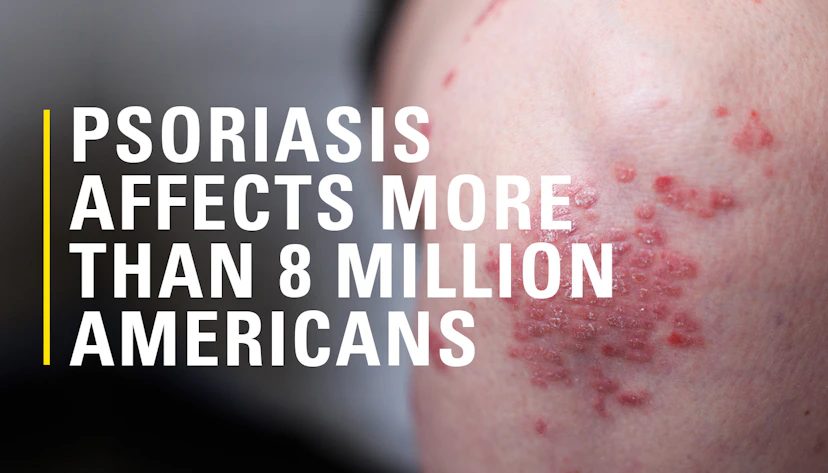
Psoriasis
Psoriasis is a chronic (long-term), autoimmune skin disease that typically affects the knees, elbows, trunk, and scalp. This skin condition tends to lead to a rash with itchy, scaly spots. Psoriasis is a chronic (long-term), autoimmune skin disease that typically affects the knees, elbows, trunk, and scalp.
Read more
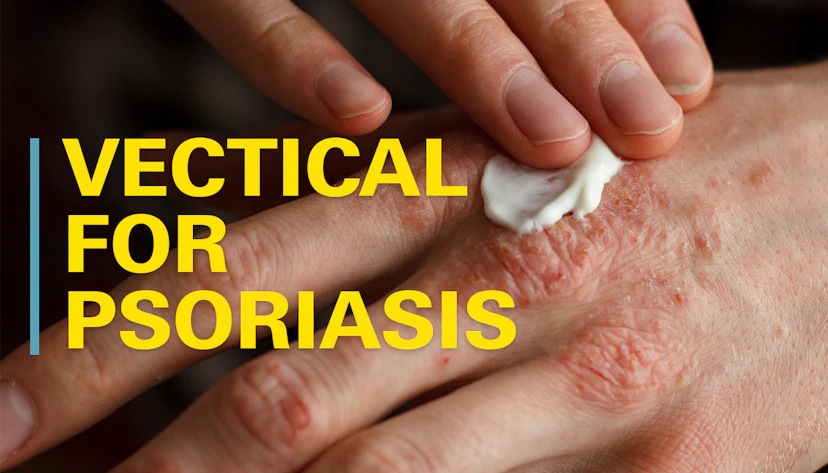
Vectical for Psoriasis
Vectical is the brand name for the generic drug Calcitriol and used to treat psoriasis, a chronic skin condition characterized by red, scaly patches on the skin.
Read more
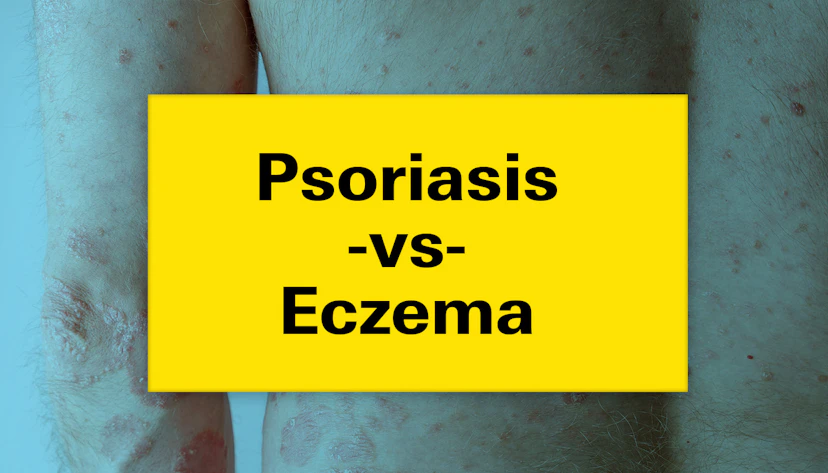
Psoriasis vs. Eczema: What's Causing My Itch?
Psoriasis and eczema are two common skin conditions that cause significant discomfort due to red, itchy, and inflamed skin patches. Although both conditions are chronic and share symptoms like inflammation, they are distinctly different diseases.
Read more
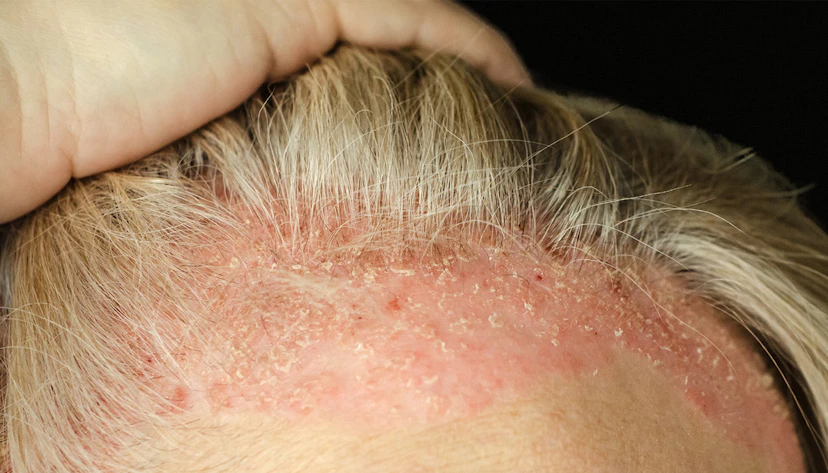
Top OTC Products That Work
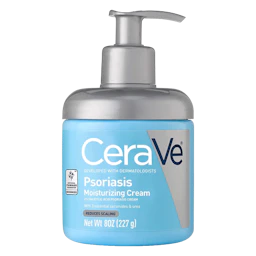
Managing psoriasis often involves a combination of prescription medications and over-the-counter (OTC) products. OTC treatments can be particularly effective for mild cases or as an adjunct to prescription therapies. Here’s a look at some of the most common OTC products, how they work, and their effectiveness.
Read more