Questions? Call us at 800-810-7790

- A sore throat is caused by viral infections (common cold, flu), bacterial infections (strep throat), environmental factors (dry air, pollution), allergies, acid reflux, and vocal strain.
- Symptoms include sore throatt, difficulty swallowing, hoarseness, fever, swollen lymph nodes, cough, and ear pain.
- Your doctor will use medical history, physical examination, and tests like rapid strep test or throat culture to diagnose the cause.
- Depending on severity and the cause, treatment includes rest, hydration, over the counter medications and antibiotics for bacterial infections.













Overview
A sore throat, medically known as pharyngitis, is a common condition characterized by inflammation or irritation of the pharynx, the tube that connects the back of the nose to the top of the esophagus and larynx. This inflammation can cause pain, discomfort, and a scratchy sensation, often making swallowing, talking, and even breathing difficult.

The throat (pharynx) plays an important role in both the respiratory and digestive systems. It serves as a passageway for both air and food. Additionally, it houses the tonsils, which are part of the body's immune system and help fight infections by trapping harmful germs that enter through the mouth or nose.
Sore throats are commonly caused by viral infections, including the common cold or influenza. These infections typically resolve on their own and may be accompanied by other symptoms such as a runny nose, cough, or fever. On the other hand, bacterial infections, such as strep throat caused by Streptococcus pyogenes, require medical treatment with antibiotics to prevent complications such as rheumatic fever.
Aside from infections, environmental factors such as dry air, smoking, pollution, or exposure to chemicals can irritate the throat lining. Allergies to pollen, dust, or pet dander can also lead to post-nasal drip, where excess mucus drips down the back of the throat, causing inflammation. Additionally, gastroesophageal reflux disease (GERD) is a condition where stomach acid frequently backs up into the throat and can also be a cause, leading to chronic throat irritation.
Prevalence
Sore throat is a common condition in the United States, affecting millions of Americans each year across all age groups. It is estimated that more than 12 million visits to doctors annually are for sore throat complaints, with a significant portion being diagnosed as pharyngitis.
While it can occur at any time of year, sore throats are most prevalent during the colder months, typically from late fall to early spring, when respiratory infections, including colds and the flu, are more widespread.
This condition affects people of all ages, but certain populations tend to experience sore throats more frequently. Children and adolescents are particularly susceptible, as they are often exposed to viruses and bacteria in school settings. Streptococcal infections, or strep throat, are especially common in this group, with school-aged children between the ages of 5 and 15 being at the highest risk.
In adults, sore throats are more often caused by viral infections, such as the common cold or influenza. However, those with chronic conditions such as asthma, allergies, or acid reflux disease are also at increased risk of recurrent sore throats due to ongoing irritation or inflammation of the throat tissues.
Additionally, certain lifestyle factors can contribute to a higher prevalence of sore throats. Smokers and those who are frequently exposed to secondhand smoke are more likely to suffer from throat irritation due to the harmful chemicals in tobacco. Those who live or work in environments with high levels of pollution or airborne irritants may also be more prone to developing sore throats. Similarly, those with compromised immune systems, whether due to illness or medications, may experience sore throats more often, as their bodies are less able to fight off infections.
Symptoms
- Throat pain or discomfort: This is the primary symptom of a sore throat, ranging from mild irritation to severe pain, especially when swallowing or talking. The intensity of the pain can sometimes indicate the underlying cause: a sharp, intense pain might suggest a bacterial infection like strep throat, while a dull ache could be due to a viral infection.
- Difficulty swallowing: A sore throat can make swallowing painful or challenging.
- Red, swollen tonsils or white patches: Infections, particularly bacterial infections like strep throat or tonsillitis, can cause the tonsils to become red and swollen. White patches or streaks of pus on the tonsils may also be present, indicating a bacterial infection.
- Hoarseness: Inflammation from a sore throat can affect the vocal cords, leading to hoarseness or a raspy voice. If hoarseness persists for more than a couple of weeks, it may indicate a more chronic issue, such as vocal strain or irritation from GERD.
- Fever and chills: A fever often accompanies a sore throat, especially when caused by an infection. Fevers are more common with bacterial infections but can also occur with viral illnesses.
- Swollen lymph nodes: Swollen lymph nodes, particularly in the neck or jaw area, can signal the body's response to an infection. Enlarged lymph nodes often accompany sore throats caused by strep throat or viral infections like mononucleosis.
- Cough and congestion: A cough or nasal congestion may accompany a sore throat, especially if it's caused by a viral infection like a cold or flu. Coughing can further irritate the throat.
- Ear pain: In some cases, the pain from a sore throat can radiate to the ears, particularly in infections like tonsillitis.
- Headache and body aches: Some viral infections that cause sore throats, such as the flu or mononucleosis, can also cause general body aches, fatigue, or headaches.
Types
Sore throats are typically categorized into 2 main types: acute and chronic, depending on the duration and underlying causes of the condition.
Acute Sore Throat
An acute sore throat develops suddenly and usually resolves within a short period, often lasting no more than 2 weeks. These are most commonly caused by viral infections, such as the common cold or flu, and bacterial infections such as strep throat. Symptoms tend to come on quickly and may include severe pain, fever, and swollen lymph nodes. Acute sore throats may also be triggered by environmental factors, including dry air or exposure to smoke, but generally improve with rest, hydration, and, if necessary, antibiotics for bacterial infections.
Chronic Sore Throat
A chronic sore throat persists for longer periods, typically more than 2 weeks, or recurs frequently. Chronic sore throats are often associated with ongoing irritants or underlying conditions, such as allergies, GERD, or smoking. Those with chronic sore throats may experience milder but constant discomfort, hoarseness, or a persistent feeling of something being stuck in the throat. Unlike acute sore throats, chronic cases are less likely to resolve on their own and often require long-term management of the root cause. For example, treating GERD with medications and lifestyle changes or managing allergies through antihistamines and avoiding triggers can help alleviate chronic throat irritation.
Identifying whether a sore throat is acute or chronic is important in determining the appropriate treatment approach and avoiding further complications.
Causes
Sore throats can be caused by various factors, including:
- Viral infections:
- Common cold: Cold-induced sore throats are usually mild and resolve within a few days.
- Flu: MOre severe sore throat than the common cold
- Mononucleosis (mono, also referred to as “the kissing disease”): Caused by the Epstein-Barr virus, mono leads to a prolonged sore throat, fatigue, and swollen lymph nodes. It is most common in teenagers and young adults.
- COVID
- Bacterial infections: Strep throat and tonsillitis.
- Environmental factors: Dry air, smoke, and pollution.
- Allergies: Allergic reactions to dust, pollen, pet dander, and mold can lead to post-nasal drip, where excess mucus drips down the back of the throat. This can cause irritation and inflammation of the throat tissues, leading to a sore throat.
- Gastroesophageal reflux disease (GERD): Acid reflux can irritate the throat, irritating the lining of the throat. This can cause chronic sore throats, especially in the morning after lying down all night. Symptoms such as heartburn, a sour taste in the mouth, and hoarseness often accompany GERD-related sore throats.
- Vocal strain: Overuse of the vocal cords. Those who frequently use their voices, such as teachers, singers, or public speakers, are more prone to vocal strain and associated throat discomfort.
- Tumors: Less common, but tumors in the throat, tongue, or larynx can cause persistent sore throats, particularly in smokers or those with a history of heavy alcohol use. Other associated symptoms may include hoarseness, difficulty swallowing, and unexplained weight loss.
Risk Factors
Several factors can make you more susceptible to sore throats, ranging from environmental to underlying health conditions.
- Age and Exposure: Children and teenagers are at higher risk due to frequent exposure to infections in school environments. Additionally, people in communal settings such as schools, hospitals, and daycares face increased exposure to viruses and bacteria that cause sore throats.
- Environmental Factors: Poor air quality, such as pollution or smoke, significantly increases throat irritation. Smoking, both active and secondhand, also inflames the throat and increases the risk of infections. Cold, dry air during the winter months or excessive indoor heating can dry out and irritate the throat as well.
- Weakened Immune System: Those with weakened immune systems due to chronic illness, immune-suppressing medications, or conditions including HIV/AIDS are more prone to infections that cause sore throats. Fatigue and stress can also lower immune defenses, increasing susceptibility.
- Allergies and GERD: Those with allergies often experience post-nasal drip, which irritates the throat, while those with GERD may experience recurring throat irritation due to stomach acid backing up into the throat.
- Vocal Strain and Frequent Travel: Overusing your voice, such as with public speaking or singing, can lead to sore throats. Similarly, frequent travelers, especially those on public transportation or planes, have an increased exposure to respiratory infections.
Diagnosis
Sore throats are diagnosed through a combination of medical history, physical exams, and, in some cases, diagnostic tests.
When a patient presents with a sore throat, a healthcare provider will first ask about the symptoms, including the severity and duration of the discomfort, as well as any accompanying signs such as fever, cough, or swollen lymph nodes. The provider will also ask about recent exposure to illnesses, environmental factors, or potential irritants such as smoking or allergens. This initial history helps narrow down the possible causes, whether they are viral, bacterial, or related to other conditions including allergies or GERD.
During the physical exam, the provider will visually inspect your throat, looking for redness, swelling, or white patches on the tonsils, which can indicate a bacterial infection, including strep throat. They may also check your ears and nasal passages to rule out other sources of infection or irritation. Palpating the neck to feel for swollen lymph nodes is another key step, as this can suggest the body is fighting off an infection.
If a bacterial infection such as strep throat is suspected, the provider may perform a rapid strep test by swabbing the back of the throat. This test can provide results within minutes, helping to confirm whether Streptococcus bacteria are present.
In some cases, a throat culture may be done, where the swab is sent to a lab for more detailed testing, especially if the rapid test is negative, but symptoms strongly suggest strep throat. For chronic sore throats, further evaluation may be necessary, including tests for allergies, acid reflux, or imaging to rule out issues or tumors.
Treatment
Home Remedies
- Saltwater Gargle: Gargling with warm salt water can soothe a sore throat and reduce inflammation.
- Honey and Tea: Honey has natural antibacterial properties and can soothe a sore throat. Drinking warm tea with honey can provide comfort.
- Hydration: Staying hydrated is crucial. Drink plenty of water and warm liquids like broth or herbal tea.
- Rest and Humidifier: Resting your voice and using a humidifier can help alleviate symptoms.
Over-the-Counter Medications
- Pain Relievers:
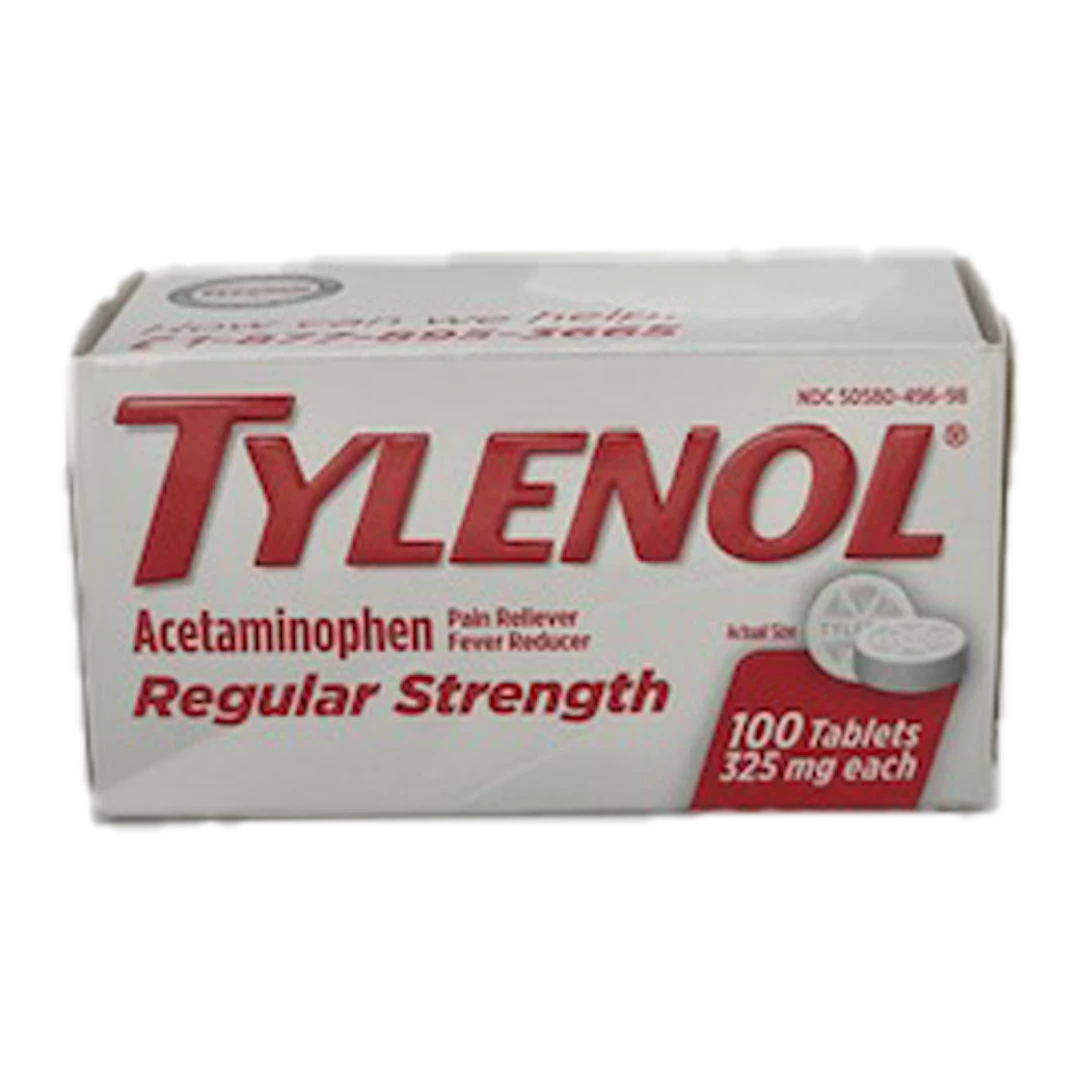
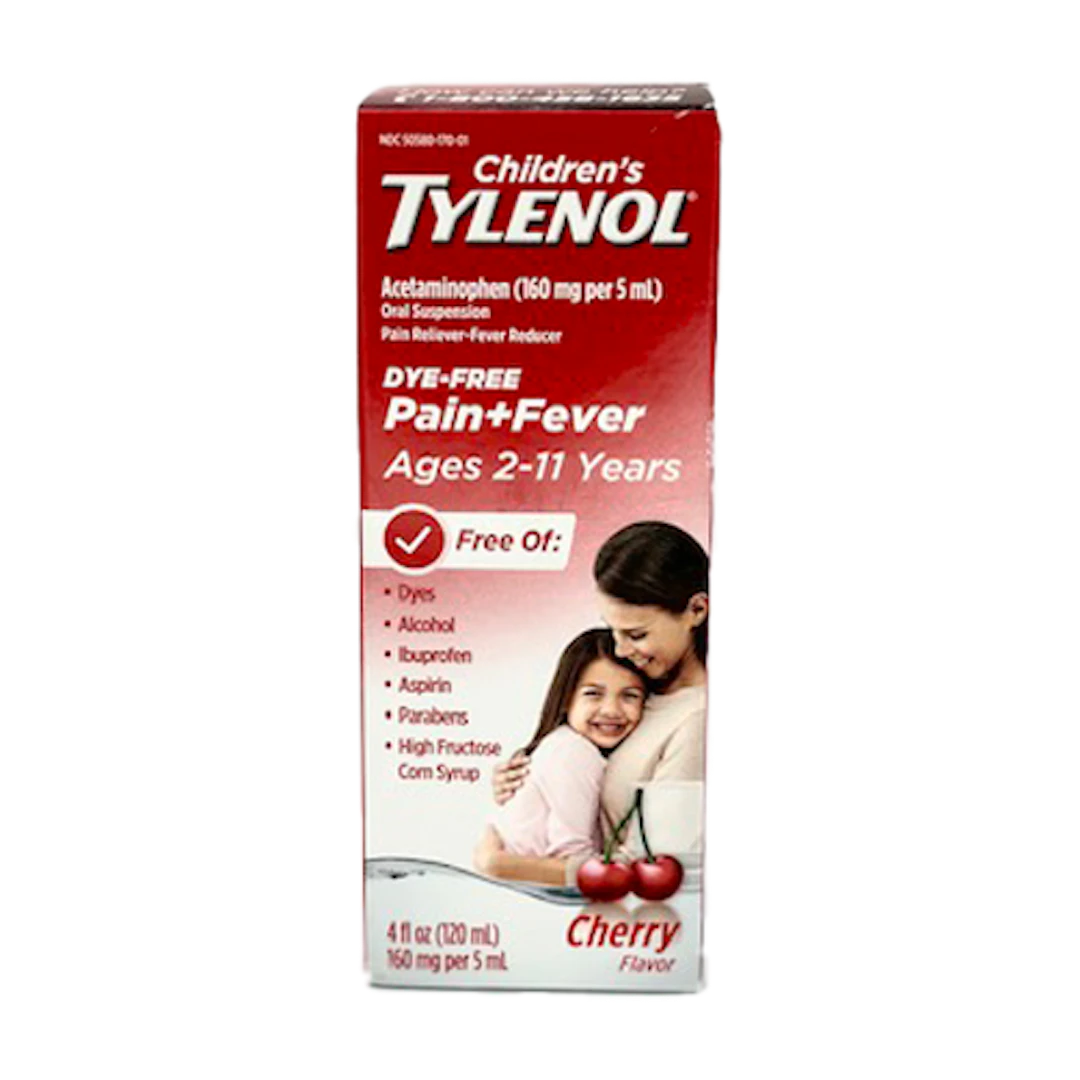
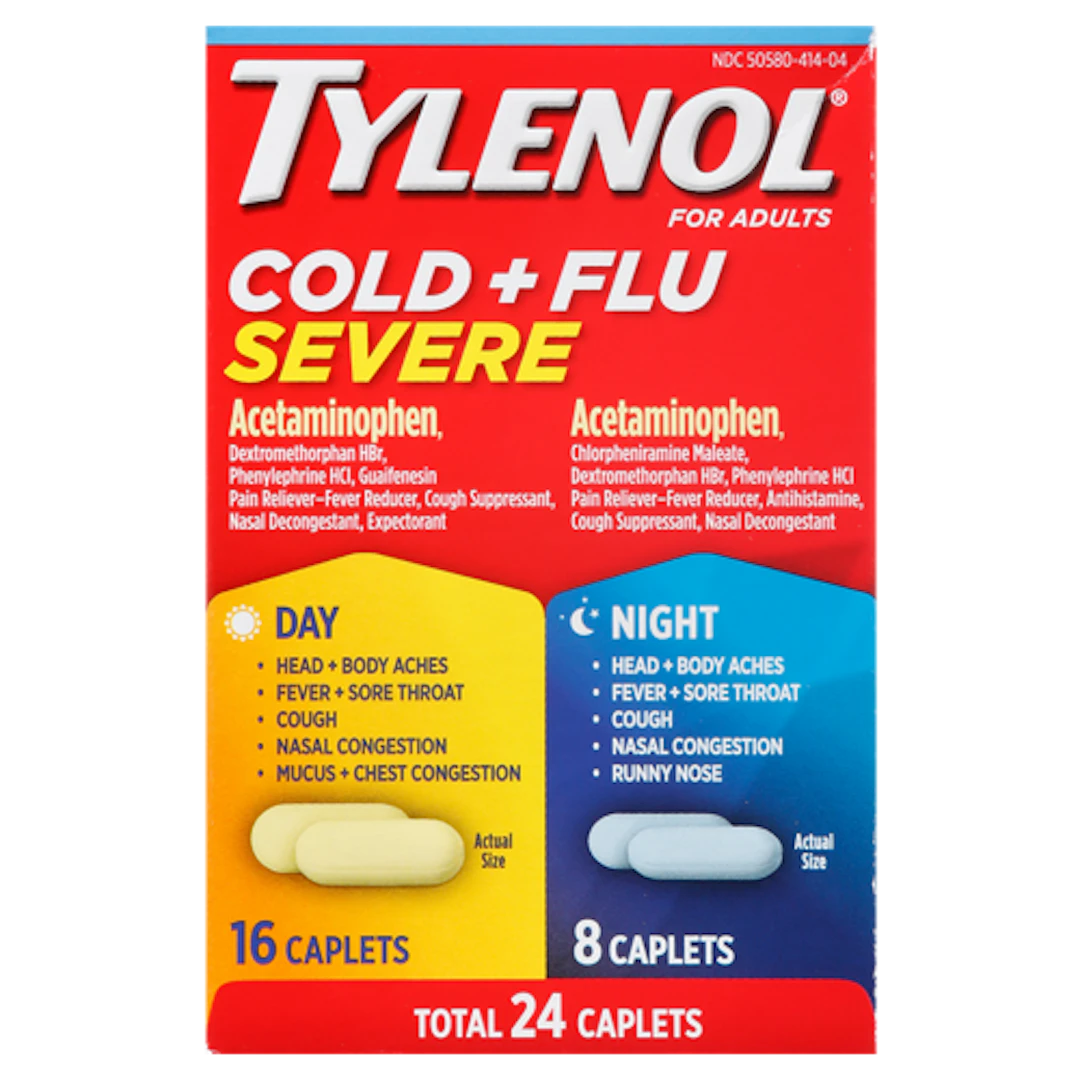
- Acetaminophen (Tylenol): For mild to moderate pain
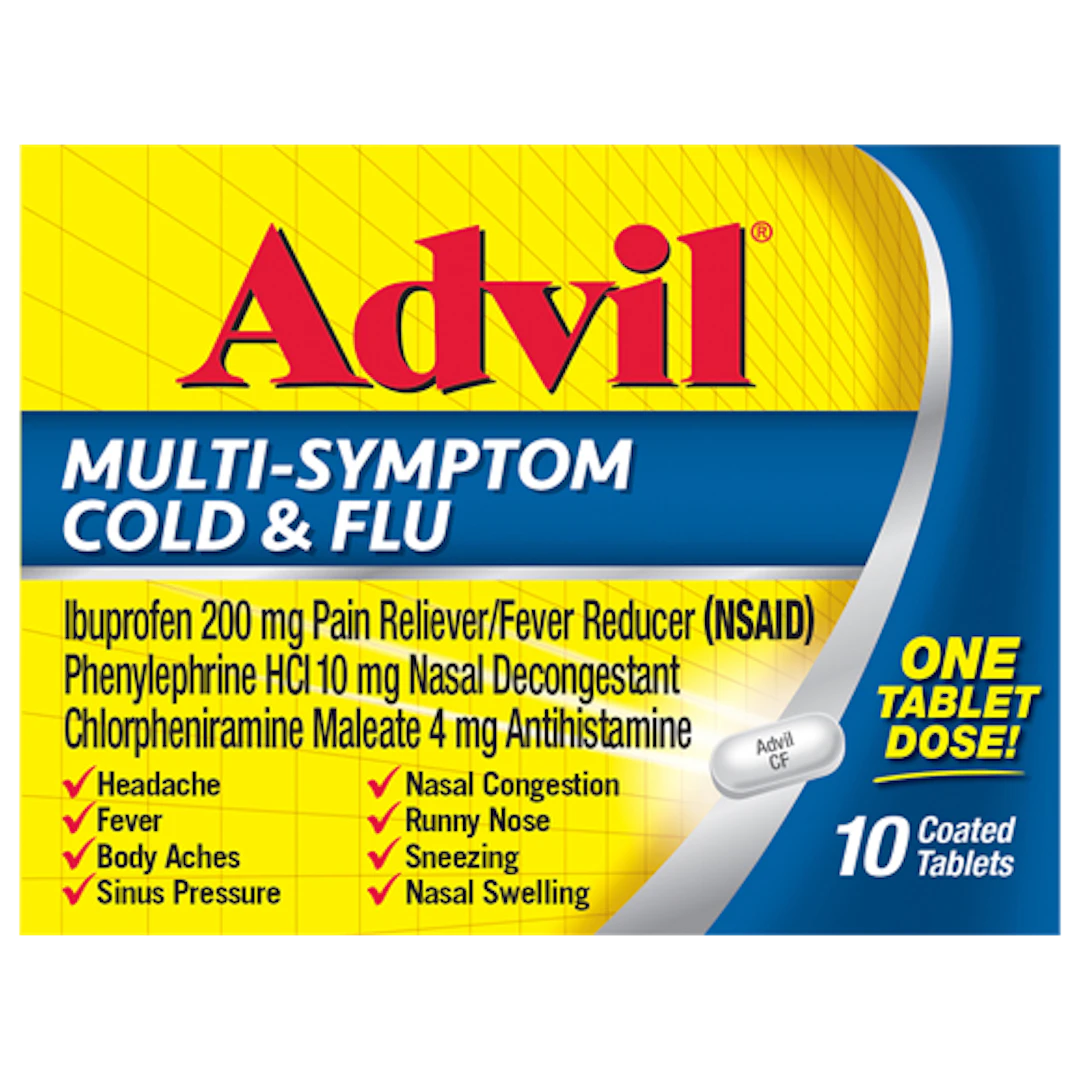
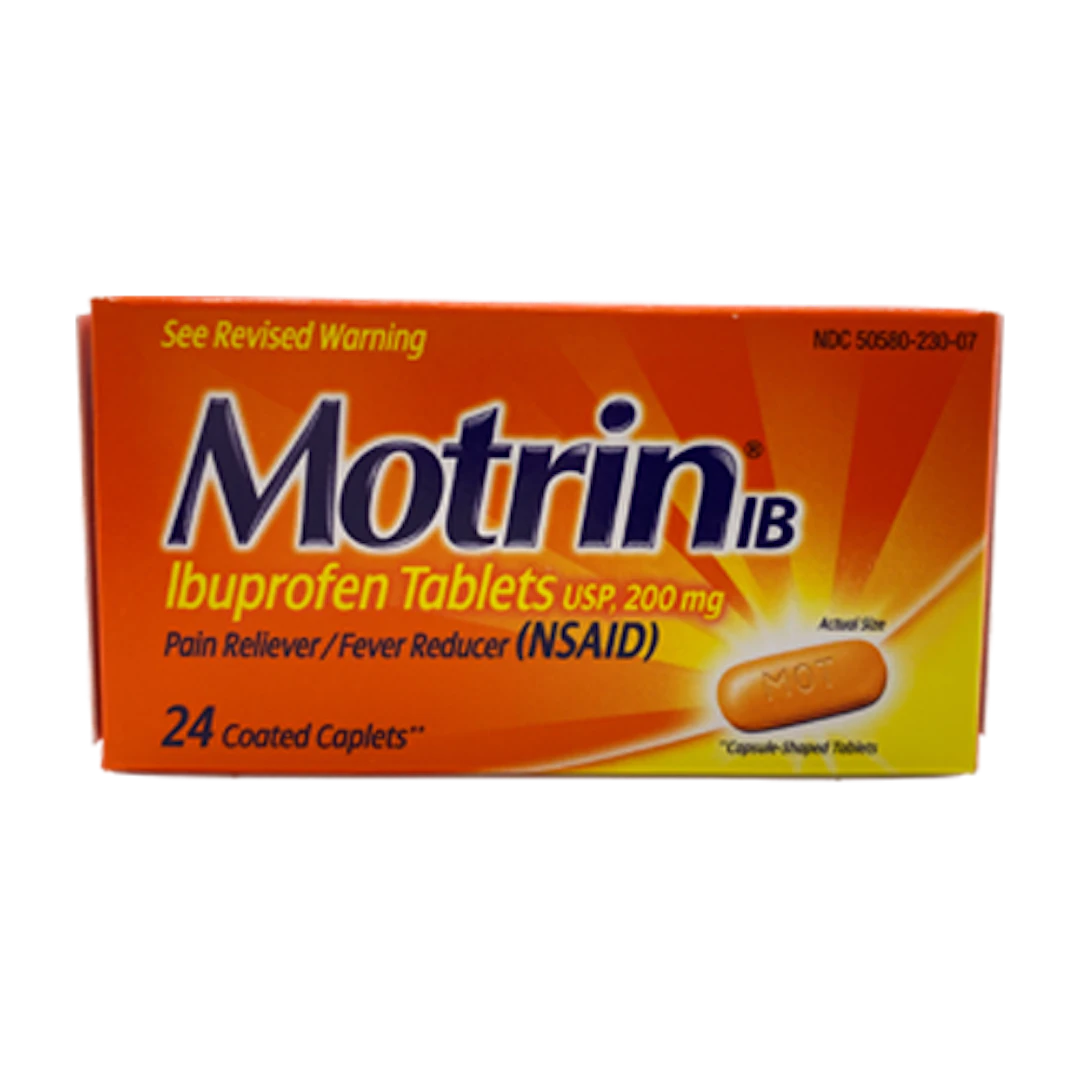
- Ibuprofen (Advil, Motrin): Reduces pain, fever, and inflammation.
- Numbing Agents: Lozenges and sprays containing benzocaine, menthol, or phenol can numb the throat.
- Chloraseptic Cherry Throat Spray
- Chloraseptic Sore Throat Spray Citrus
- Cepacol Max Numbing Cherry
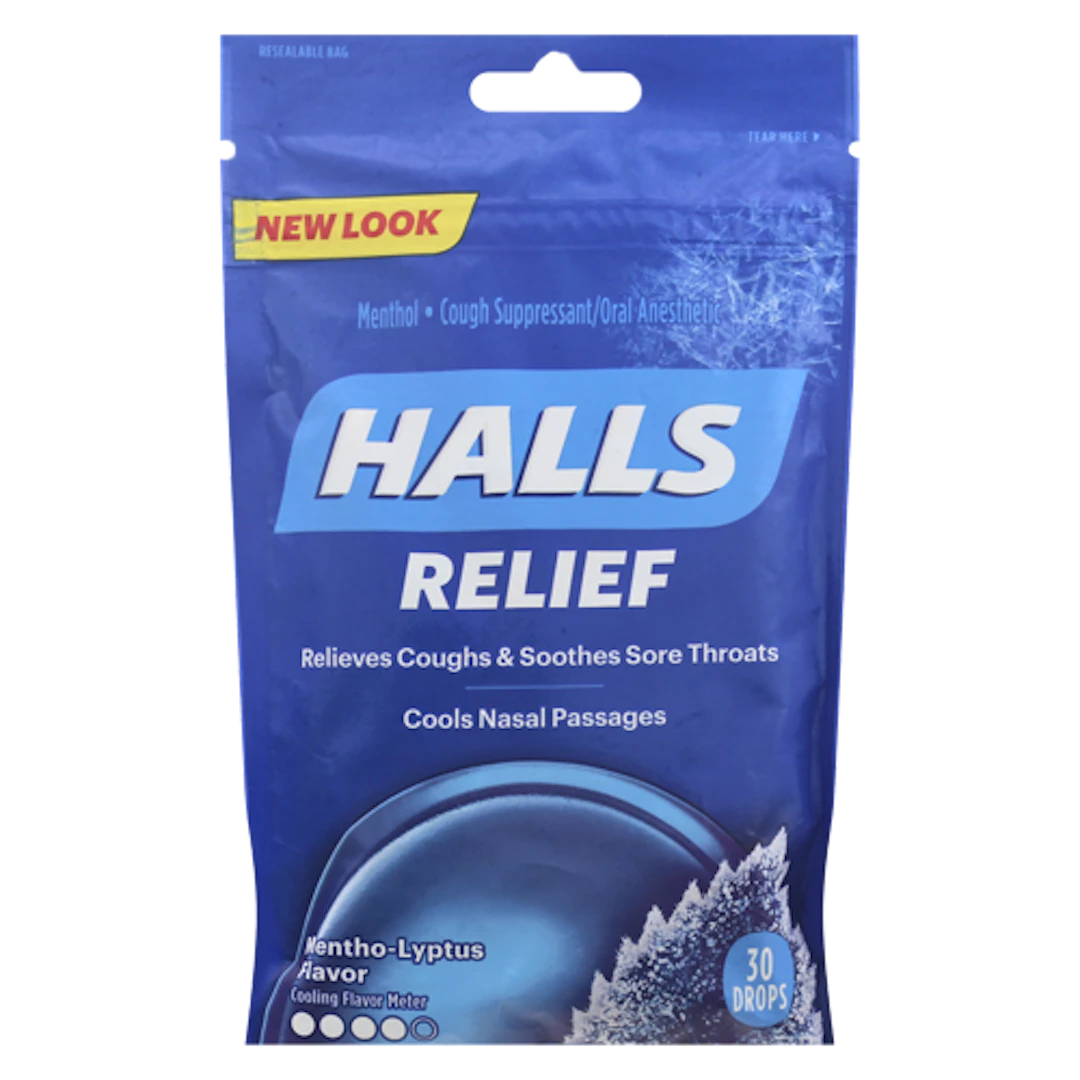
- Halls Mentho-Lyptus
- Halls Honey Lemon
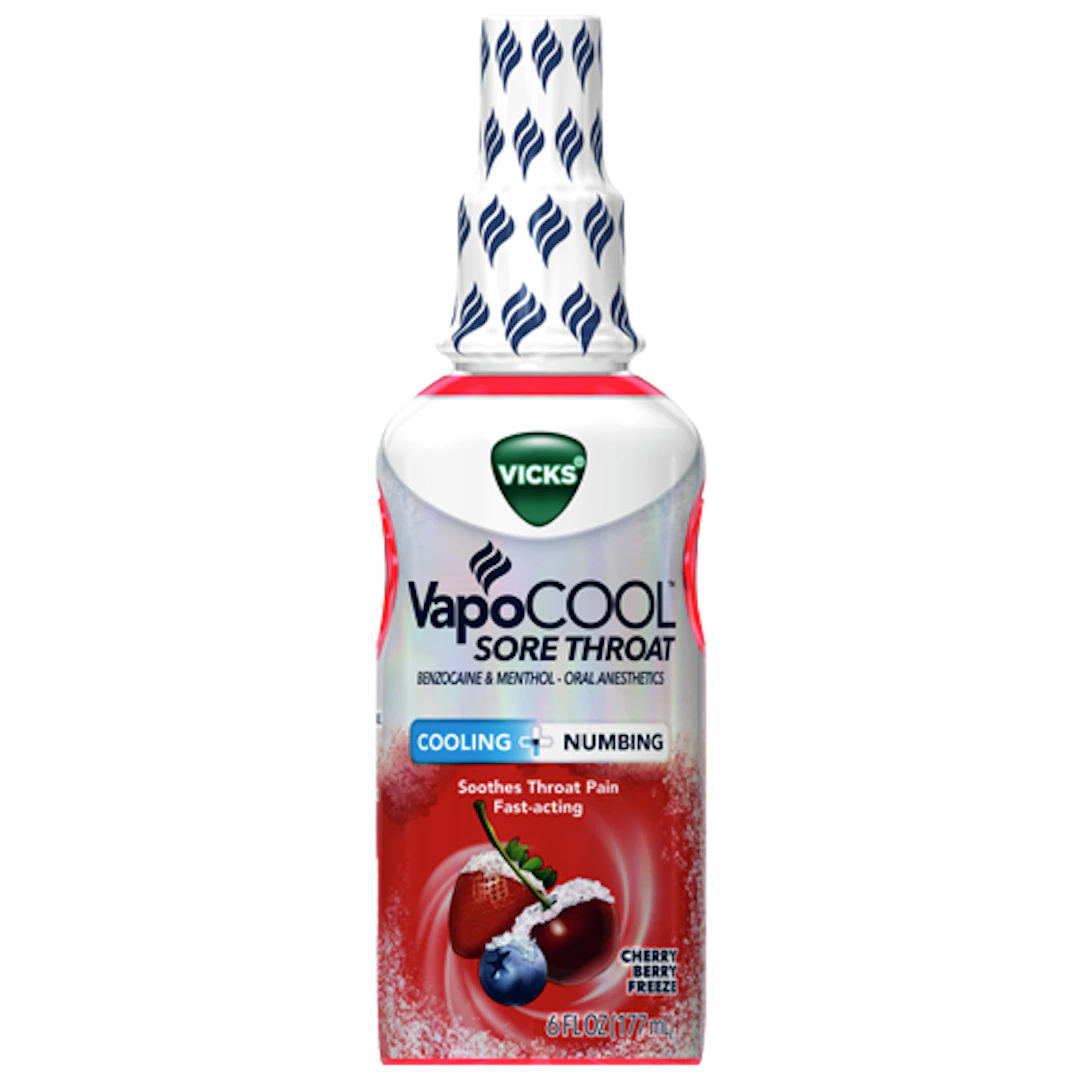
- Vicks VapoCool Sore Throat Spray
- Demulcents: Lozenges with ingredients like honey or glycerin can soothe the throat.
- : Ricola Cough Drop Natural
- Antihistamines: If allergies are contributing to your sore throat, antihistamines can help reduce symptoms.
- Diphenhydramine (Benadryl)
- Fexofenadine (Allegra)
- Loratadine (Claritin)
- Cetirizine (Zyrtec)
Prescription Medications
For bacterial infections like strep throat, a doctor may prescribe antibiotics
- Penicillin: The most commonly prescribed antibiotic for strep throat. It is highly effective but may cause side effects such as nausea or allergic reactions in some patients.
- Amoxicillin: Similar to penicillin but more widely used, especially in children. Side effects can include upset stomach, diarrhea, or allergic reactions.
- Azithromycin (Z-Pak): Often used in people allergic to penicillin, azithromycin treats bacterial throat infections and is generally well-tolerated, though it can cause digestive upset in some cases.
Complications
While most sore throats resolve on their own without lasting effects, certain complications can come up, particularly if the underlying cause is left untreated.
One of the most common complications is the spread of infection, especially in cases of bacterial sore throat such as strep throat. If not treated with antibiotics, strep throat can lead to more serious conditions such as rheumatic fever, which can cause permanent damage to your heart, or, although rare, post-streptococcal glomerulonephritis, a condition that can affect your kidneys.
For those with chronic sore throats caused by GERD or allergies, ongoing throat irritation can lead to issues including laryngitis, where the vocal cords become inflamed, causing hoarseness or loss of voice. In more serious cases, chronic irritation may increase the risk of developing chronic pharyngitis or even esophageal damage if GERD is not properly managed.
Long-term exposure to irritants, including smoke or pollutants, can also contribute to the development of more serious conditions such as throat cancer.
In children, recurrent sore throats may lead to complications including enlarged tonsils or adenoids, which can interfere with breathing or lead to chronic ear infections. In these cases, surgical removal of the tonsils may be necessary.
Overall, while many sore throats are minor, it is important to address any persistent or severe cases to avoid these potential complications.
Prevention
One of the most effective ways to prevent sore throats, particularly those caused by viral or bacterial infections, is through regular handwashing. Washing hands thoroughly with soap and water helps reduce the spread of germs, especially during cold and flu season. Avoiding close contact with those who are sick and covering your mouth and nose when coughing or sneezing also helps limit the transmission of infectious agents.
Maintaining a healthy environment is another key factor. Using a humidifier to keep indoor air moist can prevent dry air from irritating the throat, especially during winter months. Avoiding smoking and exposure to secondhand smoke is important, as tobacco smoke, as mentioned, is a major irritant that can inflame the throat and weaken the respiratory system, making it more susceptible to infections.
For those prone to allergies, managing allergic reactions with medications and limiting exposure to allergens such as dust, pollen, or pet dander can prevent throat irritation caused by post-nasal drip.
Staying hydrated and practicing vocal care, particularly for those who frequently use their voice, can also help prevent sore throats. Drinking plenty of water keeps the throat moist, and avoiding excessive yelling or speaking loudly can prevent strain on the vocal cords.
Additionally, for those with GERD, managing symptoms through dietary changes and medications can reduce the risk of chronic throat irritation from acid reflux.
By adopting these preventive strategies, you can significantly reduce your risk of developing sore throats.
Related Topics
Top OTC Medications for Sore Throat Relief
A sore throat is a painful, dry, or scratchy feeling in your throat. It's often a symptom of an underlying condition, such as a common cold, flu, or a strep throat.
Read more