Questions? Call us at 800-810-7790

- Staph bacteria often live harmlessly on the skin, but they cause infection when they enter through cuts, scrapes, or medical devices.
- They spread mainly through direct skin contact or shared items and are more common in crowded or healthcare settings. Risk increases with wounds, medical devices, chronic illness, weakened immunity, or repeated antibiotic use.
- Most infections are minor skin issues like boils or rashes, but they can become life-threatening if they reach the blood, bones, or lungs.
- While most respond to standard antibiotics, some strains like MRSA are resistant, requiring specific, stronger treatments.
Overview
A "staph" infection is caused by Staphylococcus bacteria, especially Staphylococcus aureus. These germs are very common and often live harmlessly on the skin or in the nose of about 30% of people. However, if the bacteria enter the body through a cut or medical device, they can cause an infection.
Some strains, such as MRSA, are harder to treat because they do not respond to certain antibiotics. Many infections, however, are still caused by strains that respond to standard treatments.
How common is it?
Staph infections are very common.
- About 1 in 3 people carry staph bacteria without symptoms.
- Millions of staph infections occur worldwide each year, and skin infections are the most common type.
- Infections are more frequent in hospitals, nursing homes, and "high-touch" community areas like gyms or locker rooms. Risk is higher for those with weakened immune systems, recent surgeries, or those using catheters and IV lines.
How it spreads?
Staph spreads mainly through direct skin-to-skin contact or by touching contaminated objects (towels, razors, clothing, surfaces). In healthcare settings, unclean hands, equipment, or devices can transmit it. MRSA (a resistant strain) spreads the same way but can be harder to treat.
Symptoms
Symptoms depend on where the infection occurs. Most are skin-related and start with redness, warmth, swelling, and pain.
Skin infections (most common)
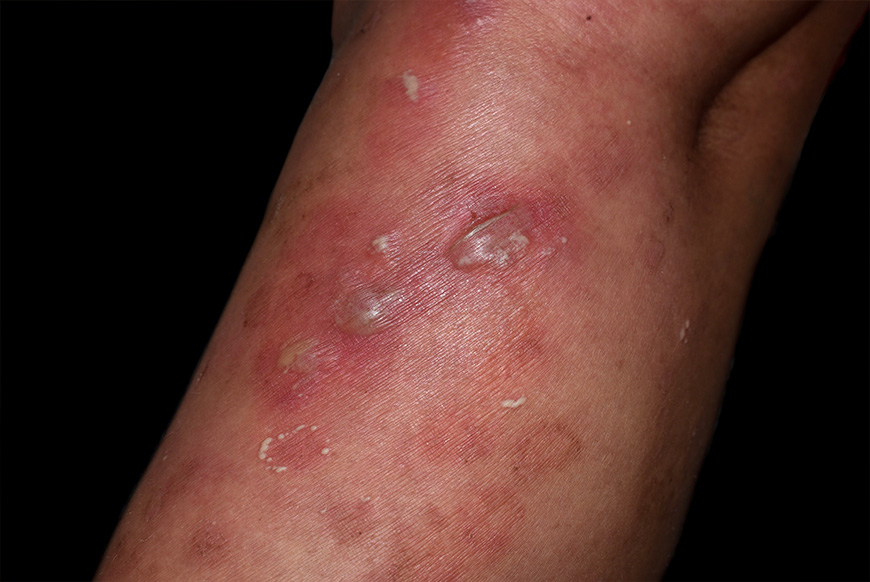
- Boils/abscesses: Painful, swollen, pus-filled lumps under the skin
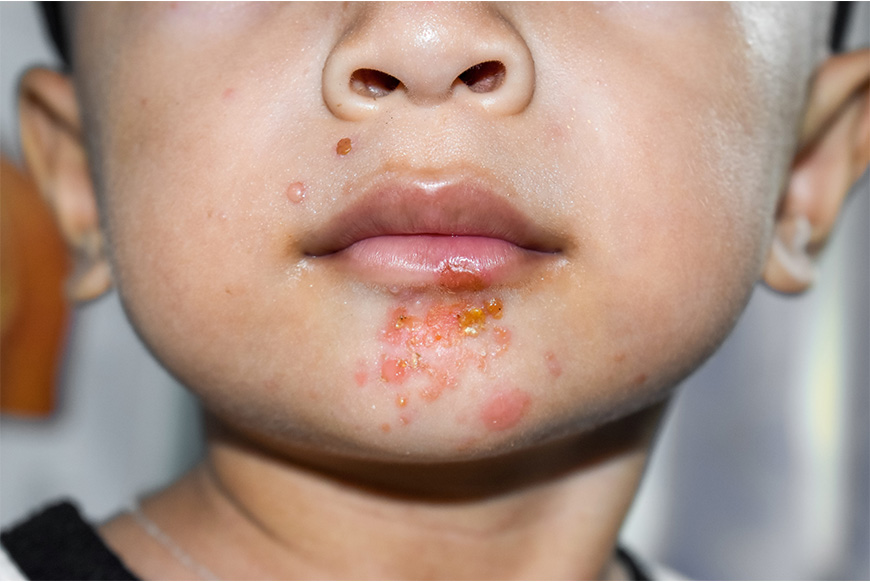
- Impetigo: Small red sores (often in children) that burst and form a yellow crust; spreads easily by touch
- Wound infections: Redness, swelling, pain, pus, or warmth around cuts, scrapes, or surgical sites
- Cellulitis: Deeper red, warm, tender, swollen area that spreads quickly and feels tight
- Staphylococcal scalded skin syndrome (rare, mostly in young children): Widespread blistering and peeling skin due to bacterial toxins
Other staph infections
- Food poisoning: Sudden nausea, vomiting, stomach cramps, diarrhea (starts 30 min–8 hours after eating contaminated food)
- Bloodstream infection (bacteremia/sepsis): Fever, chills, fatigue, low blood pressure, rapid heart rate, confusion
- Toxic shock syndrome (rare, serious): High fever, rash, vomiting, diarrhea, muscle aches, low blood pressure, confusion
- Joint infection (septic arthritis): Painful, swollen, stiff joint
- Bone infection (osteomyelitis): Deep bone pain, swelling, tenderness
- Pneumonia: Cough, fever, chest pain, shortness of breath
- Endocarditis: Infection of heart valves (fever, fatigue, heart murmur)
When to seek urgent care
Get immediate medical help if you have: high fever, trouble breathing, confusion, severe pain, rapid heart rate, or red streaks spreading from a skin sore. These suggest the infection is spreading.
Staph infections are treatable, often with antibiotics, drainage of pus, or supportive care. Good hand hygiene, covering wounds, and not sharing personal items help prevent spread. If you suspect an infection, especially with fever or rapid worsening, contact a healthcare provider promptly.
Causes
Simply coming into contact with staph bacteria does not always lead to an illness. An infection only occurs when the bacteria enter the body, typically through:
- Cuts, scrapes, or abrasions
- Surgical wounds or incisions
- Insect bites or burns
- Areas around medical devices (catheters, IV lines, dialysis access)
Once inside, bacteria can cause local infection or spread to deeper tissues, joints, bones, lungs, heart valves, or bloodstream.
Different strains include:
- MSSA (methicillin-susceptible S. aureus)
- MRSA (methicillin-resistant S. aureus)
- VISA (vancomycin-intermediate S. aureus)
- VRSA (vancomycin-resistant S. aureus)
MSSA responds well to standard antibiotics (like penicillin-type drugs). MRSA, VISA, VRSA do not respond to common antibiotics. These require specific, stronger medications to manage.
Risk Factors
Certain situations make staph infections more likely, including:
- Breaks in the skin (cuts, burns, or chronic skin conditions)
- Recent surgery, injections, or implanted devices (e.g., pacemakers, joint replacements)
- Indwelling medical devices such as catheters or dialysis lines
- Frequent skin contact, contact sports, or shared surfaces and equipment
- Repeated or long-term antibiotic use
- Chronic illnesses such as diabetes, kidney, or lung disease
- Weakened immune system or recent viral infection (like the flu)
- Crowded environments such as dorms, gyms, or long-term care facilities
Hospitals, long‑term care facilities, and dialysis centers carry higher risk due to close contact, invasive procedures, and weakened patient immunity.
Newborns, older adults, and individuals with frequent healthcare interactions are more likely to develop invasive (deeper) infections.
Diagnosis
Diagnosis depends on symptoms and where the infection is located. A healthcare provider will perform a physical exam and review recent medical history.
Medical History
Common diagnostic tools include:
- Biopsy: A small sample is tested if deeper infection is suspected
- Blood tests: Used when infection may have spread beyond the skin
- Imaging scans (MRI or CT): Check for bone, joint, lung, or organ involvement
- Echocardiogram: Helps detect infection of the heart valves (endocarditis)
These tests help confirm the diagnosis and guide treatment based on the infection’s severity and location.
Treatment
Treatment depends on location and severity. Mild skin infections often improve quickly; serious ones need hospital care.
Drainage
For many skin infections, the primary treatment is Incision and Drainage. A doctor numbs the area, makes a small opening, and drains the pus.
Note: Never try to "pop" or drain a suspected staph infection yourself, as this can push the bacteria deeper into your bloodstream.
Antibiotics
Depending on the strain (MSSA vs. MRSA), your doctor may prescribe:
- Oral antibiotics: Cephalexin, Sulfamethoxazole/Trimethoprim (Bactrim), or Linezolid
- IV antibiotics (for serious cases): Vancomycin, Daptomycin, or Nafcillin
Side Effects: Most antibiotics can cause nausea, diarrhea, or a skin rash. It is vital to finish the entire course, even if you feel better, to prevent the bacteria from becoming resistant.
Prevention
Most staph infections can be avoided by protecting your skin and practicing good hygiene. Simple habits help limit bacterial spread.
Ways to reduce risk:
- Keep cuts, scrapes, and wounds clean and covered until healed
- Wash hands regularly with soap and water or an alcohol-based sanitizer
- Avoid sharing personal items like towels, razors, or athletic gear
- Wipe down shared equipment (e.g., gym machines, mats)
Maintaining strong hygiene habits and caring for the skin can significantly reduce the chance of infection or spread.