Questions? Call us at 800-810-7790

- SJS is a rare but serious skin reaction, usually triggered by medications, that causes painful rashes, blisters, and skin peeling.
- Early symptoms often resemble the flu, making it hard to recognize until skin and mucous membranes are affected.
- Immediate hospitalization is required; treatment focuses on stopping the trigger drug and supporting healing through fluids, wound care, and pain management.
- Recovery can take weeks, and long-term complications may include scarring, vision problems, and emotional distress.
Overview
Stevens-Johnson Syndrome (SJS) is a rare but serious disorder that affects the skin and mucous membranes, such as inside the mouth, eyes, and genitals.
It typically begins with flu-like symptoms and quickly turns into a painful rash that blisters and peels. JSJ is a medical emergency because it can lead to serious complications and even be life-threatening.
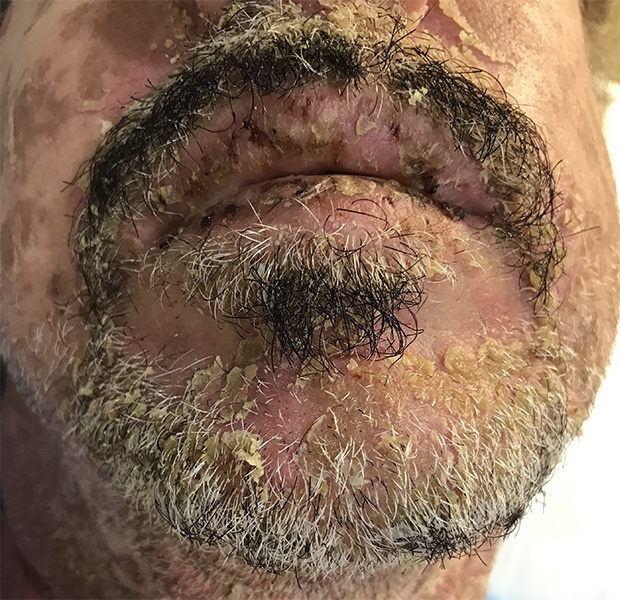
SJS is often caused by a reaction to certain medications. Infections, like those from herpes or pneumonia, can also trigger it, though this is less common.
In more severe cases, when over 30% of the skin is affected, the condition is classified as toxic epidermal necrolysis (TEN), which carries a higher risk of complications and mortality.
Prevalence
SJS is extremely rare, with an estimated incidence of about 1 to 2 cases per million people each year in the United States. While it can occur at any age, it is more frequently seen in adults, particularly older adults who may be taking multiple medications.
Genetic factors, such as specific human leukocyte antigens (HLAs), can also increase susceptibility. People with weakened immune systems, cancer, or a history of SJS are at greater ris.
Symptoms
In the early stages, SJS often feels like a viral illness, which makes it easy to miss. Symptoms may begin several days before the skin changes appear. Early warning signs can include:
- Fever
- Sore throat
- Cough
- Burning or gritty sensation in the eyes
- General body aches and discomfort
Within a few days, a rash usually develops. It often starts as flat, red or purplish patches that may be tender or itchy. The rash spreads quickly and can form blisters, which then break open, leaving raw, painful skin.
Skin and mucous membrane symptoms may include:
- Rapidly spreading red or purple spots
- Blisters on the skin, mouth, eyes, or genitals
- Peeling skin, sometimes in large sheets
- Painful raw areas where skin has detached
- Crusting around the lips or eyes
- Pain and difficulty eating or swallowing due to mouth sores
In severe cases, the eyes may become swollen and painful, potentially leading to vision problems. The skin damage can result in dehydration, infection, and long-term complications such as scarring, nail loss, and chronic fatigue.
Complications
Even with treatment, SJS can cause lasting damage. It often affects not only the skin but also mucous membranes in the mouth, eyes, and genitals, which may lead to long-term problems.
Possible complications include:
- Skin infections: Open wounds are vulnerable to bacteria, which can lead to sepsis, a life-threatening blood infection
- Permanent skin damage: Scarring, discoloration, and loss of hair or nails may occur
- Eye problems: These range from dry eyes and light sensitivity to corneal ulcers and, in severe cases, vision loss
- Mouth and throat issues: Painful sores can make eating and swallowing difficult, and may cause lasting tissue damage
- Genital and urinary scarring: This can lead to pain and complications with urination or sexual function
- Organ damage: In rare cases, SJS can affect the lungs, liver, or kidneys
- Emotional impact: Anxiety, depression, and post-traumatic stress are common after experiencing a life-threatening illness
Some complications may not appear until weeks or even months after the initial reaction. Ongoing care, including follow-up with specialists, is often necessary to manage these long-term effects.
Causes
SJS is often triggered by a severe allergic reaction to a medication. Your immune system mistakenly identifies the drug as a threat and launches an attack that damages your skin and mucous membranes. While it's not fully understood why this occurs in some people and not others, certain medications are more commonly linked to SJS.
Infections can also trigger SJS, particularly in children. Mycoplasma pneumoniae is one of the more common infectious causes. In rare cases, SJS may be linked to vaccinations or occur without a known cause.
Medications linked to SJS
- Sulfonamides, especially sulfasalazine, used to treat conditions like ulcerative colitis and rheumatoid arthritis
- Anti-seizure medications, such as carbamazepine, phenytoin, lamotrigine, and phenobarbital
- Pain relievers, including acetaminophen, ibuprofen, naproxen, and other NSAIDs
- Allopurinol, a medication used to manage gout and kidney stones
- Antibiotics, including penicillins, cephalosporins, and quinolones
- Nevirapine, used in HIV treatment
Risk Factors
The overall risk of developing SJS is very low, but certain factors can increase your likelihood:
- Taking high-risk medications, especially those known to trigger SJS
- Using multiple new medications at once
- Having a weakened immune system, due to conditions like HIV/AIDS, cancer, or organ transplants
- A personal or family history of SJS or drug allergies
- Certain infections, particularly viral or bacterial ones like Mycoplasma pneumoniae
- Genetic predisposition, especially variations in the HLA-B gene, which are more common in people of Asian, South Indian, and other ancestries
If you've had SJS before, your risk of recurrence is significantly higher, especially if exposed to the same medication. Genetic testing may be recommended before starting certain drugs, particularly in high-risk populations.
Diagnosis
Diagnosing SJS can be challenging in the early stages because the initial symptoms mimic a viral infection or the flu. However, doctors typically suspect SJS once the characteristic rash, blistering, and skin peeling begin to appear.
Diagnosis usually involves:
- Physical exam: Doctors check the rash’s pattern, location, and how quickly it spreads. They also review any new medications started in the past few weeks.
- Skin biopsy: A small skin sample is examined under a microscope for features specific to SJS and to rule out other conditions.
- Blood tests: These cannot confirm SJS but can show signs of infection, inflammation, and how well organs like the liver and kidneys are working.
In some cases, dermatologists or specialists in skin reactions are consulted to confirm the diagnosis and guide treatment.
Treatment
Stevens-Johnson Syndrome (SJS) is a medical emergency. Most patients need to be hospitalized, often in an intensive care unit (ICU) or a specialized burn unit. Early treatment can make a big difference for recovery.
Step One: Stop the Cause
The first and most important step is to stop taking the medication that triggered the reaction. That drug—and often others in the same family—should be avoided permanently.
Supportive Care
Once in the hospital, the focus is on helping your body heal and preventing complications. This includes:
- IV fluids to prevent dehydration
- Nutrition support, sometimes through a feeding tube
- Wound care, using gentle dressings and skin treatments
- Pain relief, often with strong medications
- Antibiotics, only if there’s an infection
- Eye care, since SJS can affect your vision
Hospitals that manage burn patients usually treat SJS because both conditions need similar wound care and infection control.
- Cyclosporine: Helps block immune cells that attack the skin
- Etanercept: A biologic drug that reduces inflammation
- IVIG (Intravenous Immunoglobulin): May help slow skin damage, though results vary
- Plasmapheresis: A blood-filtering treatment used in severe cases
Recovery
Healing time depends on how severe the case is. Skin may take 2 to 3 weeks to fully heal. However, some symptoms like fatigue or eye issues may last longer. After SJS, patients must avoid the triggering drug, and sometimes related drugs, for life.
Prevention
There’s no guaranteed way to prevent SJS, but you can reduce your risk, especially if you’ve had it before.
- Avoid the trigger drug and similar medications
- Tell your doctor about your history with SJS
- Wear a medical alert bracelet to speak for you in emergencies
- Be cautious with new medications, especially in the first few weeks
- Watch for early signs, like fever, sore mouth, or burning skin—and seek help immediately
If you’re of Asian descent or have a family history of drug reactions, ask your doctor about genetic testing before starting certain medications, like carbamazepine.