Questions? Call us at 800-810-7790

- Strep throat is a bacterial infection of the throat and tonsils, most common in children ages 5–15, and spreads easily through coughs, sneezes, or shared items.
- Common symptoms include a sudden sore throat, fever, and swollen neck glands, but typically do not include a cough or runny nose, which suggests a viral cause.
- Diagnosis is confirmed with a throat swab; antibiotics like penicillin or amoxicillin shorten symptoms, prevent complications, and reduce contagiousness.
- Symptoms improve within 1-2 days with antibiotics; untreated, they last about a week.
Overview
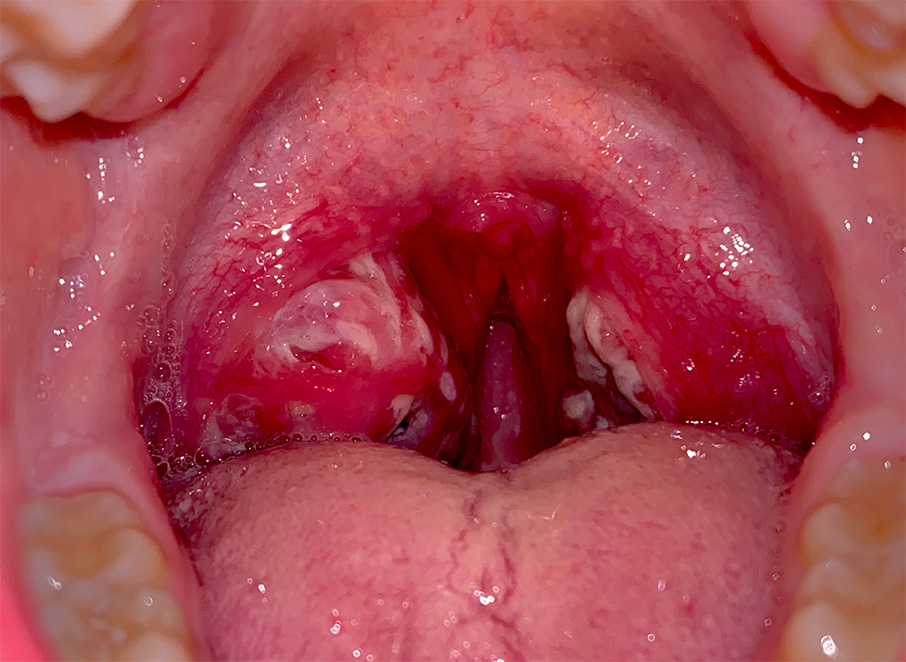
Strep throat is a common and contagious infection of the throat and tonsils. It's caused by a type of bacteria called Group A Streptococcus (also known as Group A strep or GAS). The infection makes the throat red, sore, and painful, and sometimes causes white patches on the tonsils.
How common is it?
Strep throat is very common in the U.S. Each year, millions of cases are reported. While it affects people of all ages, it is most frequent in school-age children (ages 5 to 15) and is rare in children under 3. Infections typically peak during the late fall, winter, and early spring when people spend more time indoors, making it easier for the bacteria to spread.
Symptoms
Strep throat usually starts suddenly, with pain and fever.
Common Symptoms
- Sudden sore throat and pain when swallowing
- Fever (101°F or higher) and chills
- Red, swollen tonsils, sometimes with white patches or streaks of pus
- Swollen, tender lymph nodes (glands) in the neck
- Tiny red spots on the roof of the mouth (palate)
- Headache, stomach pain, nausea, or vomiting (more common in children)
Important Note: A cough and runny nose are usually signs of a cold or another viral infection, not strep throat.
Serious Symptoms: Seek Urgent Help
- Difficulty breathing or noisy breathing
- Drooling or being unable to swallow fluids
- Signs of dehydration, such as a very dry mouth or hardly any urine
- Stiff neck, confusion, or extreme sleepiness
- A rash that spreads quickly or has a rough, sandpaper feel (known as scarlet fever, which is caused by the same bacteria)
- Symptoms that get better but then suddenly worsen
Spread
Strep throat is very contagious. The bacteria spread through tiny respiratory droplets when an infected person coughs, sneezes, or shares food, drinks, or utensils.
How Long You're Contagious
Strep throat is most contagious during the first days of the illness.
- Without antibiotics: The bacteria can spread for 2 to 3 weeks
- With antibiotics: Contagiousness drops significantly within 12 to 24 hours after starting treatment
You can usually return to work, school, or childcare when your fever is gone and you have been taking an antibiotic for at least 12 to 24 hours.
Risk Factors
You’re more likely to get strep throat if:
- You’re between 5 and 15 years old
- You live or work in crowded indoor settings (classrooms, dorms, shelters)
- You have close contact with someone who has strep
- You’re frequently around children (e.g., parents, teachers, childcare workers)
- You’re exposed during late fall to early spring
- You’re a carrier of group A strep (some people have the bacteria without symptoms and can still spread it)
Diagnosis
Doctors confirm strep throat by testing a swab from the back of the throat and tonsils. Two main tests are used:
- Rapid strep test (RADT): Results in minutes. A positive result means treatment can start right away. In adults, a negative result usually ends the testing process.
- Throat culture: Results take 1–2 days. For children and teens, a negative rapid test is often followed by a throat culture to ensure cases are not missed.
When testing is useful:
Testing is most useful when your symptoms strongly point to strep throat, such as sudden sore throat, fever, swollen and tender neck lymph nodes, red tonsils with white patches, and no cough. Testing is not helpful if symptoms suggest a virus (cough, runny nose, hoarseness, or mouth ulcers).
Confirming strep throat ensures you get antibiotics only when needed. Antibiotics don’t work for viral sore throats, and overuse can lead to resistance.
Treatment
The main treatment for strep throat is a full course of antibiotics. They reduce symptoms, shorten how long you are contagious, and prevent complications.
First-choice antibiotics:
- Penicillin V (10 days by mouth)
- Amoxicillin (10 days by mouth)
- Benzathine penicillin G (a single injection, for those who cannot finish pills)
If allergic to penicillin:
- Cephalexin for 10 days (avoid if there was a severe penicillin allergy with hives, swelling, or breathing trouble)
- Clindamycin for 10 days
- Azithromycin for 5 days
What to expect
- Symptoms like fever and throat pain often improve within 1 to 2 days of starting antibiotics.
- Most people feel much better within 2 to 3 days
Supportive Care
To help you feel better while the antibiotics work:
- Use over-the-counter medication like Ibuprofen for pain and fever
- Get plenty of rest
- Soothe your throat with warm fluids, soft foods, throat lozenges, or saline gargles
Prevention
Good hygiene is the best way to prevent the spread of Group A strep.
- Wash hands often: Use soap and water for at least 20 seconds or an alcohol-based sanitizer if hands aren’t visibly dirty
- Cover coughs and sneezes: Use a tissue or your elbow, then throw away tissues and wash hands
- Avoid sharing: Don’t share cups, utensils, water bottles, towels, or lip balm
- Clean surfaces: Wipe down high-touch areas like doorknobs, remotes, and phones daily
- Keep distance: Avoid close contact with sick people, especially in the first day of their illness
- Stay home: Remain at home until you’ve been on antibiotics for 12 to 24 hours and have no fever without fever reducers
- Replace toothbrushes: Change your toothbrush after 24 to 48 hours of antibiotics, especially if recurrent infections are a problem in your household
- Improve ventilation: Open windows in group settings when possible to reduce droplet spread
- Space out seating: In group settings like meals, spread out to lower the risk of spreading droplets