Questions? Call us at 800-810-7790

- Tonsillitis is the inflammation of the tonsils, usually caused by viruses or, less commonly, by bacteria like strep.
- Symptoms include sore throat, swollen tonsils, fever, and pain when swallowing.
- Viral cases resolve with rest and symptom care, while bacterial infections require antibiotics.
- Tonsillitis spreads easily in close-contact settings, especially among children.
- Surgery to remove tonsils is considered only for frequent or severe cases.
Overview
Tonsils are two small, oval-shaped lumps of tissue located at the back of your throat, one on each side. They’re part of your immune system and act as the body’s first line of defense against germs that enter through the mouth or nose. Their job is to trap bacteria and viruses and help your body fight infections.

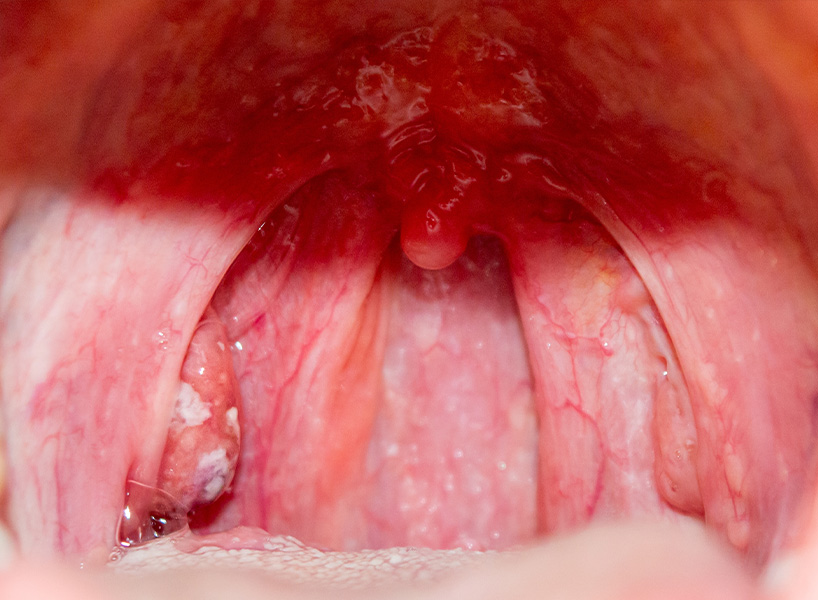
Tonsillitis happens when the tonsils themselves become infected and inflamed. This causes them to swell and can lead to symptoms like a sore throat, pain when swallowing, fever, and a general feeling of being unwell.
Tonsillitis is contagious and can spread through coughing, sneezing, or close contact.
Tonsillitis vs. Sore Throat
It’s easy to confuse tonsillitis with a regular sore throat.
- Sore throat (pharyngitis) refers to inflammation anywhere in the throat.
- Tonsillitis specifically means the infection is in the tonsils.
You can have one without the other, or both at the same time. When both the throat and tonsils are inflamed, doctors may refer to it as pharyngotonsillitis.
Types of Tonsillitis
Doctors may classify tonsillitis based on how often and how long it occurs:
- Acute tonsillitis – comes on suddenly and usually clears up within 7–10 days.
- Chronic tonsillitis – lasts longer or keeps lingering without fully going away.
- Recurrent tonsillitis – happens repeatedly, sometimes leading to discussions about tonsil removal (tonsillectomy).
How Common is Tonsillitis?
Tonsillitis is very common in children, especially between the ages of 5 and 15. It’s one of the top reasons kids visit the doctor. Adults can get it too, but it’s less frequent as the immune system matures and the tonsils become less active.
It’s especially widespread during cold and flu season. Strep-related tonsillitis spreads easily in group settings like schools, daycares, and sleepovers.
Symptoms
Tonsillitis often starts like a typical sore throat but can develop into something more noticeable and uncomfortable.
Common Symptoms
- Throat pain: Often begins mild and grows stronger; swallowing can feel raw, scratchy, or sharp.
- Voice changes: Your voice might sound muffled, lower, or just “off.”
- Swollen tonsils: Key sign. Tonsils may appear red, puffy, or covered in white or yellow patches.
- Fever
- Fatigue, body aches, and general discomfort
- Swollen lymph nodes
- Bad breath
In Children
Kids don’t always describe throat pain clearly. Instead, they might:
- Refuse to eat or drink
- Seem unusually fussy or tired
- Complain of a stomachache, even though the problem is in the throat
Signs It Might Be Strep
If group A Streptococcus (strep) is the cause, symptoms tend to be more severe:
- Intense throat pain
- Headache and nausea
- A fine, red rash that feels like sandpaper (a sign of scarlet fever)
Even when strep isn’t involved, tonsillitis can still leave you feeling run-down for several days.
Causes
Tonsillitis is most often caused by a virus, though bacterial infections can also be responsible, especially in children.
Viral Causes
- Adenovirus – often causes cold- or flu-like symptoms
- Epstein-Barr virus (EBV) – the virus behind mononucleosis (mono)
- Rhinovirus – the main cause of the common cold
- Influenza (flu virus)
- RSV (respiratory syncytial virus)
- COVID-19
Basically, if a virus can irritate your throat or lungs, it can likely inflame your tonsils too.
Bacterial Causes
Strep throat (group A Streptococcus) is the most common bacterial cause with more intense symptoms.
- In children ages 5–15, strep is responsible for about 1 in 3 tonsillitis cases.
- In adults, strep causes closer to 1 in 7 cases.
Risk Factors
Some people are more likely to develop tonsillitis due to specific factors:
- Age: Most common in children between 5 and 15 years old—the same age group most affected by strep throat.
- Close contact with others: Tonsillitis spreads easily in schools, daycares, dorms, and other crowded settings.
- Season: More frequent in fall and winter, when colds and flu are more common.
- History of tonsillitis: People who’ve had it before are more likely to get it again. Some may go years without a recurrence, while others experience it multiple times a year.
Diagnosis
Diagnosing tonsillitis usually begins with a physical exam and a few simple questions. Your doctor will ask about the duration and severity of your throat pain, whether swallowing is painful, the presence of fever, and any additional symptoms.
What the Doctor Looks For
- Inspects your throat for red, swollen tonsils and checks for white or yellow patches, which are telltale signs of infection.
- Feels the lymph nodes in your neck and under your jaw to check for swelling or tenderness, often a sign your body is fighting an infection.
Testing for Strep
If strep throat is suspected, your doctor may perform a:
- Rapid strep test – A quick swab of the back of your throat. It may feel a bit uncomfortable, but it only takes a few seconds and gives results within minutes.
- If the rapid test is negative but symptoms still suggest strep, a second swab may be taken and sent to a lab for a throat culture, which provides more accurate results in a day or two.
Treatment
Treatment depends on whether the cause is viral or bacterial.
For Viral Tonsillitis
Most cases are caused by viruses and clear up on their own within a few days. The focus is on relieving symptoms while your body fights the infection:
- Rest and stay hydrated—warm teas or cold drinks can soothe the throat.
- Use over-the-counter pain relievers like ibuprofen or acetaminophen to reduce pain and fever.
- Saltwater gargles, throat lozenges, and humidifiers may also help ease discomfort.
These treatments won’t cure the infection, but they can make you feel more comfortable while you recover.
For Bacterial Tonsillitis (Strep Throat)
If group A Streptococcus is the cause, your doctor will likely prescribe antibiotics, usually penicillin or amoxicillin (for children).
If allergic to penicillin, alternatives such as cephalosporins (like cefdinir), macrolides, or clindamycin may be used.
Common side effects of penicillin include upset stomach, nausea, vomiting, diarrhea; amoxicillin may also cause a rash.
Antibiotics help shorten the illness, reduce symptoms, and lower the risk of spreading the infection to others.
When Surgery is Considered
If tonsillitis is chronic or keeps coming back (recurrent), your doctor may discuss a tonsillectomy, surgical removal of the tonsils.
This is usually considered if:
- You’ve had 7 or more episodes in one year
- Or 5 per year for two years
- Or 3 per year for three years
It may also be recommended if swollen tonsils cause breathing problems, trouble eating, or missed school/work.
Recovery from surgery can be uncomfortable for a few days, but for people with frequent infections, it often brings long-term relief.
Prevention
While you can’t always prevent tonsillitis, you can reduce your risk:
- Wash your hands regularly, especially after coughing, sneezing, or being in public places.
- Avoid sharing utensils, cups, or straws.
- Teach children to cover their mouths when coughing or sneezing and to wash their hands afterward.
- Stay away from people who are sick when possible.
If you’ve had tonsillitis before, you may be more likely to get it again. In those cases, prevention becomes more difficult, and your doctor might eventually recommend surgery.
Related Topics

Top OTC Medications for Sore Throat Relief
A sore throat is a painful, dry, or scratchy feeling in your throat. It's often a symptom of an underlying condition, such as a common cold, flu, or a strep throat. Inflammation of the tissues in the throat, including the pharynx and tonsils, is typically responsible for these symptoms.
Read more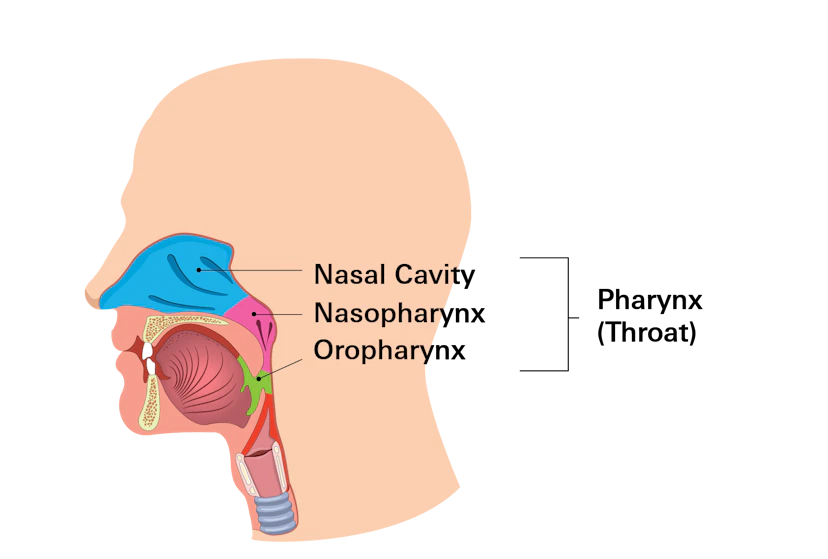
Sore Throat (Pharyngitis)
A sore throat, medically known as pharyngitis, is a common condition characterized by inflammation or irritation of the pharynx, the tube that connects the back of the nose to the top of the esophagus and larynx.
Read more