Questions? Call us at 800-810-7790

- Toxoplasmosis is a common parasite infection; ~11–15% of Americans and ~30% of people worldwide have had it, usually without symptoms.
- Healthy people rarely need treatment; severe issues mainly affect pregnant women (fetal risk) and immunocompromised individuals. Treatment uses antiparasitic drugs when symptoms are serious or immunity is weak.
- Main risks: eating undercooked meat, contact with cat feces/soil, and unwashed produce.
- Prevention: cook meat thoroughly, wash produce, wear gloves for gardening/litter, and avoid raw meat during pregnancy.

Overview
Toxoplasmosis is an infection caused by the microscopic parasite Toxoplasma gondii. It is one of the most common parasitic infections in humans and animals.
The Infection Process: The parasite enters the body, through the mouth via contaminated sources. The immune system in a healthy person usually controls the initial infection quickly. Most healthy people never feel sick. The parasite, however, is not eliminated; it settles into tissues (like muscle and brain) in a dormant or latent state, where it can remain quietly for the host's lifetime.
Most infections are asymptomatic or cause only mild, flu-like symptoms and then become latent (inactive) for life. Serious illness is rare except in two groups:
- Pregnant women (risk to the fetus)
- People with weakened immune systems (e.g., HIV/AIDS, organ transplant recipients, chemotherapy patients)
There are two main stages of toxoplasmosis:
- Active (acute) infection: The initial phase where the parasite is multiplying, which may or may not cause symptoms.
- Inactive (latent) infection: The parasite is resting within tissue cysts and is not causing illness. Most people move into this state and remain asymptomatic.
Once the infection becomes inactive, most people remain symptom‑free unless their immune system weakens later on.
How Common It Is
- United States: About 11% of people aged 6 and older have been infected at some point. Rates are higher among people born outside the U.S. and those who eat undercooked meat regularly.
- Worldwide: Estimated one-third of the global population has been exposed to the parasite. Higher prevalence is found in areas with warm, humid climates and less stringent food hygiene practices.
Symptoms
Most people (~80–90%) with toxoplasmosis have no symptoms at all. When symptoms do occur in healthy individuals, they are usually mild and self-limiting (resolve within weeks).
Mild flu-like symptoms:
- Fatigue
- Low-grade fever
- Muscle aches
- Headache
- Swollen lymph nodes (especially in the neck)
- Sore throat
Severe symptoms: When the immune system is compromised
Serious, life-threatening illness is rare and almost exclusively occurs in two groups: individuals with a weakened immune system and fetuses infected during pregnancy (congenital toxoplasmosis). In these cases, the latent parasite can reactivate, or a new infection can spread uncontrollably.
- Eye Toxoplasmosis: Inflammation of the retina and choroid (chorioretinitis). Symptoms include blurred or distorted vision, eye pain/redness, and sensitivity to light. This requires medical care to prevent permanent vision loss.
- Brain inflammation (encephalitis) for those with weakedn immunity: Confusion, seizures, poor coordination, or paralysis. Pneumonia and severe eye disease.
- Congenital toxoplasmosis (Mother to fetus): Can cause miscarriage, stillbirth, or severe illness in the infant, including brain damage, hydrocephalus, and vision problems (chorioretinitis).
Seek immediate medical care if you experience sudden vision changes, severe headache with confusion, seizures, weakness, difficulty speaking, or high fever with neurological symptoms.
Causes
Toxoplasmosis is caused by infection with the parasite Toxoplasma gondii. The parasite has a complex life cycle, primarily involving cats (the definitive host) and any warm-blooded animal (intermediate hosts, including humans).
Primary Routes of Infection
- Eating undercooked meat: The most common source. The parasite can live in animal muscle (especially pork, lamb, or wild game). Cooking meat thoroughly destroys it.
- Ingestion of contaminated feces/soil: Accidentally consuming the parasite's egg-like form (oocysts) shed in the feces of an infected cat. This can happen by:
- Cleaning a cat's litter box
- Gardening or touching soil contaminated by outdoor cat feces
- Eating unwashed fruits or vegetables from contaminated soil
- Mother-to-child transmission (Congenital): A new infection during pregnancy can pass through the placenta to the fetus.
High-Risk Complication Factor
The following factors significantly increase the risk of developing severe, life-threatening illness:
- Compromized immunity: Advanced HIV/AIDS patients, organ transplant patients, patients undergoing chemotherapy or high-dose corticosteroid treatment
- Pregnancy: A new infection during pregnancy carries the risk of transmitting the parasite to the unborn baby.
Diagnosis
Toxoplasmosis is usually diagnosed with a blood test that looks for antibodies the body makes after exposure to Toxoplasma gondii. These antibodies help determine whether an infection is current or occurred in the past.
In cases involving severe symptoms or those in high-risk groups (pregnant or immunocompromised individuals), doctors may use additional tests to confirm an active infection:
- PCR testing of amniotic fluid (in pregnancy) to detect fetal infection
- PCR or biopsy of cerebrospinal fluid, eye fluid, or tissue in severe cases
- Fundus examination (eye exam) for ocular toxoplasmosis
- Brain imaging (CT or MRI) if encephalitis is suspected in immunocompromised patients
Routine screening is not recommended for healthy, non-pregnant adults. Testing is primarily advised for pregnant women with suspected exposure, immunocompromised individuals, and those with symptoms involving the eyes or nervous system.
Treatment
Treatment is not required for most healthy people who experience mild or no symptoms, as their immune system is typically able to control the parasite.
When treatment is needed
- Pregnant women with a newly acquired infection
- Newborns diagnosed with congenital toxoplasmosis
- Individuals with a compromised immune system (e.g., advanced HIV, organ transplant recipients)
- Anyone with eye involvement (ocular toxoplasmosis) or moderate-to-severe systemic illness
Key Medications
Treatment for active toxoplasmosis usually involves a combination of drugs to target the multiplying parasite:
- Pyrimethamine: A crucial antiparasitic drug used to treat active infection
- Sulfadiazine: Usually paired with pyrimethamine to enhance its effectiveness (a combination known as the standard regimen)
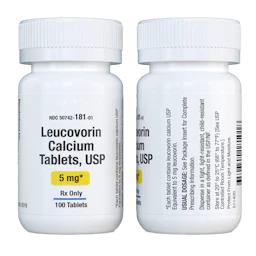
- Folinic Acid (Leucovorin): Administered alongside pyrimethamine to counteract potential side effects on the bone marrow
- Clindamycin (alternative): Used in place of sulfadiazine for patients with sulfa drug allergies. Trimethoprim-sulfamethoxazole may also be used as an alternative regimen
Prevention
No human vaccine is currently available. Prevention relies on reducing exposure and is especially important for pregnant women and immunocompromised individuals.
Food and Kitchen Safety
- Cook meat thoroughly: Ensure meat is cooked to safe internal temperatures, which kills the parasite cysts. Avoid tasting raw meat or raw meat mixtures during preparation.
- Prevent cross-contamination: Use separate cutting boards for raw meat and raw produce. Wash hands, knives, and cutting surfaces thoroughly with hot, soapy water immediately after handling raw meat.
- Wash produce: Thoroughly wash or peel all fruits and vegetables before eating, especially those grown in gardens.
Cat and Environmental Exposure
- Litter box hygiene: Have a non-pregnant, non-immunocompromised person clean the litter box daily. If you must clean it, wear gloves and wash your hands thoroughly afterward.
- Outdoor precautions: Wear gloves when gardening or doing any yard work that involves touching soil or sand (including sandboxes). Keep cats indoors and feed them commercial cat food (not raw meat) to reduce their risk of infection.
- Water safety: Avoid drinking untreated or unfiltered water that may be contaminated.