Questions? Call us at 800-810-7790

- Warts are noncancerous skin growths caused by human papillomavirus (HPV), commonly appearing on hands, feet, or other areas. They are very common, especially in children and teens; most people get at least one in their lifetime.
- Warts vary widely in appearance but are usually harmless; however, those on the feet can cause pain when walking.
- Warts spread through skin contact or shared surfaces, and can also spread to other parts of your own body.
- Though many clear up on their own, treatments are available, including at-home salicylic acid, in-office freezing (cryotherapy), or minor surgical removal to eliminate them faster.
Overview
Warts are small, noncancerous growths that form when certain strains of the human papillomavirus (HPV) infect the skin. The virus causes skin cells to grow faster than usual, creating a raised bump or thickened patch.
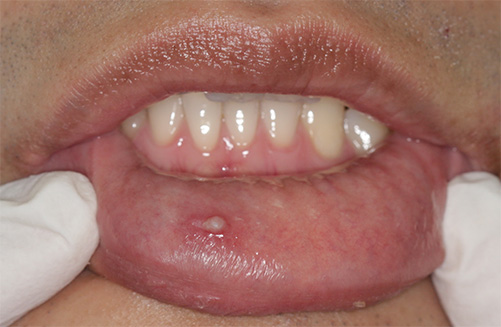
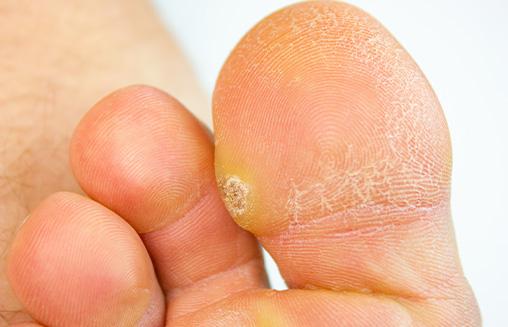
They can appear almost anywhere; on hands, feet, face, or even on moist surfaces such as the mouth or genital area. Each wart is made of extra layers of skin stacked together, and the surface may feel rough, smooth, or flat. Tiny black dots sometimes seen in them are clotted blood vessels.
|
|
|
Appearance
Warts can vary in shape, size, and their appearance often depends on their location. They may be:
- They can be rough, smooth, flat, or bumpy. They may be round, oval, or irregular in shape.
- The color typically matches your skin tone, but they can also appear pink, tan, gray, or brown.
- They can be as small as a pinhead or grow to the size of a pea, sometimes larger.
Warts grow slowly, often taking weeks or months to become visible. Most are painless, but those on pressure points (like the soles) can hurt when walking. Warts near nails may cause discomfort during typing or trimming.
Many warts go away on their own within 1–2 years. Some persist or return, especially if skin is irritated.
See a doctor if a wart:
- Changes color or shape
- Grows or spreads quickly
- Bleeds or becomes painful
- Keeps returning after treatment
- The area becomes red, swollen, or pus-filled (possible infection)
How common are they?
Warts are very common. In fact, most people get one at least once in their lifetime.
- They can appear on anyone, but they are seen most often in children, teens, and young adults. Younger skin tends to get small cuts more easily, giving the virus an entry point.
- In the United States, it is estimated that approximately 1 in 10 people currently has a wart.
- The appearance and spreading of warts depends on how your immune system reacts to the virus. Some people fight it off quickly without ever noticing it, while others develop growths that can last for months or longer.
- Warts are generally harmless and many clear up on their own once the body learns how to fight the virus, though this can take several months to two years.
Types
There are several kinds of warts, each named for where they usually appear and how they look.
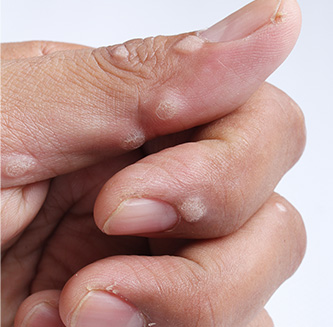
Common Warts
- Location: Hands, fingers, and near the nails
- Rough, round, and firm to the touch. They may look grainy and often contain tiny dark dots (clotted blood vessels).
Plantar Warts
- Location: Soles of the feet (heels or balls)
- They tend to grow inward because of the pressure from walking, creating a thick, flat, and sometimes painful spot. They often have black dots in the center.
Flat Warts
- Location: Face, neck, arms, or legs.
- Small and smooth with a slightly raised surface. They often appear in clusters and can be pale pink, light brown, or yellow-toned.
Filiform Warts
- Location: Face, especially near the eyes, lips, and nose
- Grow in long, thin strands that look like small threads or spikes.
Periungual Warts
- Location: Around or under the fingernails or toenails
- Can become thick or rough over time and may interfere with healthy nail growth.
Mosaic Warts
- Location: Soles of the feet or palms
- Clusters of smaller plantar-type warts that form a patch.
Genital Warts
- Location: Genital or anal area, and sometimes in the mouth or throat
- These are a sexually transmitted infection (STI) caused by specific strains of HPV. They can be flat, smooth, or look like a cauliflower.
Spread
Warts begin with the Human Papillomavirus (HPV), which can be found almost anywhere—on skin, surfaces, or shared objects.
Entry Point: The virus needs a small opening in your skin, like a cut, scrape, or hangnail, to enter and infect skin cells.
Warts spread primarily through touch.
- Direct contact: Touching someone else’s wart
- Indirect contact: Shared items (towels, razors, nail clippers) or surfaces (gym mats, pool decks)
- Self-spreading: Picking, scratching, or shaving over a wart can move the virus to nearby skin
Not everyone exposed to HPV develops warts, because the immune system often clears the virus silently.
Risk Factors
Warts can happen to anyone, but certain factors make you more likely to develop them:
- Age: Children and teenagers get them more often due to more frequent minor skin injuries and close contact during play or sports.
- Skin Condition: If your skin is dry, cracked, or has small cuts, the virus has an easier time entering. People who bite their nails or pick at the skin around their nails often notice warts there.
- Environment: Going barefoot in warm, damp public places, such as communal showers, gyms, or around pools, makes it easier to pick up the virus.
- Immune System: People with a weakened immune system (due to certain medical conditions or medications) may find that warts form faster, are more numerous, or take longer to go away.
Multiple overlapping factors heighten risk; for example, constipation combined with obesity or pregnancy markedly increases likelihood.
Diagnosis
A dermatologist can usually tell if a growth is a wart just by looking at it. They check its shape, texture, color, and where it appears on your skin.
In most cases, this visual exam is enough. If the growth looks unusual, changes quickly, or doesn’t respond to treatment, your dermatologist may take a small skin sample (biopsy) to examine under a microscope. This helps rule out other skin conditions that can look like warts.
Treatment
Most warts are harmless and often go away on their own, but that can take months or even years. Treatment can help clear warts faster and reduce the chance of spreading the virus to other areas or people.
The right treatment depends on factors such as wart location, size, number, type, and prior response to other therapies. Skin type, age, and infection risk also play a role in deciding what works best.
Common In-Office and At-Home Treatments
| Salicylic Acid |
|
| Cryotherapy (Freezing) |
|
| Cantharidin ("Beetle Juice") |
|
| Electrosurgery and Curettage |
|
| Excision (Cutting Out) |
|
| Laser Therapy |
|
| Occlusion (Duct Tape/Bandage) |
|
Prescription Medications (Often for Stubborn Warts)
| 5-Fluorouracil (5-FU) |
|
| Bleomycin |
|
| Immunotherapy |
|
| Trichloroacetic Acid (TCA) |
|
Prevention
You can’t avoid HPV completely, but you can lower your risk of getting or spreading warts:
- Avoid touching or scratching warts — virus spreads easily
- Keep hands and feet clean and dry
- Don’t share towels, razors, or nail clippers
- Wear flip-flops in public showers, pools, or locker rooms
- Cover warts with a bandage
- Use condoms to reduce genital wart risk
- Avoid nail-biting or picking hangnails
- Support your immune system: eat well, sleep, manage stress
Even with good habits, warts can still appear. If they do, see a dermatologist for safe treatment and to prevent spreading.
Related Topics
Products that Get Rid of Warts: OTC vs Prescription
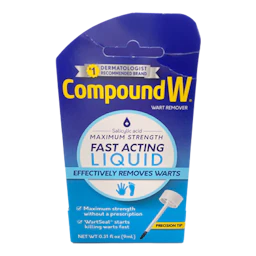
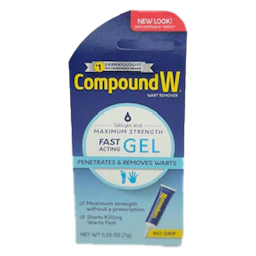
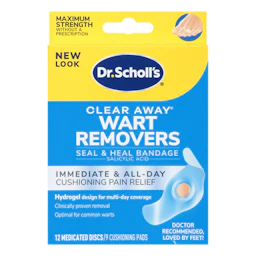
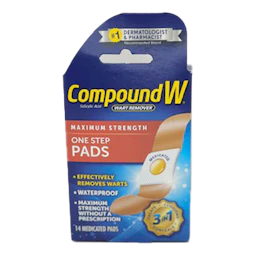
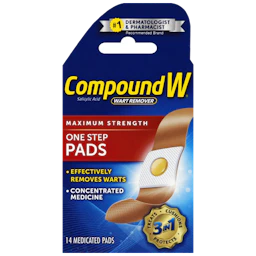
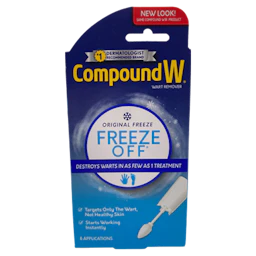
Many people choose to treat warts at home due to discomfort, appearance, or the risk of spreading the virus. Several over-the-counter (OTC) products can help remove warts.