
Aquoral Spray: A Solution for Dry Mouth From Antidepressants
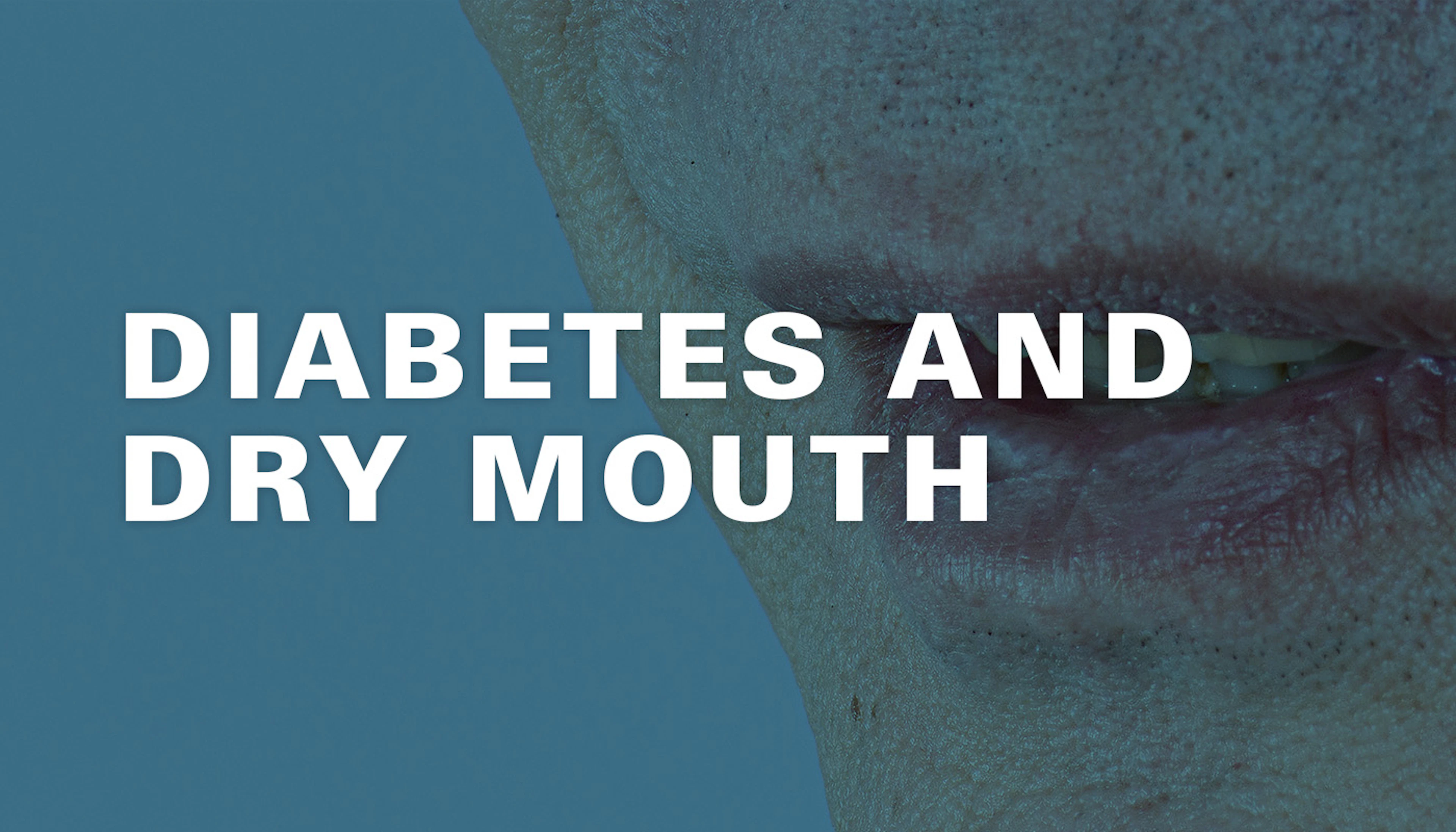
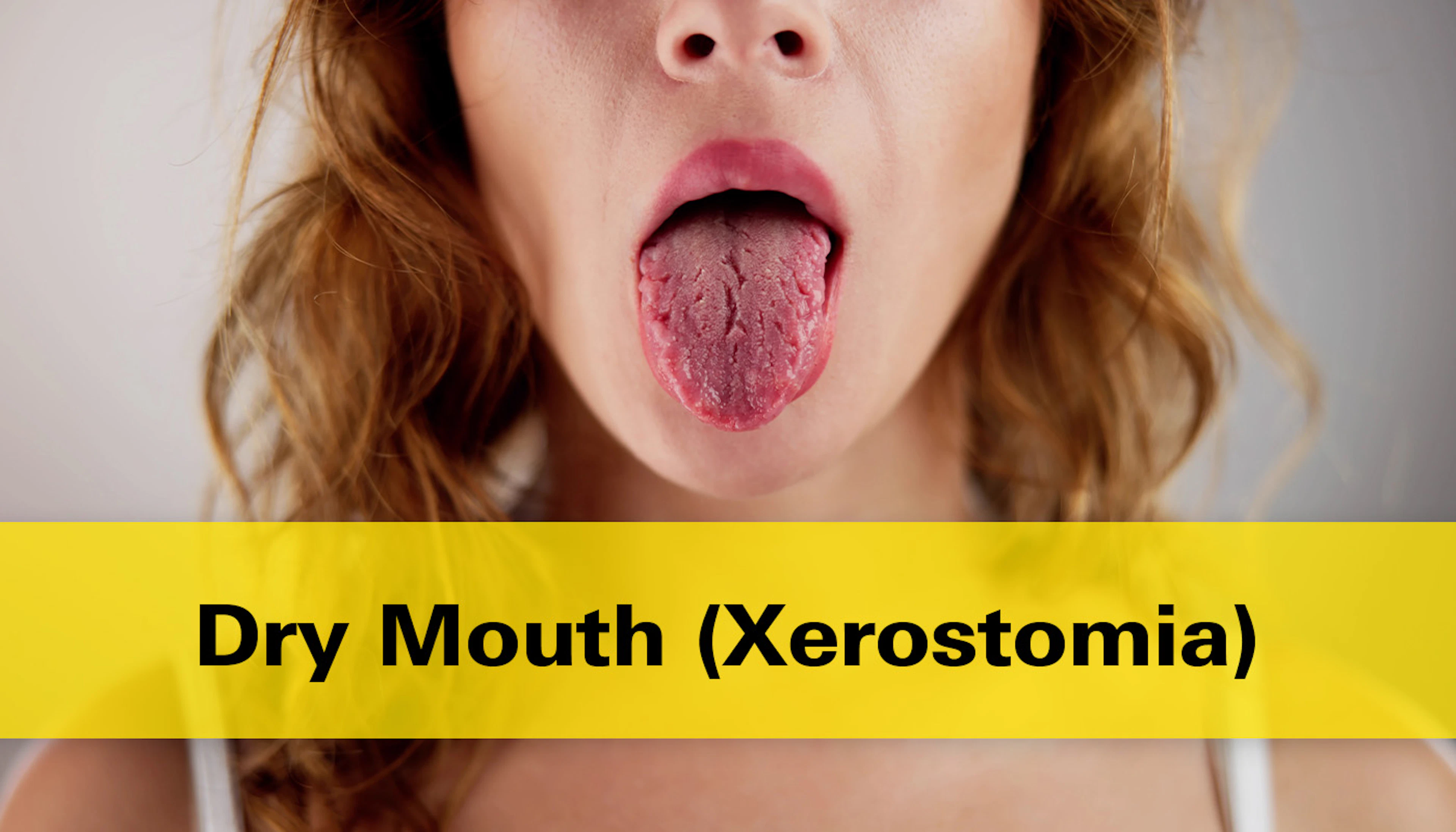
- Many antidepressants cause dry mouth (xerostomia), a common side effect affecting saliva production and oral health.
- Symptoms include a sticky mouth, dry tongue, trouble swallowing, and altered taste.
- Reduced saliva can lead to cavities, gum disease, and difficulty eating or speaking.
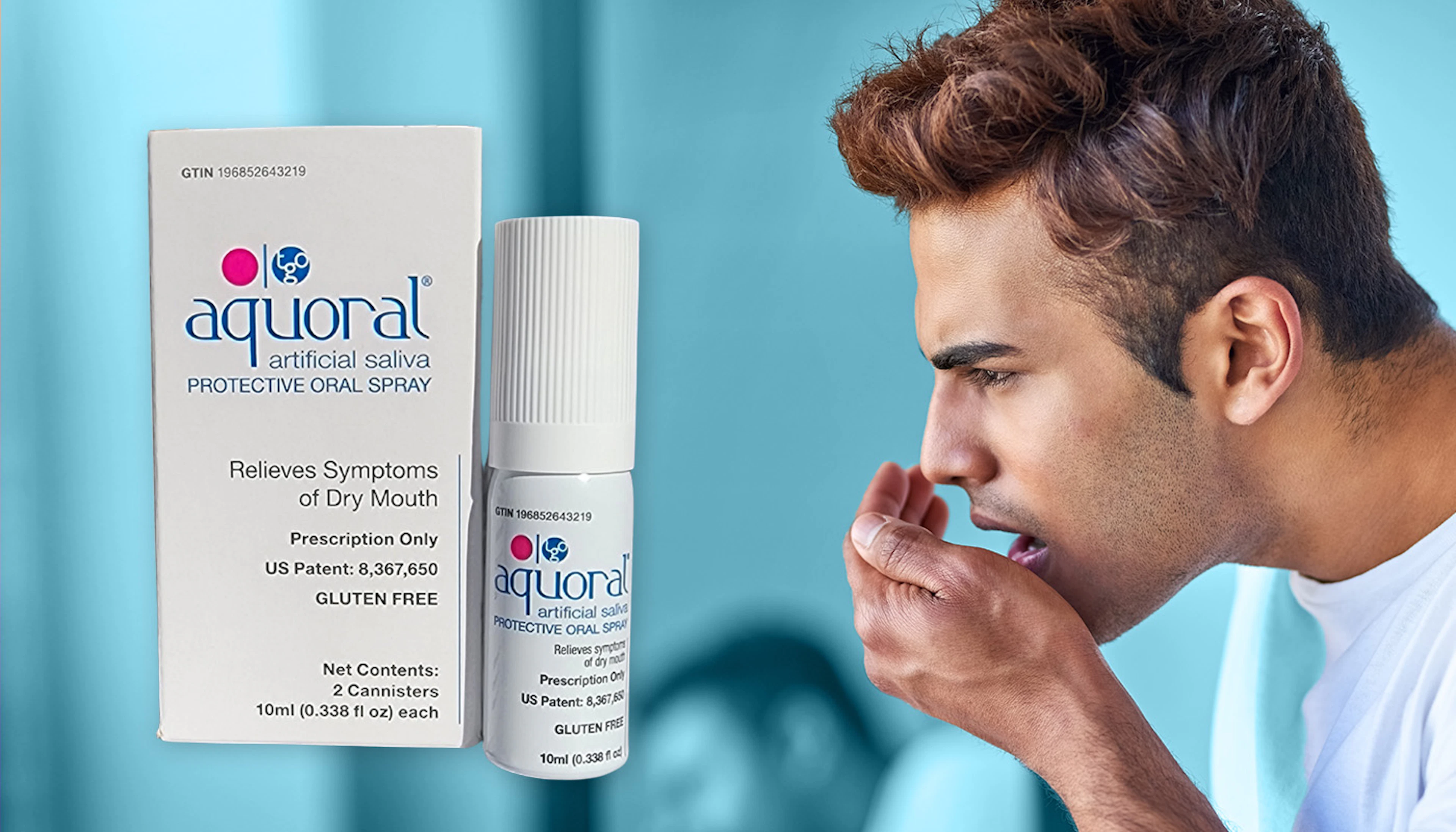
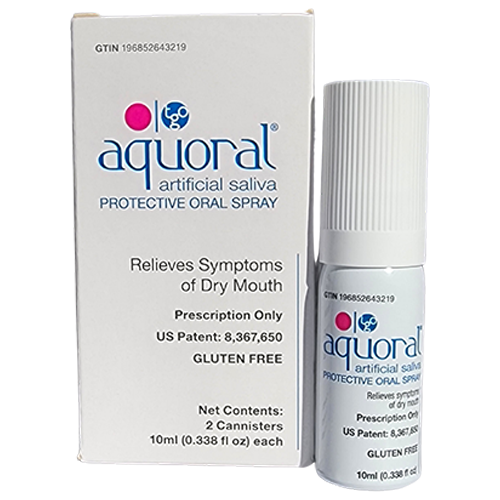
- Aquoral oral spray is a prescription treatment that mimics saliva, providing long-lasting moisture and relief from dry mouth symptoms.
Dry mouth, or xerostomia, is one of the most common side effects of antidepressants. A 2023 systematic review found that dry mouth was the most frequently reported oral side effect of psychotropic drugs, showing up in 91% of cases where patients experienced any mouth-related symptoms.
Dry mouth is more than just a lack of moisture. Common symptoms include:
- A dry, sticky feeling in the mouth
- Thick or stringy saliva
- Bad breath
- Difficulty chewing, swallowing, or speaking
- Dry or sore throat
- Hoarseness
- A dry or grooved tongue
- Changes in taste
- Trouble wearing dentures
Antidepressants and Saliva Production
Antidepressants are a major contributor to dry mouth. Many of these medications interfere with muscarinic M3 receptors, which help regulate saliva production. When these receptors are blocked, often due to a drug’s anticholinergic properties, salivary glands become less responsive, and saliva levels drop.
This effect is especially pronounced with tricyclic antidepressants (TCAs). Among them, amitriptyline stands out. In clinical trials, it consistently caused more severe dry mouth than other antidepressants or placebos. Patients reported greater discomfort, and saliva tests confirmed the reduction. Other TCAs, like nortriptyline (Pamelor), have shown similar effects.
SSRIs (selective serotonin reuptake inhibitors) and SNRIs (serotonin-norepinephrine reuptake inhibitors) can also cause dry mouth, though usually to a lesser extent. These include:
- Sertraline (Zoloft)
- Venlafaxine (Effexor)
- Escitalopram (Lexapro)
- Fluoxetine (Prozac)
- Duloxetine (Cymbalta)
- Citalopram (Celexa)
Given how widely these medications are prescribed, dry mouth is far from rare. If left unaddressed, it can lead to long-term oral health issues.
Other Causes of Dry Mouth
While antidepressants are a significant factor, various other conditions and medications can cause dry mouth. These include:
- Other Medications: Antihistamines, decongestants, muscle relaxants, pain medications, and blood pressure medications.
- Medical Conditions: Sjögren's syndrome, diabetes, Parkinson's disease, Alzheimer's disease, HIV/AIDS, and autoimmune disorders.
- Medical Treatments: Radiation therapy to the head and neck, and chemotherapy.
- Lifestyle Factors: Smoking, alcohol consumption, and dehydration.
- Nerve Damage: Injury to the head or neck that damages the nerves responsible for salivary glands.
How Dry Mouth Affects Daily Life
Early signs are subtle. You might wake up with a coated tongue or find yourself needing water just to get through a conversation. Foods that were once easy to chew suddenly become a challenge. Over time, these inconveniences escalate, interfering with eating, speaking, and even sleeping.
Dry mouth changes how food tastes and feels, sometimes creating a persistent roughness or stickiness. Extended conversations may leave your mouth sore or your throat scratchy, making social and professional interactions more difficult.
For people who wear dentures, the lack of saliva can cause poor fit, sore spots, and friction ulcers, especially in older adults. Saliva also helps balance oral acidity, supports enamel, and limits the growth of harmful bacteria and fungi. Without enough, you’re at higher risk for cavities, gum disease, and infections like oral candidiasis.
The Broader Impact
Beyond comfort, saliva plays a protective role. It helps neutralize acids, supports tooth enamel, and keeps fungal overgrowth like oral Candida in check. Without it, the risk of cavities, gum disease, and infections rises.
Left untreated, dry mouth can quietly erode quality of life. It affects how you eat, speak, sleep, and connect with others, often in ways that are easy to overlook but hard to ignore.
What is Aquoral Spray, and How Does It Relieve Dry Mouth?
Aquoral is a prescription oral spray designed to relieve dry mouth, including cases caused by antidepressant use. Its effectiveness comes from oxidized glycerol triester (OGT), a patented lipid molecule.
How Does Aquoral Work?
OGT, the active ingredient in Aquoral, is a lipid compound created from oxygenated corn oil through a specialized process. This modification allows the oil's structure to mimic the behavior of natural saliva. Importantly, for those with an allergy to gluten, the corn meal gluten (the protein the human body is allergic or intolerant to) is stripped out.
Once applied, it forms a thin, protective film across the entire surface of the mouth, including the cheeks, tongue, and roof of the mouth. This barrier helps retain moisture, restore the natural flexibility of dry tissues, and reduce irritation associated with dry mouth.
Long-Lasting Relief Compared to Water-Based Rinses
Unlike water-based rinses that evaporate quickly, Aquoral’s lipid-based formula adheres to the mouth’s lining. Just two sprays can provide 4 to 6 hours of continuous relief. It’s compact, easy to use, and doesn’t require rinsing or mixing—perfect for use anytime, anywhere.
Oral Health Benefits
Aquoral doesn’t just hydrate. It helps maintain a healthy oral environment by supporting beneficial bacteria, especially those that protect against gingivitis. Its neutral pH of 7 also helps preserve the balance of the oral microbiome, reducing the risk of cavities and gum disease.
What Do Clinical Studies Show?
In studies of patients with medication-induced dry mouth:
- 73% reported easier chewing
- 65% experienced improved swallowing
- 84% noted a better overall quality of life
Users also found it better tasting, longer lasting, and easier to use than water-based alternatives. Most reported no unpleasant side effects.
How to Use Aquoral
To use Aquoral, gently shake the bottle and spray twice into the mouth. Spread the solution over dry or sore areas with your tongue. It can be used three to four times daily, and the pump may need to be primed before first use.
When to Talk to Your Doctor
If your mouth has stayed dry since starting an antidepressant, don’t wait for it to get worse. Even mild symptoms can affect your comfort, nutrition, and oral health over time.
Aquoral is FDA-approved and has no known drug interactions, making it a safe option alongside other medications. Because it’s prescription-only, it also encourages a conversation with your doctor about managing dry mouth effectively.
If rinses and water haven’t helped, Aquoral may be the next step. It offers more than symptom relief, it helps restore comfort and protect your oral health so you can eat, speak, and smile with ease.
References:
- Teoh CXW, Thng M, Lau S, Taing MW, Chaw SY, Siskind D, Kisely S. Dry mouth effects from drugs used for depression, anxiety, schizophrenia and bipolar mood disorder in adults: systematic review. BJPsych Open. 2023;9(2):e53. doi:10.1192/bjo.2023.15. PMCID: PMC10044002
- Daly C. Oral and dental effects of antidepressants. Aust Prescr. 2016;39(3):84. doi:10.18773/ austprescr.2016.035. PMCID: PMC4919175.