
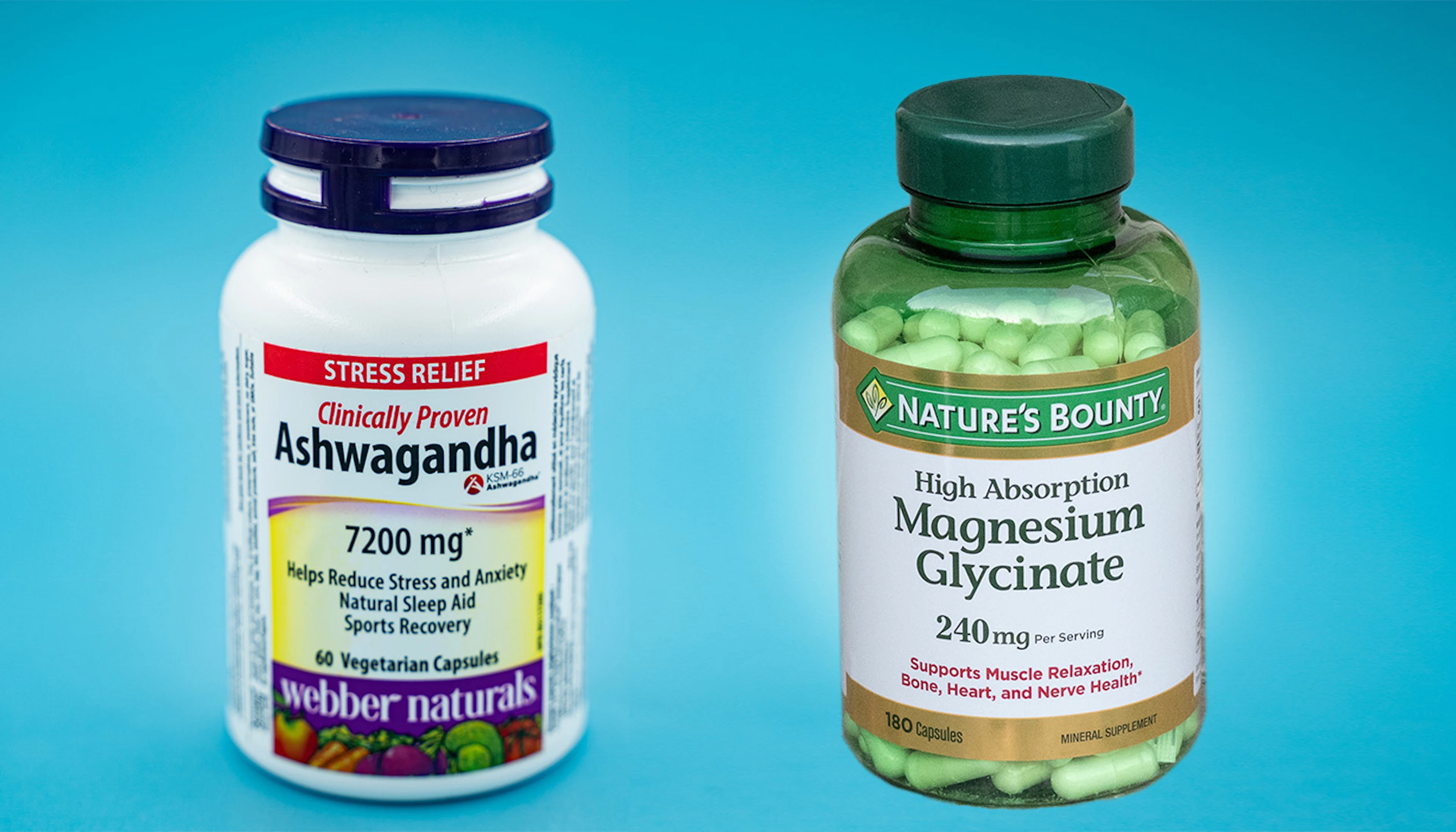


Ashwagandha & Magnesium: Natural Options for Anxiety
- Anxiety can appear in many forms, and ashwagandha and magnesium are two popular supplements being studied for their calming effects.
- Ashwagandha is a herb traditionally used for stress, anxiety, and sleep, with research suggesting possible benefits at doses of 300–600 mg daily.
- Magnesium is an essential mineral that supports nerve, muscle, and heart function, and may help reduce anxiety symptoms, though research is still limited.
- Both supplements can interact with medications or health conditions, so consulting a healthcare provider before starting—especially if combining them—is strongly advised.
Anxiety manifests uniquely for each person, whether it's persistent tension, an unstoppable feeling of restlessness, or sleepless nights. Many are turning to natural options like ashwagandha and magnesium for relief.
Both have gained popularity for their potential calming effects with scientific studies and increasing anecdotal support. However, while these supplements are widely used, it's important to understand that their effectiveness can vary from person to person—and they may not be a one-size-fits-all solution.
What Is Ashwagandha?
Ashwagandha is an herb that's been used in traditional Indian medicine (Ayurveda) for over 3,000 years. Its name comes from Sanskrit, meaning “smell of a horse,” which refers to the scent of its root.

This shrub grows in regions like India, Africa, and the Middle East. Most modern supplements use extracts from the root, although some also include the leaf. Ashwagandha is often described as an adaptogen, a natural substance believed to help the body manage stress.
Traditionally, it’s been used to promote calmness, improve sleep, and boost energy. Its scientific name, Withania somnifera, even means “sleep-inducing.”
Today, ashwagandha is most commonly discussed as a natural aid for stress, anxiety, and sleep issues. Research suggests it may help lower levels of cortisol—a hormone that rises when you're stressed—and improve overall feelings of well-being.
However, its effectiveness can vary depending on the form, dosage, and quality of the supplement.
Ashwagandha and Anxiety
Several clinical studies have explored ashwagandha’s potential to reduce anxiety and stress. Participants who took ashwagandha extract often reported:
- Feeling calmer
- Sleeping better
- Thinking more clearly
- Lower cortisol levels
Studies typically use doses of 300–600 mg per day of ashwagandha extract standardized to 5% withanolides—the group of natural compounds thought to drive its calming effects. This standardization matters because not all supplements are created equal. The plant part, strength, and quality can vary, affecting how well it works.
An international health group, the World Federation of Societies of Biological Psychiatry and the Canadian Network for Mood and Anxiety Treatments, has suggested ashwagandha (at 300–600 mg daily) as a potential option for generalized anxiety disorder. That’s encouraging, but we still need more research to understand how safe and effective it is over long periods.
Safety and Side Effects
While ashwagandha is generally considered safe for short-term use, we don't yet know how safe or effective ashwagandha is for long-term use over months or years.
Side effects may include:
- Drowsiness
- Upset stomach (nausea, vomiting, diarrhea)
- Increased thyroid activity
It may also interact with medications for conditions like diabetes, high blood pressure, anxiety, seizures, or autoimmune diseases. People who are pregnant, breastfeeding, or have thyroid issues should avoid it unless advised by a healthcare provider.
Because supplement quality can vary, it’s important to choose products that have been independently tested and verified.
What Is Magnesium?
Magnesium is a vital mineral your body needs every day to stay healthy. It powers over 300 processes, from keeping your heart rhythm steady to helping your muscles and nerves function smoothly. Since your body can’t make magnesium, you need to get it from food or supplements.
You can find magnesium in many foods: nuts, beans, leafy greens, whole grains, and even dark chocolate. A balanced diet usually provides enough, but supplements are widely available for those who need a boost.
Magnesium supports blood pressure, blood sugar, strong bones, and a healthy immune system. It also helps your body produce energy and proteins, and it plays a role in calming brain chemicals tied to mood and stress.
Because of its calming effects, magnesium is often explored for easing anxiety, stress, and sleep issues.
Magnesium and Anxiety
Magnesium influences several aspects of your nervous system, including how your body handles stress hormones and mood-regulating brain chemicals. This connection explains why it keeps appearing in anxiety research.
Helps regulate cortisol:, your body's main stress hormone. Here's the catch – chronic stress depletes your magnesium stores, while low magnesium levels can make you feel more stressed. It's a cycle that can spiral in either direction.
Relieves physical tension: Anxiety often shows up as physical symptoms – tight shoulders, clenched jaw, muscle stiffness, or that "wound up" feeling. Magnesium acts as a natural muscle relaxant, helping tense muscles release and reset. When levels are low, these physical anxiety symptoms tend to persist longer and feel more intense.
What the research shows: Studies suggest magnesium may be most helpful for people already dealing with anxiety-prone situations. In these groups, symptoms like irritability, nervousness, and muscle tension sometimes improved with magnesium supplementation.
A comprehensive review analyzing multiple studies found noticeable anxiety-reducing effects from magnesium. However, many of these studies involved small participant groups or lacked the rigorous design standards of large clinical trials.
Researchers called the results encouraging, but also said more solid evidence is needed before magnesium can be recommended across the board for anxiety.
Important considerations: Different forms of magnesium have vastly different absorption rates – magnesium glycinate and citrate are generally better absorbed than magnesium oxide, for example. Supplements can also interact with medications, particularly antibiotics and blood pressure drugs.
What to Know Before You Try Them
Just because ashwagandha and magnesium are available without a prescription doesn't mean they're right for everyone. Both supplements can interact with your body in significant ways and may not mix well with other treatments you're already using.
Check with your doctor first if you take any medications, especially for:
- Anxiety or depression
- Blood pressure
- Thyroid conditions
- Sleep disorders
- Diabetes
- Heart conditions
Supplements can alter how prescription medications work. Sometimes making them less effective, other times intensifying side effects. For example, magnesium can affect how your body absorbs certain antibiotics, while ashwagandha may lower blood sugar or blood pressure, potentially causing problems if you're already taking medications for these conditions.
Considering both supplements together? Definitely consult your healthcare provider first. While there's no known dangerous interaction between ashwagandha and magnesium specifically, combining any supplements increases complexity. Your doctor can review your complete health picture to determine if these supplements are safe and potentially beneficial for your situation.
Quality matters. Supplement regulation is less strict than prescription drugs, so product quality varies widely between brands. Look for third-party tested products with clear labeling of active ingredients and standardization levels.
References:
- Office of Dietary Supplements, National Institutes of Health. Ashwagandha: Is it helpful for stress, anxiety, or sleep? Fact Sheet for Health Professionals. Updated May 2, 2025. https:// ods.od.nih.gov/factsheets/Ashwagandha-HealthProfessional/
- Boyle NB, Lawton C, Dye L. The effects of magnesium supplementation on subjective anxiety and stress: a systematic review. Nutrients. 2017;9(5):429. doi:10.3390/nu9050429
- Młyniec K, Davies CL, Gómez de Agüero Sánchez I, Pytka K, Budziszewska B, Nowak G. Essential elements in depression and anxiety. Part I. Pharmacol Rep. 2014;66(4):534-544. doi:10.1016/j.pharep.2014.03.001

