
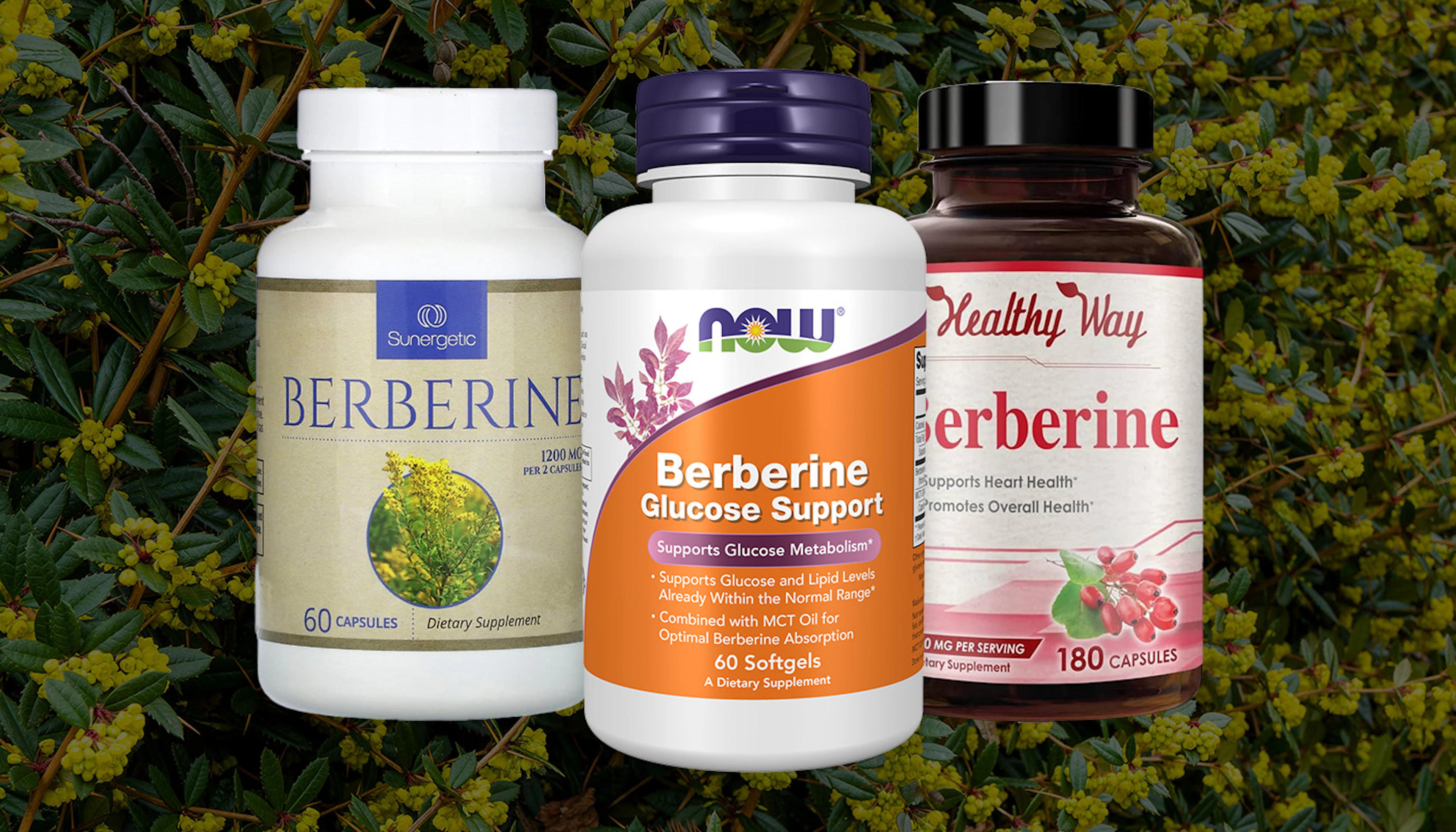

Berberine: Potential Uses of the Natural Health Product
- Berberine is a natural plant compound studied for its effects on metabolic health, including diabetes and high cholesterol.
- It has shown promise in reducing blood sugar and reducing cholesterol levels.
- Evidence for the use of berberine is limited, particularly in regard to data on long-term safety.
As obesity and related health conditions continue to rise, so does the demand for treatments that can help manage weight, cholesterol, and blood sugar. While prescription medications remain the standard, many are turning to natural alternatives. One compound gaining attention is berberine, a plant-derived alkaloid long used in traditional Chinese medicine.
What Is Berberine?
Berberine is a bioactive compound extracted from several plants, including Berberis species. Traditionally used for its antimicrobial and anti-inflammatory properties, it’s now being studied for a much broader range of health benefits. Recent research has explored its potential in treating conditions like cancer, non-alcoholic fatty liver disease, metabolic disorders (diabetes, high cholesterol, fertility issues), and heart diseases.
How Berberine Works
Although the exact mechanisms are still being studied, berberine appears to influence several key metabolic pathways. It may:
- Enhance insulin sensitivity
- Improve glucose and lipid metabolism
- Reduce inflammation
- Support healthy gut microbiota
- Regulate fat production and breakdown in the liver and intestines
These effects are believed to stem from berberine’s ability to activate AMP-activated protein kinase (AMPK), a cellular enzyme often referred to as the body’s “metabolic master switch.”
Berberine and Metabolic Syndrome
Among the many conditions studied, metabolic syndrome stands out as one where berberine shows particular promise. Metabolic syndrome is a cluster of risk factors that significantly increase the likelihood of heart disease, stroke, and type 2 diabetes. You may be diagnosed with it if you have three or more of the following:
- Abdominal obesity
- High blood pressure
- Elevated blood sugar
- High LDL (“bad”) cholesterol
- Low HDL (“good”) cholesterol
Recent systematic reviews suggest that berberine can improve outcomes in up to 91% of metabolic syndrome cases studied. It has been shown to lower blood pressure, reduce LDL cholesterol, and improve insulin sensitivity, sometimes outperforming lifestyle changes alone.
The Evidence: What Are the Limitations?
While berberine shows real potential in managing metabolic syndrome, the current research has several important limitations that make it difficult to draw firm conclusions.
1. Short Study Duration
Most clinical trials on berberine are brief, often lasting no more than 3 months. This short timeframe limits our understanding of how effective and safe berberine is when used long-term, especially since metabolic conditions typically require ongoing treatment.
2. Small and Varied Study Populations
The participants in these studies vary widely in age, gender, and health status. Such diversity makes it difficult to apply the findings to the broader population, as results may not be consistent across different groups.
3. Inconsistent Treatment Conditions
Unlike pharmaceutical trials, studies on natural supplements like berberine often lack strict controls. Many fail to account for key lifestyle factors such as diet, exercise, and concurrent medications, all of which can significantly influence metabolic health. This makes it difficult to isolate berberine’s true effects.
4. Varying Definitions of Metabolic Syndrome
Definitions of metabolic syndrome differ among organizations and studies. Some researchers group additional conditions under the umbrella of "metabolic disorders," making it hard to compare results or draw clear conclusions about berberine’s effectiveness for a specific diagnosis.
In summary, while berberine demonstrates beneficial effects on blood sugar and cholesterol in the short term, the evidence is limited by study duration, population differences, inconsistent protocols, and varying definitions of metabolic syndrome. More robust, long-term research is needed to clarify its true role in metabolic health.
Side Effects of Berberine
Most people tolerate berberine well, but like any supplement, it can cause side effects, especially at higher doses. The most commonly reported issues are mild and related to digestion:
- Loss of appetite
- Nausea
- Diarrhea
- Constipation
- Abdominal discomfort
These symptoms tend to occur more frequently when berberine is taken in large doses or on an empty stomach. Splitting the daily dose into two or three smaller portions and taking it with meals can help reduce these effects. For many people, these side effects resolve within a few weeks, especially if the dose is reduced.
A key limitation is that most clinical trials are small and last no more than three months. This short duration makes it difficult to fully assess the long-term safety of berberine use. As a result, the effects and risks of taking berberine for longer than three months remain uncertain.
How to Use Berberine
Berberine is available over the counter in various forms. However, there’s no universally agreed-upon dosage for treating metabolic syndrome. Most clinical studies have used daily doses ranging from 500 mg to 1500 mg, typically divided into two or three doses taken with meals to enhance absorption and minimize side effects.
One of the biggest challenges in both research and real-world use is formulation consistency. Berberine’s chemical structure makes it difficult to absorb and metabolize efficiently. This variability can affect both its effectiveness and safety.
To address these challenges, ongoing research is exploring ways to modify berberine’s properties or develop related compounds that are more stable and reliable for clinical use. Until more is known, anyone considering berberine should consult a healthcare provider, especially if they are pregnant, breastfeeding, or taking other medications
References:
- Ye, Y., Liu, X., Wu, N., Han, Y., Wang, J., Yu, Y., & Chen, Q. (2021). Efficacy and Safety of Berberine Alone for Several Metabolic Disorders: A Systematic Review and Meta-Analysis of Randomized Clinical Trials. Frontiers in pharmacology, 12, 653887. https://doi.org/10.3389/fphar.2021.653887
- Och, A., Och, M., Nowak, R., Podgórska, D., & Podgórski, R. (2022). Berberine, a Herbal Metabolite in the Metabolic Syndrome: The Risk Factors, Course, and Consequences of the Disease. Molecules, 27(4), 1351. https://doi.org/10.3390/molecules27041351
- Metabolic Syndrome - What Is Metabolic Syndrome? (2022, May 18). National Heart, Lung, and Blood Institute. Retrieved May 18, 2025, from https://www.nhlbi.nih.gov
- Xu, X., Yi, H., Wu, J., Kuang, T., Zhang, J., Li, Q., Du, H., Xu, T., Jiang, G., & Fan, G. (2021). Therapeutic effect of berberine on metabolic diseases: Both pharmacological data and clinical evidence. Biomedicine & Pharmacotherapy, 133, 110984. https://doi.org/10.1016/j.biopha.2020.110984