

Camping Season: Which Products You Need
- Sun protection: Use broad-spectrum sunscreen with SPF 30+, reapply every 2 hours, and wear protective clothing.
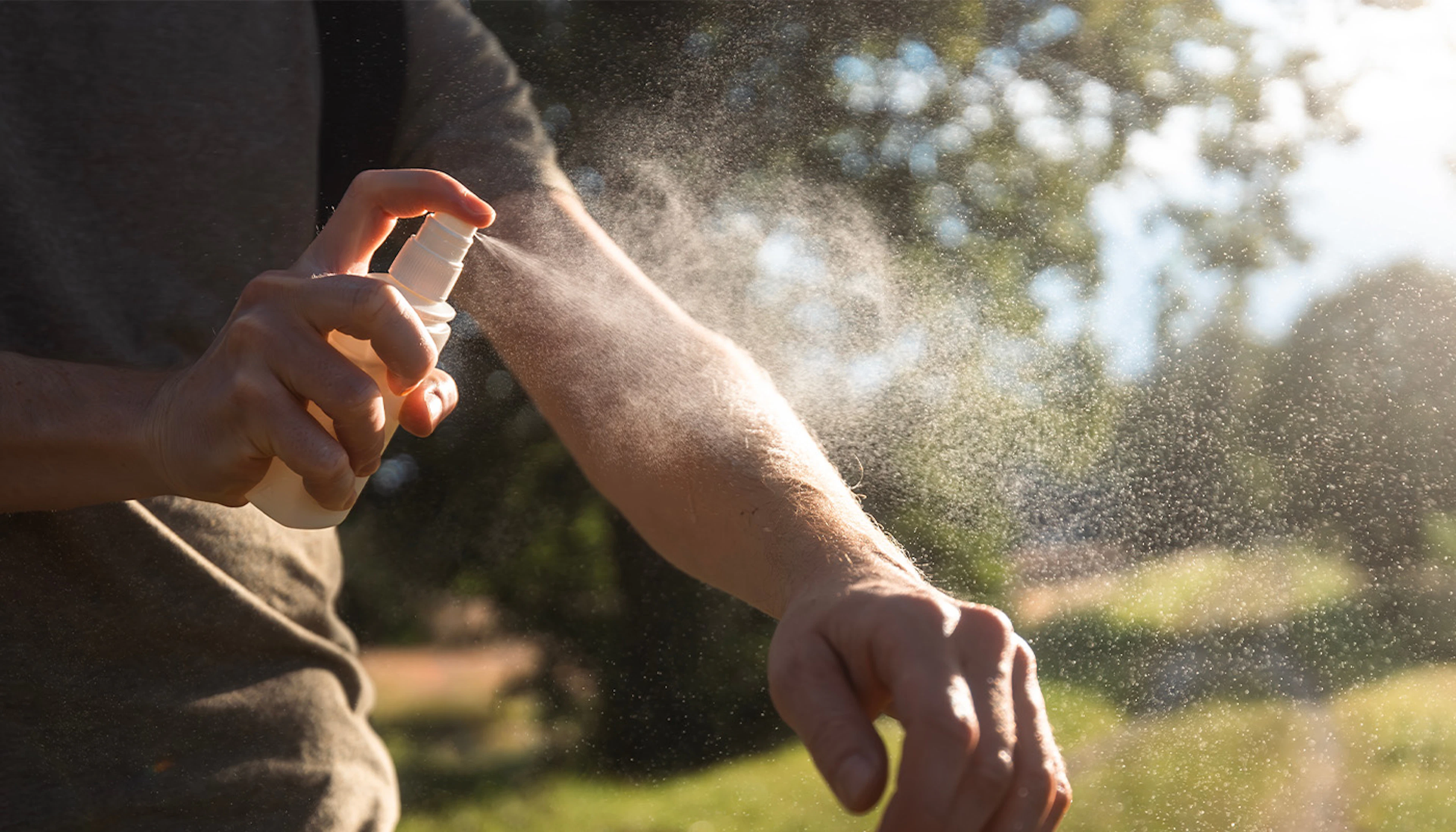
- Bug bites: Use bug repellents like DEET, picaridin, or oil of lemon eucalyptus to prevent bites from mosquitoes and ticks.
- Skin irretation: Treat skin reactions with antihistamines or topical corticosteroids, and seek medical help if symptoms worsen or signs of infection appear.
Before heading out on a camping trip, it's important to understand the natural elements you’ll be exposed to. Whether you're venturing into a forest, relaxing by a lake, or exploring a desert, each environment brings its own challenges. From harsh sun exposure and biting insects to irritating plants like poison ivy, being aware of these potential hazards helps you pack the right protective products. A little preparation goes a long for a safe and enjoyable outdoor experience.
Protection from the Sun
Sunlight includes visible light and invisible ultraviolet (UV) rays. Two types of UV rays affect the skin:
- UVA rays: Penetrate deep into the skin and contribute to aging.
- UVB rays: Affect the skin’s surface and cause sunburn.
Both UVA and UVB rays can cause serious skin damage and increase the risk of skin cancer. Minimize sun exposure with strateges such as:
- Avoid peak sun hours: Stay out of direct sunlight between 10 a.m. and 2 p.m.
- Wear protective clothing: Long sleeves, pants, and wide-brim hats help shield your skin.
- Use sunscreen: Apply to all exposed skin.
Choosing and Using Sunscreen
Sunscreens are labeled with SPF (Sun Protection Factor), which indicates how well they protect against UVB rays.
- SPF 30 blocks about 97% of UVB rays and is the minimum recommended.
- Broad Spectrum: Ensure your sunscreen is labeled “broad spectrum” to protect against both UVA and UVB rays.
- Reapply every 2 hours, and after swimming or sweating—even if labeled “water-resistant.”
Types of Sunscreen
- Physical/mineral sunscreens: These are common and often thick. They contain zinc oxide or titanium dioxide, which create a barrier on the skin that reflects the sun's rays.
- Chemical sunscreens: These are typically thinner. They absorb UV rays, convert them into heat, and then release that heat from the body. Common active ingredients include avobenzone, homosalate, octisalate, and octocrylene.
| Physical Sunscreen | Chemical Sunscreen |
|---|---|
Pros
|
Pros
|
Examples of Sunscreens
| La Roche-Posay Anthelios Mineral Ultra-Fluid SPF 50 |
|---|
| Type: Physical sunscreen |
| Active ingredient: 14.8% titanium dioxide |
Features:
|
| Complete SPF 50 Sunscreen Spray |
|---|
| Type: Chemical sunscreen |
| Active ingredient: 3% avobenzone, 10% homosalate, 5% octisalate, 5% octocrylene |
Features:
|
| Neutrogena Clear Face SPF 50 Sunscreen Lotion |
|---|
| Type: Chemical sunscreen |
| Active ingredient: 8% homosalate, 8% octocrylene, 5% octisalate, 2.5% avobenzone |
Features:
|
Keeping Away from Bugs
When camping, mosquitoes and ticks are common concerns.
When choosing a bug repellent, common active ingredients include DEET, Oil of Lemon Eucalyptus (OLE), IR3535, and Picaridin. Each has unique characteristics.
DEET
DEET is a common and effective repellent that works by interfering with an insect's ability to find hosts. It repels biting pests like mosquitoes and ticks.
DEET products range from 5% to 100% concentration, but concentrations over 30-50% don't offer much additional effectiveness. DEET is safe for anyone over 6 months old, with different strengths recommended by age:
- Children 6 months to 2 years: 10% DEET, applied once daily.
- Children 2 to 12 years: 10% DEET, applied up to three times daily.
- Adults and children 12+: 30% DEET.
Products include:
- Ben's 30% DEET Tick and Insect Repellent
- OFF! Deep Woods Insect Repellent
Oil of Lemon Eucalyptus (OLE)
Oil of Lemon Eucalyptus (OLE) is a plant-based repellent effective against mosquitoes and ticks. It works similarly to DEET by disrupting insects' ability to detect hosts.
OLE products typically range from 10-40% concentration. They are considered as effective as DEET but offer shorter protection. OLE products are not safe for children under 3 years old.
- Children 6 months to 2 years: 10% DEET, applied once daily.
- Children 2 to 12 years: 10% DEET, applied up to three times daily.
- Adults and children 12+: 30% DEET.
Products include:
- Coleman Botanicals Lemon Eucalyptus Insect Repellent
- Natrapel 6-Hour DEET-Free Lemon-Eucalyptus Insect Repellent
IR3535
IR3535 is a synthetic insect repellent that repels mosquitoes, ticks, and other insects. It's less effective and doesn't last as long as DEET against some insects.
IR3535 products are available in 10-20% strengths and are safe for individuals 6 months and older.
Products include:
- Avon Skin So Soft Bug Guard
- Repel Insect Repellent
Picaridin
Picaridin is a synthetic insect repellent that mimics a compound found in pepper plants. It works by disrupting an insect's ability to identify hosts. Picaridin is effective against mosquitoes, ticks, and other insects.
Picaridin products, in 5-30% strengths, are considered as effective and long-lasting as DEET. They should not be used on children under 3 years old.
Products include:
- Natrapel Picaridin Tick and Insect Repellent
- Ben’s Icaridin Adventure Formula
Dangerous Plants and Skin Reactions
Be aware of plants like poison ivy, poison oak, and poison sumac when outdoors. These plants contain oils that cause rashes, redness, and itching upon skin contact. Even a light brush can trigger uncomfortable symptoms.
It's important to identify these plants to avoid them while hiking or camping. Wearing long sleeves and pants and washing your skin and clothes after outdoor activities can reduce your risk.
If you do come into contact with these plants, treatments like oral antihistamines and topical corticosteroids can help manage symptoms.
Antihistamines
Antihistamines are over-the-counter medications that relieve allergic reaction symptoms like swelling, redness, and itching. For poison ivy or oak, they're especially helpful for reducing persistent itching, allowing for better rest and preventing further irritation from scratching.
- First generation (may cause drowsiness; useful if itching disrupts sleep): Benadryl (diphenhydramine)
- Second generation (non-drowsy): Allegra (fexofenadine), Claritin (loratadine), Zyrtec (cetirizine)
Topical Corticosteroids
Topical corticosteroids are over-the-counter medications that reduce inflammation and soothe irritated skin. They calm the body's immune response, effectively relieving redness, itching, swelling, and discomfort from allergic reactions or skin irritants.
Different formulations of hydrocortisone are available, most commonly creams and ointments. Creams are light and soothing, while ointments are thicker and oilier. Creams are best for moist, weeping blisters that may result from poison ivy or poison oak.
Common OTC examples include:
- Cortizone-10 Plus Cream
- Aveeno Anti-Itch Cream
When to See a Doctor
While many outdoor-related conditions can be managed at home, some situations require medical attention. See a doctor if:
- Rash is severe, widespread, or rapidly spreading.
- Rash involves eyes, mouth, or genitals.
- Skin shows signs of infection: oozing pus, increased redness, warmth, or swelling.
- Symptoms include fever, chills, or difficulty breathing.
- OTC treatments do not improve symptoms.
- A tick has been attached for over 24 hours.