Questions? Call us at 800-810-7790

- Poison ivy is a common plant that causes itchy, blistering rashes due to an oily resin called urushiol.
- The plant grows across most of the U.S. and can appear as a vine or shrub with three-leaf clusters.
- Urushiol can stick to clothing, tools, and pet fur, and remains active for months if not washed off.
- Most rashes clear in 1–3 weeks. Treatment focuses on relieving itching, preventing infection, and may include home care or prescription steroids for severe cases.
Overview
Poison ivy is a plant known for causing itchy, blistering rashes in people who come into contact with it. Its scientific name is Toxicodendron radicans, and it belongs to the cashew family. The trouble comes from an oily resin called urushiol, which is released whenever the plant’s leaves or stems are bruised. Even a tiny amount of urushiol on your skin can trigger an allergic reaction.
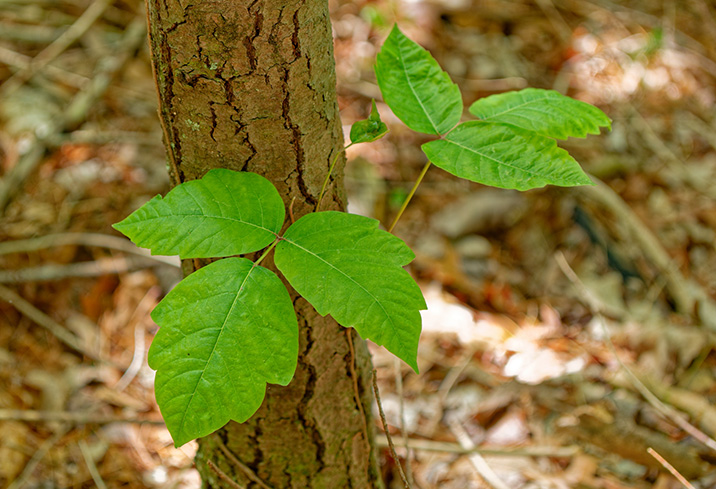
Where does it grow? Poison ivy is widespread across the United States, except for Alaska, Hawaii, and a few areas along the far West Coast. It thrives in a variety of environments, including forest edges, riverbanks, and even suburban fence lines.
How Does Poison Ivy Grow?
This adaptable plant takes different forms depending on where it grows:
- Eastern poison ivy often appears as a hairy, rope-like vine that climbs trees, posts, or walls.
- Western poison ivy normally forms a low, free-standing shrub that spreads across open ground.
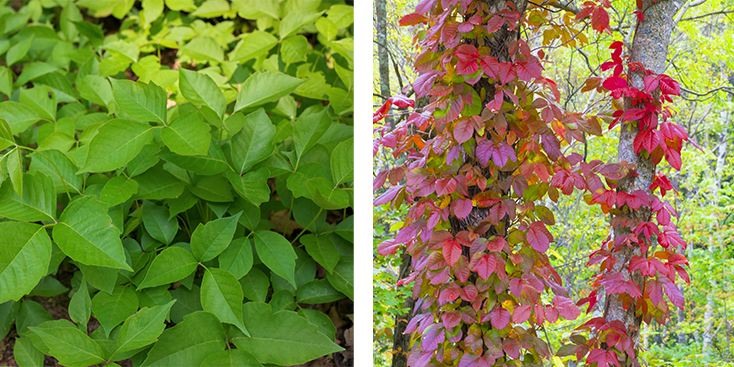
Each leaf has 3 glossy leaflets with smooth or occasionally toothed edges. Their color shifts with the seasons, from reddish in spring to bright green in summer, then to yellow, orange, or red in autumn. During the warm months, the plant may display small greenish-white flowers that mature into whitish-yellow berries.
How Does Exposure Happen?
Most people get a poison ivy rash after coming into contact with urushiol, which is found in every part of the plant, including leaves, stems, and roots. Exposure can happen in several ways:
- Direct contact: Touching the plant directly, even briefly, can leave urushiol on your skin. If not washed off in minutes, it can cause a rash days later.
- Transfer from objects or animals: The oil can stick to objects like garden gloves, sports equipment, or pet fur. Since urushiol remains active for years on surfaces, touching contaminated items can trigger a reaction long after the plant is gone.
- Airborne droplets or smoke: Cutting, shredding, or burning poison ivy can release urushiol into the air as tiny droplets. These can land on your skin or be inhaled, sometimes causing serious reactions in the nose, throat, or lungs.
Is Poison Ivy Rash Contagious?
No, the rash itself is not contagious. The fluid inside the blisters does not spread the rash to others. New rashes only appear if urushiol oil comes into contact with the skin. However, the oil can linger on clothing, tools, pet fur, and other surfaces. Touching these contaminated items can cause a rash, even months after the initial exposure.
A rash may seem to “spread,” but what you are really seeing is a delayed onset in areas that picked up smaller amounts of oil or spots you brushed after scratching with unwashed fingers. Once every surface and item is thoroughly cleaned, the reaction stops spreading.
Prevalence
Poison ivy dermatitis is one of the most common allergic skin conditions in the United States. Public health estimates suggest that between 10 and 50 million people seek medical attention for it each year, making it the most frequently reported allergic skin reaction in the country.
Sensitivity to poison ivy’s oily resin, urushiol, is also widespread. Dermatologists report that about 50% to 75% of adults are susceptible to developing a rash after contact.
Because poison ivy grows in nearly every U.S. state and its oil can linger on clothing, tools, and pet fur, cases are especially common during the warmer months. From late spring through early fall, clinics and urgent care centers regularly treat hikers, gardeners, and outdoor enthusiasts who come in with the telltale itchy rash.
Symptoms
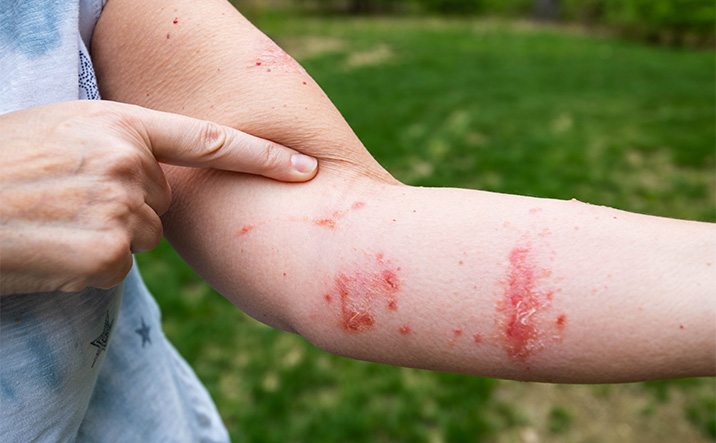
The rash caused by poison ivy is an allergic reaction to urushiol, the oily resin. Because the skin needs time to absorb and react to the oil, symptoms don’t appear immediately. Instead, they develop gradually within 12 to 48 hours after exposure and follow a recognizable pattern:
- Itching and Redness: The first sign is usually a deep, persistent itch. The affected area may look slightly pink or feel warm before any visible rash appears.
- Bumps in Streaks or Clusters: Small, raised bumps form in linear or wavy lines, especially if the skin was brushed directly by a leaf or vine. If the oil was transferred from clothing, pet fur, or tools, the rash may appear in a more scattered pattern.
- Blisters: Within a day or two, the bumps can develop into fluid-filled blisters that itch intensely. These blisters contain fluid from your own body—not urushiol—and cannot spread the rash to others.
- Swelling and Crusting: The skin around the blisters may swell, ooze, and form a crust, especially in sensitive areas like the eyelids, neck, or behind the knees. The more urushiol exposure, the more severe the reaction tends to be.
Most poison ivy rashes clear up within 1 to 3 weeks. However, certain symptoms may require immediate medical attention, including:
- Extensive blistering
- Rash on the face or genitals
- Fever or signs of infection
- Difficulty breathing after inhaling smoke from burning plants
Diagnosis
Diagnosing a poison ivy rash usually starts with a visual exam. Doctors look for classic signs, thin red streaks, clusters of itchy bumps, or clear fluid-filled blisters. They will typically ask about outdoor activities, such as hiking, gardening, or contact with pets or objects that might have brushed against poison ivy.
If the connection to poison ivy isn’t immediately clear, your doctor may ask about other possible irritants or allergens, such as new soaps, perfumes, metals, or gloves, to rule out other causes of contact dermatitis.
They’ll also check to make sure the rash doesn’t resemble other conditions like impetigo, shingles, or a fungal infection. In rare cases, if the diagnosis is uncertain, a small skin sample may be taken to rule out bacterial or viral causes, but this is uncommon.
In most cases, though, the combination of rash appearance and a recent brush with plants or contaminated items is enough to confirm poison ivy and begin treatment right away.
Treatment
While most poison ivy rashes clear up on their own within 2 to 3 weeks, they can be extremely uncomfortable in the meantime. The main goals of treatment are to relieve itching, protect the skin, and prevent infection from scratching.
Immediate Steps After Exposure
- Immediate Steps After Exposure: Rinse the affected skin with lukewarm, soapy water ideally within 30 minutes of contact to help remove urushiol oil before it fully binds to the skin.
- Clean contaminated items: Wash clothing, shoes, gear, and pet fur that may have touched the plant. Use gloves to avoid further exposure.
- Avoid scratching: Scratching increases the risk of infection and can worsen the rash.
- Leave blisters intact. If they break, don’t remove the skin covering them, it acts as a natural barrier.
- Cool compresses: Apply a clean, damp cloth to the rash for 15–30 minutes, several times a day.
- Soothing baths: Take short, lukewarm baths with colloidal oatmeal or baking soda to calm irritation.
- Topical treatments:
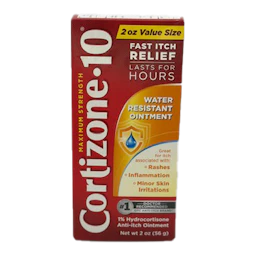
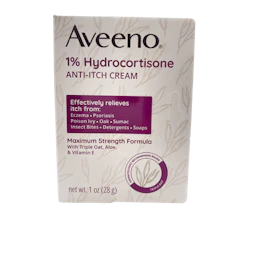
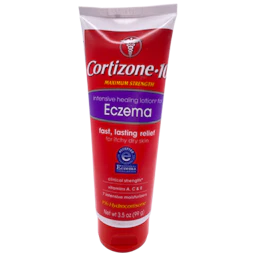
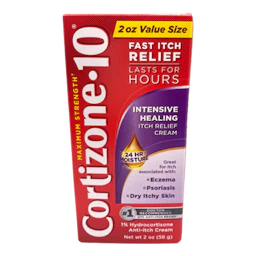
- Hydrocortisone 1% cream – Reduces redness and swelling.
- Calamine lotion – Provides a cooling, drying effect and helps relieve itch.
- Aluminum acetate solutions (e.g., Burow’s Solution) – Help dry out weeping areas and reduce irritation.
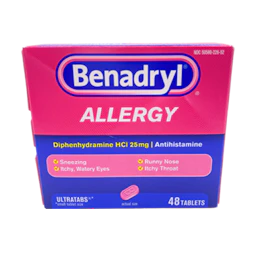
- Oral antihistamines: Medications like diphenhydramine (Benadryl) can help control itching, especially at night.
When Prescription Care Is Needed
See a healthcare provider if:
- The rash is widespread or affects sensitive areas like the face, eyes, or genitals.
- Symptoms don’t improve after about a week of home care.
In more severe cases, doctors may prescribe oral corticosteroids (such as prednisone) to reduce inflammation and speed healing. These are typically taken for 1 to 3 weeks, depending on the severity.
When to Seek Urgent Medical Care
Go to the emergency room or contact a healthcare provider immediately if you experience:
- Trouble breathing or swallowing
- Rash on the eyes, lips, or genitals
- Significant facial swelling, especially around the eyes
- Severe itching that disrupts sleep
- Rash covering most of the body
- Fever or signs of infection, such as pus, red streaks, or warmth beyond the rash
Prevention
The most effective way to prevent a poison ivy rash is to avoid contact with urushiol, the plant’s oily resin that causes the reaction. Urushiol can remain active on surfaces for months or even years, so prevention goes beyond just avoiding the plant itself.
Protect Yourself Outdoors
- Wear protective clothing – Long sleeves, pants, boots, and gloves can create a barrier between your skin and the plant.
- Be cautious in risky areas – Poison ivy often grows along trails, fence lines, and wooded edges. Learn to recognize the plant’s “leaves of three” and steer clear.
Act Quickly After Exposure
- Wash exposed skin immediately with soap and lukewarm water, ideally within 30 minutes. This can help remove the oil before it fully binds to your skin.
- Clean all contaminated items – Clothing, shoes, tools, and even pet fur can carry urushiol. Use gloves when handling these items and wash them thoroughly.
Quick action and thorough cleanup are your best defenses. The sooner you wash off the oil and decontaminate surfaces, the lower your risk of developing a rash.
Related Topics
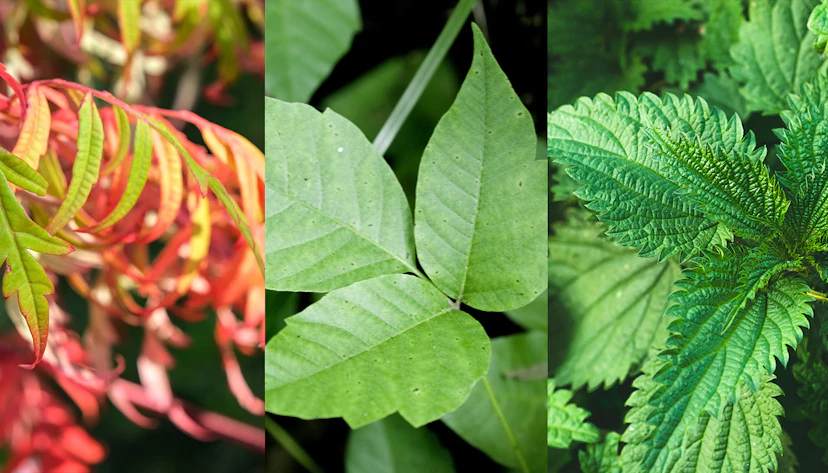
Poisonous Plants and OTC Options
Many plants have evolved defensive mechanisms to protect themselves from pests and predators. Unfortunately, these same defenses can cause painful reactions in humans.
Read more
Camping Season: Which Products You Need
Before heading out on a camping trip, it's important to understand the natural elements you’ll be exposed to. Whether you're venturing into a forest, relaxing by a lake, or exploring a desert, each environment brings its own challenges.
Read more