
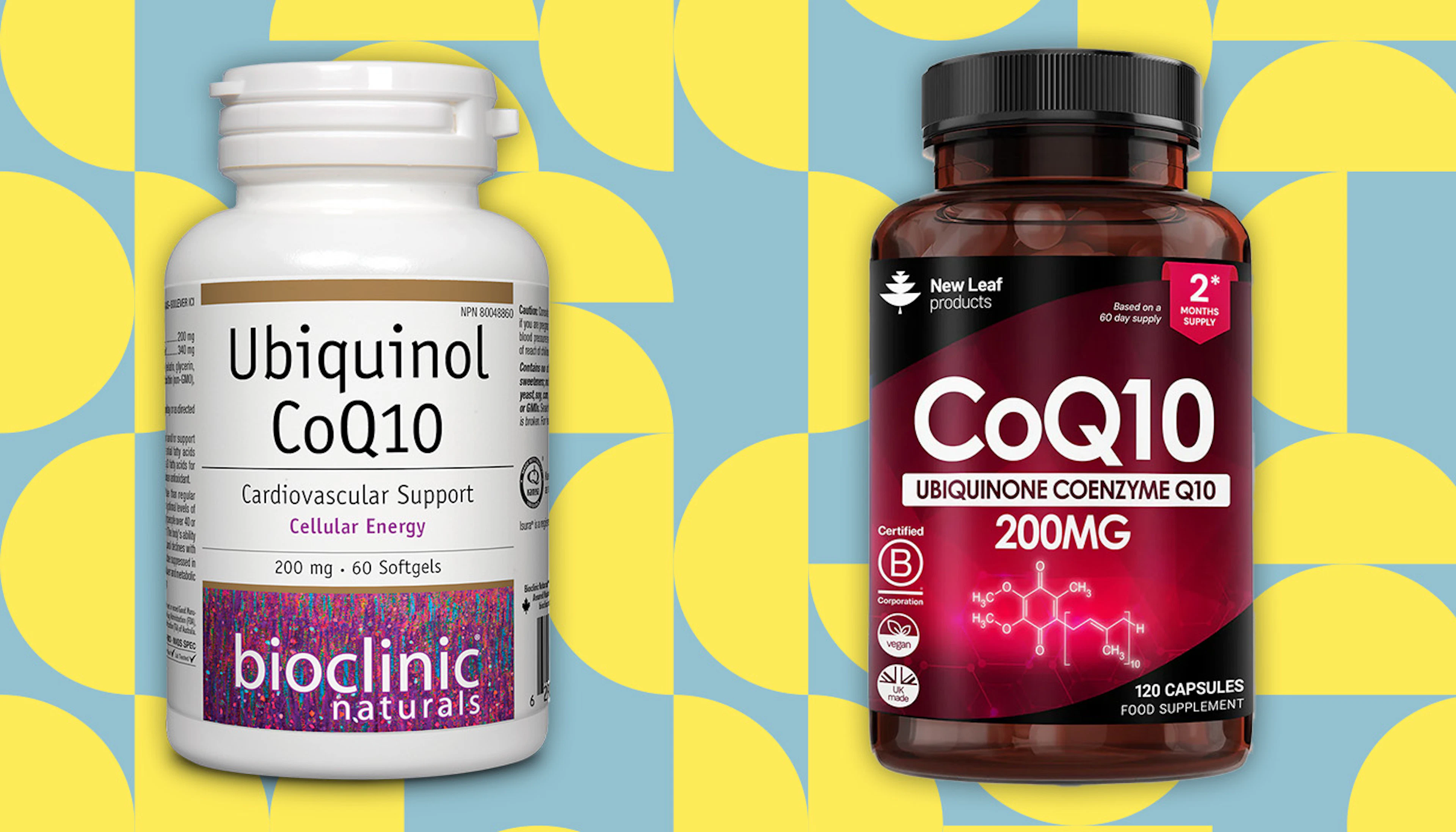

Ubiquinone vs. Ubiquinol: What’s the Difference in CoQ10
- CoQ10 is an important substance for energy and an antioxidant, with potential benefits for heart health, migraines, and fatigue.
- There are two main supplement forms: ubiquinone and ubiquinol, which your body can convert between.
- Ubiquinone is the common, well-researched, and often cheaper form; the body changes it to ubiquinol. Ubiquinol is the "active" antioxidant form that might be better absorbed by older adults or those with absorption issues.
- For younger, healthy individuals, either form is likely fine, but older adults or those with specific conditions might benefit more from ubiquinol.
- Before taking CoQ10, especially if you have health conditions or take medications (like blood thinners), it's important to talk to your doctor.
Coenzyme Q10, often called CoQ10, is a popular supplement for heart health and energy. It's often recommended with statins, used it for some heart failure patients, and researchers are looking into its potential to help with fatigue and muscle issues.
When buying CoQ10, you might see two forms: ubiquinone and ubiquinol. While they are both CoQ10, they aren't exactly the same, and this difference can affect how your body uses them.
What is CoQ10
CoQ10 is a fat-soluble compound that our body produces naturally. It’s found in nearly every cell, especially in organs that use a lot of energy, such as the heart, brain, kidneys, and muscles. Inside these cells, CoQ10 plays a major role in energy production and helps protect cells from damage.
Energy Production
CoQ10 helps move electrons in the mitochondria, the part of the cell that turns food into energy in the form of ATP (adenosine triphosphate). If you don't have enough CoQ10, this energy production slows down. This can impact how well your heart beats, how your muscles work, and how your body handles physical stress or illness.
Antioxidant
CoQ10 also acts as an antioxidant, helping to neutralize unstable molecules called free radicals. These molecules can build up due to aging, stress, or illness and may damage cells if not balanced out. CoQ10 helps reduce that damage by supporting our body’s natural repair processes. It may also help preserve nitric oxide, a substance that supports healthy blood flow and blood vessel function.
Supplementing CoQ10
CoQ10 comes in two forms: ubiquinone and ubiquinol. These are not different supplements; they are simply different forms of the same molecule. Your body can actually switch between these two forms as needed, and they each have slightly different roles.
Some medications, especially statins, can also lower your body's ability to produce CoQ10. This has led scientists to investigate if taking CoQ10 supplements can help restore energy levels or ease symptoms caused by low CoQ10.
Multiple clinical studies have explored this. For example, one large review found that CoQ10 supplementation improved symptoms and reduced hospitalizations in patients with moderate to severe heart failure. Other research has suggested that CoQ10 may help improve blood vessel function in patients with type 2 diabetes or high cholesterol and even reduce the frequency of migraines.
Ubiquinone vs. Ubiquinol: What's the Difference?
CoQ10 comes in two forms: ubiquinone and ubiquinol. These are not different supplements; they are simply different forms of the same molecule. Your body can switch between these two forms as needed, and they each have slightly different roles.
Ubiquinone is the oxidized form of CoQ10. This is the form most commonly found in standard supplements and clinical research. Once it enters the body, cells convert it into ubiquinol, which is the reduced form. Ubiquinol acts as an antioxidant, helping to protect cells from damage caused by free radicals.
Both forms play a role in energy production.
- Ubiquinone: Oxidized form
- Helps transfer electrons during ATP (energy) production
- Widely used in supplements and research
- Less expensive
- Ubiquinol: Reduced form
- Helps energy production and provides extra protection against oxidative stress
- May absorbe better in some patients
- Marketed as a more "active" form and might be a better choice for older adults (over 60) or those with absorption issues.
Your body needs both forms of CoQ10. The best form for supplementation may depend on your age, health, and how well your body absorbs it.
Who Might Benefit from One Form Over the Other?
Both ubiquinone and ubiquinol support energy production and cellular protection, but not all patients respond to them the same way.
Younger, Healthy Adults (Under 50)
- Their bodies are usually efficient at converting ubiquinone (oxidized form) to ubiquinol (reduced, antioxidant form).
- Either form is generally expected to provide similar benefits.
Older Adults and Patients with Chronic Conditions
- Ability to convert ubiquinone into ubiquinol may weaken due to aging, slower enzyme function, or conditions like diabetes, mitochondrial disorders, or advanced heart disease.
- Ubiquinol may increase blood CoQ10 levels more efficiently in these patients.
- One study found that older men had higher blood CoQ10 levels with ubiquinol compared to ubiquinone at the same dose, suggesting ubiquinol may be preferred for aging patients needing more direct antioxidant support.
Patients with Chronic Fatigue, Muscle Weakness, or Statin-Associated Muscle Symptoms
- May benefit more from ubiquinol, especially when CoQ10 levels are already low due to illness or statin use.
- Ubiquinol provides the more active, readily available form, reducing reliance on the body's conversion process.
Ubiquinone has a stronger track record when it comes to long-term heart outcomes. Major trials used ubiquinone in patients with heart failure. These studies showed not only improved symptoms and fewer hospitalizations, but also a measurable reduction in cardiovascular mortality over time.U
Ubiquinone is generally more affordable and easier to find, especially in standard supplement stores. Ubiquinol, while potentially more effective for certain patients, tends to cost more per dose.
Summary:
- Ubiquinone: Widely used, better studied for heart failure and long-term cardiovascular protection, more affordable.
- Ubiquinol: May be more effective for older adults, those with chronic illness, or patients struggling with fatigue, statin-related muscle pain, or low baseline CoQ10 levels.
- Your body can convert between forms, but this ability may slow with age or health changes.
Talking with a healthcare provider can help weigh these differences and decide which form makes the most sense based on your symptoms, medications, and age.
What to Know Before Taking a CoQ10 Supplement
CoQ10 is a natural compound vital for energy production and a potent antioxidant. While available as a supplement, consider the following before adding it to your routine:
Potential Benefits
- Heart Health: May help manage heart failure and high blood pressure.
- Migraine Prevention: Some studies suggest it can reduce migraine frequency.
- Energy Production: As a key component in cellular energy creation, it might help with fatigue.
- Antioxidant Support: Helps protect cells from damage caused by free radicals.
Keep in mind that the effectiveness of CoQ10 can vary depending on your individual health and the specific condition you're addressing.
Possible Side Effects
- Digestive issues: nausea, diarrhea, or stomach discomfort.
- Headaches or dizziness.
- Insomnia or fatigue.
- Skin rashes.
Important Considerations
- Pregnancy and Breastfeeding: The safety of CoQ10 during pregnancy and lactation is not well-established. Avoid use unless specifically recommended by your doctor.
- Surgery: CoQ10 may affect blood pressure control during surgical procedures. It's generally advised to stop taking it at least two weeks before any scheduled surgery.
Talk to Your Doctor
Before starting any supplement, including CoQ10, it's important to discuss it with your healthcare provider, especially if you have underlying health conditions or are taking medications. CoQ10 can interact with certain drugs, such as blood thinners including warfarin, potentially reducing their effectiveness and increasing your risk of blood clots.
References:
- Sood B, Patel P, Keenaghan M. Coenzyme Q10. In: StatPearls. Treasure Island, FL: StatPearls Publishing; 2024 Jan 30. Available from: https://www.ncbi.nlm.nih.gov/books/ NBK531491/
- Fladerer JP, Grollitsch S. Comparison of coenzyme Q10 (ubiquinone) and reduced coenzyme Q10 (ubiquinol) as supplement to prevent cardiovascular disease and reduce cardiovascular mortality. Curr Cardiol Rep. 2023;25(12):1759–1767. doi:10.1007/s11886-023-01992-6. PMID: 37971634; PMCID: PMC10811087.
- Zhang Y, Liu J, Chen XQ, Chen CO. Ubiquinol is superior to ubiquinone to enhance coenzyme Q10 status in older men. Food Funct. 2018;9(11):5653–5659. doi:10.1039/ c8fo00971f. PMID: 30302465.