

The Role of GLP-1, DPP-4, and SGLT-2 Inhibitors in Diabetes Management: Insights from Dr. Maha Zikra
Diabetes is a challenging and chronic condition affecting approximately 11.6% of the U.S. population, equating to over 38 million patients. This condition, characterized by the body's inability to regulate blood sugar levels effectively, can lead to severe complications if not managed properly.
Cardiovascular disease is a major concern, as diabetes significantly increases your risk of heart attacks and strokes. Diabetic nephropathy, or kidney damage caused by prolonged high blood sugar levels, is another common complication that can lead to chronic kidney disease or even kidney failure. Similarly, diabetic neuropathy, nerve damage caused by poor glucose control, can result in symptoms ranging from pain and tingling to loss of sensation, particularly in your feet, increasing your risk of injury and infection.
To prevent these complications and improve quality of life, personalized treatment strategies are necessary. Effective glycemic control not only reduces the risk of complications but also improves overall patient outcomes.
Among the options for diabetes management, three primary drug classes stand out: GLP-1 receptor agonists, DPP-4 inhibitors, and SGLT-2 inhibitors. Each class works differently, offering different benefits and risks, which helps healthcare providers create personalized treatment plans that fit each patient’s needs.
We interviewed Dr. Maha Zikra to better understand her toolbox for prescribing GLPs, DPP4s and SGLT2s in her practice.
 Dr. Maha Zikra MD, F.A.C.E is is a board-certified endocrinologist with over two decades of experience specializing in Endocrinology, Diabetes, and Metabolism. She completed her training at Seton Hall University and St. Luke's-Roosevelt Hospital, affiliated with Columbia Presbyterian in New York. As a member of the Endocrine Society and the American Association of Clinical Endocrinologists, Dr. Zikra is dedicated to evidence-based medicine, focusing on thyroid, pituitary, and adrenal diseases, as well as diabetes management. She leads the Diabetes & Endocrine Center of Florida, delivering personalized care to improve patients’ health and quality of life. Dr. Zikra's approach emphasizes understanding the root causes of diseases for lasting wellness.
GLP-1 Receptor Agonists
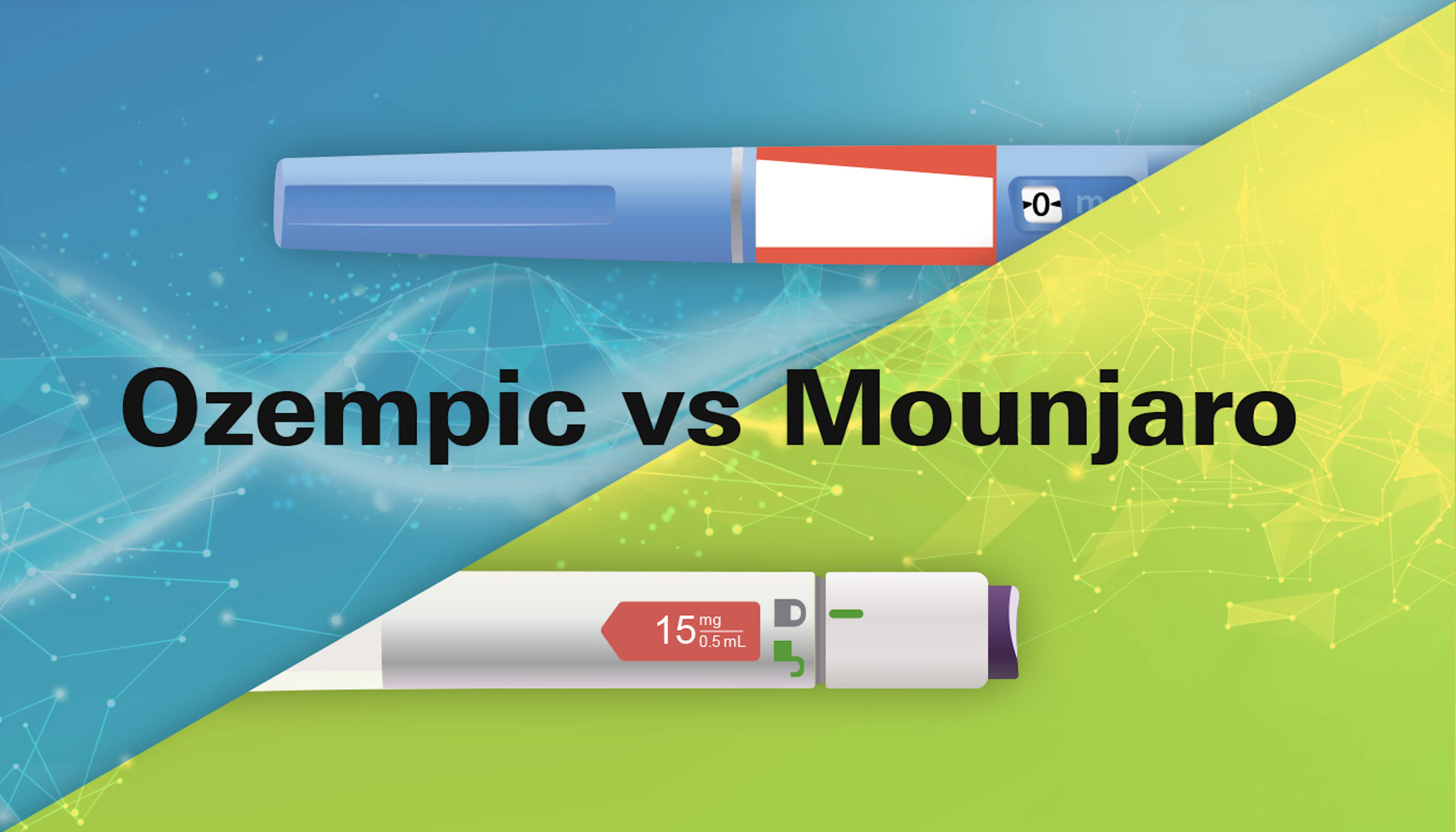
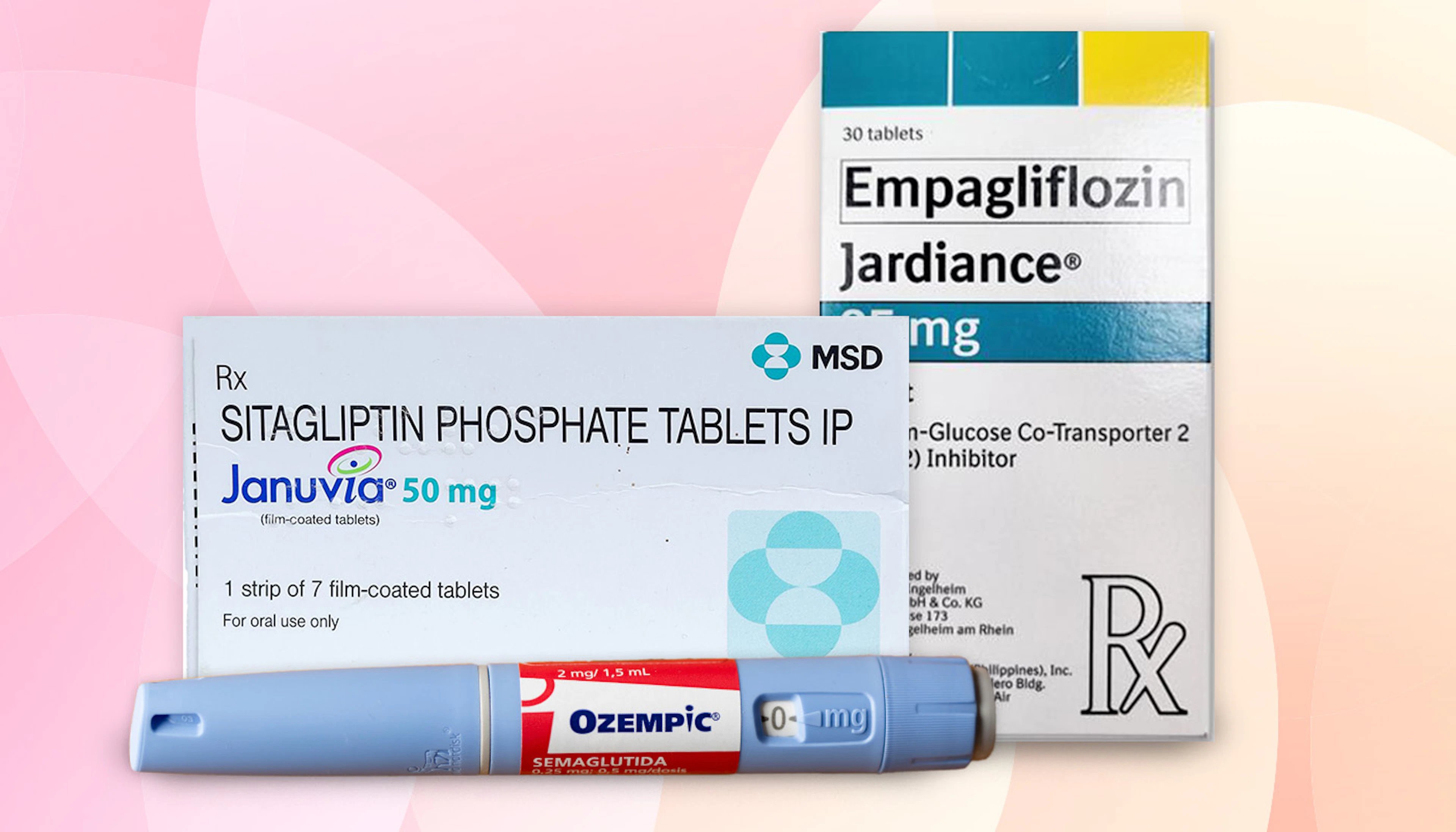
Glucagon-like peptide-1 (GLP-1) receptor agonists, including medications such as Semaglutide injection (Ozempic) and Liraglutide (Victoza—now generic), are an important option for managing type 2 diabetes, particularly for patients who are overweight or obese.
Mechanism
These medications mimic a natural hormone in the body that helps regulate blood sugar levels after eating. They stimulate the pancreas to release more insulin when blood sugar levels are high, reduce the release of sugar from the liver, and slow the movement of food through the stomach. Together, these actions help keep blood sugar levels within a healthy range throughout the day.
Administration
GLP-1 receptor agonists are given as injections under the skin (subcutaneous injection), typically in areas with fatty tissue such as the abdomen, thigh, or upper arm.
Benefits
In addition to improving blood sugar control, GLP-1 receptor agonists have been shown to help with weight management. These medications can reduce feelings of hunger, which helps patients eat less and lose weight. For patients with both diabetes and obesity, this benefit can make a significant difference.
“GLP-1 receptor agonists are particularly effective for obese patients because they lead to significant weight loss, which is a major benefit in managing both diabetes and obesity,” said Dr. Zikra.
Clinical studies have shown that GLP-1 receptor agonists can result in an average weight loss of 5-15% of total body weight when combined with dietary and lifestyle changes.
Another important benefit of GLP-1 receptor agonists is their positive effect on heart health. Patients with type 2 diabetes are at increased risk of cardiovascular disease, and these medications have been shown to reduce this risk. For example, the LEADER trial showed that patients treated with Liraglutide experienced a 13% reduction in major cardiovascular events, such as heart attack and stroke, compared to those on placebo. This makes GLP-1 receptor agonists an appropriate option for patients with diabetes and underlying heart conditions.
Risks
While GLP-1 receptor agonists are highly effective, they are not suitable for everyone. Common side effects include nausea, vomiting, and diarrhea, which can make it difficult for some patients to continue treatment. As Dr. Zikra points out,
“If a patient is intolerant to GLP-1 agonists, particularly due to gastrointestinal side effects, DPP-4 inhibitors are a better choice. Additionally, for non-obese patients, DPP-4 inhibitors are often preferred because weight loss may not be a primary concern.”
GLP-1 receptor agonists play a significant role in managing type 2 diabetes by helping regulate blood sugar levels, reducing appetite, and providing cardiovascular benefits. For patients who are overweight or at high risk for heart disease, these medications can provide the added benefit of improving health and lowering cardiovascular risks.
However, for patients who experience difficulty tolerating side effects or for patients where weight loss is not a priority, other treatment options may be more appropriate. Another option is the drug class of medications known as DPP-4 inhibitors, which provide a different approach to managing blood sugar levels.
DPP-4 Inhibitors
Dipeptidyl peptidase-4 (DPP-4) inhibitors, such as sitagliptin (Zituvio), are a commonly used class of oral medications for type 2 diabetes.
Mechanism
These medications help regulate blood sugar by preventing the breakdown of incretin hormones, which are naturally occurring substances in the body that stimulate insulin release and reduce the production of sugar by the liver when blood sugar levels are elevated. By maintaining the activity of these hormones for longer periods, DPP-4 inhibitors provide more consistent blood sugar control throughout the day.
Administration
The oral form and tolerability make DPP-4 inhibitors an accessible treatment option for patients, particularly those who may prefer an alternative to injectable medications. Dr. Zikra explains,
"Oral alternatives like sitagliptin are an important option for patients who struggle with injectable medications."
Benefits
Additionally, these medications are associated with a lower risk of hypoglycemia, as their effects depend on blood sugar levels being elevated; in other words, these medications are less likely to cause low blood sugar because they only work when your blood sugar levels are high.
This class is also considered weight-neutral, meaning they do not typically cause weight gain or loss, which can be beneficial for patients who are not focused on weight management. However, as Dr. Zikra mentioned,
"GLP-1 receptor agonists are particularly effective for obese patients because they lead to significant weight loss, which is a major benefit in managing both diabetes and obesity. In contrast, DPP-4 inhibitors and SGLT-2 inhibitors typically result in only mild weight loss, making GLP-1 agonists the preferred choice for patients where weight management is a priority.”
Risks
Although DPP-4 inhibitors are generally well-tolerated, they may still have some potential concerns. The U.S. Food and Drug Administration (FDA) has issued warnings about the risk of severe joint pain associated with this drug class, which should be considered when prescribing these medications. Patients experiencing unexplained joint discomfort should discuss these symptoms with their doctor.
Patients with diabetes who have kidney or heart disease may find added support through different medication options, or other drug classes may be more appropriate options. SGLT-2 inhibitors, for example, stand out for their ability to manage blood sugar while providing cardiovascular protection, making them another option for diabetes treatment.
SGLT-2 Inhibitors
Sodium-glucose cotransporter-2 (SGLT-2) inhibitors are a class of medications used to treat type 2 diabetes, and some medications in this class also provide additional benefits for patients with heart disease and chronic kidney disease.
Mechanism
SGLT-2 inhibitors work by targeting a specific protein in the kidneys that reabsorbs glucose into the bloodstream. These medications block the protein's action, allowing excess sugar to be removed from the body through urine. This not only helps lower blood sugar levels but also provides additional benefits, such as weight loss and lowering blood pressure.
Administration
Similar to the DPP-4 class, SGLT-2 inhibitors are taken by mouth once daily.
Benefits
Medications in this class, such as Empagliflozin (Jardiance) and Canagliflozin (Invokana), are not only used to treat type 2 diabetes but also have significant benefits for patients with heart disease and chronic kidney disease. Studies show that these medications can reduce the risk of hospitalization and death due to heart problems in adults with type 2 diabetes and cardiovascular disease. For example, the EMPEROR-Reduced trial found that empagliflozin reduced the risk of cardiovascular death and hospitalization for heart failure by 25% in patients with heart failure.
Additionally, canagliflozin has been shown to lower the risk of worsening kidney problems in adults with chronic kidney disease, as seen in the CREDENCE trial, which reported a 30% reduction in the risk of kidney failure and death due to kidney-related causes.
Risks
Due to increased glucose excretion in the urine, patients taking SGLT-2 inhibitors are at higher risk for genital mycotic (fungal) infections and urinary tract infections (UTIs). This is especially common in women and individuals with a history of such infections.
The broad benefits of SGLT-2 inhibitors make them an important consideration for patients managing multiple conditions. Some of these medications not only improve blood sugar levels but also the heart and kidneys, providing a comprehensive approach to treatment.
Combining DPP-4s and SGLT-2
SGLT-2 inhibitors are often combined with other drug classes, such as DPP-4 inhibitors, to improve glycemic control. These medications help manage the increase in blood sugar levels after meals, which is referred to as postprandial hyperglycemia.
"Both DPP-4 inhibitors and SGLT-2 inhibitors work effectively to reduce postprandial hyperglycemia, addressing high blood sugar levels after meals. Combining these two classes can provide complementary benefits, particularly for patients who need additional glucose control without significantly increasing the risk of side effects," said Dr. Zikra.
This therapy plan is often preferred for patients who need a more targeted plan to achieve their blood sugar goals while minimizing side effects. Research has shown that combining these two medication classes improves blood sugar control more effectively than using either one alone while continuing safe use.
Patient Access to GLPs, DPP-4s and SGLT-2s
Lastly, an important factor to consider here, and possibly the most important when it comes to adherence, is patient access. Will their insurance cover it? And how much will they be paying out of pocket?
See Why pharmacies are closing in the U.S.
This varies widely from plan to plan, from as low as $0 co-pays, to paying the full wholesale price for the medication, which starts at $500/month and only goes up from there. To make things worse, most pharmacies lose money prescribing these branded medications through insurance, sometimes over $100 per fill - which leads to many pharmacies not stocking these medications.
"Insurance access for these medications can vary widely. GLP-1 receptor agonists tend to have higher costs and may be more difficult to access without insurance approval, whereas DPP-4 and SGLT-2 inhibitors are often more affordable and covered by a broader range of plans. That being said, I still see many patients taking DPP-4s and SGLT-2s paying hundreds out of pocket each month,” said Dr. Zikra
Marley Drug has agreements with the manufacturers of Bexagliflozin (Brenzavvy) and generic Zituvio (sitagliptin) and offers a cash-price for these medications. These agreements allow us to by-pass the supply chain and insurance bureaucracy, which contribute to the high cost of prescription medications and offers a lower-cash price. $59.95 for 30-tablets of Brenzavvy, and $80 for 30-tablets of the generic version of Zituvio (sitagliptin). Dr. Zikra explains,
"The affordability of medications influences my prescribing decisions. Cost is a major barrier to medication adherence for many patients."
References:
- Centers for Disease Control and Prevention. National Diabetes Statistics Report, 2024. Available at: https://www.cdc.gov/diabetes/data/statistics-report/index.html.
- Lahiri S, et al. Personalizing Type 2 Diabetes Management: Use of a Patient-Centered Approach. Clin Diabetes. 2017;35(5):321-328.
- National Library of Medicine. Glucagon-Like Peptide-1 (GLP-1) Receptor Agonists. Updated 2022. Available at: https://www.ncbi.nlm.nih.gov/books/NBK551568/.
- Marso SP, Daniels GH, Brown-Frandsen K, et al. Liraglutide and cardiovascular outcomes in type 2 diabetes. N Engl J Med. 2016;375(4):311-322. doi:10.1056/ NEJMoa1603827
- National Library of Medicine. Dipeptidyl Peptidase-4 Inhibitors. Updated 2022. Available at: https://www.ncbi.nlm.nih.gov/books/NBK542331/.
- FDA Drug Safety Communication. FDA Warns that DPP-4 Inhibitors for Type 2 Diabetes May Cause Severe Joint Pain. Available at: https://www.fda.gov/drugs/drug-safety-and- availability/fda-drug-safety-communication-fda-warns-dpp-4-inhibitors-type-2-diabetes- may-cause-severe-joint-pain.
- Packer M, Anker SD, Butler J, et al. Cardiovascular and Renal Outcomes with Empagliflozin in Heart Failure. N Engl J Med. 2020;383(15):1413-1424. doi:10.1056/ NEJMoa2022190.
- Perkovic V, Jardine MJ, Neal B, et al. Canagliflozin and Renal Outcomes in Type 2 Diabetes and Nephropathy. N Engl J Med. 2019;380(24):2295-2306. doi:10.1056/ NEJMoa1811744.