


Holiday Health Guide: How to Stay Healthy During the Holiday Season
- Holiday meals rich in fat, salt, and sugar can cause heartburn, water retention, blood sugar spikes, and blood pressure changes, especially for those with chronic conditions.
- Stress, disrupted sleep, and skipped medications during the holidays increase risks for fatigue, anxiety, high blood pressure, and heart problems.
- Eat slowly, choose smaller portions, stay hydrated, and take medications on time to help digestion and manage symptoms.
- Prioritize 7+ hours of sleep, light movement, and stress relief like chamomile or magnesium to curb anxiety and cravings.
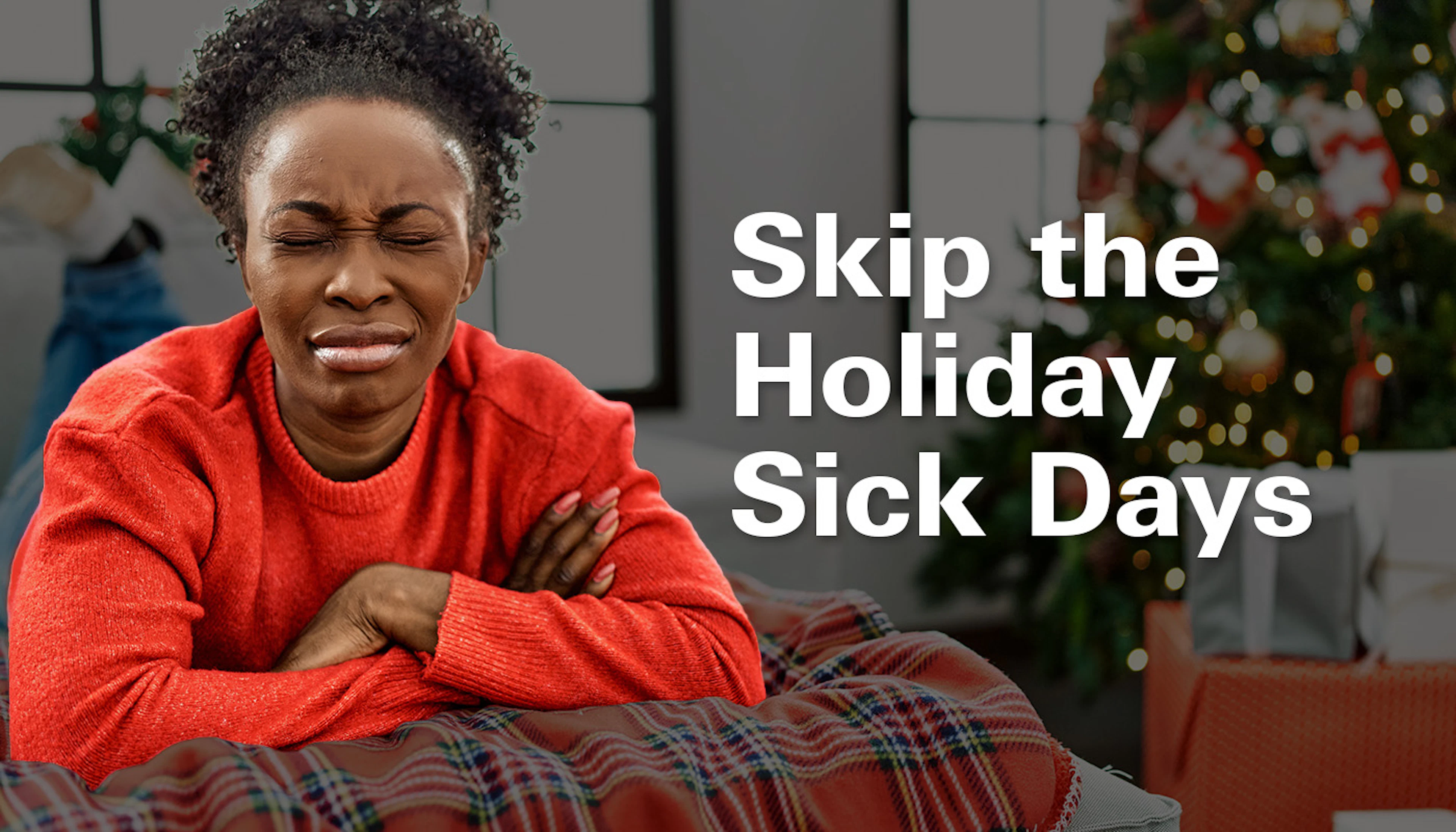
The holidays are back again. Lights go up, calendars fill, and the kitchen never seems to close. While you can enjoy the dinners, laughter, and memories, you don't have to push your health to the side.
Doctors see it every year: more heartburn, more stress, and more skipped medications, as the mix of food, travel, and chaos takes its toll.
How the Holidays Can Take a Toll on Your Body
The holidays feel harmless at first, just a few big meals, a little extra dessert, a couple of late nights. But those “little extras” start to add up fast.
The Impact of Holiday Food
- Fat: Rich holiday dishes are packed with fat and salt. Fat slows down digestion, causing food to stay in your stomach longer, leading to a heavy, bloated feeling after a big meal.
- Sodium (Salt): Ham, stuffing, canned soups, and party snacks often contain more salt than people realize. Too much sodium causes your body to hold onto water, which is why your rings might feel tight or your ankles might swell. It also raises blood pressure, a concern for patients already on medication for it.
- Sugar: Cookies, sweet drinks, and desserts cause blood sugar to spike, then crash. This swing can make blood sugar more difficult to control for patients with diabetes or insulin resistance.
Sleep, Stress, and Medication
- Poor Sleep: Staying up late throws off your natural rhythm. When you're short on sleep, your body releases more cortisol (the stress hormone) and less leptin (the hormone that signals fullness). This makes you feel hungrier, moodier, and more likely to reach for sweets or caffeine.
- Skipping Medications: A different schedule, travel, or distraction can cause you to forget a dose of important medications (especially blood pressure, heart, or diabetes drugs). Missing even a day or two can make your body work harder, resulting in headaches, swelling, or fatigue.
- Alcohol: It relaxes the muscles that keep acid in your stomach, worsening reflux. It also dehydrates you and can interfere with some medications.
- Stress: Juggling family, travel, and money worries keeps your body in "alert mode". High levels of cortisol and adrenaline can trigger headaches, increase blood pressure, and affect digestion.
Common Holiday Health Issues (and How to Stay Healthy)
Digestive Issues (Bloating, Heartburn, Upset Stomach)
Dishes high in butter, cream, or fried oils take longer to digest. When the stomach is full, pressure pushes acid upward, causing heartburn.
Prevention Tips
- Eat slowly—wait 15 minutes between helpings.
- Use a salad plate for smaller portions.
- Wait 2 hours before lying down after eating.
- Take acid reducers as directed, even when traveling.
Over-the-Counter Relief
| Symptom | Option |
|---|---|
| Mild heartburn/indigestion | Tums, Mylanta
Neutralizes acid fast |
| Bloating/gas | Gas-X (simethicone)
Breaks up gas bubbles |
| Nausea, diarrhea, upset stomach | Pepto-Bismol
Soothes stomach, reduces burping |
| Diarrhea/cramping | Imodium (loperamide)
Slows gut motility |
| Frequent heartburn (2+ days/week) | Nexium 24HR, Prevacid 24HR, Prilosec OTC
Reduces acid over days (14-day courses, max 3x/year) |
| Motion sickness (travel) | Dramamine
Prevents nausea in cars/planes |
See a doctor if symtoms last longer than a few days, or include severe pain, vomiting, or blood in stool.
Heart and Blood Pressure Problems
Cold weather, salty foods, and stress create a "perfect storm" for the heart, and hospitals often see more heart-related emergencies during the holidays. High-sodium foods raise blood pressure and cause water retention, leading to swollen ankles.
Prevention Tips
- Choose fresh sides when possible (roasted vegetables, salads) instead of creamy casseroles.
- Limit salty portions; drink water to flush sodium.
- Take blood pressure medications daily, same time even when traveling.
- Never ignore chest pressure or shortness of breath.
Stress, Anxiety & Poor Sleep
Holiday stress raises cortisol and adrenaline, affecting blood pressure, mood, digestion, and sleep. Too little rest makes sugar and caffeine cravings worse.
Prevention Tips
- Prioritize 7+ hours of sleep.
- Move 10 minutes (walk, stretch) to lower stress hormones.
- Eat mindfully to aid digestion and calm nerves.
- Talk to your doctor if anxiety worsens.
OTC Options
- Melatonin can help reset a thrown-off sleep schedule; take it 1-2 hours before bedtime for short-term use.
- Magnesium supports muscle relaxation and calms the nervous system, helping older adults fall and stay asleep faster.
- Chamomile tea has a mild, soothing effect to ease anxiety before bed.
- Ashwagandha, an herbal supplement, may help lower stress and anxiety by reducing cortisol.
Foodborne Illness & Unsafe Leftovers
Bacteria like Salmonella and E. coli grow quickly if food sits out for more than 2 hours at room temperature. Large meats (turkey, roasts) are high risk.
Safety Rules
- Cook poultry to 165°F (use a thermometer).
- Refrigerate within 2 hours of cooking.
- Reheat to steaming hot;no cold spots.
- Wash utensils between raw and cooked foods.
- Store leftovers in shallow containers; keep for 3–4 days (fridge) or 3–4 months (freezer).
If illness occurs: Stay hydrated with broths, electrolyte drinks, or oral rehydration packets.
Flare-ups of Chronic Conditions
The combination of heavy food, skipped meds, and schedule changes can throw conditions like diabetes, high blood pressure, and heart failure off track.
Tips
- Pack extra medication for travel.
- Monitor blood sugar or pressure if needed.
- Stick to regular meal and sleep times.
- Balance indulgences (e.g., pair pie with lean protein or fiber)
When to Seek Help (Don’t Wait)
Most holiday discomfort is minor, but some warning signs should not be ignored. Get medical help right away if you notice:
- Chest pain/pressure (especially spreading to arm, jaw, back)
- Sudden shortness of breath, sweating, lightheadedness
- One-sided weakness, slurred speech, facial drooping
- Irregular/pounding heartbeat
- Rapid leg/foot swelling
- High fever that won’t break
Traveling? Keep a digital or printed med list (names, doses, allergies) in your phone/wallet.
Final Reminder
The holidays are for joy, not suffering. A few smart choices let you enjoy the feast, the family, and the fun while feeling your best.
Listen to your body. Small adjustments now prevent big problems later. Happy, healthy holidays!
References:
- Hlatky MA, Gonzalez PE, Manson JE, et al. Statin-Associated Muscle Symptoms Among New Statin Users Randomly Assigned to Vitamin D or Placebo. JAMA Cardiol. 2023;8(1):74-80. doi:10.1001/jamacardio.2022.4250.
- Minissian M, Agarwal M, Shufelt C, et al. Do women with statin-related myalgias have low vitamin D levels? BMC Res Notes. 2015;8:449. doi:10.1186/s13104-015-1356-9.
- Fadah K, Mares A, Lange RA. Statin-Associated Muscle Symptoms and Vitamin D Supplementation. Curr Opin Cardiol. 2025;40(4):215-220. doi:10.1097/ HCO.0000000000001222.
- Duell PB, Connor WE. Vitamin D Deficiency Is Associated With Myalgias in Hyperlipidemic Subjects Taking Statins. Circulation. 2008;118(suppl_18):S470.
- Riche KD, Wright RM. Impact of Vitamin D Status on Statin-Induced Myopathy. J Clin Lipidol. 2016;10(3):572-579. (PMCID: PMC5644425)
- Bytyçi I, Penson PE, Mikhailidis DP, et al.; on behalf of the Lipid and Blood Pressure Meta-Analysis Collaboration (LBPMC) Group and the International Lipid Expert Panel (ILEP). Prevalence of statin intolerance: a meta-analysis. Eur Heart J. 2022;43(34):3213-3223. doi:10.1093/eurheartj/ehac015.
- Cholesterol Treatment Trialists’ Collaboration. Effect of statin therapy on muscle symptoms: an individual participant data meta-analysis of large-scale, randomised, double-blind trials. Lancet. 2022;400(10355):832-845. doi:10.1016/S0140-6736(22)01545-8.

