
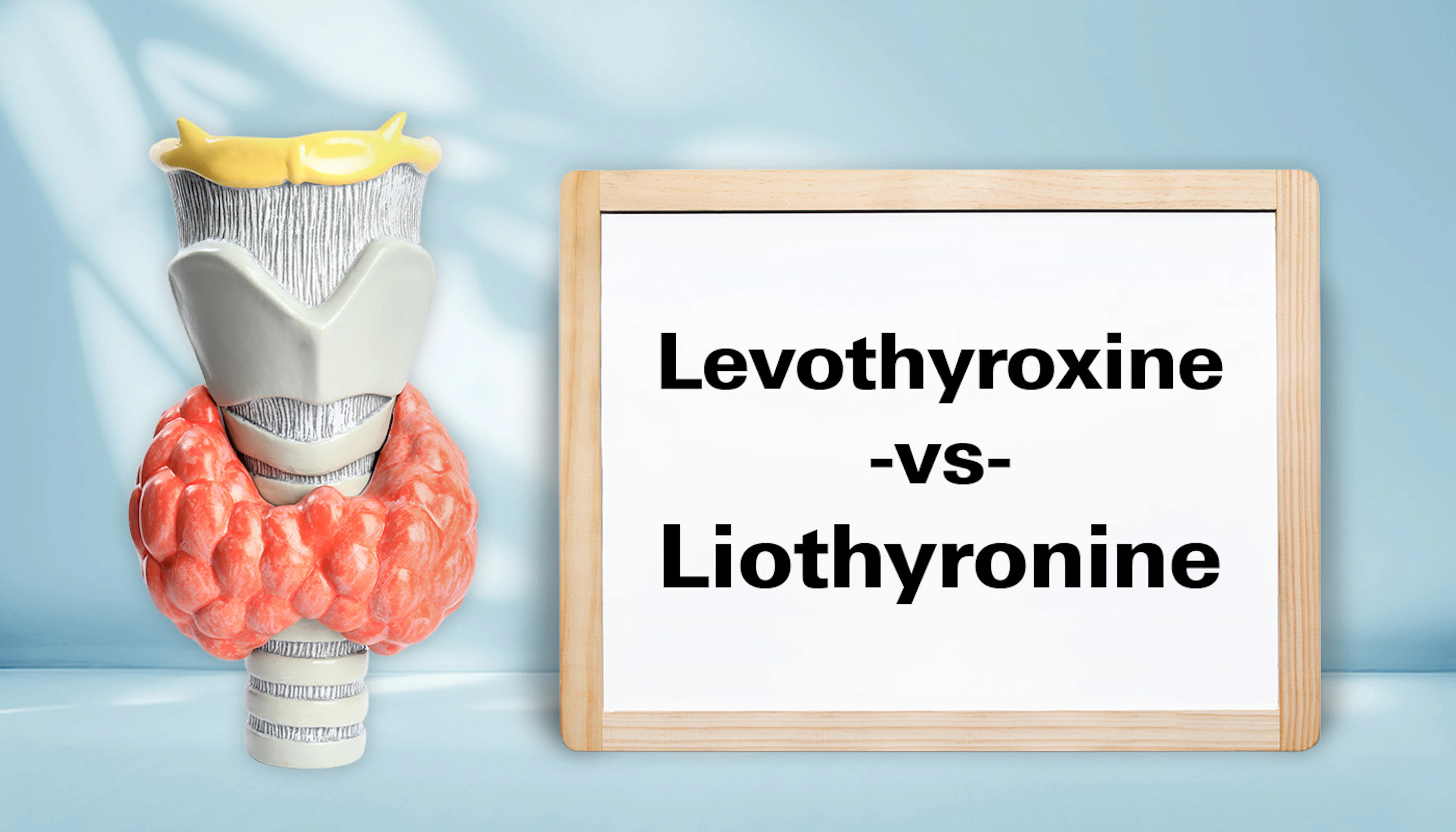

Levothyroxine vs Liothyronine for Hypothyroidism
- First-line therapy: Levothyroxine (synthetic T4) is preferred because it keeps thyroid levels stable and is easy to dose and monitor. Most people feel better within weeks.
- When T4 isn’t enough: A minority of patients still have symptoms despite normal labs. In those cases, an endocrinologist may consider liothyronine (synthetic T3) or combination therapy. Evidence for benefit is mixed.
- Safety matters: T3 acts quickly and can spike levels, raising risks for heart issues, blood sugar changes, bone loss, and overcorrection (hyperthyroidism). Not recommended in pregnancy.
Thyroid hormones help regulate heart rate, body temperature, and how your body uses energy. When you don't have enough hormones (hypothyroidism), your metabolism slows, and you may experience persistent symptoms like fatigue, weight gain, feeling cold, constipation, dry skin, and low mood.
Your thyroid gland naturally produces two main hormones: T4 (thyroxine, mostly inactive) and T3 (triiodothyronine, the active form). Normally, your body converts T4 into T3 as needed. Hypothyroidism occurs when your thyroid gland can’t produce enough T4 and T3.
The Standard Treatment: Levothyroxine (T4)
The first-line treatment for hypothyroidism is levothyroxine, a synthetic form of T4. This replaces what's missing, and your body converts it to active T3. Levothyroxine works well for the majority of patients because:
- It has a long half-life, meaning it stays in your system for a long time, providing a steady, reliable level of hormone.
- It comes in a wide range of micro-doses, allowing your doctor to fine-tune your levels.
- Most patients see a complete resolution of symptoms once their TSH (Thyroid Stimulating Hormone) levels stabilize.
Most people feel much better within a few weeks, with few side effects.
When T4 Isn't Enough: The Role of Liothyronine (T3)
About 10-15% of patients on levothyroxine still experience lingering symptoms like fatigue or low mood, even when TSH levels are normal. In these cases, some doctors may discuss adding or switching to liothyronine (synthetic T3).
Liothyronine (T3): How It’s Different
Liothyronine acts quickly, while levothyroxine takes several days to build up and lasts longer in the bloodstream. Liothyronine peaks in the bloodstream within hours, which can help some people feel better faster. However, this rapid action comes with trade-offs.
This rapid action means liothyronine can sometimes relieve lingering symptoms, but it may also cause fluctuations in hormone levels that lead to side effects like palpitations, anxiety, or sleep problems.
| Levothyroxine (T4) | Liothyronine (T3) |
|---|---|
|
|
Safety and Risks: Why T3 is Not Always First-Line
You may wonder why liothyronine (T3) isn’t used as the first treatment for hypothyroidism. While it can be helpful in select patients, liothyronine carries more safety risks and requires close medical supervision.
Because T3 is the "active" form of the hormone, it hits the bloodstream much faster and more intensely than Levothyroxine (T4). This rapid action creates a narrow therapeutic window, meaning the margin between a helpful dose and a harmful one is very slim.
Because of this, an endocrinologist must carefully evaluate your health history before starting T3 therapy. Certain groups need extra caution:
Heart Health and the Elderly
T3 acts as a stimulant for the cardiovascular system. In older adults or those with pre-existing heart conditions, rapid increases in T3 can trigger:
- Irregular heartbeats, such as atrial fibrillation
- Chest pain caused by reduced blood flow to the heart
- Increased heart rate: Putting unnecessary strain on the cardiac muscle
Diabetes Management
Adding Liothyronine can interfere with how your body processes glucose. Research indicates that thyroid hormones affect insulin sensitivity. Starting T3 may lead to higher blood sugar levels. Patients with diabetes often require increased doses of insulin or oral medications while on T3.
Bone Density and Osteoporosis
Excessive thyroid hormone (over-replacement) accelerates bone resorption, the process where bone tissue is broken down. Long-term use of T3, if the dose is slightly too high, can lead to decreased bone mineral density and an increased risk of fractures, especially in postmenopausal women.
Aim for the lowest effective dose and normal TSH levels to minimize this.
The Risk of "Overcorrection" (Hyperthyroidism)
It is very easy to accidentally swing from an underactive thyroid to an overactive one (hyperthyroidism) when using T3. This "overcorrection" can lead to:
- Anxiety and tremors
- Sleep disturbances
- Heat intolerance
- Interference with reproductive health and nutrient metabolism
Pregnancy Warning
Maternal T4 (from levothyroxine) crosses the placenta and is vital for fetal brain development, especially early on. T3 crosses much less efficiently. While no direct harm from liothyronine has been shown, guidelines recommend avoiding it or switching to levothyroxine alone during pregnancy to ensure adequate T4 for the baby.
Summary: Balancing Relief and Safety
Levothyroxine remains the preferred first-choice treatment for hypothyroidism. It's effective, stable, and safe for most people, backed by decades of evidence and guidelines. Liothyronine (alone or added to levothyroxine) can help some with lingering symptoms, but it requires specialist oversight due to faster action and monitoring needs.
If you're on levothyroxine and still experiencing symptoms like fatigue, weight gain, feeling cold, or low mood despite normal blood tests, discuss this with your doctor. Other causes (e.g., vitamin deficiencies or sleep issues) should be ruled out first. Personalized care, including a possible trial of alternatives under supervision, can help you feel your best.

