
Questions? Call us at 800-810-7790
- The thyroid is a small, butterfly-shaped gland located in the neck. Thyroid hormones influence body temperature, heart rate, energy levels, weight management, and more.
- Hypothyroidism is the most common thyroid condition in which an underactive thyroid gland doesn't produce enough thyroid hormones.
- Symptoms include fatigue, weight gain, cold intolerance, dry skin, constipation, depression, and slowed heart rate.
- The most common treatment is synthetic thyroid hormone replacement therapy (levothyroxine).
Thyroid Overview
What is Thyroid?
The thyroid is a small, butterfly-shaped gland located at the front of the neck. It is part of the endocrine system, which is responsible for producing and releasing hormones that regulate various bodily functions. The thyroid gland produces and releases two main hormones: thyroxine (T4) and triiodothyronine (T3).
Role of Thyroid Hormones
The thyroid gland's function is tightly regulated to maintain a balance of thyroid hormone levels in the body. Too much thyroid hormone production leads to a condition called hyperthyroidism, while too little hormone production results in hypothyroidism. These conditions can have significant impacts on metabolism, energy levels, growth, and overall health.
Your thyroid plays a crucial role in many bodily functions, including the following:
- Regulating metabolism: The thyroid hormones T3 and T4 control the rate at which cells convert oxygen and calories into energy. They affect nearly every organ system and influence processes such as growth, development, and temperature regulation.
- Regulating body temperature: Thyroid hormones affect the production and release of heat generated by the body's cells, helping to maintain a stable body temperature.
- Promoting growth and development: Thyroid hormones influence bone growth, brain development, and the maturation of various tissues and organs in children and adolescents.
- Regulating heart rate and blood pressure: Thyroid hormones regulate the heart rate, the strength of heart contractions, and the relaxation of blood vessels. Imbalances in thyroid hormone levels can lead to cardiovascular issues such as changes in heart rate, high blood pressure, and cholesterol imbalances.
- Controlling muscle and nerve function: Thyroid hormones are necessary for proper muscle and nerve function, including skin and bone maintenance.
- Supporting reproductive health: Thyroid hormones are involved in menstrual cycles in women and sperm production in men. Imbalances in thyroid function can lead to menstrual irregularities, fertility issues, and complications during pregnancy.
Hypothyroidism
Hypothyroidism or underactive thyroid disease is the most common thyroid condition in which your thyroid gland doesn't produce enough thyroid hormones.
The thyroid hormones regulate many bodily functions like metabolism, heart rate, body temperature, and energy levels. In hypothyroidism, your thyroid gland doesn't produce enough of these hormones, which can lead to symptoms such as fatigue, weight gain, constipation, dry skin, hair loss, and sensitivity to cold.
Prevalence
Hypothyroidism is a relatively common condition, especially among women and older adults.
According to the American Thyroid Association, it’s estimated that around 5-10% of Americans have some form of hypothyroidism, with women being about 5 to 8 times more likely to develop the condition than men.
The prevalence of hypothyroidism also increases with age, and it’s estimated that up to 20% of women over the age of 60 may have this condition.
Signs and Symptoms
Hypothyroidism can cause a variety of signs and symptoms that can vary in severity and may develop gradually over time.
Common signs and symptoms include the following:
- Cold temperature intolerance and/or sensitivity
- Dry, coarse skin and/or hair
- Extreme fatigue
- Muscle cramps, weakness, and/or soreness
- Voice change and become lower or hoarser
- Constipation
- Weight gain or having trouble losing weight
- Myalgias or muscle pain
- Weakness
- Depression
- Bradycardia (slow heart rate)
- Hair loss
- Menorrhagia (heavier than normal menstrual periods)
- Memory and mental impairment (“brain fog”)
In more severe cases, hypothyroidism can cause additional symptoms, including:
- Puffy face, hands, and/or feet
- Goiter (enlarged thyroid gland)
- Decreased sense of taste and smell
- Shortness of breath
Some individuals with hypothyroidism may not experience any noticeable symptoms, or their symptoms may be mild and easily dismissed as part of the normal aging process. That’s why regular screening and monitoring of your thyroid function can help identify and manage this condition early, even before symptoms develop.
Hypothyroidism and Impotence
Hypothyroidism that is left untreated occasionally has been linked to erectile dysfunction. Low testosterone levels are possible when a pituitary gland problem is the root cause of your hypothyroidism.
If erectile dysfunction was a direct result of this hormonal imbalance, then the treatment of hypothyroidism will improve this problem.
Causes
Hypothyroidism can be caused by a variety of factors, including:
- Autoimmune disease: Hashimoto's thyroiditis, also commonly referred to as Hashimoto’s disease, is the most common cause of hypothyroidism. It’a an autoimmune disorder in which your body's immune system attacks your thyroid gland, leading to inflammation and damage that can impair thyroid hormone production.
- Radiation therapy: Radiation therapy to your neck or head for cancer treatment or other conditions can damage your thyroid gland and impair its function, leading to hypothyroidism.
- Surgical removal of the thyroid gland: If your thyroid gland is surgically removed due to cancer, nodules, or other conditions, you will need to take thyroid hormone replacement therapy for life to replace the hormones that your thyroid gland would have produced.
- Certain medications: Some medications, such as lithium and amiodarone, can interfere with thyroid hormone production and lead to hypothyroidism.
- Iodine deficiency: Iodine is an essential nutrient that your body needs to produce thyroid hormones. A lack of iodine in your diet can lead to hypothyroidism.
- Congenital hypothyroidism: Some infants are born with an underactive thyroid gland, which can be due to genetic factors, a problem with thyroid gland development, or maternal iodine deficiency during pregnancy.
Myxedema—Severe Hypothyroidism
Myxedema is a severe case of hypothyroidism with extremely low levels of thyroid hormones in the body. Myxedema is relatively rare but can occur in individuals with long-standing, untreated, or poorly managed hypothyroidism.
Here are some characteristics and manifestations of a severe case of hypothyroidism:
- Extreme fatigue and weakness, to the point of being bedridden or unable to carry out daily activities.
- Mental confusion, disorientation, and even coma can occur. This is especially seen in myxedema coma, which is a medical emergency.
- Hypothermia: Low body temperature, often below normal ranges, leading to cold intolerance and an inability to regulate body temperature.
- A significantly slowed heart rate, resulting in reduced cardiac output and circulation.
- Shallow and slow breathing, respiratory depression, and potentially respiratory failure in severe cases.
- Swelling and puffiness particularly around the face, lips, and tongue.
- Skin becomes dry, rough, and lacking elasticity. It may appear pale and cool to the touch.
- Vocal changes, including hoarseness and difficulty speaking due to muscle weakness and swelling around the vocal cords.
- Constipation, bloating, and reduced appetite can occur.
Severe hypothyroidism requires immediate medical attention and hospitalization. Myxedema coma is a life-threatening condition associated with multiorgan dysfunction, low blood pressure, and altered mental status. Treatment involves administration of intravenous thyroid hormone replacement therapy, primarily with synthetic thyroxine (T4), along with supportive care to address complications, stabilize vital signs, and restore electrolyte balance.
Treatment
Hormone replacement therapy
The goal of HRT is to restore normal levels of thyroid hormone in the body. Some medications that could be used to treat hypothyroidism include the following:
Levothyroxine
The drug of choice for hypothyroidism is levothyroxine (T4). Levothyroxine (brand: Synthroid) is a synthetic or man-made version of the thyroxine hormone. This medication is used to replace thyroxine when your thyroid gland cannot produce it and prevents hypothyroidism symptoms.
- This medication is taken by mouth, once a day with water, at least 60 minutes before breakfast or at bedtime (at least 3 hours after your last meal).
- Common side effects: fast or irregular heartbeats, shortness of breath, fever, hot flashes, sweating, chest pain, pain spreading to your jaw or shoulders, weight loss, irritability, feeling hot/sweating, tremors, feeling nervous and/or irritable
EUTHYROX
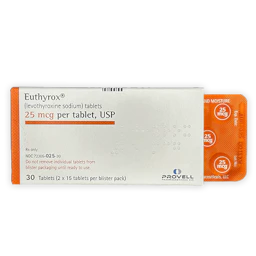
A brand name levothyroxine that entered the U.S. market in 2023. The main advantage of EUTHYROX comes from its blister packaging. The effectiveness of levothyroxine can diminish over time if it's exposed to environmental factors like light, oxygen, and moisture. (Compare EUTHYROX vs. Levothyroxine)
Blister packaging ensures EUTHYROX keeps its potency until the point of consumption. The cost is also comparable to generic alternatives. Marley Drug offers EUTHYROX for $7/month when customers order a year's supply.
Armour Thyroid (generic: Desiccated thyroid)
This medication contains both T3 (triiodothyronine) and T4 (thyroxine) hormones in a ratio that is similar to what is found in the human body.
- Unlike synthetic thyroid hormone medications, Armour Thyroid is a natural thyroid hormone replacement therapy that is derived from porcine (pig) thyroid glands.
- Common side effects: fast heartbeats, changes in the mood, difficulty sleeping. nervousness or irritability, fatigue, weight loss
- Compare: Compare Armour Thyroid vs. Levothyroxine
Liothyronine (generic: Cytomel)
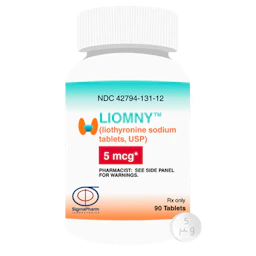
Liothyronine is a prescription medication that’s a synthetic version of the thyroid hormone triiodothyronine (T3).
- Liothyronine is usually prescribed for individuals who have not responded well to treatment with levothyroxine. Unlike levothyroxine, which is converted to T3 in your body, Liothyronine is a direct source of T3.
- Common side effects: fast or irregular heartbeats, hair loss, difficulty sleeping, fever, shakiness, weak muscles, fatigue, weight loss
Diet and lifestyle changes
Eating a balanced diet, getting regular exercise, and managing stress can help manage symptoms of hypothyroidism.
Alternative therapies
Some individuals with hypothyroidism find relief from alternative therapies such as acupuncture, herbal supplements, and meditation. However, these treatments should be used in conjunction with traditional medical treatment and under the guidance of a healthcare provider.
Surgery
In rare cases, surgery may be necessary to remove a large goiter or thyroid nodules that are causing symptoms of hypothyroidism.
Related Topics
Know Your Thyroid
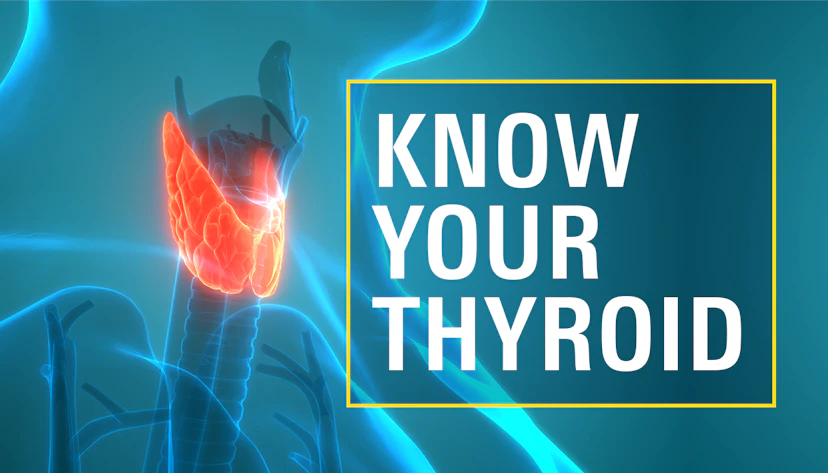
The thyroid is a hormone-producing gland located at the lower front area of your neck. Its job is to take the iodine consumed in our diets and use it to create hormones that are subsequently released into our bloodstream.
Read more
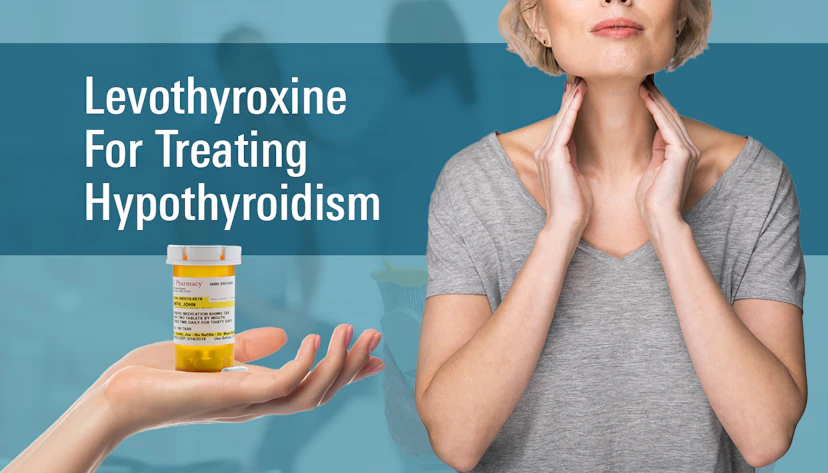
Levothyroxine To Treat Low Thyroid (Hypothyroidism)
The drug of choice for hypothyroidism is levothyroxine (T4). Levothyroxine is a synthetic (man-made) version of the thyroxine hormone. It replaces thyroxine when your thyroid gland cannot produce it and prevents hypothyroidism symptoms.
Read more
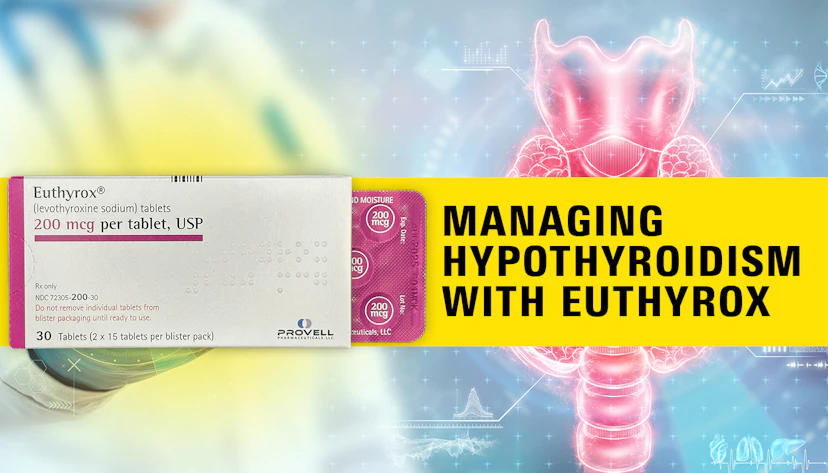
Managing Hypothyroidism with Euthyrox
The main difference between EUTHYROX and generic levothyroxine is the packaging of the products. EUTHYROX comes in a blister packaging, designed to protect it from light, oxygen, and moisture.
Read more