
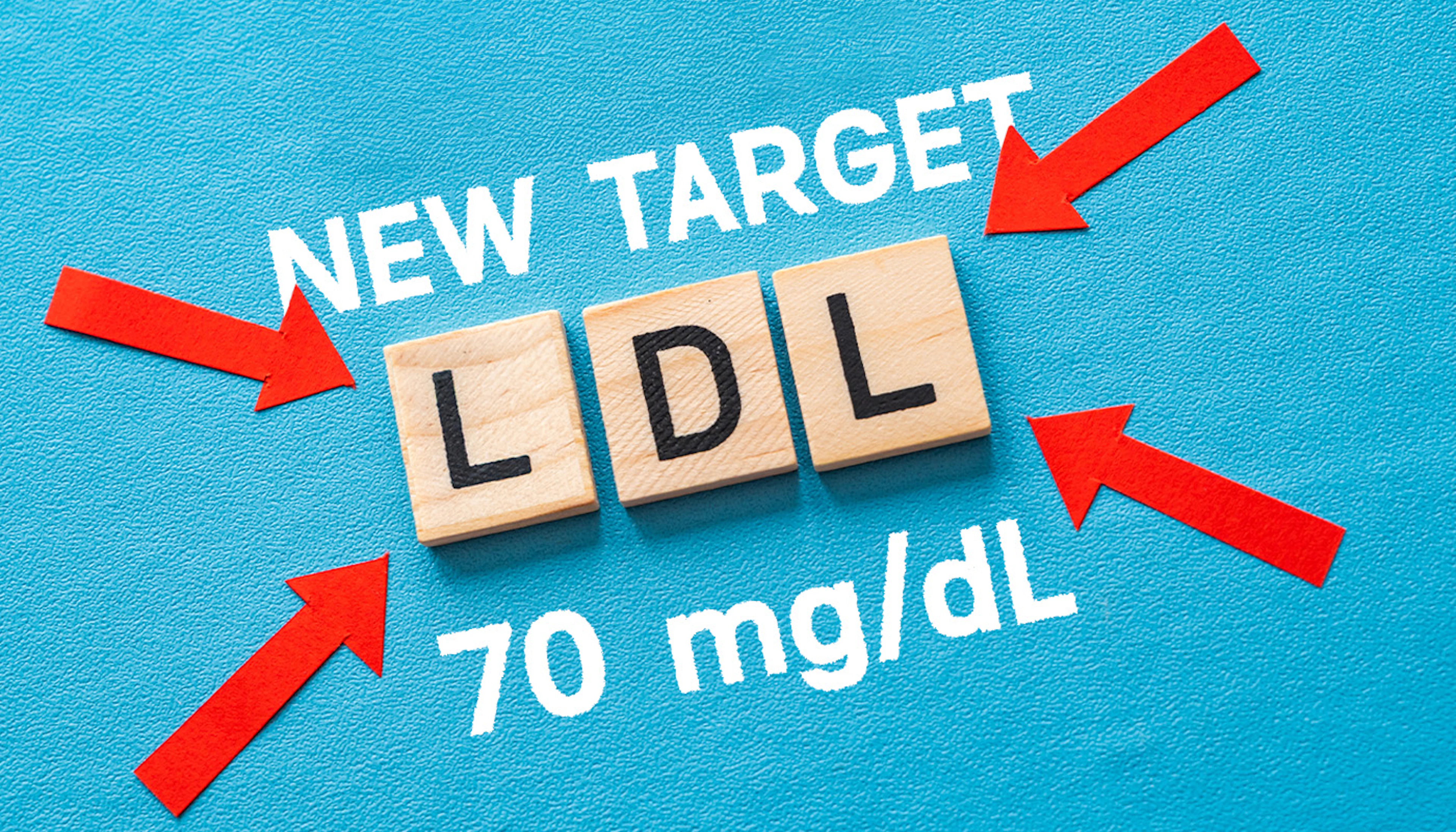

New LDL-C Target
- The main LDL-C target is now <70 mg/dL (instead of the previous stricter <55 mg/dL) for most people with heart disease or very high risk.
- Evidence shows that getting LDL-C below ~70 mg/dL provides strong protection against heart attacks and strokes, but pushing it much lower usually adds little or no extra benefit in preventing events or saving lives.
- Very aggressive targets often require more medications (higher statin doses + ezetimibe or PCSK9 inhibitors), which can increase cost, side effects, and treatment burden without clear additional payoff for the average patient.
- Treatment should be personalized: aim for <70 mg/dL as a realistic, evidence-based goal, but your doctor can adjust based on your tolerance, costs, access to meds, and overall heart risk. Focus on what keeps you protected and sustainable long-term.
Heart disease is the leading cause of death in the United States, and LDL-C ("bad" cholesterol) is a key factor in building up plaque in your arteries, which can lead to heart attacks or strokes.
In 2025, experts from the American Association of Clinical Endocrinology (AACE) updated their guidelines on managing cholesterol. These changes are important for people with heart disease or those at high risk. The good news? The new advice makes treatment goals a bit more flexible and realistic for many patients.
What Is LDL-C and Why Does It Matter?
Cholesterol is a waxy substance in your blood. LDL-C is called “bad” cholesterol because too much of it can build up inside your arteries. This buildup is called plaque. Over time, plaque makes your arteries narrow and hard, a condition known as ASCVD (atherosclerotic cardiovascular disease). This is the leading cause of heart attacks and strokes.
Doctors aim to lower LDL-C to protect your heart, but exactly how low things should go is evolving. Statins are the common drugs that help reduce it.
The Big Change: Updated LDL C Target for 2025
- Old Advice (2017): If you have heart disease or high risk, aim for LDL C < 55 mg/dL
- New Advice (2025): Aim for LDL C < 70 mg/dL for people in the same group
While this might seem like a small change, it represents a big shift in how doctors think about your treatment.
LDL levels below 55 mg/dL is a very low number and often requires high doses of multiple medications. The new goal (below 70 mg/dL) is no longer just to hit the lowest number possible, but to find the "sweet spot" where you get the most protection with the fewest side effects and costs.
Why Did the Guidelines Change?
The old target (under 55 mg/dL) came from a big study called IMPROVE-IT. It involved over 18,000 people who had recent heart issues. Researchers tested adding a drug called ezetimibe to a statin and found it lowered LDL-C further. This led to a slight drop in non-fatal heart attacks and strokes.
However, it didn't reduce deaths or other major problems. The benefits were real but small, not enough to change overall health outcomes for everyone.
Since then, more studies have looked at very low LDL-C levels:
- A large review (meta-analysis) by Khan and colleagues combined data from several trials. It found no big improvements in survival or preventing heart events when LDL-C was below 55 mg/dL compared to around 70 mg/dL.
- Another 2019 review (Guedeney et al.) focused on injectable drugs called PCSK9 inhibitors. Even when LDL-C dropped to 50 mg/dL or lower, there wasn't a clear reduction in heart attacks, strokes, or deaths versus slightly higher levels.
The law of diminishing returns: Most participants in these studies were already on statins and had ASCVD. The extra push to super-low levels didn't consistently prevent serious issues. Based on this, the AACE decided to ease the target to make it more evidence-based and practical.
Challenges with Very Low Cholesterol Goals
Aiming for under 55 mg/dL often means using more than one drug, like adding ezetimibe or PCSK9 inhibitors to statins. While effective, these can bring challenges:
- Cost and access: Newer medications can be expensive, and not everyone has good insurance coverage. This can make it hard to stick with treatment.
- Side effects: Some people experience muscle aches, fatigue, or other issues from high-dose or combination therapies. More drugs might also mean more doctor visits and blood tests.
- Fairness and practicality: Early studies mostly included older white men, leaving out diverse groups like women, younger adults, African American individuals, or those with high blood pressure. Real-world data shows these groups often struggle more to reach very low targets due to access issues. The new advice aims to be inclusive and realistic for all.
A Personalized Approach to Cholesterol Management
The 2025 guidelines stress teamwork between you and your doctor. The under-70 mg/dL target is "conditional", it’s a suggestion based on evidence, but it can be adjusted.
For example:
- If you tolerate medications well and can afford them, your doctor might still aim lower if it fits your risk profile.
- If side effects are a problem or costs are high, staying around 70 mg/dL with a simpler plan could be just as effective.
The focus is on overall heart health, not just a number. This includes lifestyle changes like eating heart-healthy foods (fruits, veggies, whole grains, and lean proteins), exercising regularly, quitting smoking, and managing blood pressure or diabetes if you have them.
Lowering cholesterol is still crucial, but the guidelines recognize that one strict goal doesn't work for everyone. It's about finding what keeps you safe and healthy without unnecessary hassle.

