
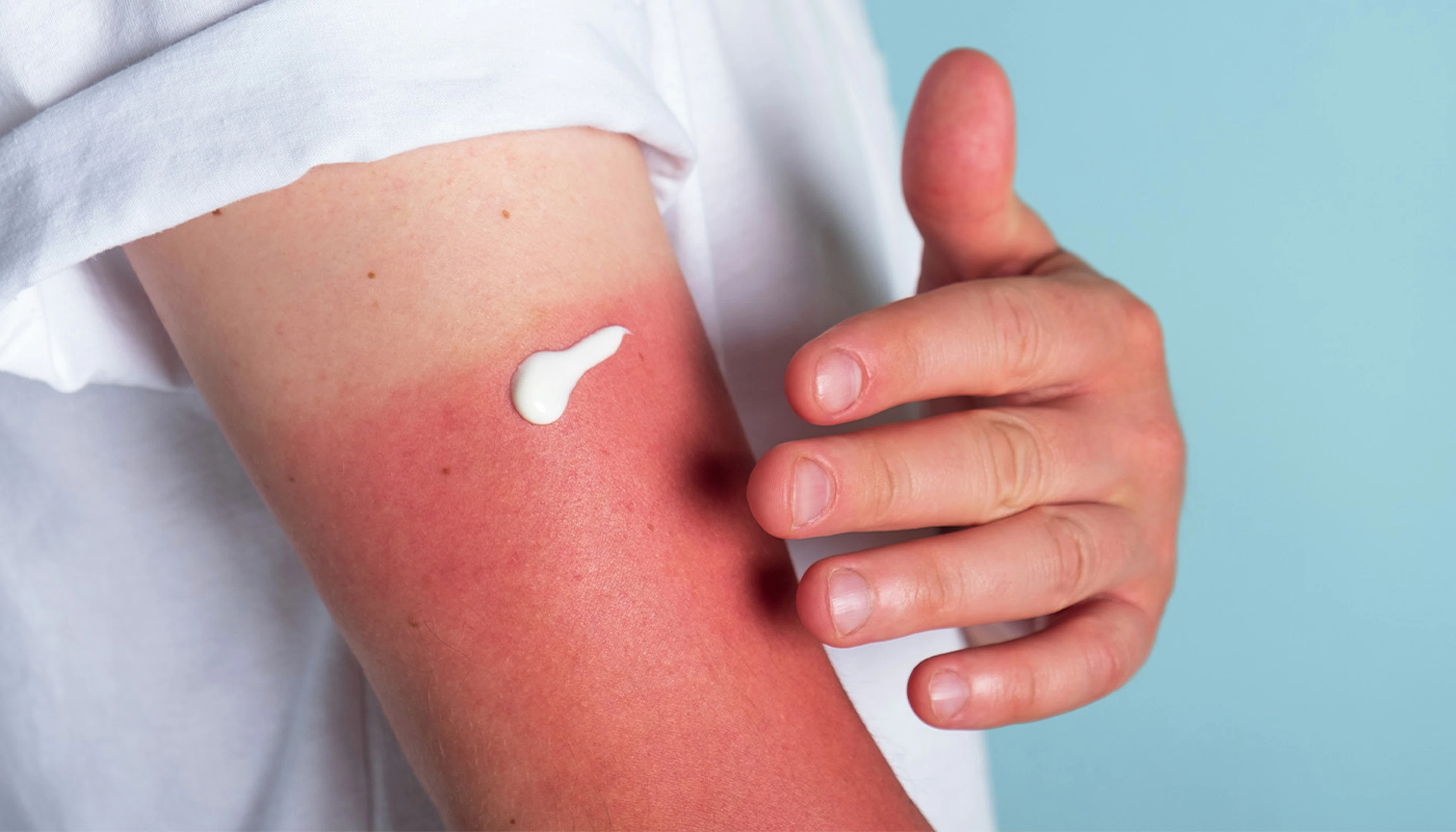


Your Guide to Sun Protection: Tips, Products, and Precautions
- Avoid peak sun hours (10 a.m. – 2 p.m.), wear protective clothing, and use wide-brimmed hats to reduce UV exposure.
- Use broad-spectrum sunscreen with SPF 30 or higher, and reapply every 2 hours or after swimming/sweating.
- Choose the right sunscreen type—physical for sensitive skin and children, chemical for lightweight, blendable coverage.
- Be extra cautious if taking sun-sensitizing medications, and watch for signs of sunburn, sun poisoning, or heat stroke.
Summer sunshine is enjoyable, but it’s crucial to protect yourself from the harmful effects of the sun. Sunlight includes visible light and invisible ultraviolet (UV) rays, some of which can damage skin.
- UVA rays: These are the longest UV rays and penetrate deep into the skin. They are primarily linked to skin aging.
- UVB rays: Shorter and more intense, UVB rays affect the skin’s surface and are the main cause of sunburns.
Both UVA and UVB rays can harm your skin and increase the risk of skin cancer if you don’t take precautions.
How to Minimize Harmful UV Exposure
- Stay out of the sun during peak hours: Avoid direct sunlight between 10 a.m. and 2 p.m. when UV rays are strongest.
- Cover up: Wear clothes that cover your skin and a wide-brim hat to protect your face and ears—especially important for children.
- Apply sunscreen: Use broad-spectrum sunscreen on all exposed skin and reapply every 2 hours, or after swimming or sweating.
Sunscreen Basics
Sunscreens vary in strength and formulation. The Sun Protection Factor (SPF) indicates how well a sunscreen protects against UVB rays. A higher SPF means more protection.
- SPF 30 is generally recommended, as it blocks about 97% of UVB rays.
- Reapply sunscreen every 2 hours, and after swimming or sweating—even if it’s labeled “water resistant.”
- Choose a broad-spectrum sunscreen to ensure protection against both UVA and UVB rays.
Types of Sunscreen
|
|
Examples
|
|
|
Medications That Increase Sun Sensitivity
Some medications can cause photosensitivity, making your skin more reactive to sunlight. This can lead to rashes, redness, or sunburn-like symptoms.
- Antibiotics: Doxycycline, tetracycline, ciprofloxacin
- Heart medications: Amiodarone, quinidine
- Diuretics: Hydrochlorothiazide, furosemide
- NSAIDs: Ibuprofen, naproxen
- Herbal products: St. John’s Wort
- Acne treatments: Isotretinoin, benzoyl peroxide
- Hormonal products: Oral contraceptives, estrogen
- Topicals: Alpha-hydroxy acids, coal tar
Managing Sunburns
Sunburns are a form of skin inflammation that usually appear a few hours after overexposure. Symptoms include redness, pain, and heat.
To soothe a sunburn:
- Stay out of the sun
- Use cool compresses, baths, or showers
- Apply aloe vera or water-based moisturizers
- Drink plenty of water
- Take pain relievers like ibuprofen or acetaminophen if needed
Sunstroke (Heat Stroke) vs. Sun Poisoning
| Caused by severe sunburn from UV exposure | Caused by overheating from high temperatures |
| Body temperature: Normal or slightly elevated | Body temperature: Rapid rise above 103°F (39.4°C) |
| Red, blistering, peeling skin | Hot, dry skin or heavy sweating |
| Can cause fever, chills, nausea, dizziness, fainting | Can cause confusion, seizures, unconsciousness |
| Moderate to severe | Life-threatening |
| Treatment includes rest, hydration, cool compresses | Requires emergency medical attention |
Seek medical help immediately if you or someone else experiences:
- Fever over 103°F
- Hot skin with no sweating
- Confusion or fainting
- Rapid heartbeat or breathing
- Severe blistering
- Dehydration symptoms
- Persistent nausea or vomiting
- Seizures or loss of consciousness