


Tick Season: What to Do After a Tick Bite
- Tick activity peaks from June through August, with bites becoming common in backyards, parks, and coastal areas.
- Ticks can be active anytime temperatures are above freezing, and symptoms from bites may take weeks or months to appear.
- Prompt tick removal with tweezers reduces infection risk, and the bite site should be monitored for rashes or unusual symptoms.
- See a doctor if the tick was attached for over 36 hours, if you’re in a Lyme-prone area, or if symptoms like fever, rash, or fatigue appear.
- Protect yourself by wearing long clothing, using repellents, checking for ticks after outdoor activity, and making your yard less tick-friendly.
As temperatures rise across the United States, tick activity surges. Tick bites can occur year-round, but they are most common from April through September, when ticks are highly active and people spend more time outdoors.
Each year, the CDC receives reports of over 50,000 cases of tick-borne illnesses, a number that has more than doubled in the past two decades. Many infections likely go unreported, either because symptoms are mistaken for other conditions or the tick bite was never noticed.
Symptoms often don’t appear right away. It might take days or even weeks before you feel anything unusual. That delay can make treatment harder and recovery slower.
That’s why quick action matters. What you do right after a tick bite can significantly reduce your risk of serious illness.
Understanding Ticks
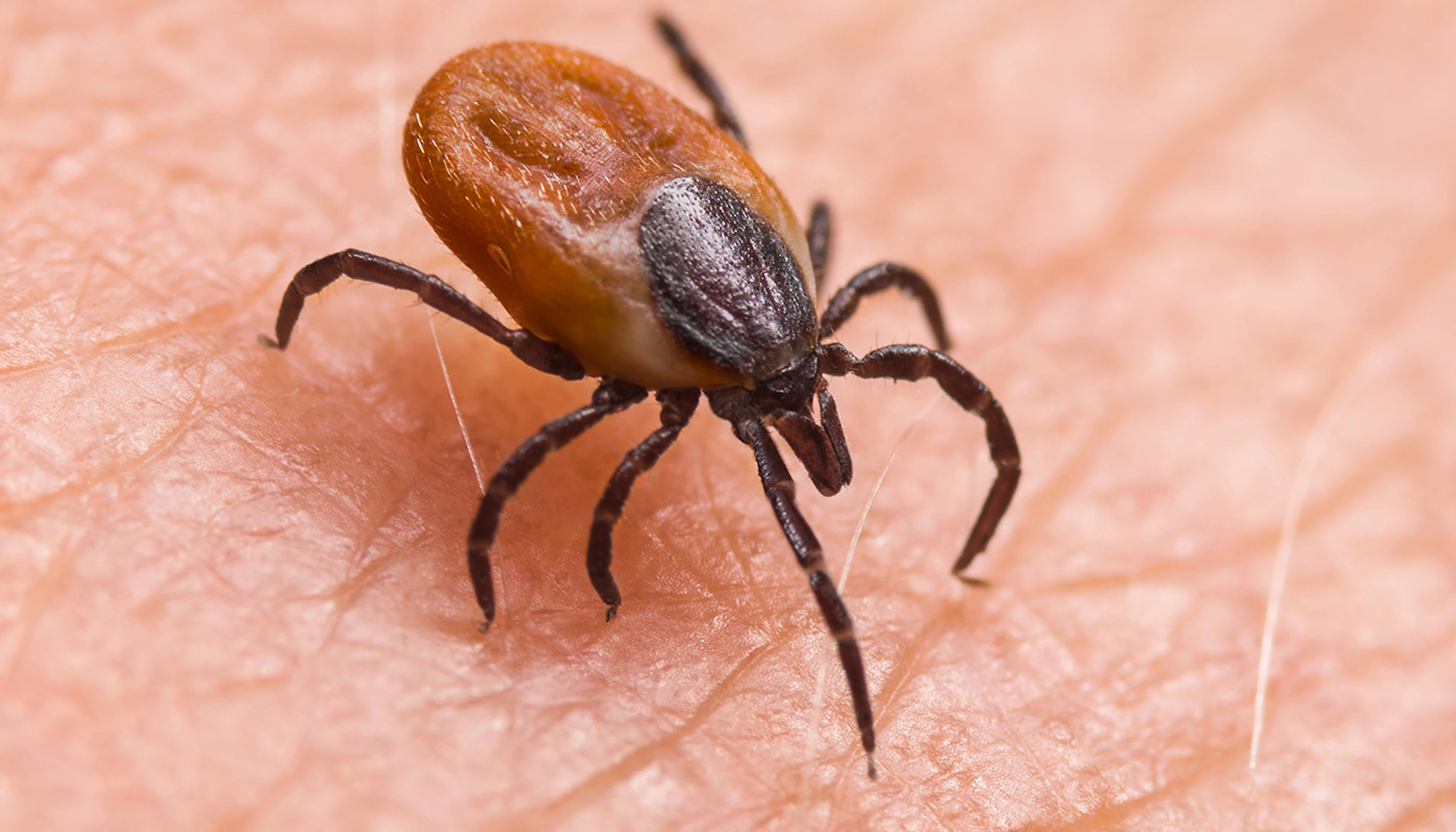
Ticks are tiny parasites that feed on blood. They are not insects, but arachnids, placing them in the same group as spiders and mites. Ticks belong to a group called Ixodida.
Unlike some pests, ticks cannot fly or jump. Instead, they climb up grass or brush and wait with their front legs extended, ready to grab onto any warm-blooded animal that passes by. The attachment process is slow, and most people do not feel the bite when it happens.
The Tick Life Cycle
Ticks have a relatively short life span, typically lasting two to three years. Their life cycle includes four stages: egg, larva, nymph, and adult.
- Egg: A female tick lays eggs in the soil or on leaves.
- Larva: After hatching, the six-legged larvae seek their first meal, usually from small animals like rodents or birds.
- Nymph: After feeding, larvae shed their skin and become nymphs, now with eight legs. Nymphs are still small but can bite larger animals, including humans.
- Adult: Adult ticks search for bigger hosts such as deer, pets, or people. This is also when they mate. After feeding, female ticks can lay thousands of eggs, often in the same area where they developed, restarting the cycle.
Given how widely these medications are prescribed, dry mouth is far from rare. If left unaddressed, it can lead to long-term oral health issues.
When Does Tick Season Start?
Many people think tick bites only happen during summer hikes or backyard barbecues, but tick exposure is not confined to those times.
Tick exposure can happen anytime the weather is mild. And because symptoms like redness, fatigue, or joint stiffness can take two to three months to appear, many people never trace them back to the bite.
So, when does tick season actually begin? It depends on your location, but here’s a general rule: once daytime temperatures consistently rise above freezing and the ground begins to thaw, ticks start to wake up.
This usually happens between March and May. As the days warm, tick activity increases, especially in areas with moist soil, tall grass, or dense brush.
Peak Risk in Summer
Summer brings the peak. From June through August, ticks are at their most active. Heat and humidity create ideal conditions for feeding and reproduction. During this time, bites become more common—not just in forests, but in backyards, dog parks, and even coastal dunes. Many species become more aggressive in their search for a host.
Tick activity doesn’t stop when summer ends. In milder regions, ticks can remain active well into November. Deer ticks, in particular, stay on the move until the first hard frost. Some species even burrow into leaf piles or soil, waiting for the next warm day.
Winter Slowdown, Not Shutdown
Cold weather slows ticks down, but it doesn’t eliminate them. Some go underground. Others cling to animals and stay active throughout the season. In warmer parts of the South and along the West Coast, tick activity may continue year-round.
Although the peak tick season runs roughly from April to September, the actual risk period is broader. Climate heavily influences tick behavior, so watching local weather and staying alert during warm, wet spells provides better guidance than calendar dates alone.
What Can Ticks Carry?
Black-legged ticks, also known as deer ticks, are the main carriers of Lyme disease in the United States. They are prevalent in the Northeast, Midwest, and parts of the West Coast. The western black-legged tick, a close relative, also spreads Lyme disease in the western U.S.
Ticks transmit more than Lyme disease. They can carry various bacterial and viral illnesses, some still under study. A tick bite may expose you to:
- Anaplasmosis
- Babesiosis
- Ehrlichiosis
- Rocky Mountain spotted fever
- Powassan virus
- Tularemia
- Alpha-gal syndrome, a red meat allergy triggered by lone star tick bites
Not every tick carries disease, and not every bite causes illness. However, the longer a tick remains attached, especially beyond 24 hours—the greater the risk of infection.
What Should You Do After a Tick Bite?
If you find a tick on yourself, don't panic, but don't ignore it. How you react in the next few minutes can influence your risk of infection.
What to Watch For
Tick bites are often subtle. You might see a small, flat or slightly raised red bump. It usually doesn’t itch or hurt at first. If the tick is still attached, its body may be visible, sticking out from the skin.
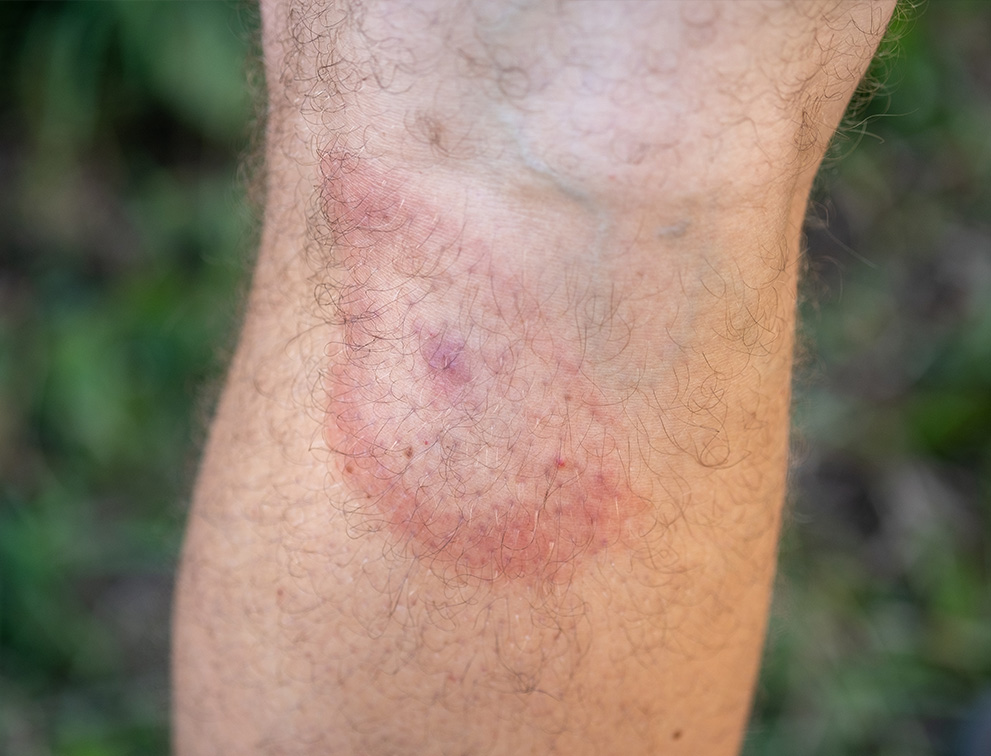
After removal, the bite may resemble a mosquito bite but often feels firmer. Some people experience mild irritation. In others, a rash may appear days later. If you notice a red ring with a clear center, a bull’s-eye pattern, it could be a sign of Lyme disease and should be checked by a healthcare provider.
How to Remove a Tick
The most important step is to remove the tick as soon as possible. The longer it stays attached, especially beyond 24 hours, the higher the risk of disease transmission.
You don’t need special tools. Just grab a pair of clean, fine-tipped tweezers and follow these steps:
- Grip the tick close to the skin. Aim for the head or mouth area, not the body.
- Pull upward slowly. Avoid twisting, jerking, or crushing the tick. The goal is to remove it in one piece.
- If part of the mouth stays in the skin, try to remove it gently. If it won’t come out easily, leave it alone. The skin will usually heal on its own.
- Clean the area. Wash your hands and the bite site with soap and water. You can also use rubbing alcohol or hand sanitizer.
- Dispose of the tick properly. Place it in a sealed bag or container if you plan to show it to a doctor. Otherwise, flush it down the toilet. Never crush it with your fingers.
Monitor for Symptoms
After removal, keep an eye on the bite site. Taking a photo can help track changes and may be useful if you need to consult a doctor later.
Not every tick bite leads to illness, but early symptoms, such as fever, fatigue, rash, or joint pain, can take days or even weeks to appear.
If you’re unsure how long the tick was attached, or if you start feeling unwell in the following weeks, contact your healthcare provider. In some cases, especially if the tick was likely a black-legged tick and attached for more than 24 hours, your doctor may recommend a preventive dose of antibiotics.
When to See a Doctor After a Tick Bite
It’s not always obvious when a tick bite needs medical attention. In many cases, cleaning the bite and monitoring for symptoms is enough. However, there are specific situations when you should contact your healthcare provider.
Doctors may prescribe a single dose of doxycycline to prevent Lyme disease. The standard dose is:
- Adults: 200 mg
- Children: 4.4 mg/kg (for those weighing less than 45 kg or 100 lb)
See a doctor if:
- You were bitten in an area where Lyme disease is common.
- The tick is identified as a black-legged tick (also called a deer tick).
- The tick was attached for more than 36 hours.
- Treatment can begin within 72 hours of removing the tick.
If the tick was swollen or blood-filled, it likely fed for a while. Identification can be tricky unless you saved the tick or took a clear photo.
Prevention Tips for Tick Season
Staying alert during tick season is key. You don’t need to avoid the outdoors, but a few simple habits can greatly reduce your risk:
- Wear long sleeves and pants, especially in grassy or wooded areas. Tuck pants into socks or boots.
- Choose light-colored clothing to spot ticks more easily.
- Use insect repellents containing DEET or picaridin on skin, clothing, and gear. Follow label instructions, especially with children.
- After being outside, do a full-body tick check as soon as you return indoors. Pay special attention to hidden areas: behind knees, underarms, waistband, hairline, and behind the ears.
- Shower soon after coming inside to help remove any unattached ticks.
- Check pets regularly and use veterinarian-recommended tick preventives. Pets can bring ticks into your home without showing symptoms.
- Keep your yard tick-unfriendly by trimming the lawn, removing leaf piles, and creating dry barriers like gravel or mulch between wooded areas and your yard.
While you can’t eliminate risk entirely, catching ticks early and knowing what symptoms to watch for can help prevent serious complications.
References:
- Nadelman RB, Nowakowski J, Fish D, et al. Prophylaxis with single-dose doxycycline for the prevention of Lyme disease after an Ixodes scapularis tick bite. N Engl J Med. 2001;345(2):79-84. doi:10.1056/NEJM200107123450201
- Centers for Disease Control and Prevention (CDC). Ticks: In the United States, ticks can spread germs that make people sick. Updated May 15, 2024. Accessed June 11, 2025.

