Questions? Call us at 800-810-7790

- Acne is caused by hormonal changes, excess oil production, bacteria, and inflammation.
- Treatments include OTC products (benzoyl peroxide, salicylic acid), prescription medications (retinoids, antibiotics), and procedures (chemical peels, laser therapy).
- Lifestyle changes like gentle cleansing and dietary adjustments can help manage acne.
- Prevention involves good skincare practices and stress management.
Overview
Acne is a common skin condition that occurs when hair follicles, or the small openings in your skin, become clogged with oil (sebum) and dead skin cells. The main factors contributing to acne include the presence of androgens (male sex hormones), the bacteria Propionibacterium acnes (P. acnes), and the production of sebum in the sebaceous (oil) glands.
Acne typically leads to the formation of various types of blemishes, including pimples (zits), blackheads, whiteheads, and sometimes deeper cysts or nodules. It commonly appears on areas of the body with a high density of sebaceous glands, such as the face, neck, chest, back, and shoulders.
Prevalence
Acne affects individuals of all ages, but it is most prevalent during adolescence. It often begins between the ages of 8 and 13 in females and 9 to 14 in males, continuing into early adulthood. The onset of acne is closely linked to hormonal changes, especially the increase in androgen levels that stimulate the sebaceous glands to produce more sebum.
While acne is most common during the teenage years, it can also occur or persist into adulthood. Factors such as hormonal fluctuations, genetics, and lifestyle choices can influence the occurrence and duration of acne. For some people, acne may resolve in their late teens or early 20s, while others may experience it into their 30s, 40s, or even beyond.
Fortunately, effective treatments are available for acne at any age. It's important for those affected to seek medical advice and treatment to manage and alleviate their condition.
Types
Acne manifests in several forms, each with distinct characteristics. These can be broadly categorized into non-inflammatory and inflammatory types:
Non-Inflammatory Lesions
- Comedones: These occur when hair follicles become clogged with oil and dead skin cells.
- Whiteheads: Known as closed comedones, these are small, flesh-colored bumps that form when the follicle opening remains closed. The blockage of sebum, dead skin cells, and bacteria gives them a white or slightly raised appearance.
- Blackheads: Also called open comedones, these are similar to whiteheads, but the follicle opening is wide. The trapped material oxidizes when exposed to air, turning dark and giving blackheads their characteristic appearance.
Inflammatory Lesions
- Papules: Small, red, raised bumps that are often tender to the touch. They result from inflammation and the immune system's response to the trapped material within the follicle.
- Pustules: Similar to papules but containing pus at their tips. These lesions have a visible white or yellow center surrounded by redness.
- Nodules: Larger, more severe lesions that extend deeper into the skin. They are firm to the touch and often painful, developing when the contents of a blocked follicle rupture into the surrounding tissue, causing a more intense inflammatory response.
- Cysts: Large, pus-filled lesions that can be very painful and are often the result of a severe inflammatory response. Cysts are located deeper within the skin than pustules and nodules and can lead to scarring.
Causes
Acne is primarily caused by a combination of factors, including:
- Excess Sebum Production: Sebaceous glands produce an oily substance called sebum. In acne-prone individuals, these glands can become overactive, producing more sebum than necessary. Excess sebum can clog pores and create an environment where acne-causing bacteria can thrive.
- P. acnes Bacteria: Propionibacterium acnes (P. acnes) is a bacterium normally present on the skin. In acne-prone individuals, P. acnes can multiply within clogged hair follicles. As it multiplies, it produces substances that trigger an inflammatory response.
- Inflammation: The presence of P. acnes and the release of inflammatory substances lead to inflammation within hair follicles and the surrounding skin. This results in redness, swelling, and the formation of inflammatory acne lesions such as papules and pustules.
- Hormonal Changes: Hormonal fluctuations, particularly an increase in androgens, can stimulate sebaceous glands to produce more sebum. Hormonal changes often occur during puberty, the menstrual cycle, pregnancy, and menopause, making these times more prone to acne.
Risk Factors
- Genetics: A family history of acne can increase the risk of developing the condition, suggesting a genetic predisposition.
- Polycystic Ovary Syndrome (PCOS): Women with PCOS may have a higher risk of developing acne due to hormonal imbalances associated with the condition.
- Stress: Chronic stress can influence hormonal changes, potentially worsening acne.
- Cosmetic and Hair Products: Certain cosmetics and hair products, especially those labeled as "comedogenic" (pore-clogging), can contribute to acne.
- Diet: While the role of diet in acne is still being researched, some studies suggest that diets high in refined sugars and dairy products may exacerbate acne in some individuals.
- Medications: Some medications, including corticosteroids and certain birth control pills, can trigger or worsen acne in some individuals.
Diagnosis
Acne is typically diagnosed through a combination of clinical observation, medical history, and skin exam by a healthcare provider, most commonly a dermatologist, which may involve the following:
- Medical history: Your doctor will begin by gathering information about your medical history, including any previous or current skin conditions, medications, and/or family history of acne. They may ask about factors that could potentially trigger or worsen acne, such as hormonal changes, stress, and/or dietary habits.
- Skin exam: Your doctor will conduct a thorough physical exam of your skin, focusing on areas prone to acne outbreaks, such as your face, neck, chest, back, and/or shoulders. They will assess the type, severity, and distribution of acne lesions, as well as any associated inflammation.
- Lesion classification: Acne lesions are typically classified based on their appearance and characteristics, such as comedones, papules, pustules, nodules, and cysts. Your doctor will determine the types of lesions present and their distribution on your skin.
- Grading: Acne severity can be graded based on the number and types of lesions. This helps determine the appropriate treatment approach.
- Mild: (Grade 1): Whiteheads and blackheads, with a few papules and pustules.
- Moderate (Grade 2): Multiple papules and pustules, generally located on your face.
- Moderately severe (Grade 3): Numerous papules and pustules, sometimes accompanied by inflamed nodules, may be present. It's possible for these skin issues to extend to your back and chest as well.
- Severe (Grade 4): Several large, uncomfortable, or painful, red pustules and nodules
- Differential diagnosis: In some cases, your doctor may need to rule out other skin conditions that can mimic acne, such as rosacea, folliculitis, or keratosis pilaris.
- Discussion: Based on your exam findings, your doctor will discuss the diagnosis with you, providing information about the type and severity of acne, potential triggers, and treatment options.
Keep in mind that if there are concerns about any underlying hormonal imbalances or other medical conditions playing a role in acne development, your doctor may suggest additional tests or assessments, which may involve conducting blood tests to measure hormone levels.
Treatment
Treatment options for acne vary depending on the type, severity, and individual factors such as skin type and medical history. The goal of acne treatment is to reduce symptoms, prevent future breakouts, minimize scarring, and improve the overall appearance of the skin. Here are some common treatment options for acne:
Topical Over-The-Counter (OTC) Products
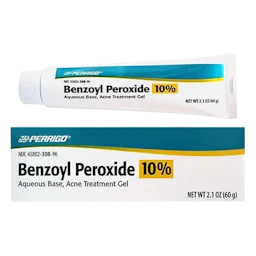
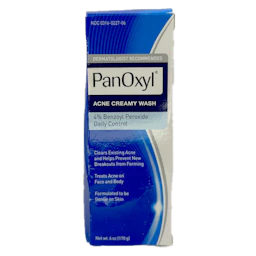
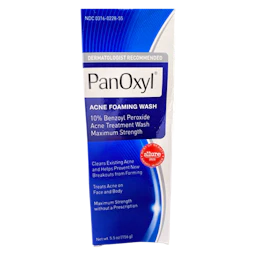
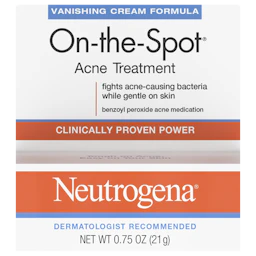
- Benzoyl peroxide (BPO): Considered the most effective OTC option, benzoyl peroxide helps to kill acne-causing bacteria, unclog pores, and treat all forms of acne. It’s available in various forms, including gels, creams, and cleansers.
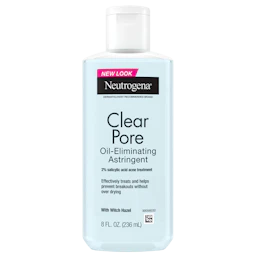
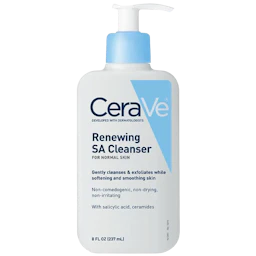
- Salicylic acid: This exfoliating agent helps to unclog pores and reduce inflammation as well as oil production. Blackheads and non-inflamed breakouts respond best to it. It’s also commonly found in OTC cleansers, creams, and spot treatments.
- Alpha hydroxy acids (AHAs): AHAs such as glycolic acid, can help exfoliate your skin, promoting the shedding of dead skin cells and reducing the risk of clogged pores.
Topical Prescription Medications
- Retinoids: These derivatives of vitamin A help prevent clogged pores and reduce inflammation. Although they are considered the best treatment option for all forms of acne, it's important to keep in mind that these retinoids may take approximately 4-12 weeks to work. Some examples include the following:
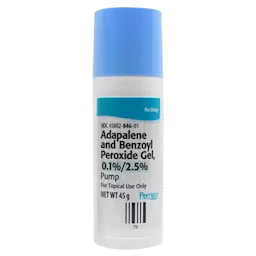
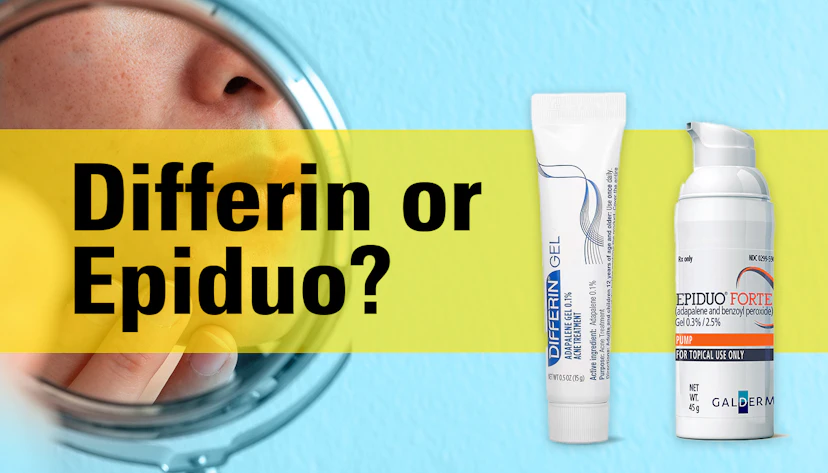
- Adapalene/benzoyl peroxide gel (Epiduo)
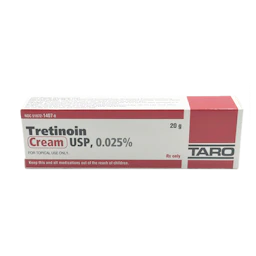
- Tretinoin (Atralin, Retin-A, Avita)
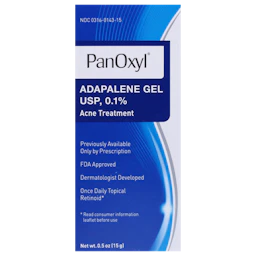
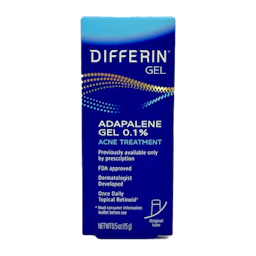
- Adapalene (Differin)
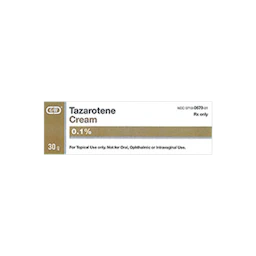
- Tazarotene (Tazorac cream, Fabior foam)
- Topical antibiotics: Antibiotic creams or gels, such as Clindamycin, can help control P. acnes bacteria as well as reduce inflammation.
Oral Medications
- Oral antibiotics: In cases of moderate to severe acne, oral antibiotics, such as Doxycycline or Minocycline, may be prescribed to control bacteria and inflammation, and are generally used for approximately 3 months.
- Oral contraceptives (birth control pills): Hormonal birth control pills, can help regulate hormones and reduce acne, especially in females with hormonal acne, and can help treat all forms of acne.
- Oral Isotretinoin (Accutane): Accutane is a powerful medication used to treat severe, cystic, or treatment-resistant acne. A typical course lasts 4 to 6 months, and it clears the skin permanently for about 85% of people.
- Pregnancy and Breastfeeding: Do not take Accutane if you are pregnant, breastfeeding, or planning to become pregnant within the next month. It can cause miscarriages and birth defects.
- Female patients taking Accutane must complete a patient information and informed consent form outlining the risks of birth defects if a fetus is exposed to the medication. They are required to have two negative pregnancy tests before starting treatment and must avoid pregnancy for one month before beginning and one month after stopping Accutane. Additionally, they should not breastfeed or donate blood for at least one month after discontinuing the medication.
- Pharmacy Restrictions: Accutane can only be dispensed by a pharmacy registered with the pregnancy REMS (iPLEDGE) program to ensure these safety measures are followed.
Hormonal Therapies
Spironolactone: In some cases, medications used off-label, such as spironolactone may be prescribed to reduce testosterone levels, block androgen activity, as well as control sebum production. Keep in mind that this medication is not safe for use in pregnant women.
Procedures
- Chemical Peels: Chemical peels can exfoliate your skin and help improve acne. Different types of peels are available, ranging from mild to deep.
- Laser Treatment: These therapies can target and reduce acne-causing bacteria, inflammation, and sebum production.
Lifestyle Changes
- Gentle Cleansing: It’s recommended to use a mild, non-comedogenic cleanser to clean your face twice a day.
- Avoid Scrubbing: Vigorous scrubbing or picking at acne lesions can worsen your condition and lead to scarring.
- Sun Protection: Using sunscreen to prevent UV-induced skin damage and avoiding excessive sun exposure.
- Dietary Adjustments: Some may find that reducing the consumption of dairy products can help manage acne.
Prevention
Preventing acne involves adopting good skincare practices, such as regular and gentle cleansing, avoiding touching your face, and using non-comedogenic products. Dietary choices, stress management, and hormonal balance may also play a role in prevention. It's important to maintain hydration, protect the skin from the sun, and wear comfortable clothing to minimize friction.
However, since not all acne can be completely prevented, it's important to speak with your doctor or dermatologist when facing persistent or severe acne. If OTC treatments are ineffective, or if acne is causing scarring, or appears to be hormonally driven, seeking professional guidance is essential. Early intervention can help tailor an effective treatment plan to manage and reduce the impact of acne on both your skin as well as your overall well-being.
Related Topics
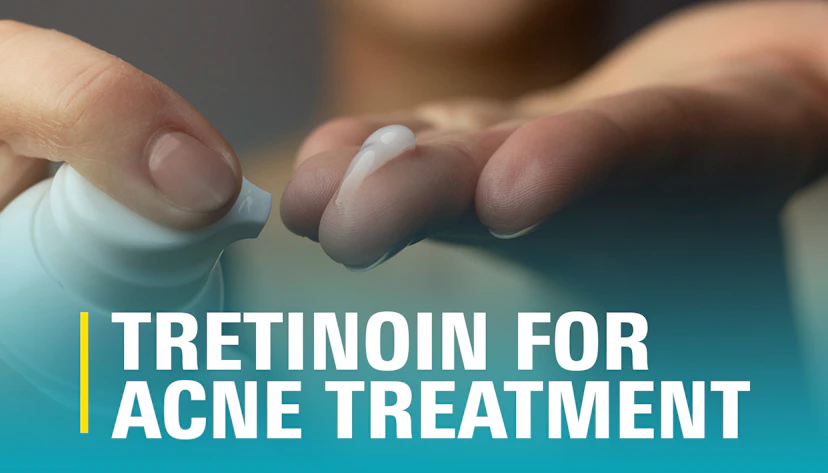
Tretinoin's Role in Acne Treatment
Tretinoin tackles acne by removing old, dead skin cells, which helps to unclog pores. By encouraging the formation of new skin cells, it aids in preventing new acne and improves skin texture.
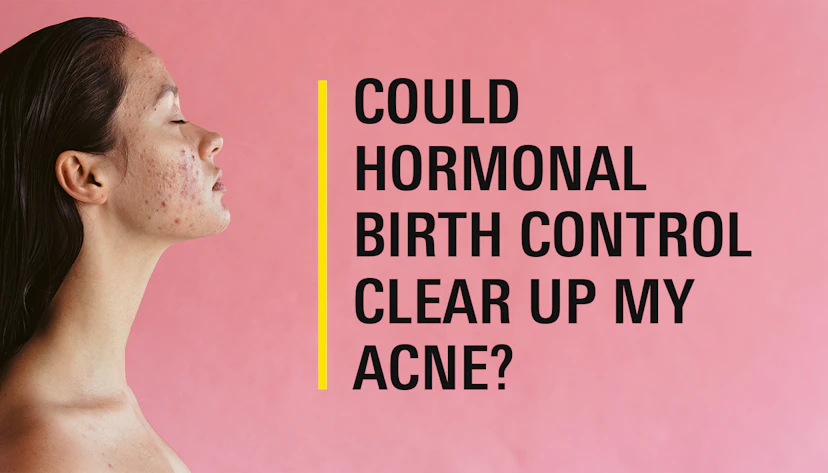
Hormonal Birth Control for Acne
Hormonal birth control is a commonly used treatment for women with acne, as acne formation is influenced by hormones. Throughout a typical menstrual cycle, hormone levels fluctuate, and it is believed that increased androgens during certain phases can trigger acne breakouts.
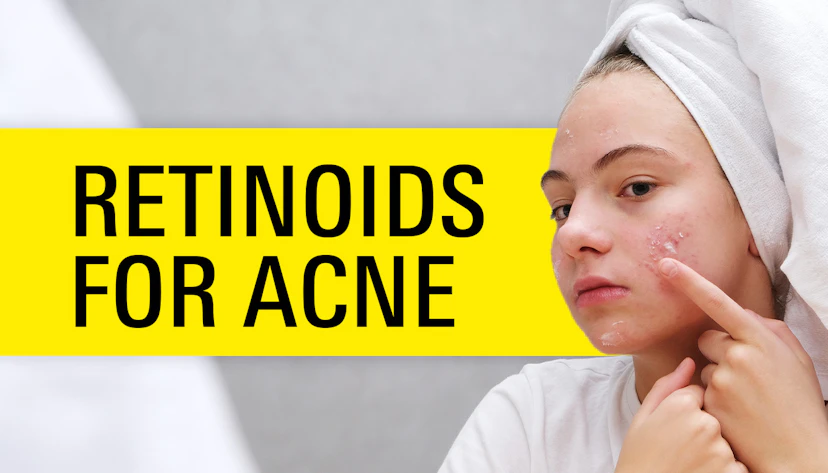
Retinoids for Acne
After 12 weeks of Epiduo therapy, 21.5% to 47.2% of individuals reported improvement in their acne and either clear or almost clear skin.
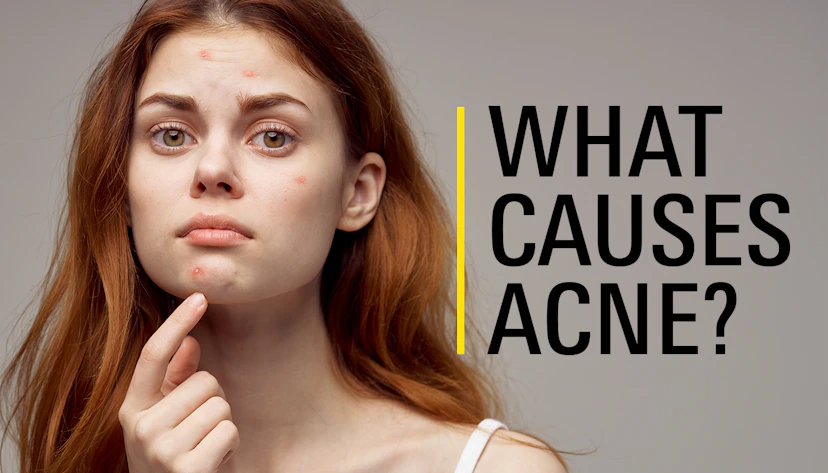
What Causes Acne?
Acne primarily develops in adolescents during puberty. Androgens (male sex hormones) are the primary determinant of acne along with the presence of the bacteria P. acnes, and fatty acids (sebum) present in oil (sebaceous) glands.
What Causes Acne?
Both Differin and Epiduo are considered effective medications in managing skin conditions such as acne. If you’re struggling with acne, talk to your doctor about appropriate treatment options suited for you.