Questions? Call us at 800-810-7790

- Dry eye disease occurs when your eyes either don't make enough tears or when the tears evaporate too quickly, leading to chronic irritation and discomfort.
- It’s very common, affecting millions of adults in the U.S., especially women and people over 40, but younger screen users are increasingly at risk.
- Common symptoms include a persistent gritty or sandy feeling, burning, redness, and blurry vision that often clears with blinking.
- Treatments range from artificial tears and lifestyle changes to prescription drops; most people find relief with early care.
Overview
Dry eye disease is a common, chronic condition that occurs when your eyes either don't produce enough tears or when the tears evaporate too quickly.
Tears are not just for crying; they form a protective layer, called the tear film, that keeps the surface of your eye (cornea) smooth, clear, and comfortable. When this film is unstable, the eye loses its natural moisture and protection, leading to irritation.
The tear film has three main layers that must be in balance:
- Water (Aqueous): Keeps the eye moist.
- Oil (Lipid): Prevents the water layer from evaporating too quickly.
- Mucus (Mucin): Helps the tears spread evenly across the eye's surface.
How common is it?
Dry eye disease is a widespread health issue affecting millions of Americans.
Approximately 16 million adults in the U.S. have been diagnosed with dry eye disease, though the true number might be much higher, as many people don't report their symptoms.
Symptoms are reported by 5% to 50% of adults depending on the study and population, making it one of the most common reasons people visit an eye doctor.
The condition becomes more common as people get older. The risk starts to climb steadily around age 40, and it can become a daily issue for those in their 60s and beyond.
Women about twice as likely as men to develop it, particularly largely due to hormonal changes (especially after menopause).
Dry eye symptoms are increasingly seen in younger adults (20s and 30s) due to prolonged time spent staring at screens, which significantly reduces the rate of blinking, and exposure to environmental factors like air conditioning and contact lens use.
Symptoms
Dry eyes can cause a variety of uncomfortable sensations, which may feel worse at the end of the day or after tasks like reading or driving.
The most common symptoms include:
- A gritty or sandy feeling, often described as if something is stuck in your eye
- Burning, stinging, or scratchy eyes
- Watery eyes (ironically, this is often a reflex where the body tries to overcompensate for the underlying dryness)
- Redness or irritation
- Blurred vision that often clears up momentarily after you blink
- Sensitivity to light
- Discomfort when wearing contact lenses for a long time
- Eye fatigue after short periods of focus (like screen time)
When to See a Doctor: If you use over-the-counter artificial tears daily and your eyes still burn or blur, you should see an eye doctor for a full exam.
Seek urgent care if you notice:
- Sudden, sharp eye pain
- Severe redness or swelling
- Thick discharge or crusting
- Redness or irritation
- New sensitivity to light so strong you can’t open your eyes
- Sudden changes in vision or dark spots
Most cases of dry eyes are not emergencies, but ignoring ongoing irritation can cause long-term problems. Getting checked early helps protect your eyes, and your vision.
Causes
Dry eyes are rarely caused by a single issue; they usually result from a combination of factors that either reduce tear production or increase tear evaporation.
Decreased Tear Production
Cause: The glands responsible for producing the watery component of tears slow down.
Risk Factors
- Age: Tear production naturally decreases after age 40
- Medical Conditions: Sjögren’s syndrome, rheumatoid arthritis, lupus, diabetes, thyroid problems, Parkinson’s disease
- Medications: Antihistamines, decongestants, antidepressants, some blood pressure medications, antidepressants, acne medications (isotretinoin), hormone replacement therapy
- Eye Surgery: LASIK or cataract surgery
Increased Tear Evaporation (Most Common Cause)
Cause: This often happens when the oily layer of your tear film is not working properly.
Risk Factors
- Meibomian Gland Dysfunction (MGD): Blocked oil glands in the eyelids that normally prevent tears from evaporating too fast
- Blinking Habits: Staring at computer or phone screens for long periods reduces the blink rate, exposing the eye surface longer
- Eyelid Inflammation (Blepharitis): Chronic inflammation of the eyelids affects oil secretion
Environmental & Lifestyle
Cause: External factors that strip moisture from the eyes.
Risk Factors
- Hormonal Changes: Especially during menopause in women, which destabilizes the tear film
- Climate: Living in dry, windy, or smoky environments
- Indoor Air: Constant use of air conditioning, fans, or forced-air heating
- Contact Lenses: Long-term use can change how tears spread and can absorb the tear film
Diagnosis
The eye exam is simple and painless. Your doctor will start by discussing your symptoms (when they occur, what makes them worse) and reviewing your health history, medications, and daily routines, including screen time and contact lens use.
Common tests include:
- Slit-lamp exam: A microscope with a bright light is used to closely inspect the eye’s surface for dry spots, inflammation, or corneal damage.
- Schirmer test : After numbing the eye with drops, a thin strip of paper is placed under your lower eyelid to measure tear production over a few minutes.
- Tear break-up time (TBUT): A special dye helps track how long tears stay on the eye before evaporating. Fast evaporation signals an unstable tear film.
- Tear quality assessments: Some doctors measure how oily or thick your tears are to see how well the glands that produce protective oils are working.
Why Testing Matters
Dry eyes may seem minor, but ongoing dryness can cause inflammation, blurred vision, or tiny scratches on the cornea. Testing helps your doctor determine whether your dryness is due to low tear quantity, poor tear quality, or both, so treatment can target the specific cause.
Treatment
Treatment depends on how severe your symptoms are and what’s causing them. Most people start with over-the-counter (OTC) products, but prescription treatments are available for more persistent or severe cases.
OTC Products
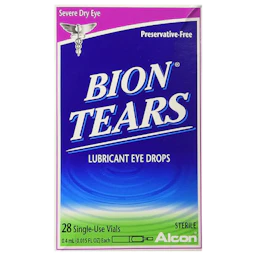
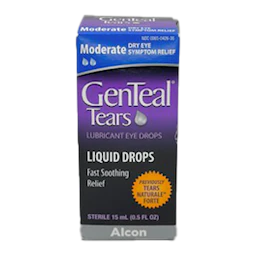
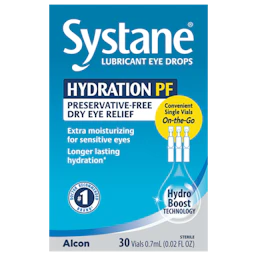
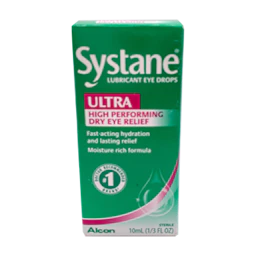
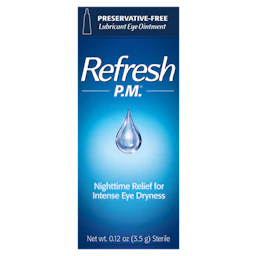
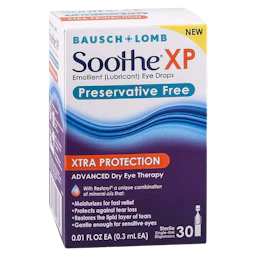
Artificial tears are the most common starting point. They come in several types: light drops, thicker gels, and ointments for nighttime use.
You might use them if dryness comes from:
- Long periods on computers or phones
- Exposure to wind or low humidity
- Eye strain from reading or studying
- Air conditioning or indoor heating
Types of artificial tears:
- Preserved drops: Last longer but may irritate sensitive eyes when used frequently. For more than four applications daily, switch to preservative-free options
- Preservative-free drops: Gentler on sensitive eyes and safe for frequent use
Viscosity (thickness) matters:
- Low-viscosity drops feel light and give quick relief without blurring vision, but may need frequent reapplication
- High-viscosity drops (gel-like) last longer but can cause brief blurriness—best used at night or when taking breaks from screens
Nutrition Support)
Omega-3 fatty acids can help reduce inflammation and improve tear quality. They support a healthier tear film and reduce irritation.
Good sources of omega-3s:
- Fatty fish: salmon, tuna, sardines, mackerel
- Chia seeds, flaxseed, flaxseed oil
- Walnuts
- Soybean oilg
- Omega-3-enriched eggs
Eating these foods a few times a week or taking supplements may help, though benefits can take several weeks to appear.
Prescription Treatments
If OTC products aren’t enough, doctors may recommend:
- Restasis® (cyclosporine): Reduces inflammation and increases natural tear production. Usually used twice a day; results may take several weeks
- Xiidra® (lifitegrast): Targets inflammation in the tear film. Used twice daily; may cause mild irritation.
- Miebo® (perfluorohexyloctane): Forms a protective layer over the eye to prevent tears from evaporating too quickly
- Corticosteroid eye drops: Used short-term for severe flare-ups. These reduce inflammation but are not for long-term use due to side effects like glaucoma.
Examples: Flarex® (fluorometholone 0.1%), Eysuvis® (loteprednol 0.25%) - Tyrvaya® (varenicline) nasal spray: Stimulates nerves that signal tear production. Used twice daily, one spray per nostril. Common side effects include mild sneezing or throat irritation. It’s a good option for those who prefer to avoid eye drops.
Prevention
You can’t always prevent dry eyes, but small daily habits can make a big difference.
- Blink more often: When using screens, try the “20-20-20” rule—every 20 minutes, look 20 feet away for 20 seconds and blink several times.
- Improve your environment: Use a humidifier if your home is dry, avoid sitting directly under fans or vents, and wear wraparound sunglasses outdoors to block wind and sun.
- Stay hydrated: Drink water regularly. Limit excessive caffeine or salty foods, which can increase dehydration.
- Clean your eyelids: Gently clean your lids daily with warm water and a soft cloth to remove oils and debris.
- Remove eye makeup nightly: Leftover mascara or eyeliner can block oil glands and worsen dryness.
Most people with dry eye disease experience chronic discomfort, but with regular management, lasting relief is possible for most patients. Although dry eye is not usually sight-threatening, untreated or severe cases may lead to corneal damage, infection, or vision loss over time.
Keep in mind that most therapies require ongoing use, and it’s normal for symptom improvement to take several weeks to months.
Most importantly, keeping up with follow-up appointments and working closely with your provider helps ensure the best eye health and comfort over time.
Related Topics
5 Best Products for Dry Eye
Dry eye is a condition characterized by a burning, stinging, or tired feeling in the eyes. These symptoms can disrupt daily activities like using computers, wearing contacts, or driving at night.
Cyclosporine ophthalmic (for eye use) is the generic drug for the prescription medication, Restasis, which is FDA-approved to treat chronic dry eye that's caused by inflammation.