
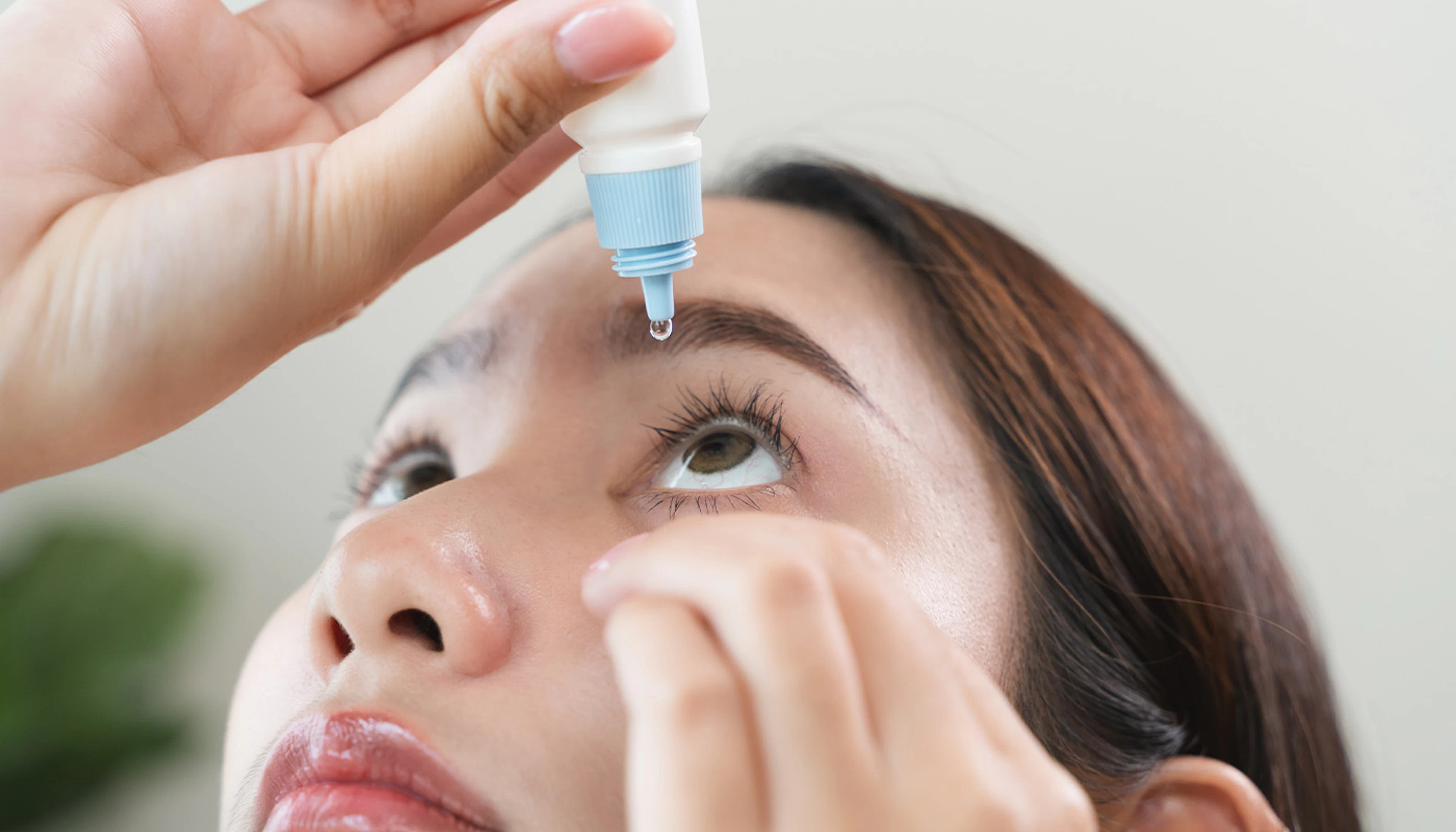

5 Best Products for Dry Eye
Dry eye is a condition characterized by a burning, stinging, or tired feeling in the eyes. These symptoms can disrupt daily activities like using computers, wearing contacts, or driving at night. While eyes may appear red, there’s typically no goopy discharge or crusting.
This condition arises from an imbalance in your eye’s moisture levels. Tears, produced by glands around the eyes, maintain comfort, moisture, and clear vision. Dry eye occurs when this delicate balance is disrupted. There are two main causes of this imbalance:
Insufficient Tear Production
Reduced tear production can lead to dry eyes. This can be caused by:
- Age: Tear production naturally decreases with age.
- Medications: Certain drugs, including antihistamines, blood pressure medications, antidepressants , and decongestants, can reduce tear production.
- Medical conditions: Sjogren's syndrome, thyroid issues, lupus, and diabetes can contribute to dry eyes.
Excessive Tear Evaporation
Your tears may evaporate too quickly if they lack a sufficient oily component. This can be caused by:
- Medical conditions: Allergies and vitamin A deficiency can affect tear evaporation.
- Eyelid problems: Inward or outward-turned eyelids can disrupt tear film.
- Environment: Dry air, smoke, and low humidity accelerate tear evaporation.
- Lifestyle: Contact lens use, prolonged screen time, reading, and driving can contribute to dry eyes.
If you're experiencing dry eye symptoms, consult a healthcare provider to determine the underlying cause and develop a suitable treatment plan.
Over-the-Counter Artificial Tears
One common treatment for dry eye involves using artificial tears, also known as ocular lubricants, to supplement your body's natural tear production. While effective for managing symptoms, these products don't address the root cause. Artificial tears are often sufficient for short-term dry eye issues like exposure to smoke or prolonged driving. However, for long-term management, they may be combined with other treatments.
Choosing the right artificial tear product can be challenging as many options exist. There is no single best product, as different ones may work better for different people. Factors to consider include:
- Preservatives: While small amounts in multi-use products are generally safe, frequent use (4+ times daily) can irritate the eyes. In such cases, preservative-free drops are recommended.
- Viscosity: Thicker drops may provide longer-lasting relief but can cause discomfort or blurred vision.
- Individual Response: Finding the best product often requires trial and error.
Some over-the-counter options include:
- Bion Tears
- GenTeal Tears
- Refresh P.M. Ointment
- Soothe Lubricant Eye Drops
- Systane Lubricant Eye Drops
Corticosteroid Drops (Prescription Only)
Corticosteroid eye drops are prescription medications used for short-term dry eye management. They reduce inflammation on the eye's surface, alleviating irritation and discomfort. However, long-term use can increase the risk of glaucoma or cataracts, so they're typically prescribed for no more than 2-4 weeks.
Examples of prescription corticosteroid eye drops include:
- Flarex (fluorometholone 0.1%)
- Eysuvis (loteprednol 0.25%)
Cyclosporine (Prescription Only)
Cyclosporine eye drops are a long-term treatment for dry eye. They work by reducing eye inflammation, which stimulates tear production. Typically prescribed for moderate to severe dry eye, they require consistent use for 1-3 months before noticeable improvement. Some users experience initial stinging.
The only prescription cyclosporine product available is Restasis
Lifitegrast (Prescription Only)
Lifitegrast is a prescription medication known as a lymphocyte function-associated antigen-1 antagonist. It relieves symptoms of moderate to severe dry eye by reducing inflammation in the eyes. This anti-inflammatory effect occurs by preventing an overactive immune response that contributes to dry eye. Like cyclosporine, lifitegrast should be used long-term and can take several months to reach its full effect.
The only prescription lifitegrast product available is Xiidra
Varenicline Nasal Spray (Prescription Only)
Varenicline is a prescription medication available in various forms for different uses. As a nasal spray, it has been approved for the treatment of dry eye. Unlike other products, varenicline helps increase your own tear production, differing from artificial tears that supplement “fake” tears and anti-inflammatories that reduce irritation. Its mechanism is not fully understood but is thought to involve stimulating the trigeminal nerve to boost tear production. The most common side effect is sneezing, with some reports of nose and throat irritation.
The only prescription varenicline product available is Tyrvaya
Self-Care Options for Dry Eye
In addition to medical treatments, several self-care strategies can help manage dry eye symptoms. These methods are especially beneficial for mild cases or as a complement to other treatments.
- Warm Compresses: Applying a warm, damp washcloth to closed eyes for 10 minutes can soothe symptoms and stimulate tear production.
- Identify and Avoid Triggers: Tracking environmental factors that worsen dry eye can help you take preventive measures. Common triggers include wind, smoke, and dry air.
- Humidity Control: Using a humidifier can add moisture to dry indoor air, reducing tear evaporation.
- Rest and Blink: Frequent breaks from screens, reading, and driving can help restore normal blinking patterns and reduce eye strain. The 20-20-20 rule (resting eyes for 20 seconds every 20 minutes) is often recommended.
- Stay Hydrated: Adequate water intake supports overall bodily fluids, including tear production.
- Contact Lens Breaks: If possible, reduce contact lens wear or switch to specialized lenses designed for dry eyes.
If dry eye symptoms persist or worsen, consult a healthcare provider for a proper diagnosis and treatment plan.
Commonly Asked Questions about Dry Eye Treatment
Click the questions below to see the answer.
What causes dry eye?
Dry eye occurs when your tears don’t properly lubricate your eyes — either because you’re not producing enough tears or the tears evaporate too quickly. This can leave the surface of your eye feeling gritty, irritated, red or even causing blurred vision.
What types of over-the-counter products help with dry eye?
Over-the-counter options include artificial tear drops, gel lubricants, ointments for nighttime relief, and preservative-free formulas for sensitive eyes. Choosing the right type depends on how often you feel symptoms and what triggers your dryness.
How do I know if my dry eyes are from not making enough tears or from tears evaporating too quickly?
Dry eye can happen for two main reasons: not producing enough tears or tears evaporating too quickly. The symptoms can feel similar, but there are a few signs that can help you tell the difference.
If your eyes don’t make enough tears, they often feel dry, sandy, or irritated throughout the day — especially after reading or staring at screens. People with autoimmune conditions or who take certain medications (like antihistamines or antidepressants) are more likely to have this type.
If your tears evaporate too quickly, you may notice watering or burning sensations even though your eyes still feel dry. This usually happens when the oily layer of your tears is thin or when your eyelid glands (meibomian glands) are blocked — often called evaporative dry eye.
An eye doctor can perform quick, painless tests to check your tear quantity and quality. Knowing which type you have helps guide the best treatment — such as lubricating drops for low tear volume or lipid-based sprays and warm compresses for evaporative dryness.
How do I know if one of my medications is causing me to have dry eyes?
Certain medications can reduce tear production or change tear composition, leading to dry eye symptoms. If your dryness began after starting a new medication, or worsened without other changes to your routine, your medicine could be a contributing factor.
Common drug types linked to dry eyes include antihistamines (for allergies), antidepressants, blood pressure medications like beta-blockers or diuretics, hormone therapies, and some acne or birth control pills.
Never stop a medication without consulting your doctor or pharmacist. They can help you confirm if it’s the cause and may adjust your dose, switch to an alternative, or recommend eye drops or supplements to relieve the dryness.
How often should I use lubricating eye drops?
If you feel dryness or irritation occasionally, 1-2 drops of an artificial tear when needed may suffice. For more regular symptoms or sensitive eyes, preservative-free drops used several times a day can help maintain comfort and protect your eyes.
When should I see an eye care professional instead of just using OTC drops?
If your dry eye symptoms are persistent, worsen, affect your vision, or you also have redness, pain or sensitivity to light, it’s time to consult an eye care professional. They can determine underlying causes like gland dysfunction and recommend prescription-strength treatments if needed.
Are preservative-free eye drops worth it?
Yes. If you use eye drops frequently (more than 4-6 times a day) or have sensitive eyes, preservative-free formulas reduce irritation and protect the surface of your eye from long-term damage caused by repeated use.
What’s the difference between an eye drop and an eye ointment?
Eye drops are liquid solutions designed to quickly hydrate and lubricate the eye’s surface. They’re easy to apply, absorb quickly, and can be used throughout the day whenever your eyes feel dry or irritated. Most over-the-counter “artificial tears” come in drop form.
Eye ointments are thicker and longer-lasting. They coat the eye to lock in moisture and protect against overnight dryness, but they can blur vision temporarily after application. For that reason, they’re usually used at bedtime rather than during the day.
In short: use eye drops for quick daytime relief and eye ointments for deep, overnight protection—especially if you wake up with dry or irritated eyes.
Can I use both eye drops and ointment together?
Yes. Many people use drops during the day for quick relief and an ointment at bedtime for longer-lasting moisture. If you need both at the same time, apply drops first, wait about 5–10 minutes, then apply the ointment so it doesn’t block absorption of the drops.
Ointment can temporarily blur vision, so it’s best used when you’re not driving or working. If you use prescription eye drops, follow your prescriber’s timing instructions.
References:
- Godman, H. (2022, October 13). The latest thinking on dry eye treatments. Harvard Health. Retrieved July 31, 2024, from https://www.health.harvard.edu
- Dry eye. (n.d.). American Optometric Association. Retrieved July 31, 2024, from https://www.aoa.org
- Dry Eye: Symptoms, Common Causes & Treatment. (Reviewed 2022, November 28). Cleveland Clinic. Retrieved July 31, 2024, from https://my.clevelandclinic.org
- Dry eyes - Diagnosis and treatment. (2022, September 23). Mayo Clinic. Retrieved July 31, 2024, from https://www.mayoclinic.org
- Flarex (fluorometholone acetate ophthalmic suspension). Food and Drug Administration. (2002; Revised 04/2004). Retrieved August 1, 2024, from https://www.accessdata.fda.gov
- EYSUVIS (loteprednol etabonate ophthalmic suspension) 0.25%. Food and Drug Administration. (1998; Revised 10/2020). Retrieved August 1, 2024, from https://www.accessdata.fda.gov
- XIIDRATM (lifitegrast ophthalmic solution) 5%. Food and Drug Administration. (2016; Revised 06/2016). Retrieved August 1, 2024, from https://www.accessdata.fda.gov
- TYRVAYA™ (varenicline solution) nasal spray. Food and Drug Administration. (2006; Revised 10/2021). Retrieved August 1, 2024, from https://www.accessdata.fda.gov