Questions? Call us at 800-810-7790

- GERD is a chronic digestive condition in which stomach acid flows back into the esophagus, causing symptoms like heartburn, regurgitation, chest pain, and difficulty swallowing.
- In the U.S., GERD affects about 20% of the population, which is approximately 1 in 5 people.
- Common causes include spicy or fatty foods, obesity, smoking, pregnancy, and certain medications.
- Treating GERD and acid reflux typically involves a combination of lifestyle changes and medications. The goal of treatment is to reduce symptoms, heal the esophageal lining, and prevent complications.






Overview
GERD is a chronic digestive condition in which stomach acid flows back into the esophagus, causing symptoms like heartburn and regurgitation.
Acid reflux occurs when stomach acid flows back into the esophagus, the tube connecting your mouth to your stomach. Normally, a valve called the lower esophageal sphincter (LES) acts as a barrier, opening to allow food into the stomach and closing tightly afterward to prevent the acid from escaping. However, if this valve is weakened or relaxes abnormally, stomach acid can escape into the esophagus, causing the burning sensation known as heartburn.

Gastroesophageal reflux disease (GERD) is a more severe and chronic form of acid reflux. It occurs when acid reflux happens frequently, causing persistent symptoms such as heartburn, regurgitation (bringing up food or sour liquid), chest pain, or difficulty swallowing.
In other words, acid reflux is the action of stomach acid flowing backward into the esophagus, while GERD is a chronic condition where acid reflux occurs more frequently and causes significant discomfort or complications.
Prevalence
In the U.S., GERD affects about 20% of the population, which is approximately 1 in 5 people. This condition is more common in adults, particularly those over the age of 40, and tends to affect individuals who are overweight or obese more frequently due to increased pressure on the stomach.
Pregnant women also experience GERD more often because of hormonal changes and the pressure from the growing baby. Additionally, certain lifestyle factors, such as smoking and consuming fatty or spicy foods, can increase the likelihood of developing GERD.
Symptoms
The signs and symptoms of GERD and acid reflux often overlap, but GERD is generally more severe and persistent. Acid reflux is characterized by the occasional backward flow of stomach acid into the esophagus, which can cause a burning sensation in the chest, commonly referred to as heartburn. This is the most recognizable symptom of acid reflux and may worsen after eating, especially when lying down or bending over.
When acid reflux becomes more frequent or severe, it may progress into GERD, with additional signs and symptoms, such as the following:
- Chronic heartburn occurs more than twice a week and may be more intense or last longer than occasional acid reflux.
- Regurgitation, which is a sour or bitter-tasting acid or food backing up into the throat or mouth
- Difficulty swallowing (dysphagia): GERD can cause inflammation or narrowing of the esophagus, leading to discomfort or a sensation of food getting stuck when swallowing.
- Chest pain
- Persistent, sore throat, or hoarseness, especially in the morning.
- Wheezing or shortness of breath
While both GERD and acid reflux can cause similar symptoms, GERD's symptoms are usually more intense and prolonged, signaling a need for long-term management.
Causes
GERD and acid reflux are often the result of a combination of lifestyle choices, dietary habits, and physiological factors, such as the weakening or abnormal relaxation of the lower esophageal sphincter. A deeper understanding of the causes can help in managing and preventing these conditions.
One of the primary causes of GERD or acid reflux is the improper functioning of the lower esophageal sphincter (LES), which is a muscle at the junction between the esophagus and stomach. Normally, this sphincter opens to allow food into the stomach and closes tightly to prevent stomach acid from backing up into the esophagus. However, when the LES becomes weakened or relaxes incorrectly, it allows stomach acid to escape, leading to symptoms of acid reflux.
Some other factors that may contribute to the weakening of the LES or increased pressure on the stomach, include the following:
- Diet: Spicy or fatty meals, citrus, chocolate, alcohol, coffee, and carbonated drinks, can either weaken the LES or irritate the esophageal lining, increasing the likelihood of reflux.
- Obesity: Excess body fat, especially around the abdomen, can exert extra pressure on the stomach, which pushes stomach acid upward into the esophagus. This is why GERD is more common in overweight or obese people.
- Smoking: Smoking has been shown to relax the LES and stimulate the production of stomach acid. It also decreases saliva production, which normally helps to neutralize stomach acid, making reflux more frequent.
- Pregnancy: Hormonal changes, particularly the increase in progesterone, can relax the LES during pregnancy. Additionally, the growing uterus places pressure on the stomach, which can force acid into the esophagus.
- Hiatal hernia: This is a condition where part of the stomach pushes through the diaphragm, a hiatal hernia can impair the function of the LES, leading to reflux symptoms.
- Medications: : Several medications can either relax the LES or irritate the esophagus, contributing to GERD.
- Anticholinergics: Oxybutynin (Ditropan).
- Benzodiazepines
- Nonsteroidal anti-inflammatory drugs (NSAIDs): ibuprofen or aspirin
- Tricyclic antidepressants
- Large meals or lyind down after a meal: Consuming large meals, especially late at night, puts additional pressure on the LES. Lying down shortly after eating can also worsen symptoms as it makes it easier for stomach acid to flow back into the esophagus.
Diagnosis
GERD is typically diagnosed through a combination of a physical exam and reviewing of your symptoms. If you experience symptoms such as heartburn or regurgitation after eating certain foods or at specific times, keeping a food and symptom diary can help your doctor identify patterns. In many cases, this information alone may be enough for a diagnosis. However, if symptoms are severe or don’t improve with treatment, you may be referred to a gastroenterologist for further evaluation.
Specific tests may be recommended, such as an esophagogastroduodenoscopy (EGD), also known as an upper GI endoscopy, which is a procedure where a small camera is used to examine the inside of the esophagus and stomach to confirm GERD or rule out other conditions.
Other diagnostic tools include X-rays of the upper GI tract, which help observe the swallowing process, esophageal pH testing, which measures acid levels in the esophagus, and esophageal motility tests, which assess how well the muscles of the esophagus are working.
Treatment
Treating GERD and acid reflux typically involves a combination of lifestyle changes and medications. The goal of treatment is to reduce symptoms, heal the esophageal lining, and prevent complications. For many individuals, medications are an essential part of managing these conditions.
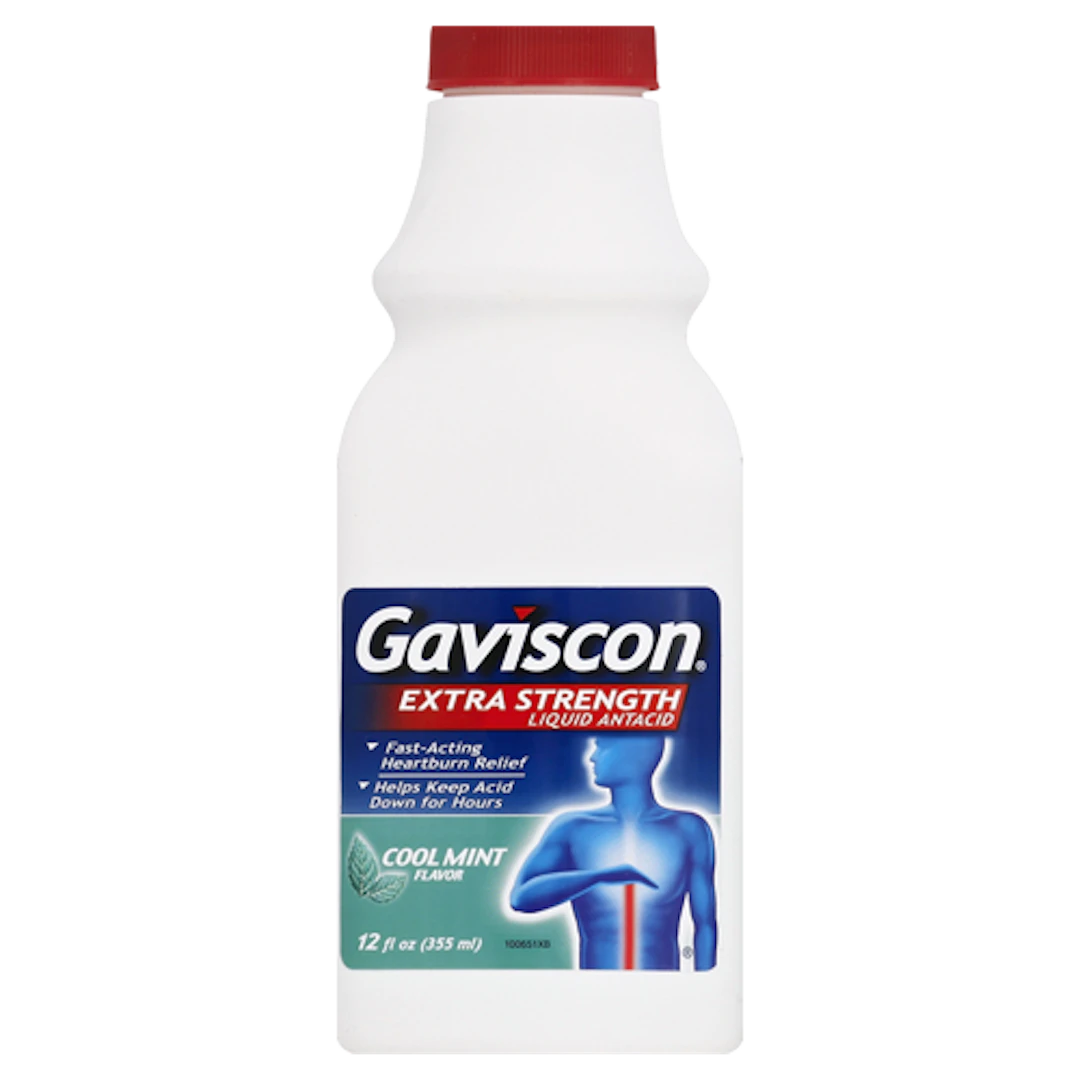
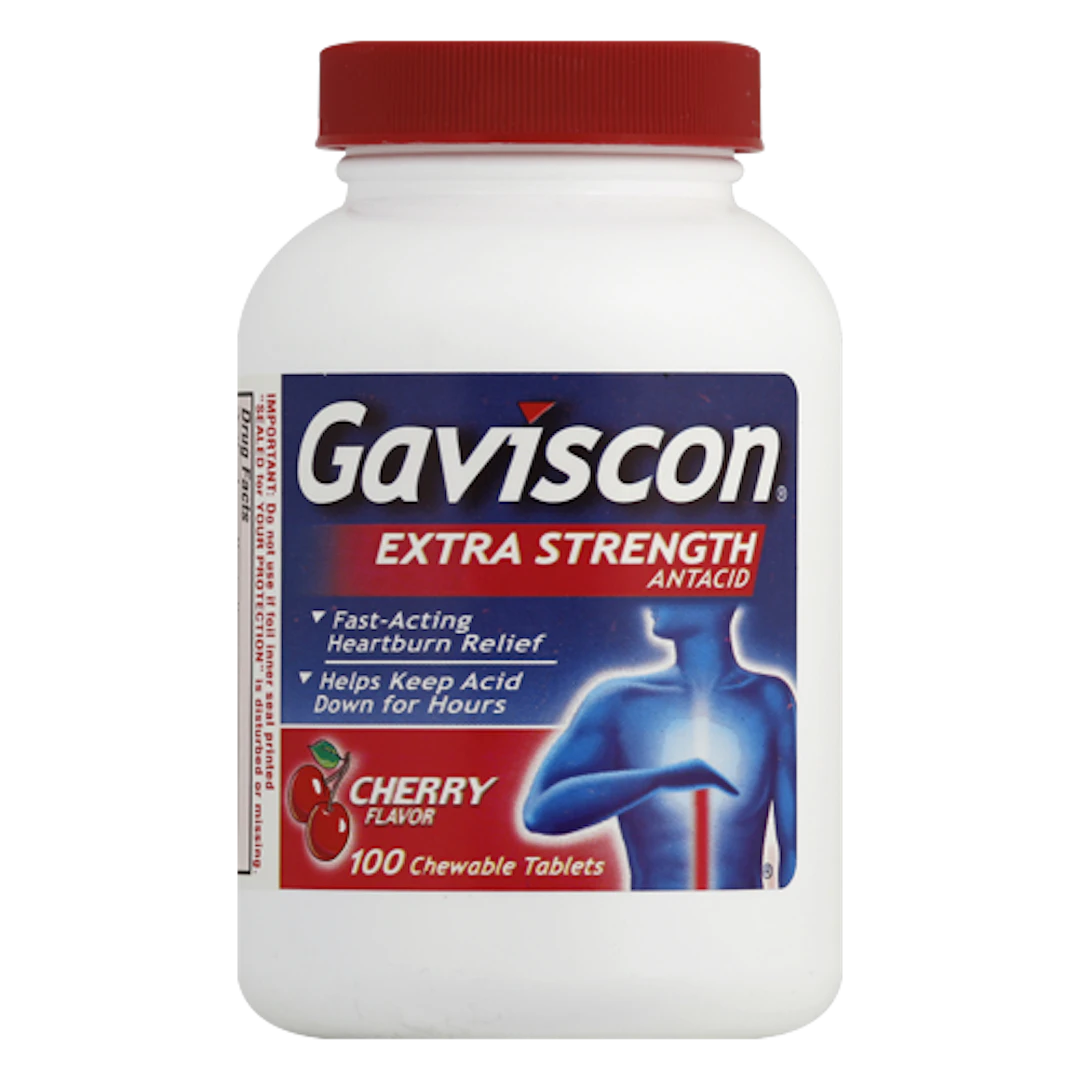
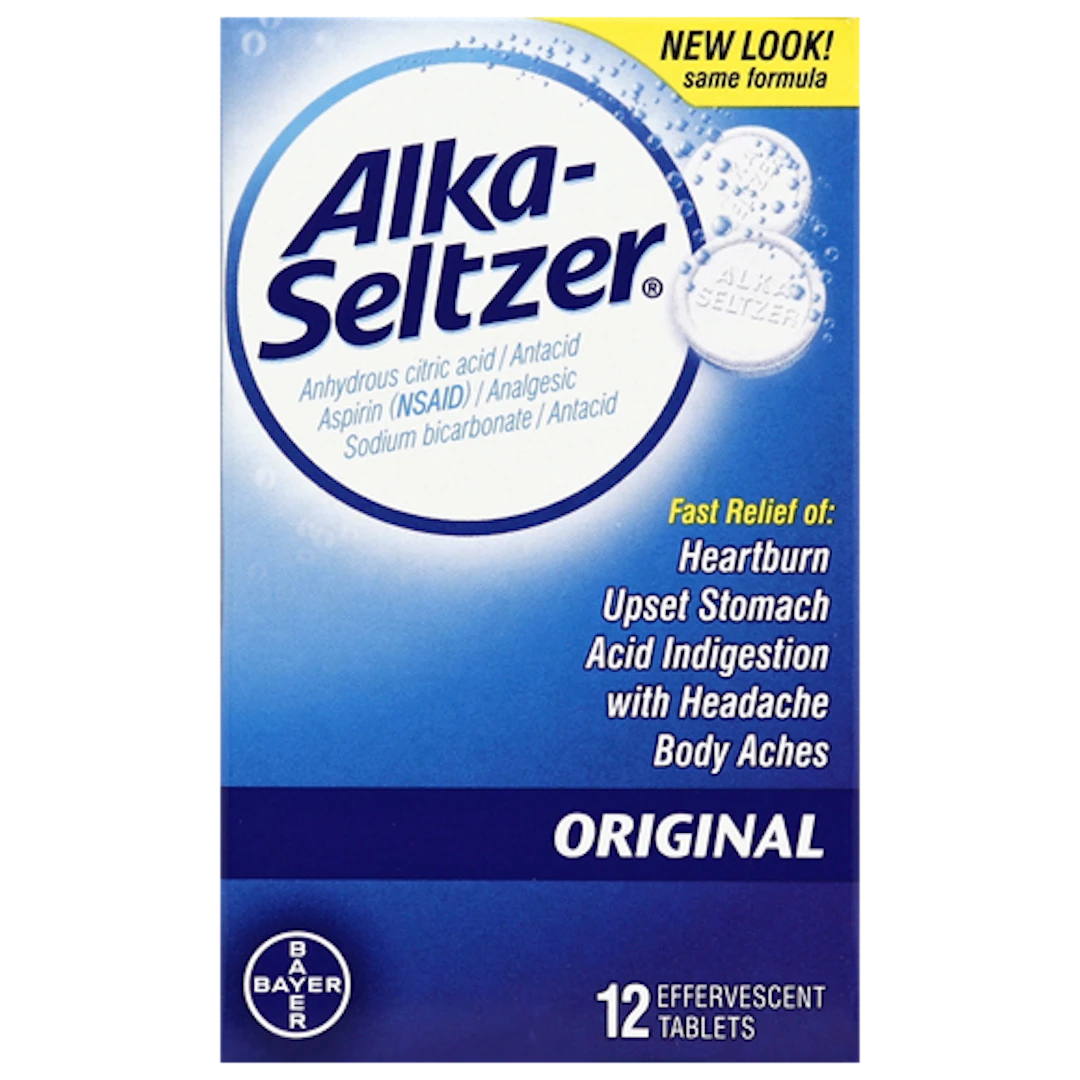
Antacids (Over the Counter)
- These medications neutralize stomach acid and provide fast relief for mild, occasional heartburn.
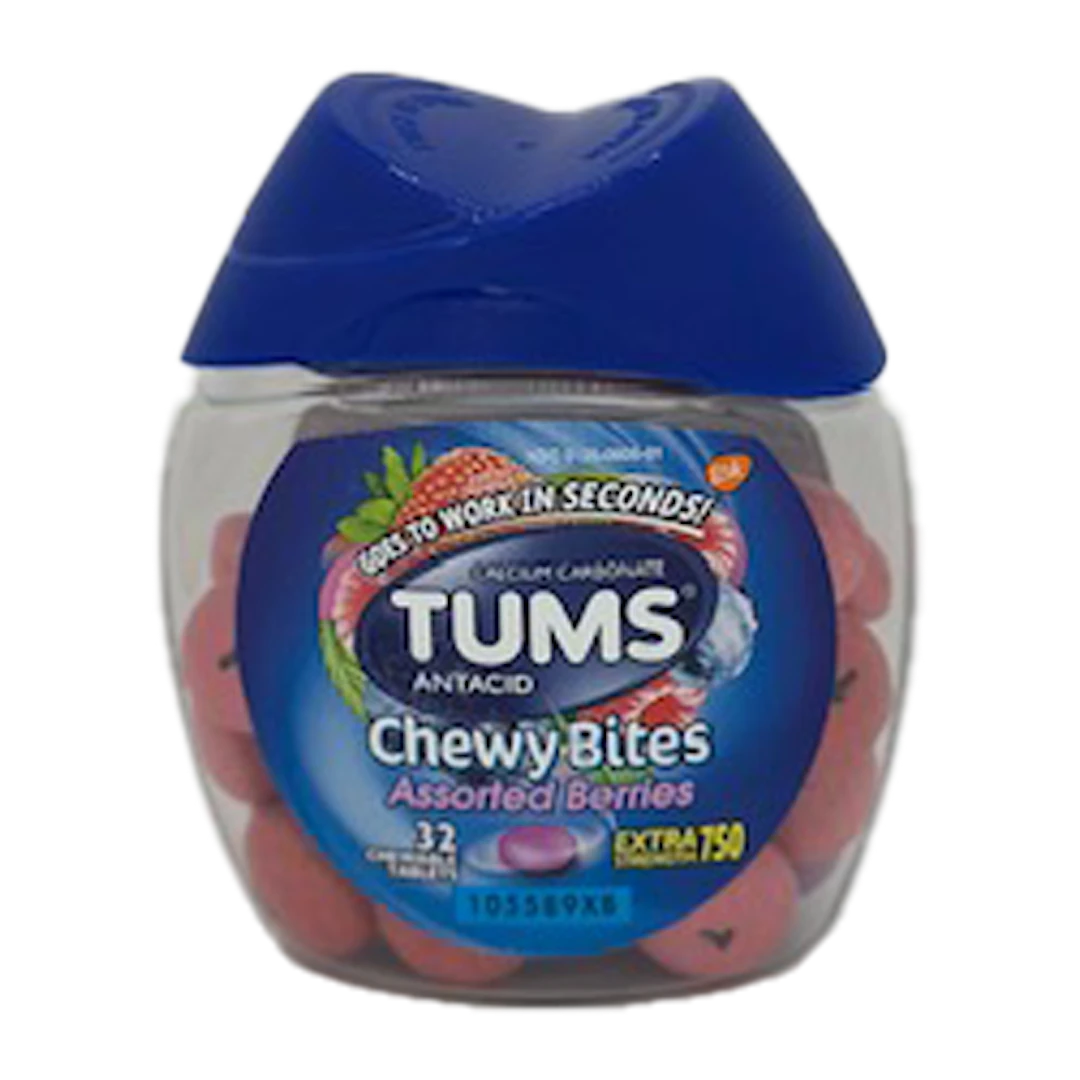
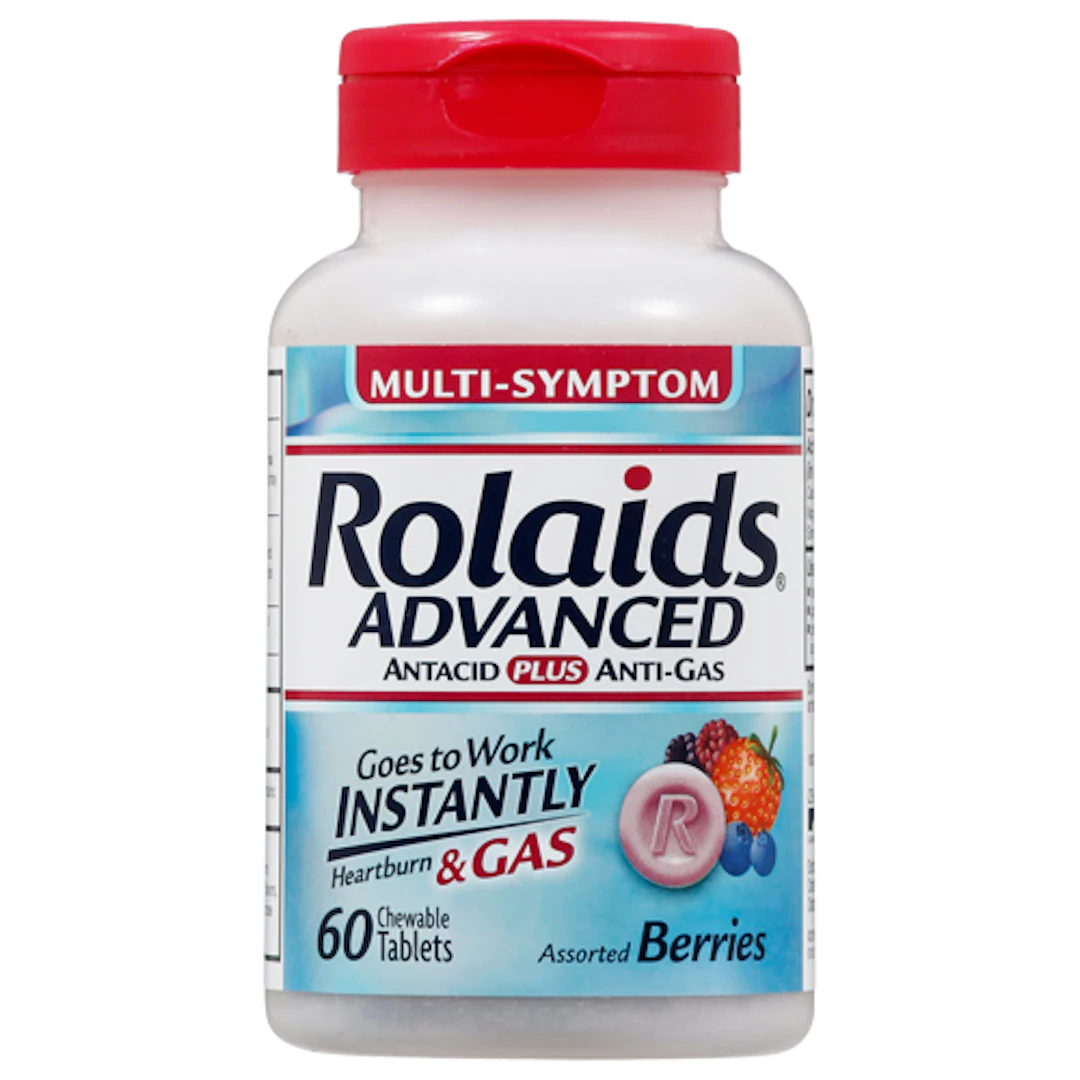
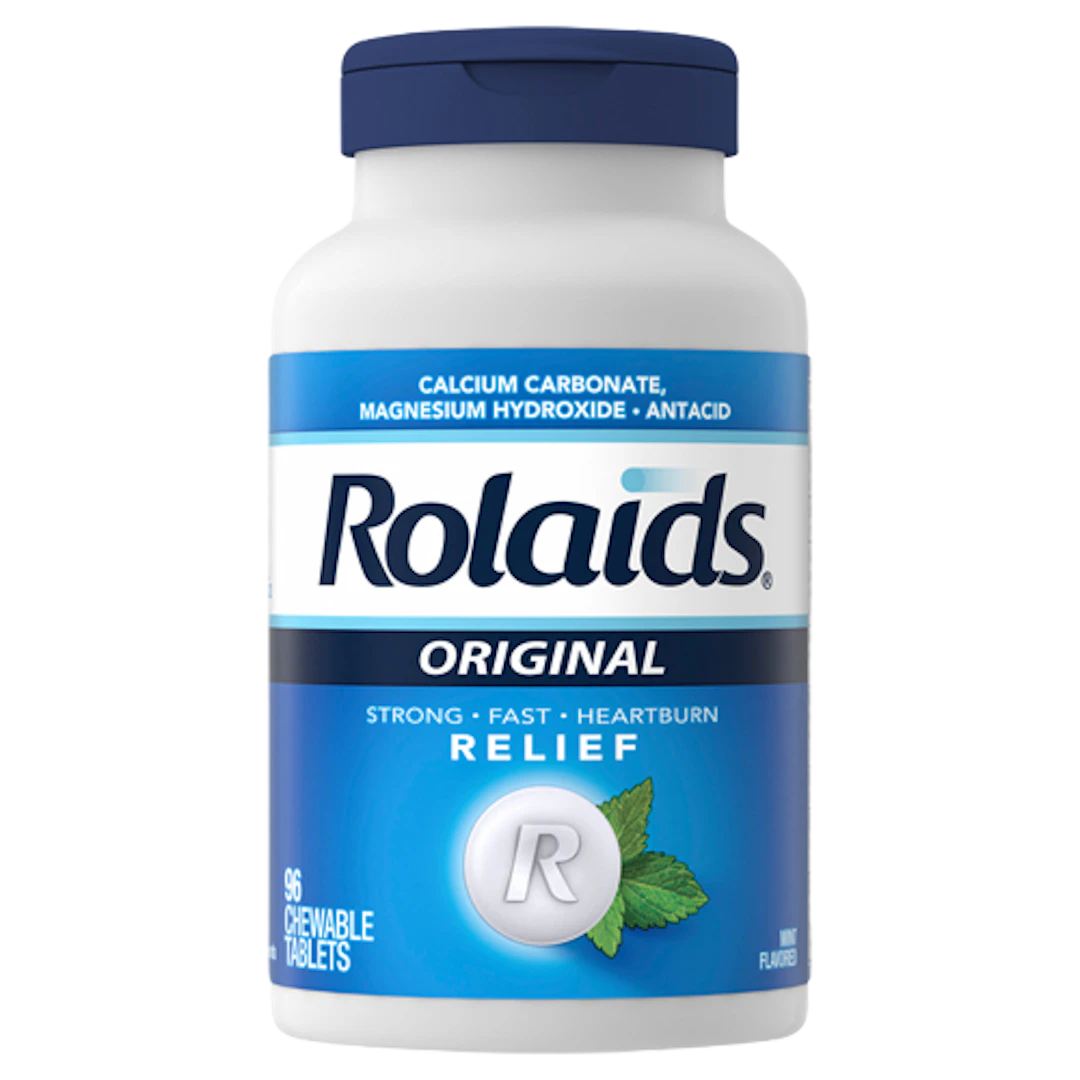
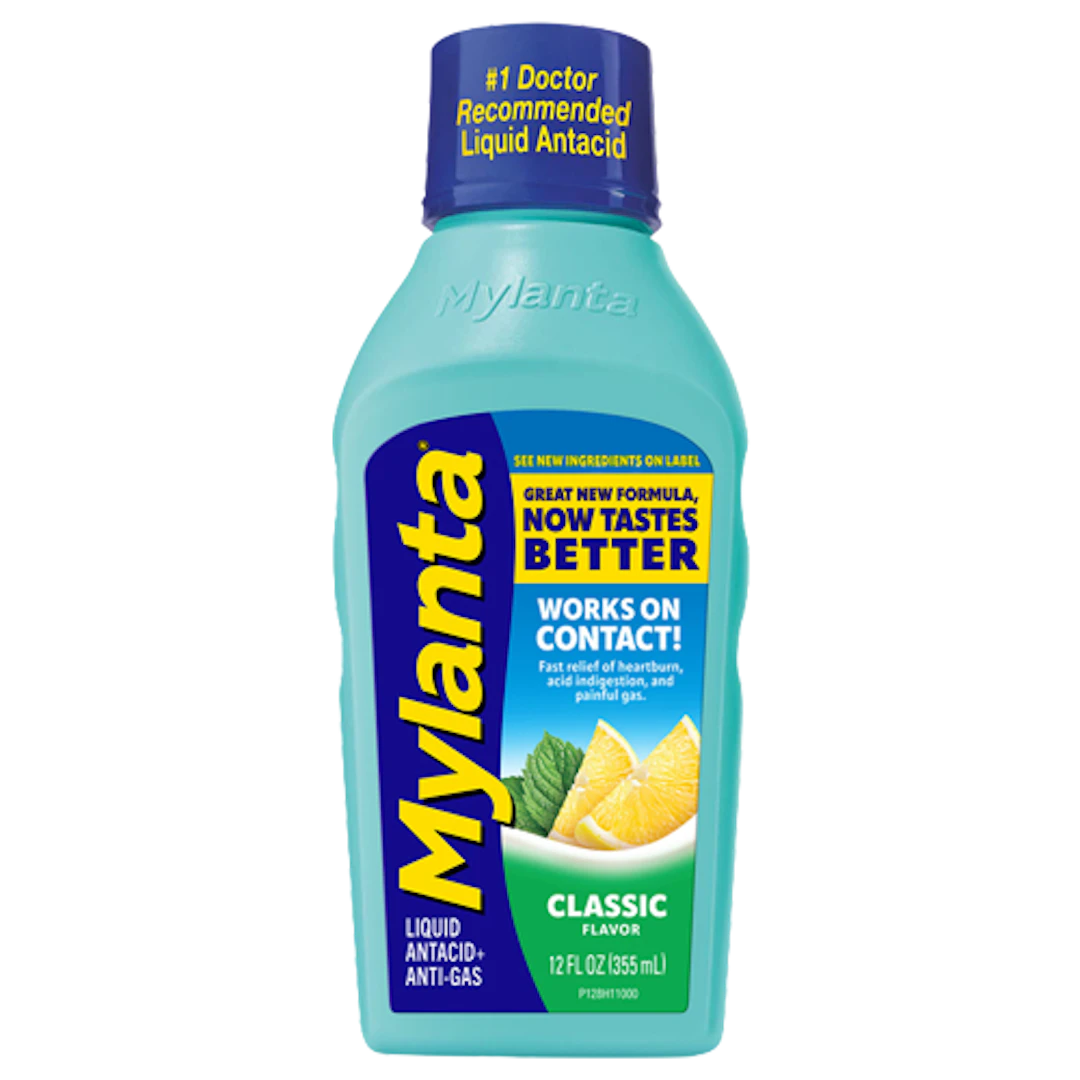
- Examples: Tums (calcium carbonate), Rolaids (calcium carbonate/magnesium hydroxide), and Mylanta (aluminum hydroxide, magnesium hydroxide).
- Fast-acting symptom relief: Symptom relief can begin as quickly as a couple of minutes after taking these medications, making them ideal for short-term relief.
- Side effects: Upset stomach, nausea, antacids can cause constipation (calcium or aluminum-based) or diarrhea (magnesium-based).
- Important considerations: If you have kidney disease or are at risk of kidney stones, use caution with these medications.
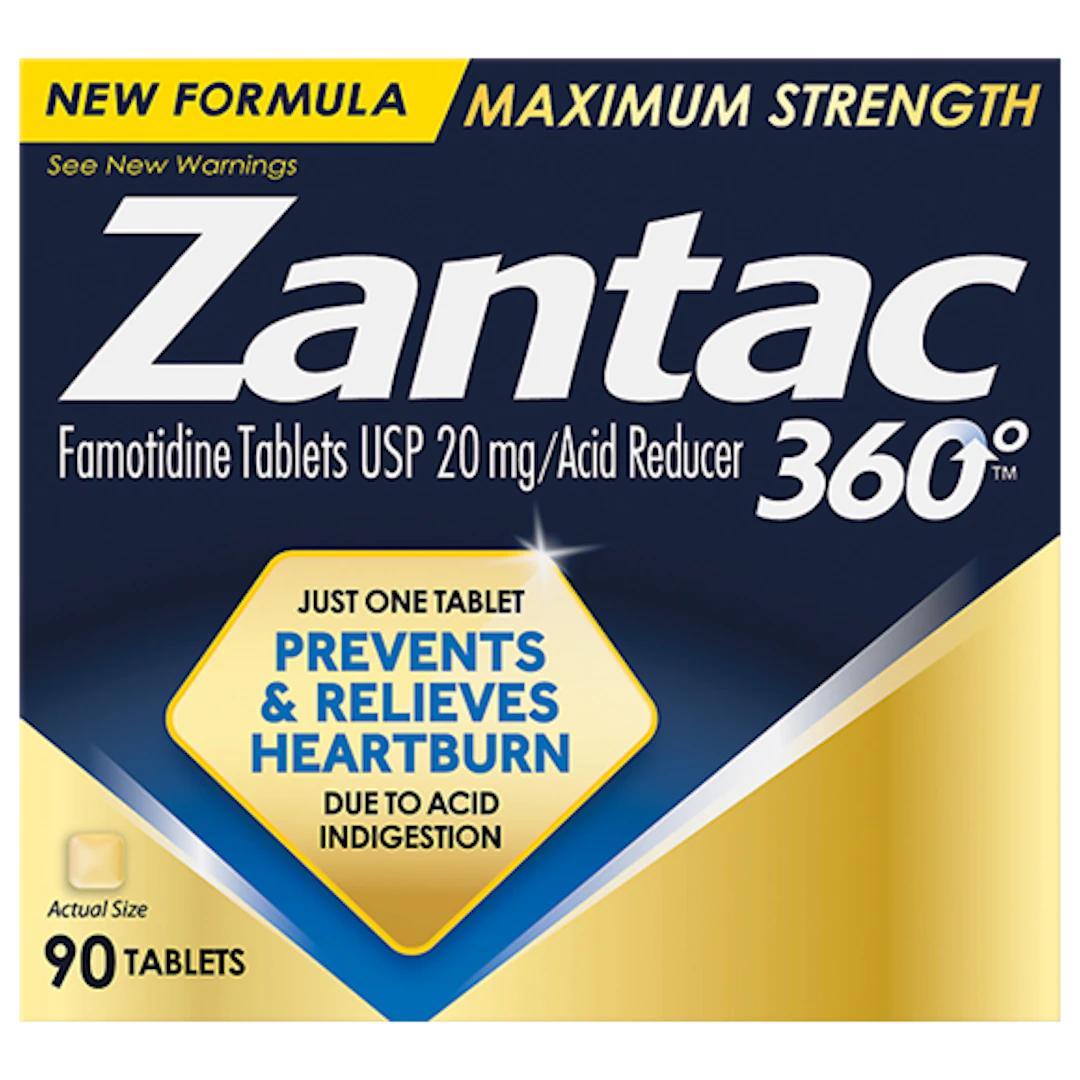
Histamine-2 receptor antagonists (H2 blockers)
- Thesemedications reduce the production of stomach acid by blocking histamine, which stimulates acid production.
- Commonly used for mild to moderate cases of GERD, H2 blockers include cimetidine (Tagamet) and famotidine (Pepcid, Zantac).
- Begin to work within 1 to 3 hours after taking them, providing relief that lasts for several hours. It's best to take them before eating or drinking products that trigger heartburn, but they can also be used once symptoms begin.
- Prescription H2 blockers are commonly used to treat GERD. Nizatidine is only available with a prescription. Higher doses of famotidine and cimetidine also require a prescription.
- Common side effects: Headaches, dizziness, sleepiness, upset stomach, constipation, or diarrhea.
- Long-term use has been associated with vitamin B12 deficiency in some individuals.
Proton pump inhibitors (PPIs)
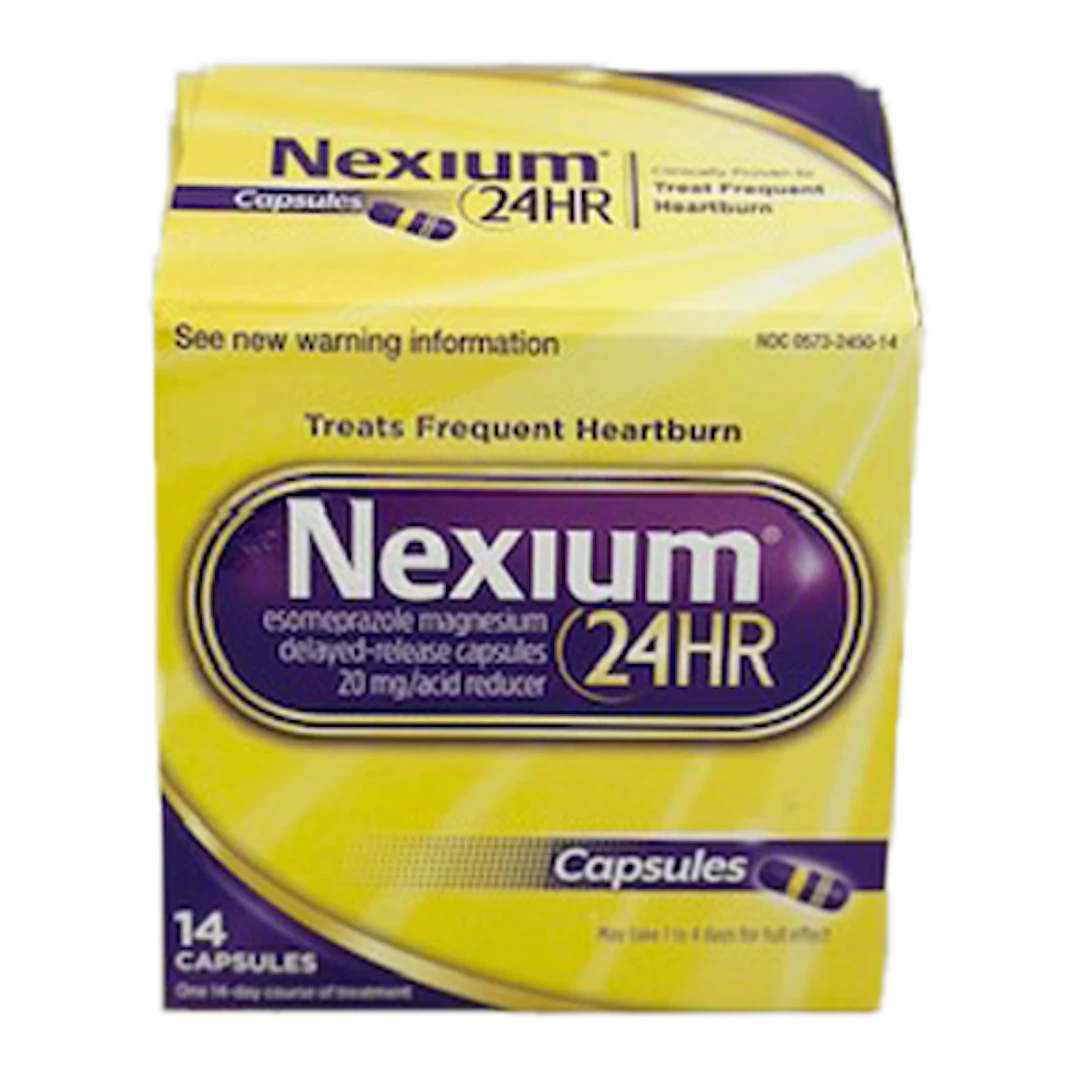
- PPIs are often the first-line treatment for more severe or chronic GERD. They work by blocking the enzyme responsible for acid production in the stomach, offering long-lasting relief.
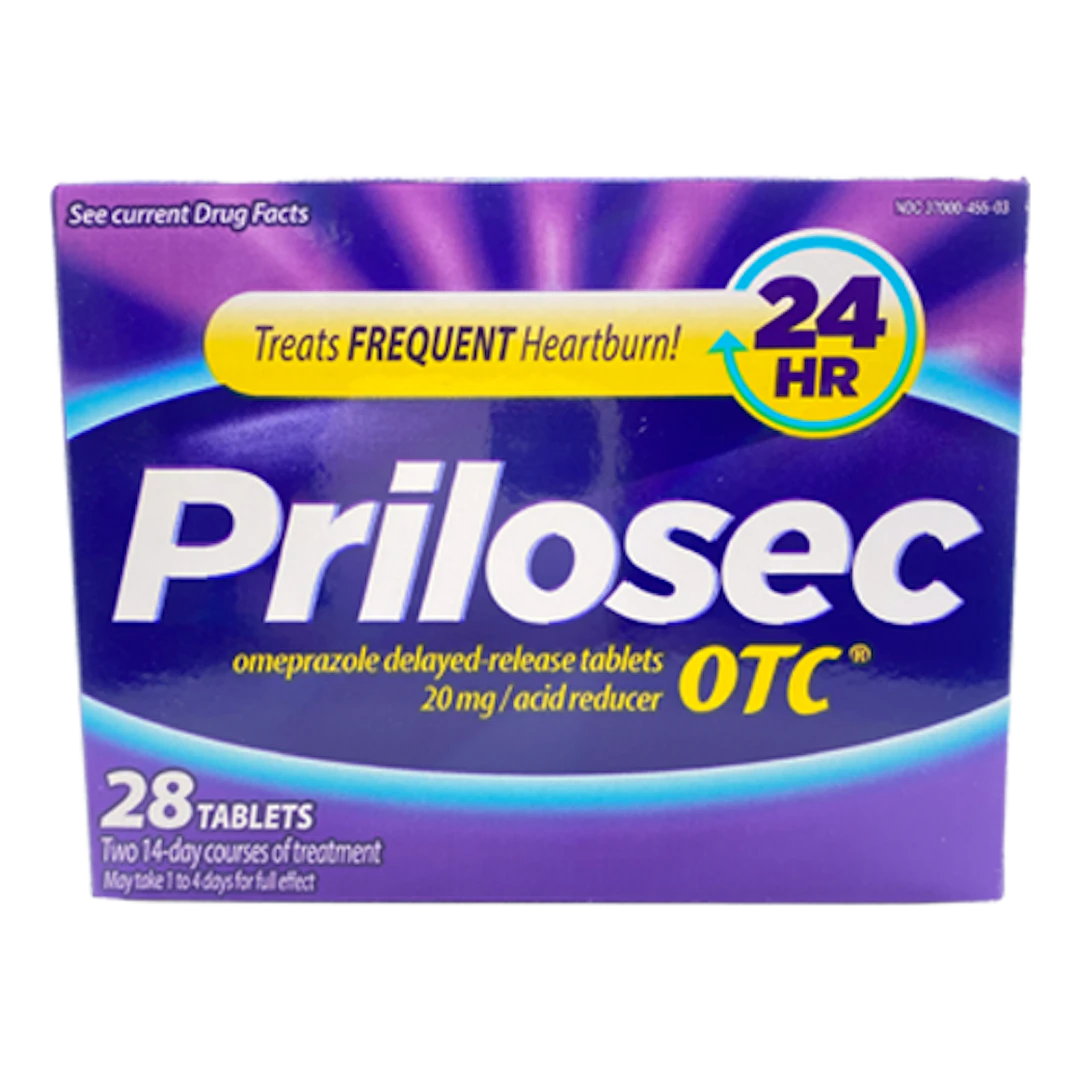
- Examples of PPIs include omeprazole (Prilosec), lansoprazole (Prevacid), esomeprazole (Nexium), and pantoprazole (Protonix).
- Symptoms relief: It may take several days for the full benefits to be received, which is why PPIs are often more effective when used as a preventive option rather than immediate relief.
- Common side effects: Headaches, dizziness, diarrhea, constipation, gas, nausea, and abdominal pain.
- Potential risks with long-term use: Long-term use has been linked to a higher risk of bone fractures, vitamin B12 deficiency, and possible kidney issues. Additionally, research has suggested that extended PPI use may be linked to an increased risk of issues like dementia, kidney disease, and deficiencies in certain vitamins and minerals. Short-term use of PPIs is generally considered safe.
Prokinetic agents
- Prokinetics are medications that help improve the movement of food through the digestive tract. They are also known as "gastrointestinal motility agents."
- Examples include Metoclopramide (Reglan), which is a dopamine antagonist that is FDA- approved to treat GERD and also treats GERD that hasn’t responded to treatments.
- Metoclopramide (Reglan) is both a prokinetic and a dopamine antagonist. As a prokinetic, it helps speed up the movement of food through the stomach and intestines. As a dopamine antagonist, it blocks dopamine receptors in the brain and digestive system, which helps reduce nausea and vomiting while also enhancing the muscle contractions in the digestive tract.
- Common side effects: Restlessness, drowsiness, tiredness, and headaches.
In some cases, if medications and lifestyle changes are not enough to control GERD, surgical interventions such as fundoplication (tightening the LES) or LINX device implantation (a magnetic band around the LES) may be considered.
Prevention
GERD and acid reflux can often be prevented by making lifestyle and dietary changes. Eating smaller, more frequent meals instead of large ones can help reduce pressure on the stomach. Avoiding trigger foods such as fatty, spicy, and acidic foods, along with alcohol and caffeine, can also minimize symptoms. Maintaining a healthy weight, quitting smoking, and waiting at least two to three hours after eating before lying down can further reduce the risk. Additionally, elevating the head of your bed can prevent acid from flowing back into the esophagus while sleeping.
Related Topics
GERD
Acid reflux, also referred to as gastroesophageal reflux (GER), occurs when the sphincter muscle at the bottom of your esophagus doesn't work properly, and stomach acid can back up into your esophagus. This can result in heartburn and other symptoms. Gastroesophageal reflux disease (GERD) is a chronic condition caused by frequent or recurring reflux (greater than 2 times per week).
Learn moreGERD and Peptic Ulcer Disease
Peptic ulcer disease (PUD) is the term used to describe the condition where an ulcer has formed in your digestive system. An ulcer is a painful sore formed when the tissue in your digestive system has been worn down and damaged. Ulcers typically form in your stomach (called a gastric ulcer) or in your duodenum (the part of your digestive system that comes directly after your stomach).
Learn moreLifestyle Tips for GERD
The easiest way to reduce symptoms of GERD is to change your eating habits. Three of the main risk factors involve food and eating, so altering this can greatly change the frequency and intensity of GERD exacerbations.
Learn more