Questions? Call us at 800-810-7790

- A goiter is an enlarged thyroid gland, sometimes small and unnoticed, other times large enough to cause neck swelling, pressure, or trouble swallowing.
- It may occur with normal, low, or high thyroid hormone levels, depending on the cause.
- Common causes include iodine deficiency, autoimmune thyroid disease, thyroid nodules, and hormonal changes.
- Treatment ranges from observation to medication, radioactive iodine, or surgery, depending on symptoms, size, and underlying cause.

Overview
A goiter is an abnormal enlargement of the thyroid gland, a butterfly-shaped gland located at the base of your neck, just below the Adam’s apple.
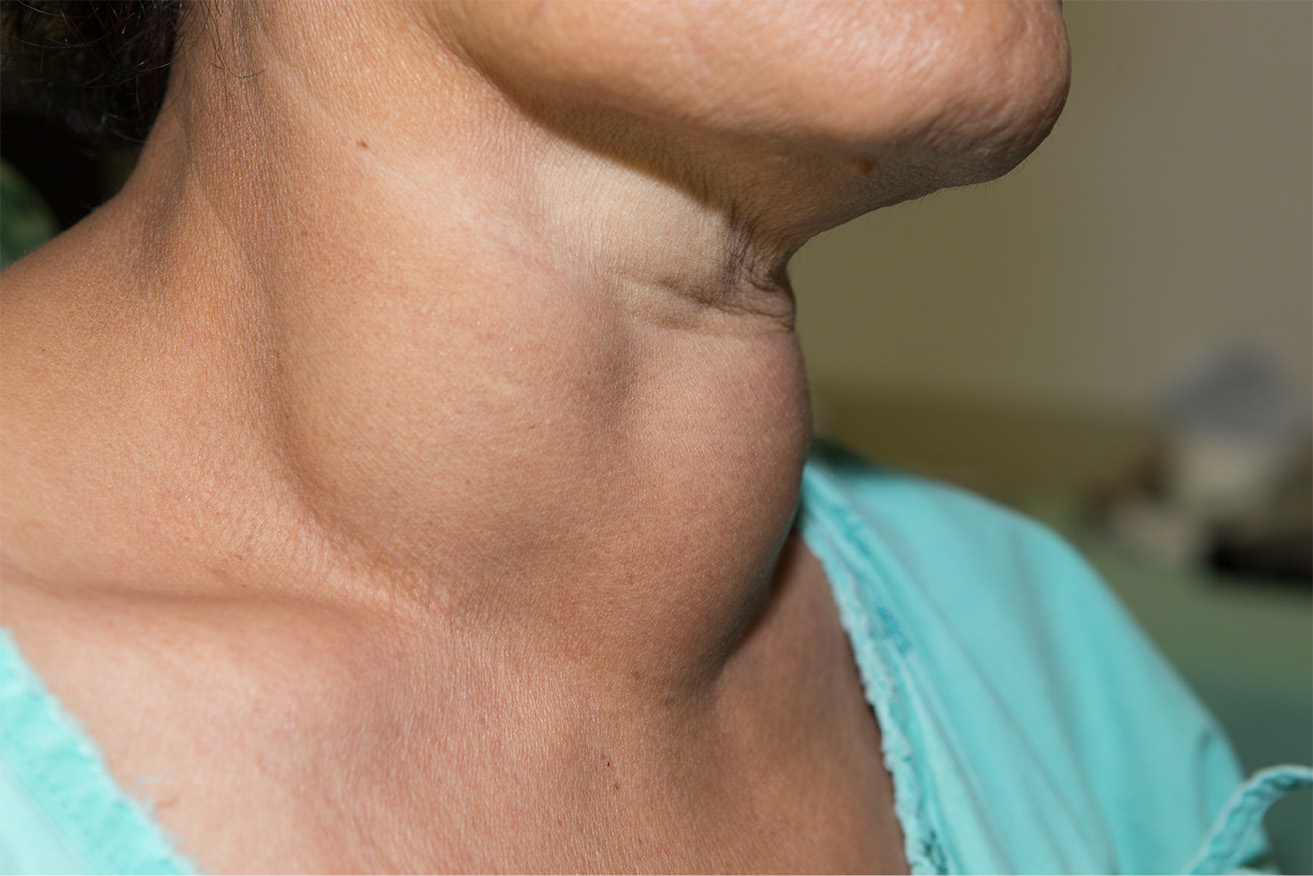
While some goiters are small and may go unnoticed, others can become a noticeable swelling that causes a feeling of tightness, a lump, or pressure in the neck.
The presence of a goiter doesn't necessarily mean there's a problem with thyroid hormone levels; it can occur when hormone levels are normal, low, or high.
How Common Is It?
Goiters are more common than many people realize, particularly in regions with low iodine in the diet.
In the U.S., about 5% of the population may have some form of thyroid enlargement, but the prevalence is much higher worldwide.
It's more frequent in women, especially during periods of hormonal change like pregnancy and menopause, and the risk increases with age.
Symptoms
The symptoms of a goiter vary depending on its size and whether it's associated with a thyroid hormone imbalance. Some small goiters may not cause any symptoms at all and are only discovered during a routine physical exam.
General symptoms of goiter include:
- Swelling at the base of the neck
- A feeling of tightness or fullness in the throat
- Trouble swallowing
- Trouble breathing, especially when lying flat
- Hoarseness or voice changes
- Unexplained cough
Symptoms can also be related to the type of goiter:
- Toxic Goiter: Associated with hyperthyroidism (overactive thyroid). Symptoms are a result of too much thyroid hormone and include weight loss, a rapid heartbeat, nervousness, shakiness, and increased sweating.
- Nontoxic Goiter: The thyroid is enlarged, but hormone levels are normal. Symptoms are primarily related to the physical size of the goiter, such as a visible neck swelling and a feeling of throat tightness.
Goiters are also classified by their physical appearance:
- Diffuse Goiter: The entire thyroid gland is enlarged and feels smooth.
- Nodular Goiter: One or more lumps, called nodules, are present within the gland. When there are multiple lumps, it's called a multinodular goiter.
- Retrosternal Goiter: The goiter grows downward into the chest, potentially pressing on the windpipe and causing breathing difficulties.
Causes
A goiter can be caused by various factors, with the most common worldwide being iodine deficiency. The thyroid needs iodine to produce hormones, and a lack of it can cause the gland to enlarge as it tries to work harder. In areas where iodine is added to salt, other causes are more common.
Common Causes:
- Iodine Deficiency: The most common cause worldwide.
- Hashimoto's Thyroiditis: An autoimmune disease where the immune system attacks the thyroid, causing inflammation and a decrease in hormone production.
- Graves' Disease: An autoimmune condition where the body mistakenly attacks the thyroid, causing it to produce an excess of hormones.
- Thyroid Nodules: Lumps that form within the gland can cause it to swell.
- Thyroiditis: Inflammation of the thyroid gland, which can be caused by an infection or autoimmune response.
- Hormonal Changes: Natural shifts during puberty, pregnancy, or menopause can affect thyroid size.
- Medications: Certain drugs, like lithium or amiodarone, can interfere with thyroid function.
- Thyroid Cancer: While rare, a firm or rapidly growing lump in the thyroid should be evaluated for cancer.
Risk Factors
- Low Iodine Intake: A diet lacking in iodine is a primary risk factor.
- Gender: Women are significantly more likely to develop a goiter than men.
- Older Age: The risk of developing a goiter increases with age.
- Family History: A personal or family history of thyroid disease or autoimmune disorders increases your chances.
- Radiation Exposure: Past radiation therapy to the neck or chest area can increase the risk.
- Medications: Using drugs known to affect thyroid function.
- Autoimmune Disorders: Having conditions like Type 1 diabetes or lupus can raise your risk.
Diagnosis
Most goiters are first noticed during a physical exam. A doctor may feel your neck and detect that your thyroid gland is larger than normal. If there's visible swelling or a lump, further testing is usually recommended.
Common tests include:
- Blood tests – Measure thyroid hormones (TSH, T3, T4) to check if the gland is underactive, overactive, or normal.
- Ultrasound – Uses sound waves to see the size, shape, and texture of the thyroid and detect nodules.
- Thyroid scan – Involves a small amount of radioactive iodine to show how active different parts of the thyroid are.
- Fine needle biopsy – If a lump is present, a small tissue sample may be taken to check for cancer or other conditions.
Not everyone needs all these tests. Your doctor will decide based on your symptoms and exam findings.
Treatment
Not all goiters require treatment. If the goiter is small, hormone levels are normal, and there are no symptoms, observation with regular checkups may be all that’s needed.
When treatment is necessary, it depends on the size of the goiter, your hormone levels, symptoms, and the cause.
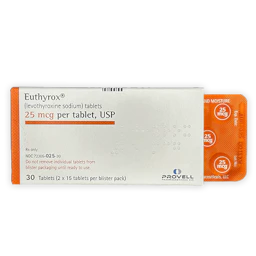
- Medication: If the thyroid is underactive (hypothyroidism), medication like levothyroxine can restore hormone levels and may help shrink the gland. If it's overactive (hyperthyroidism), medication is used to slow hormone production.
- Radioactive Iodine: This is often used for overactive thyroids. It's taken orally and gradually shrinks the gland over time.
- Thyroidectomy (Surgery): Surgery to remove part or all of the thyroid is performed when the goiter is large, causes pressure on the windpipe or esophagus, or when cancer is suspected.
- Iodine Supplements: For goiters caused by iodine deficiency, adding iodine to the diet can help. However, this is not needed in countries where iodized salt is widely used.
Prevention
While it's not always possible to prevent a goiter, there are steps you can take to lower your risk.
The most important factor is getting enough iodine. The thyroid needs it to make hormones. A lack of iodine forces the gland to work harder, which can lead to it growing. In many countries, salt is fortified with iodine, which has greatly reduced goiter rates.
If thyroid issues run in your family, staying aware and getting regular checkups, including blood tests, can help detect subtle changes in hormone levels before the gland gets bigger. Catching problems early can help keep your thyroid healthy.
Related Topics
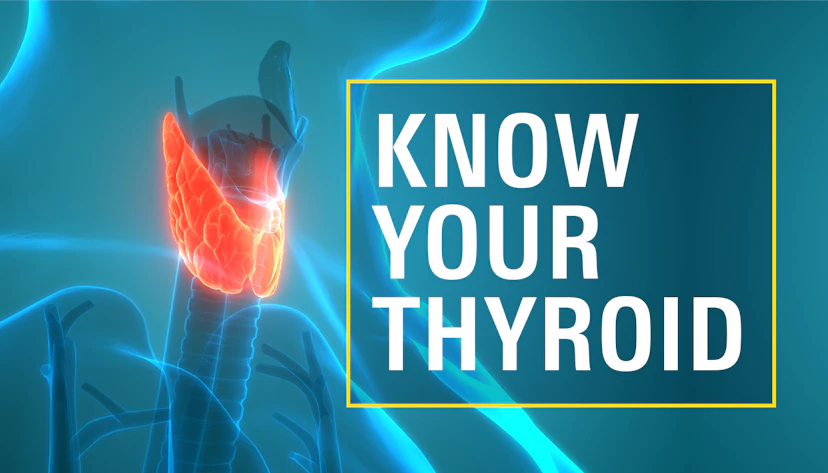
Know Your Thyroid
The thyroid is a hormone-producing gland located at the lower front area of your neck. Its job is to take the iodine consumed in our diets and use it to create hormones that are subsequently released into our bloodstream.
Read more
How Levothyroxine Helps with Low Thyroid
When thyroid hormones decrease, your body slows down, and the classic symptoms of low/slow metabolisms, such as weight gain and fatigue, occur.
Read more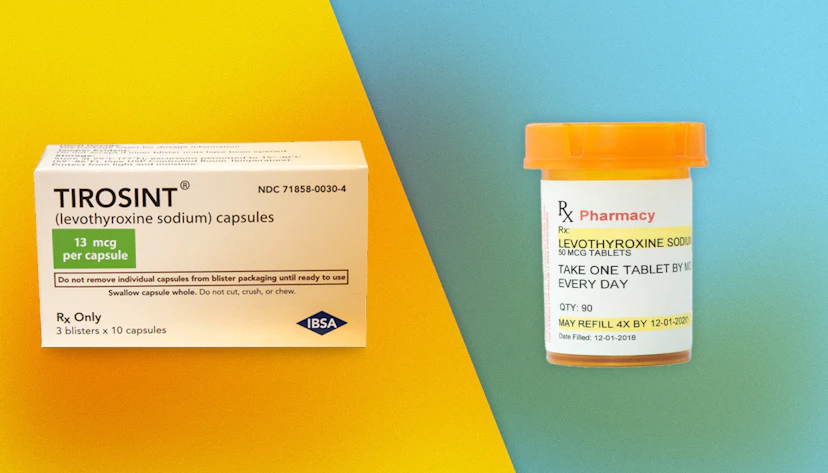
TIROSINT or Generic Levothyroxine?
Both generic levothyroxine and TIROSINT contain levothyroxine sodium as their active ingredient. This means they work in the same way by supplementing T4 hormones.
Read more